Eggs & Omelettes
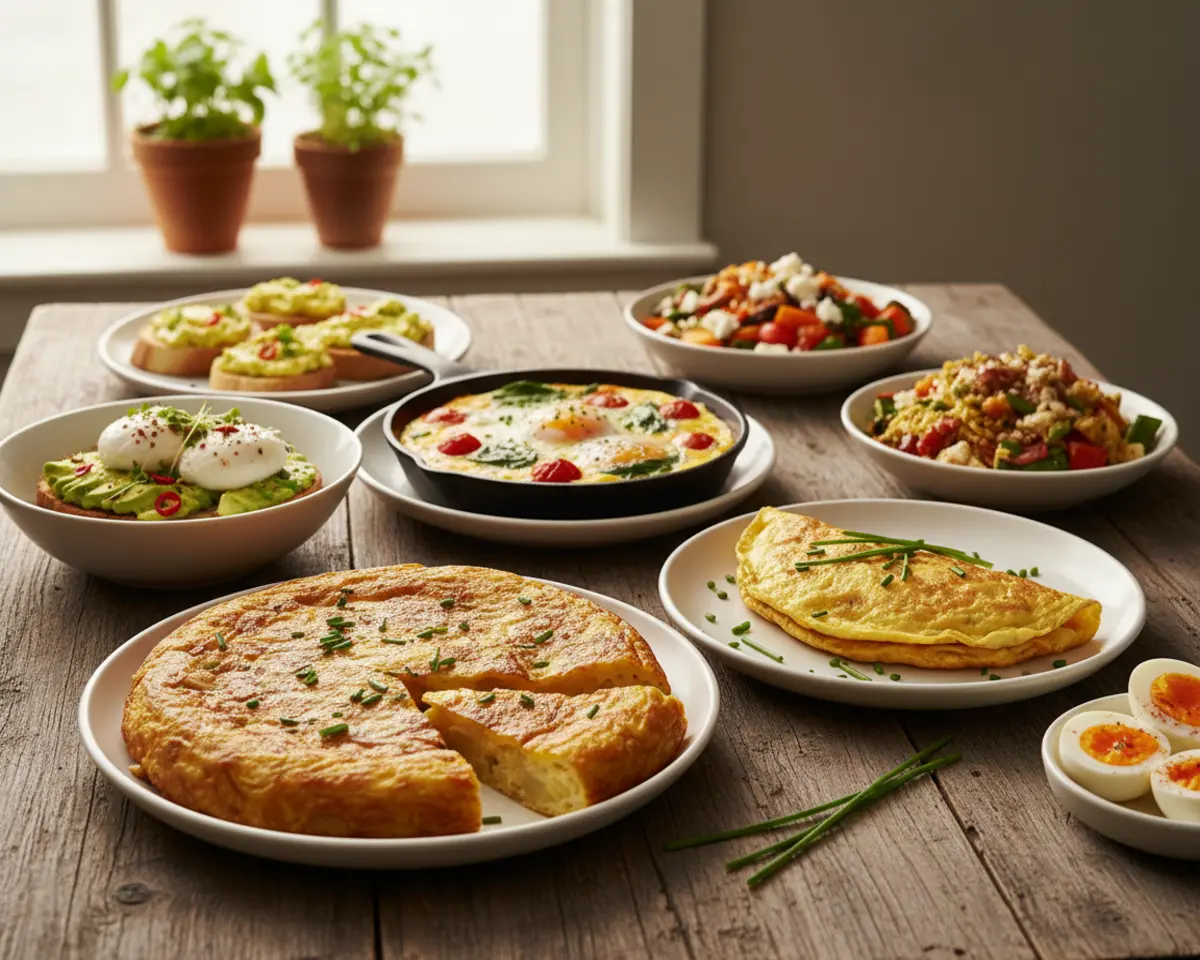
Discover the ultimate collection of eggs & omelettes that’ll transform your breakfast, brunch, and even dinner routine. From fluffy omelette recipes to creative egg recipes you never knew you needed, this guide covers everything from classic comfort food to unexpected twists that’ll make you fall in love with eggs all over again.
My kitchen always smells like butter and possibility on Saturday mornings. That’s when we experiment with different egg recipes, testing everything from simple scrambles to elaborate stuffed omelettes. Some attempts flop spectacularly (we don’t talk about the rubbery frittata of 2019), but most become family favorites we make again and again.
Whether you’re team runny yolk or firmly in the hard-boiled camp, you’re about to discover a whole world of eggs and omelettes that goes way beyond your basic breakfast plate.
Table of Contents
Quick Overview
These Eggs Omelettes selections are just the beginning. Head over to our Ultimate Healthy Breakfast & Brunch Recipes for a deeper look at everything this category has to offer.
This comprehensive guide brings together the best egg recipes and omelette recipes for every occasion. You’ll find everything from quick weekday breakfasts to impressive brunch centerpieces, plus a few surprises (spoiler: not all of these are even meant for eating).
We’ve organized them so you can jump straight to whatever you’re craving—whether that’s a protein-packed breakfast, a clever way to use up veggies, or even a sweet treat that happens to be egg-shaped.
Avocado-Egg Toast
This isn’t just trendy café food—it’s genuinely one of the most satisfying breakfasts you can make in under ten minutes. Creamy avocado meets perfectly cooked eggs on crispy toast, and you can customize this recipe with everything from chili flakes to microgreens.
It’s the kind of meal that feels fancy but requires almost zero cooking skills.

Chocolate-Covered Peanut Butter Eggs
Easter wouldn’t be complete without these sweet, creamy confections that taste just like your favorite peanut butter cups—but egg-shaped. The combo of smooth peanut butter filling coated in rich chocolate is absolutely addictive, and this homemade version lets you control the sweetness and quality.
They’re perfect for holiday baskets or sneaking from the fridge at midnight (no judgment here).

Delicious Afghani Omelette
If you think you’ve tried every omelette variation, this Afghan-style version will surprise you with its unique blend of spices and herbs. It’s fluffier than a French omelette but heartier than an American diner version, packed with flavor that goes way beyond salt and pepper.
Try this recipe when you want to shake up your breakfast routine with something genuinely different.

Deviled Egg Trio (Classic/Spicy/Avocado)
Why settle for one deviled egg recipe when you can master three crowd-pleasers at once? This trio covers all the bases—traditional tangy, kick-of-heat spicy, and creamy avocado variations that’ll make your appetizer spread the star of any gathering.
Once you nail these techniques, you’ll never buy store-bought deviled eggs again (and your friends will start requesting them for every potluck).

Easy Pizza Eggs
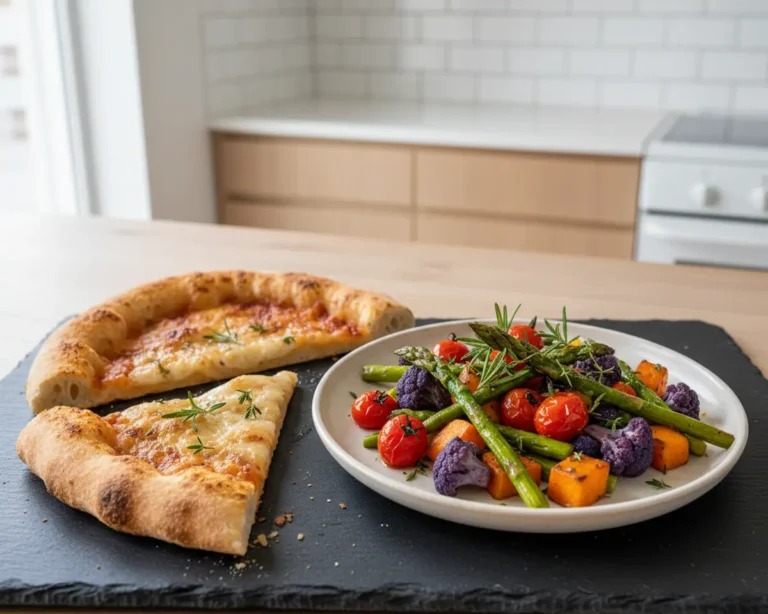
When you’re craving pizza but it’s 8 a.m., these eggs deliver all those savory, cheesy, pepperoni-studded flavors in breakfast form. It’s basically a deconstructed pizza scrambled into fluffy eggs, and my kids go absolutely wild for it. Make this fun recipe when you need to win over picky eaters or just want something playful on your plate.

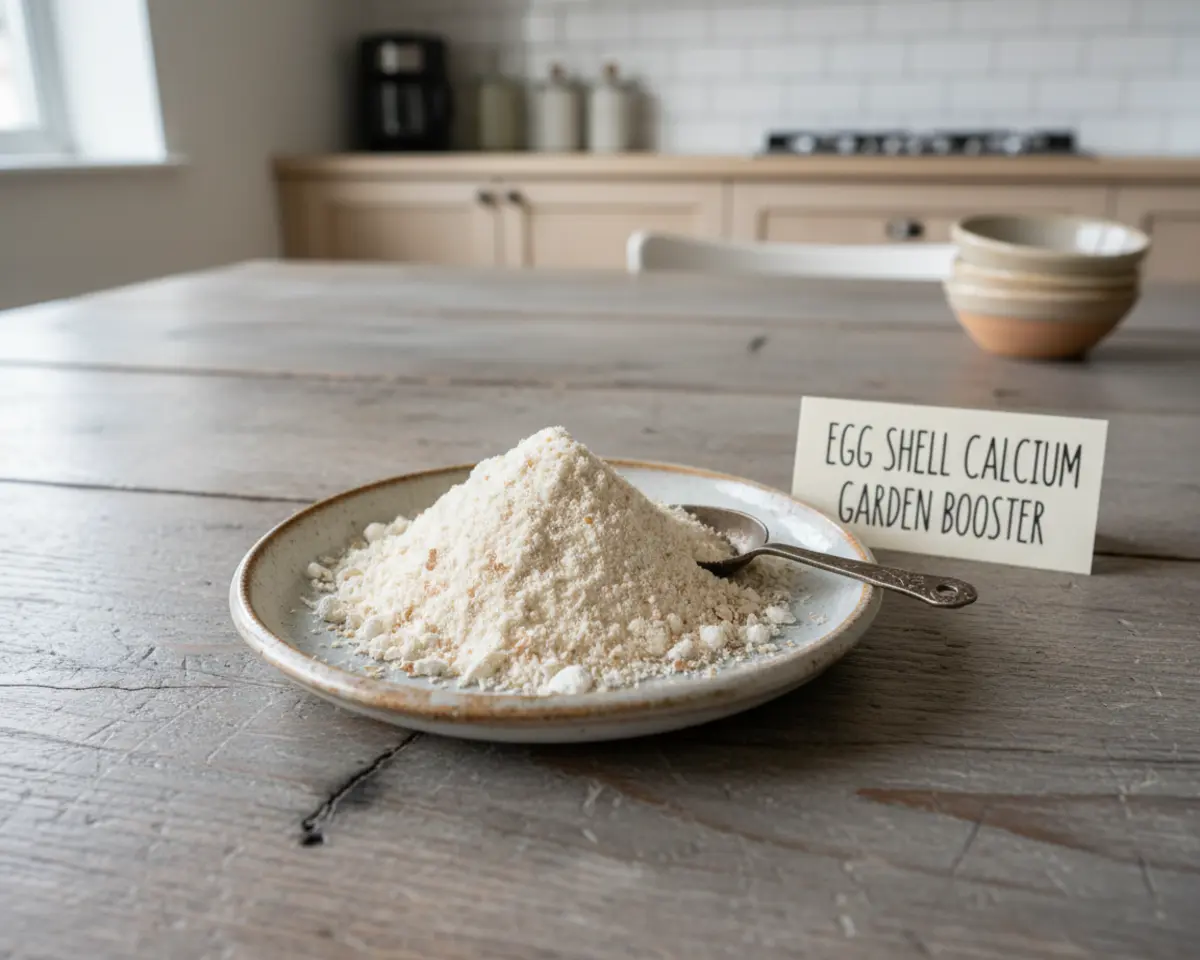
Egg Shell Calcium Garden Booster
Here’s the surprise non-edible entry that’ll make your gardening game so much stronger. Those eggshells you usually toss? They’re packed with calcium that your tomatoes and peppers desperately need.
This simple method shows you how to turn kitchen scraps into garden gold—because nothing should go to waste, especially when it helps you grow better veggies.
Homemade Peanut Butter Eggs
Similar to the chocolate-covered version but with a slightly different technique, these eggs are perfect when you want that classic Easter candy taste with complete control over ingredients. The peanut butter center is perfectly sweet and creamy, and this recipe walks you through getting that iconic egg shape just right.
Make a big batch because they disappear faster than you’d think.

Japanese Egg Sandwich (Tamago Sando)
This pillowy-soft sandwich with its creamy egg salad filling is a Japanese convenience store legend for good reason. The eggs are mashed with Japanese mayo (which is richer and slightly sweeter than American mayo) and tucked between crustless white bread that’s impossibly tender.
Follow this recipe for a lunch that feels like a gentle hug—simple, comforting, and surprisingly elegant.

Mini Jalapeño Popper Egg Rolls
Okay, so these use egg roll wrappers rather than actual eggs, but they’re too good not to include in this roundup. Creamy, spicy jalapeño popper filling gets wrapped up and fried until golden and crispy—they’re the perfect party appetizer.
Try making these when you want finger food that’ll actually impress people (and disappear within minutes).

Snowman Veggie Board
This festive appetizer board uses hard-boiled eggs as the base for an adorable snowman display, surrounded by fresh veggies and dips. It’s equal parts healthy snack and holiday decoration, perfect for getting kids excited about eating vegetables.
Create this whimsical board for your next winter gathering—it’s Instagram-worthy and genuinely fun to assemble.

Wilted Vegetable Frittata Rescue Formula
When your fridge vegetables are looking sad and you’re tempted to toss them, this frittata formula swoops in to save the day (and save money). Any wilted veggies can be transformed into a delicious, protein-packed meal that works for breakfast, lunch, or dinner.
Master this flexible recipe and you’ll never waste produce again—it’s honestly one of the most practical recipes in any home cook’s arsenal.
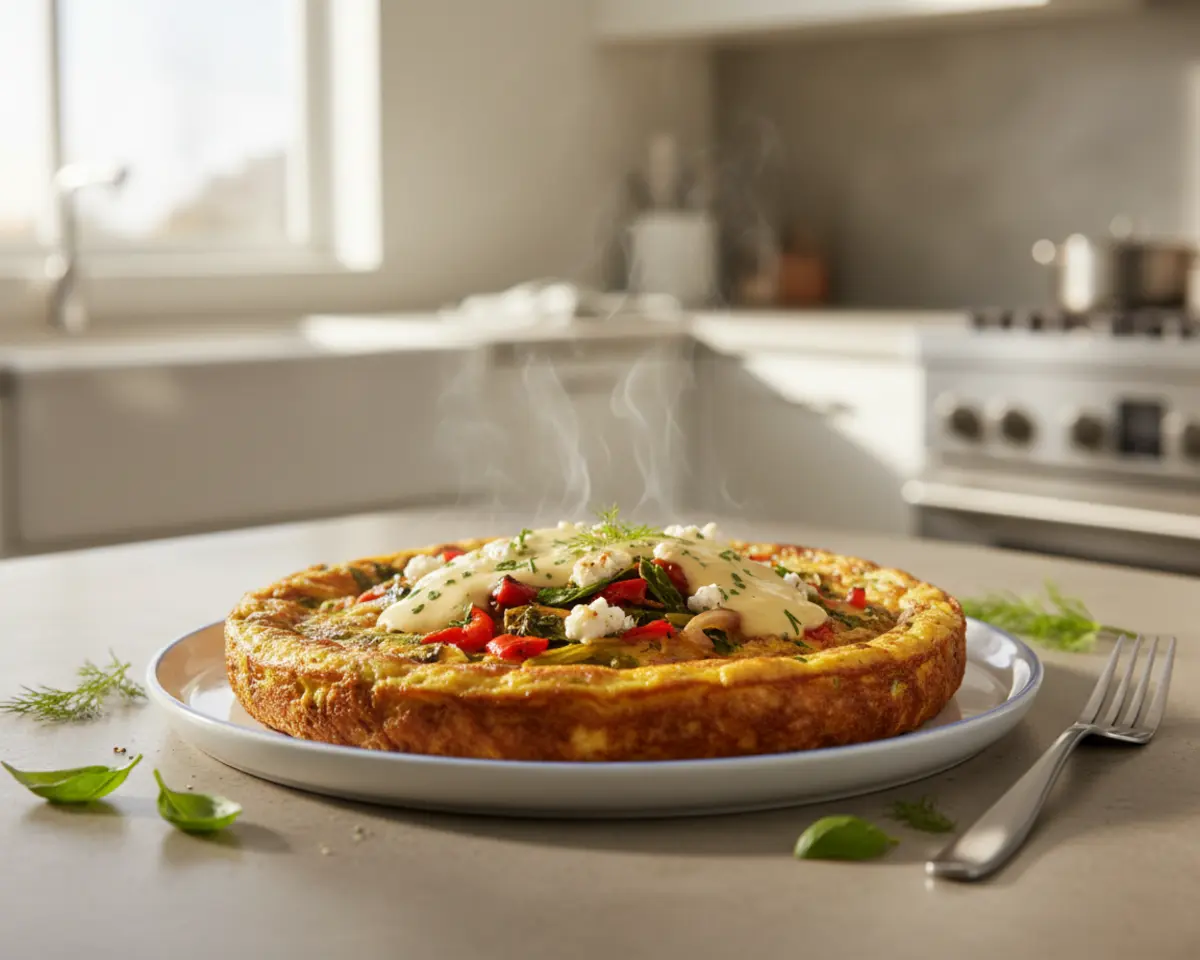
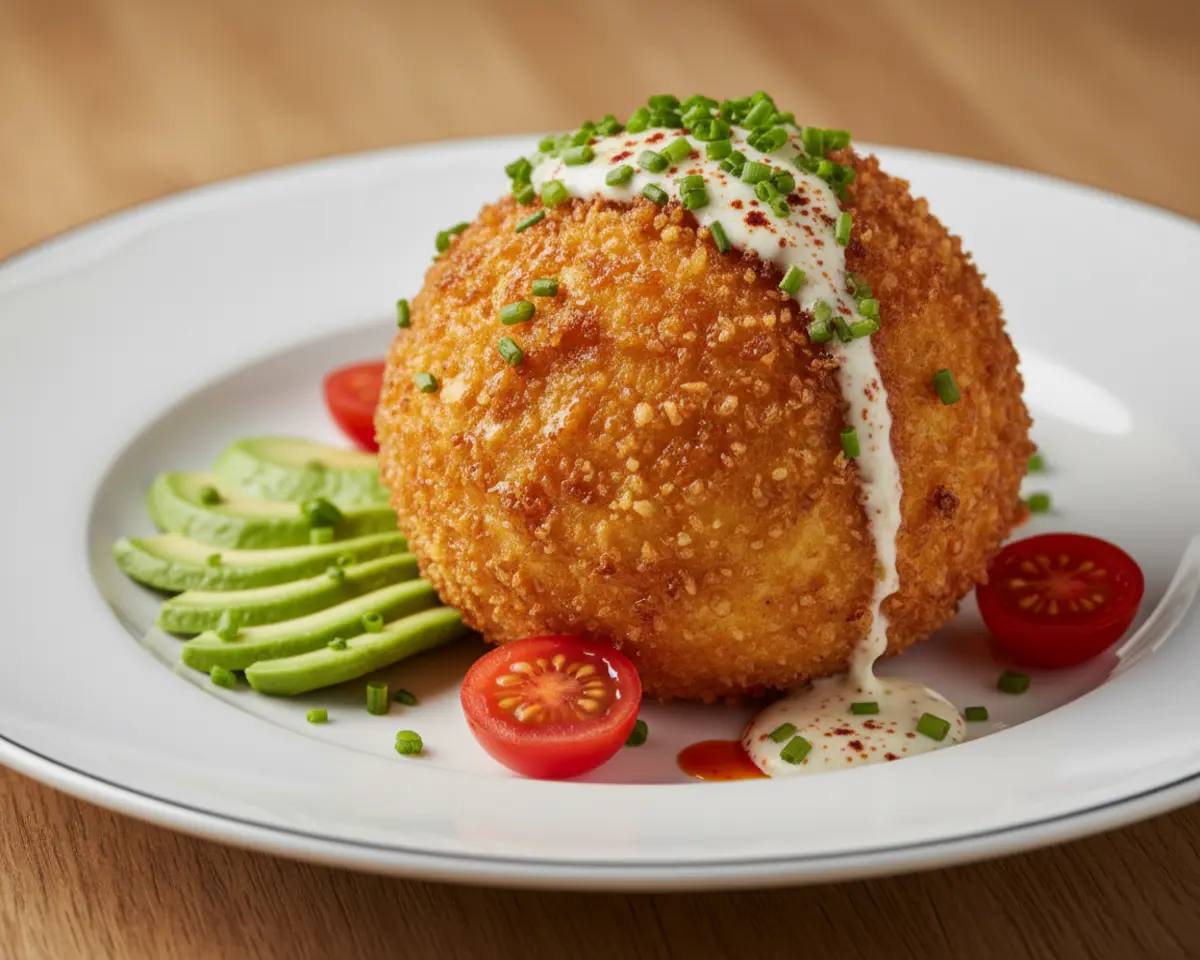
Fried Panko Crust on Egg Ball Bake
Spice up your brunch routine with our “Fried Panko Crust on Egg Ball Bake!” This recipe takes classic egg bakes to a whole new level with a golden, crispy panko topping that’s utterly irresistible. Trust me, it’s a breakfast game-changer!
Perfect for feeding a crowd or a cozy weekend treat, this bake combines fluffy eggs with a satisfying crunch. It’s comfort food with a delightful twist, and a definite star in our “Comforting Classics” collection!
Check out the full fried panko crust on egg ball bake instructions and whip up this comfort food favorite.
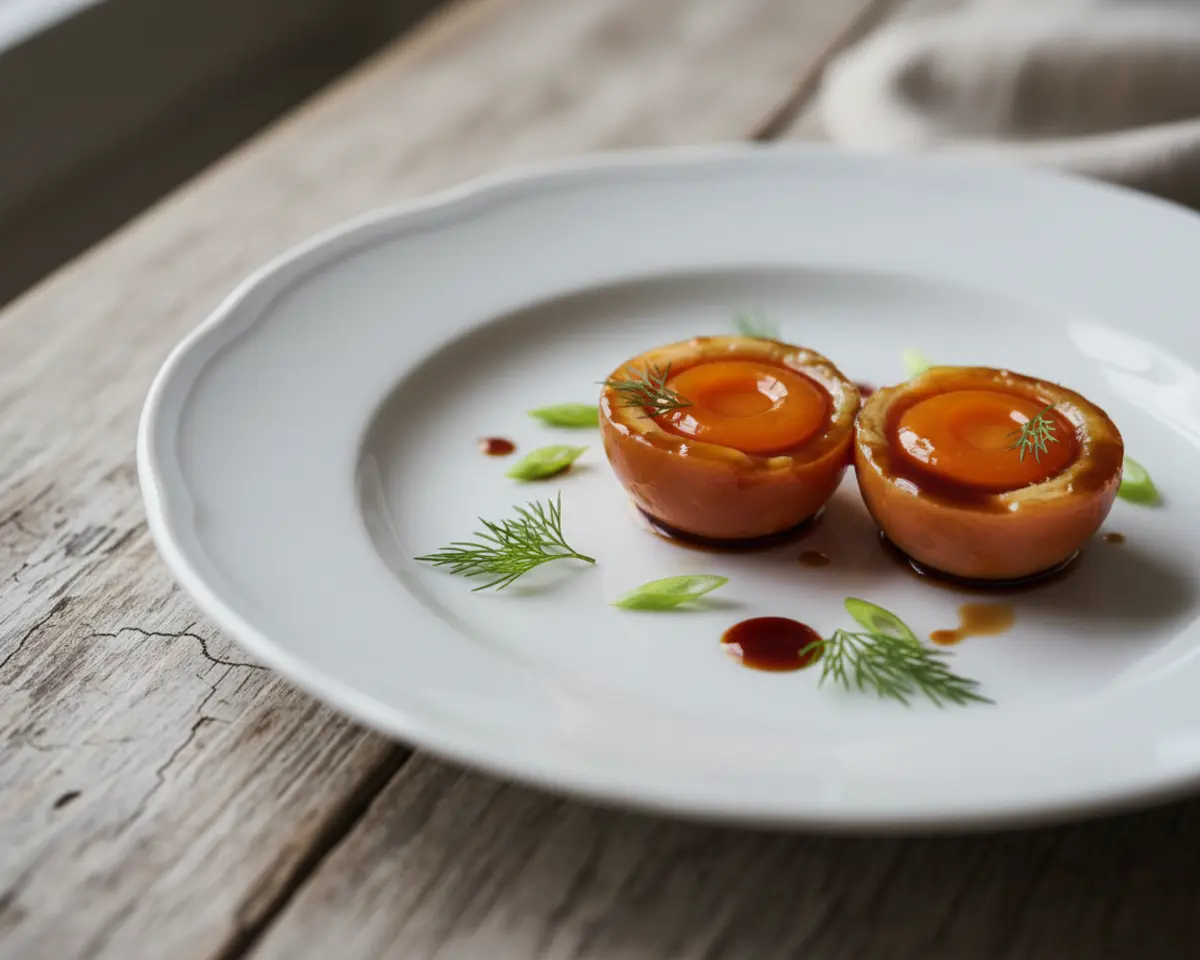
Cured Egg Yolk Recipe Soy Sauce
Calling all umami lovers! This Cured Egg Yolk (Soy Sauce) recipe is a total game-changer. Imagine those rich, savory yolks, perfectly cured in soy sauce, ready to elevate everything from pasta to salads. It’s surprisingly easy to make and an absolute flavor bomb!
Trust us, once you try these golden nuggets, you’ll be curing yolks all the time! They’re like little flavor diamonds. Get ready to impress your taste buds (and your friends!) with this simple yet sophisticated addition to your culinary repertoire.
Check out the complete cured egg yolk recipe soy sauce recipe and bring this delicious dish to your table.
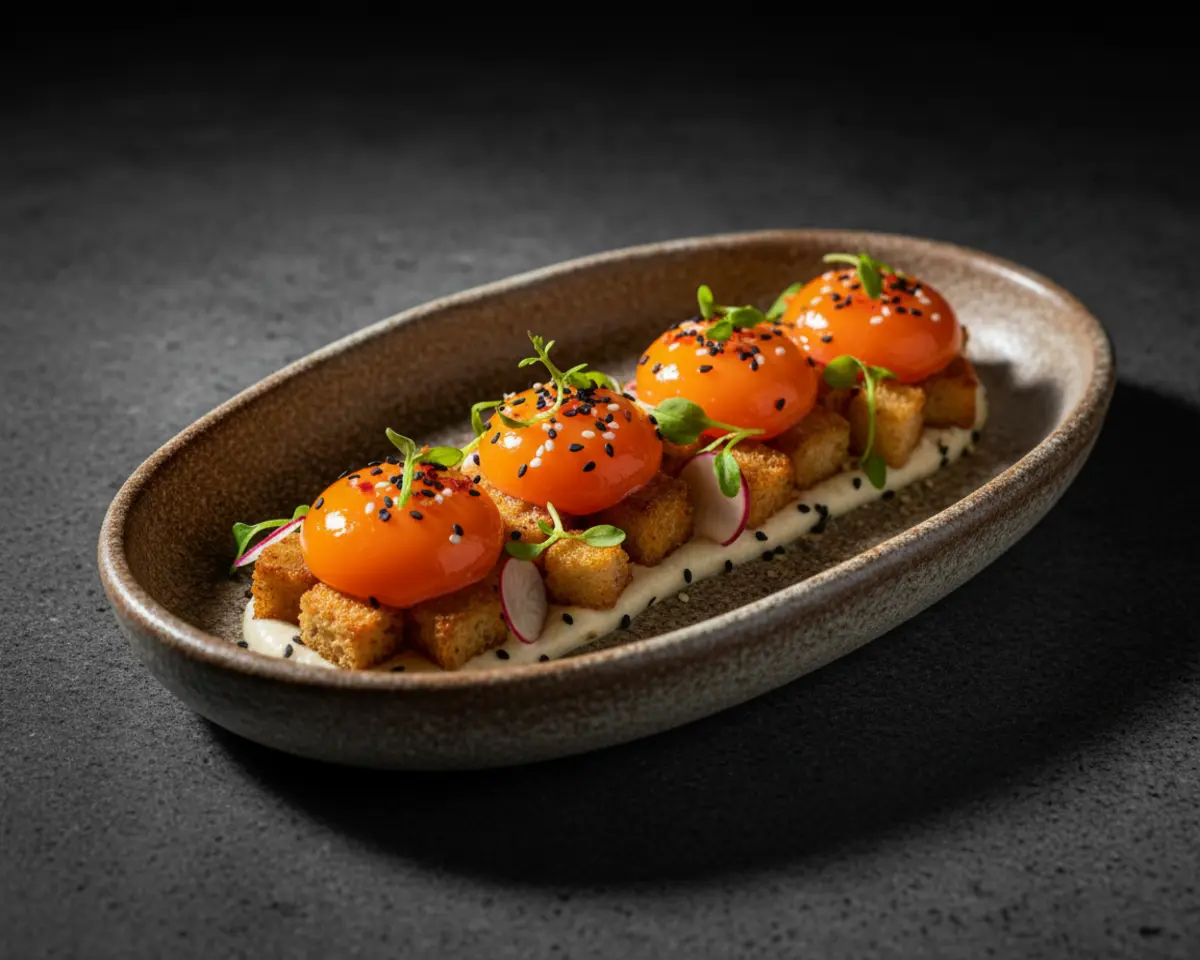
Soy Cured Egg Yolk Recipe
Ready to elevate your everyday? This soy-cured egg yolk recipe is a game-changer! Imagine rich, umami-packed jewels ready to adorn everything from ramen to avocado toast. So simple, so satisfying!
It’s pure magic how a few ingredients transform humble yolks into these golden delights. Get ready to impress yourself (and anyone lucky enough to share your table) with this incredibly easy and unbelievably delicious addition to our “Egg-cellent Eats” collection!
You can grab the full, printable version of the soy cured egg yolk recipe recipe to keep in your kitchen.
Expert Tips for Perfect Eggs & Omelettes Every Time
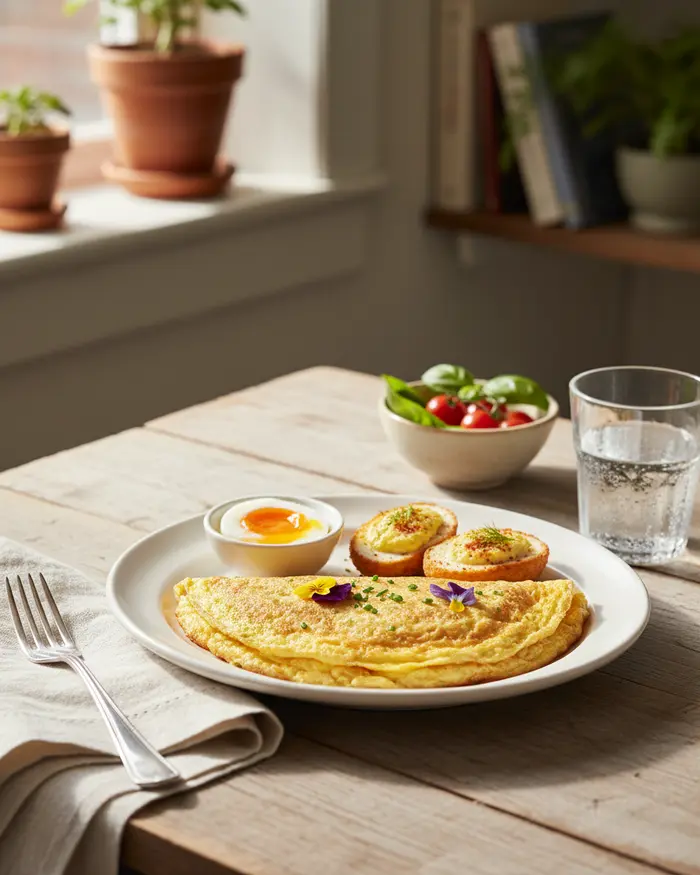
The secret to restaurant-quality eggs at home isn’t fancy equipment—it’s understanding a few key techniques. Temperature control is everything: Serious Eats explains that low and slow heat produces creamier scrambled eggs, while higher heat creates those satisfying crispy edges on fried eggs. Don’t rush it.
For omelettes specifically, fresh eggs make a noticeable difference in texture and flavor. The whites whip up fluffier and the yolks taste richer. I always let my eggs come to room temp for about 15 minutes before cooking—cold eggs straight from the fridge don’t cook as evenly.
Here’s something that changed my egg game completely: add a tiny splash of water (not milk!) to your beaten eggs. According to The Spruce Eats, water creates steam during cooking, which makes eggs fluffier without adding extra fat. Just a teaspoon per two eggs does the trick.
Season your eggs at the right moment too. Salt added too early can break down the eggs and make them watery. I always season right before they hit the pan or even halfway through cooking for the best texture. Black pepper and fresh herbs can go in at the end when the heat is off.
Don’t forget about carryover cooking—eggs keep cooking even after you take them off the heat. Pull them from the pan when they’re just slightly underdone, and they’ll finish cooking to perfection on the plate. This is especially important for scrambled eggs and omelettes, where the difference between creamy and rubbery is about 30 seconds.
Start Cracking (Pun Intended)
There’s truly an egg recipe or omelette for every mood, occasion, and skill level. Whether you’re whipping up a quick weekday breakfast, planning an impressive brunch spread, or even looking for creative ways to use eggshells in your garden, this collection has you covered. The best part? Most of these recipes are forgiving, flexible, and way easier than they might look.
I’d love to hear which recipe you try first—or if you’ve got your own egg hack that’s changed your breakfast game. Drop a comment below and let’s talk about all things eggs and omelettes. And if you make one of these recipes, snap a pic and share it so we can all drool together!
Frequently Asked Questions
How many eggs should I use to make an omelette?
For a standard single-serving omelette, use 2 to 3 eggs. Two eggs will give you a thinner omelette, while three eggs create a more substantial meal. Beat the eggs thoroughly before cooking for a fluffy texture.
What is the difference between an omelette and scrambled eggs?
An omelette is cooked as a single cohesive layer that is folded over fillings, while scrambled eggs are continuously stirred during cooking to create soft curds. Omelettes have a smooth exterior and defined shape, whereas scrambled eggs have a loose, curdled texture throughout.
How long do raw eggs stay fresh in the refrigerator?
Raw eggs in their shells can be stored in the refrigerator for 3 to 5 weeks from the purchase date. Store them in their original carton on a shelf rather than the door to maintain consistent temperature. You can test freshness by placing an egg in water; fresh eggs sink while old eggs float.
What are the best fillings for an omelette?
Popular omelette fillings include shredded cheese, diced ham, sauteed mushrooms, bell peppers, onions, spinach, tomatoes, and herbs. For best results, cook vegetables before adding them to release excess moisture. Use about one-third to one-half cup of total fillings to avoid overstuffing.
Should I add milk or water to eggs before making an omelette?
Adding a small amount of liquid is optional. One tablespoon of milk, cream, or water per two eggs can make the omelette slightly fluffier and more tender. However, many chefs prefer eggs alone for a richer flavor and better texture. If adding liquid, mix it thoroughly with the eggs before cooking.