Delicious Korean Noodles
Delicious Korean noodles are my go-to when I need something comforting, flavorful, and ready before the hangry meltdown begins.
Hey there, I’m Claire Whitmore — a pastry whisperer in Asheville, NC, where butter totally counts as self-care, and lately, I’ve been obsessed with these sticky, savory, slightly spicy noodles that taste like a warm hug from Seoul. This noodle Korean recipe features chewy udon noodles tossed in a sweet-spicy gochujang sauce with crisp vegetables, quick prep time, and customizable heat levels that work for the whole family.
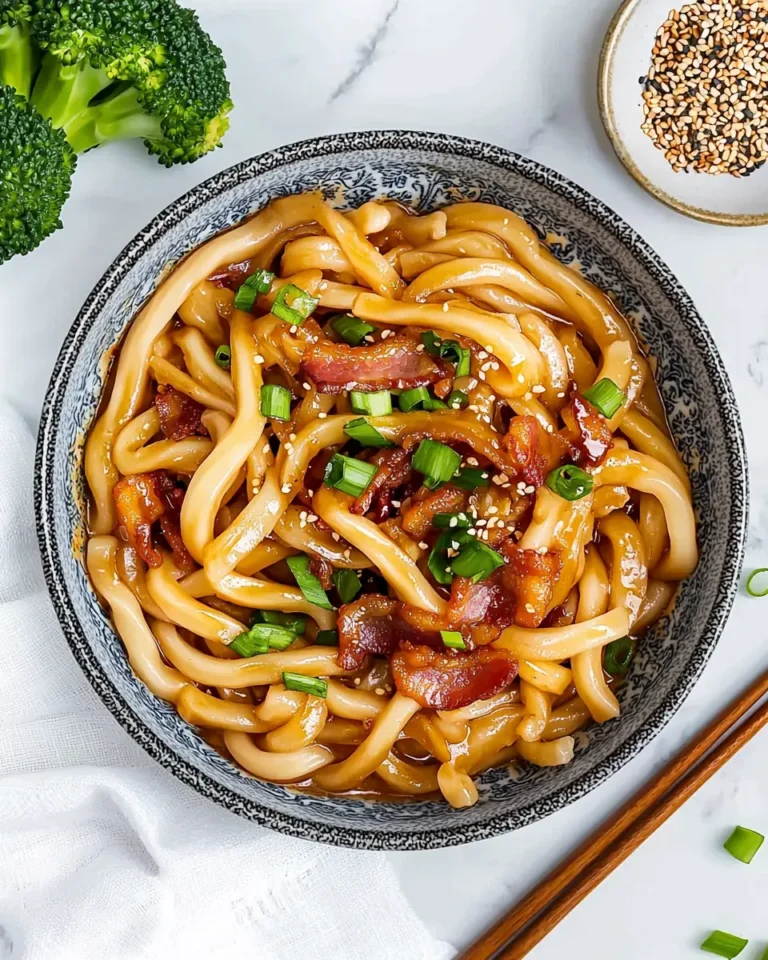
We’re talking tender bok choy, sweet carrots, fragrant garlic, and thick udon noodles all glossed in a sauce that’s equal parts sweet, savory, and just spicy enough to keep you coming back for more. The gochujang (Korean chili paste) brings complex umami depth, while mirin and honey balance everything with a subtle sweetness that makes these delicious noodles completely crave-worthy.
I first made these on a Tuesday night when my fridge was looking sad and my energy was even sadder. Turns out, this is the kind of recipe that makes you feel like a kitchen genius with minimal effort. Now it’s on repeat in my house — especially when I need something that looks impressive but doesn’t require me to adult too hard.
What This Recipe Delivers
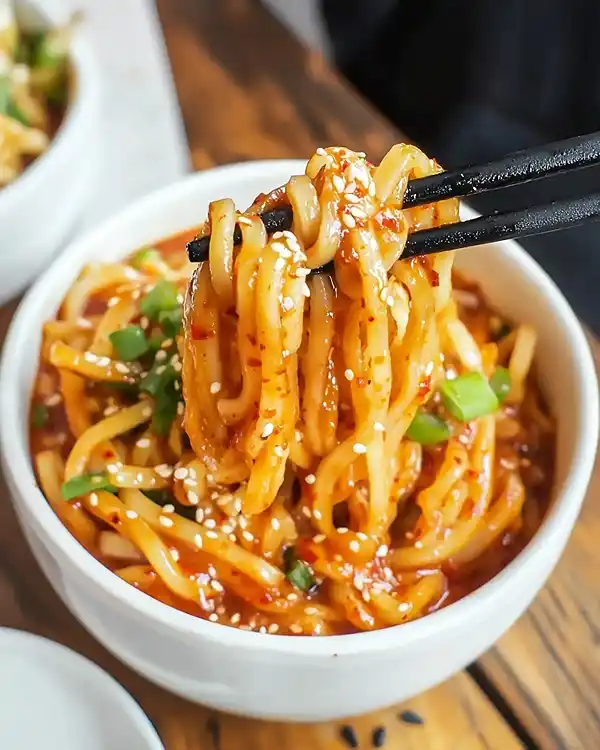
These delicious Korean noodles deliver restaurant-quality flavor in just 20 minutes using chewy udon noodles, a glossy gochujang-based sauce, and crisp vegetables for the perfect balance of sweet, spicy, and savory. It’s a one-pan wonder that’s endlessly adaptable, kid-friendly (adjust the heat!), and satisfying enough to stand alone as a complete meal.
Why You’ll Love This Recipe 🌸
- These delicious Korean noodles come together faster than your kids can ask “what’s for dinner?” — we’re talking 20 minutes, max.
- The gochujang brings just enough heat to keep things interesting without sending anyone running for milk (totally customizable, promise).
- One pan, minimal cleanup, and ingredients you can actually pronounce — it’s basically a weeknight miracle.
- According to Bon Appétit’s guide to cooking with gochujang, this Korean chili paste is the secret weapon for adding depth and umami to quick meals — and this recipe proves exactly why.
Quick Facts ⚡
Here’s the quick scoop on this delicious Korean noodles recipe.
- CourseMain Dish
- Prep Time10 minutes
- Cook Time10 minutes
- Total Time20 minutes
- Servings4 servings
- DifficultyEasy
Table of Contents
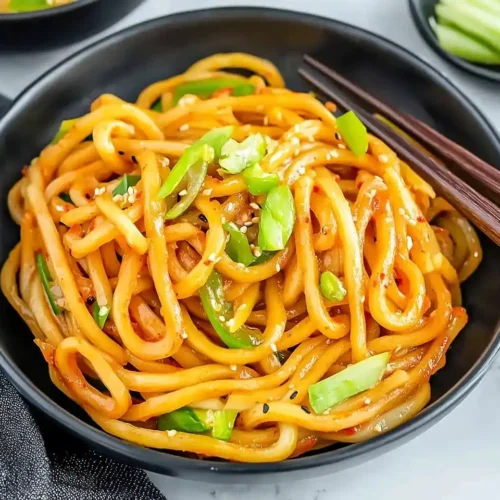
Delicious Korean Noodles
Equipment
- Large pot
- Non-stick skillet or wok
- Whisk
- Cutting board
- Sharp knife
- Measuring spoons
- Tongs
- Colander
Ingredients
Main Ingredients
- 1 pound udon noodles cooked according to package instructions
- 2 tablespoons oil vegetable or neutral
- 4 green onions chopped
- 3 cloves garlic minced
- 1 small carrot thinly sliced
- 2 cups baby bok choy
Korean Noodle Sauce
- 2 tablespoons soy sauce regular or low-sodium
- 2 tablespoons mirin
- 1 tablespoon honey or maple syrup
- 2 tablespoons gochujang Korean chili paste
- 1 teaspoon sesame oil toasted
Instructions
- Whisk together soy sauce, mirin, honey, gochujang, and sesame oil until smooth and set aside.
- Heat oil in a skillet or wok over medium heat. Add green onions and garlic, cooking until fragrant. Add carrots and bok choy and cook until tender-crisp.
- Add cooked udon noodles and the prepared sauce. Toss until evenly coated and heated through.
Notes
Nutritional Peek
Here’s what you’re looking at per serving (because knowledge is power, and also helpful for meal planning):
| Nutrient | Amount per Serving |
|---|---|
| Calories | 385 kcal |
| Protein | 10g |
| Carbohydrates | 68g |
| Fat | 8g |
| Fiber | 3g |
| Sugar | 9g |
Ingredients
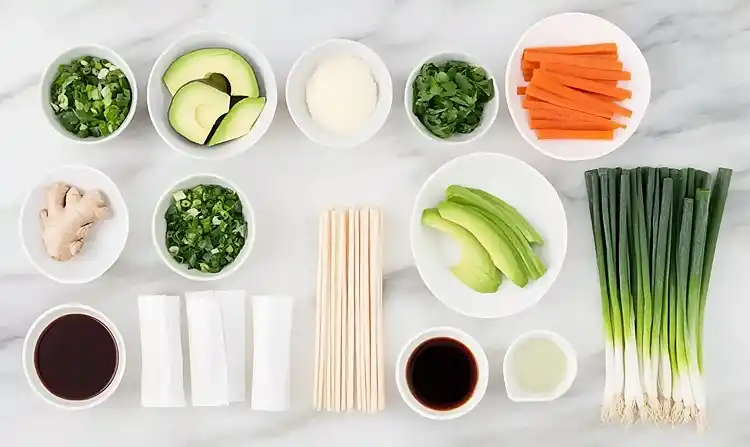
This noodle Korean recipe relies on a short list of pantry-friendly ingredients that pack serious flavor. For the sauce base — soy sauce, mirin, honey, gochujang, and sesame oil — you’ll want to whisk everything together first so the flavors meld beautifully. For the vegetable stir-fry — green onions, garlic, carrots, and baby bok choy — fresh is best, but honestly, whatever’s lurking in your crisper drawer will work just fine.
| Amount | Ingredient |
|---|---|
| 1 pound | udon noodles, cooked according to package instructions |
| 2 tablespoons | oil (vegetable or neutral oil) |
| 4 | green onions, chopped |
| 3 cloves | garlic, minced (yes, fresh — it matters here) |
| 1 small | carrot, thinly sliced |
| 2 cups | baby bok choy |
For the Korean Noodle Sauce
| Amount | Ingredient |
|---|---|
| 2 tablespoons | soy sauce (regular or low-sodium) |
| 2 tablespoons | mirin (rice wine — not the same as rice vinegar, trust me) |
| 1 tablespoon | honey (or maple syrup if you’re plant-based) |
| 2 tablespoons | gochujang (Korean chili paste — find it in the international aisle) |
| 1 teaspoon | sesame oil (toasted, if you can find it) |
This is just one of the many gems in our Asian Noodles & Stir Fries series. Every recipe there has been tested and loved in real kitchens, and I promise there’s something for every craving. Go see for yourself.
Tools You’ll Actually Use
- Large pot for cooking noodles
- Non-stick skillet or wok (12-inch works perfectly)
- Whisk or fork for mixing sauce
- Sharp knife and cutting board
- Measuring spoons
- Tongs or wooden spoon for tossing
- Colander for draining noodles
Step-by-Step Instructions
Making these delicious Korean noodles is ridiculously simple — we’re talking three main steps and minimal dishes.
Step 1: Make the Sauce
Whisk together the soy sauce, mirin, honey, gochujang, and sesame oil in a small bowl until everything’s smooth and combined. Set it aside while you prep the veggies. The gochujang can be a little thick, so really work it in there until you’ve got a glossy, deep red sauce that looks like liquid gold.
Step 2: Cook the Aromatics and Veggies
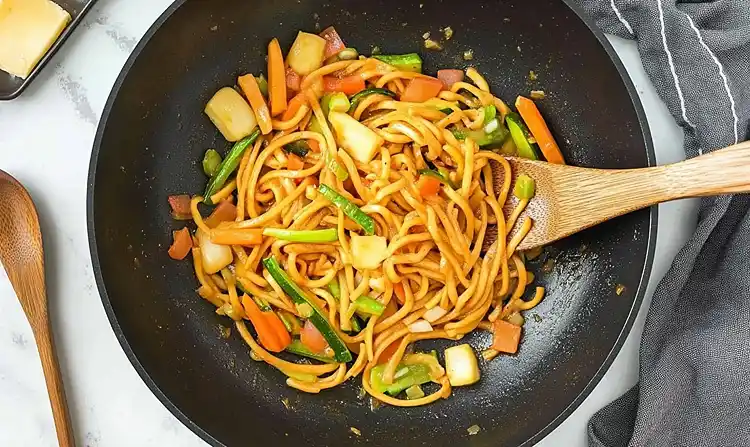
Heat your oil in a non-stick skillet or wok over medium heat until it shimmers. Add the chopped green onions and minced garlic, stirring constantly for about 30 seconds until they’re fragrant and your kitchen smells like heaven. Toss in the thinly sliced carrots and baby bok choy, cooking for 3-4 minutes until the bok choy wilts and the carrots soften slightly but still have a bit of crunch.
Step 3: Bring It All Together
Add your cooked udon noodles to the skillet along with that gorgeous sauce you made earlier. Use tongs to toss everything together, making sure every noodle gets coated in that sweet-spicy goodness. Cook for another 1-2 minutes, stirring occasionally, until the noodles are heated through and the sauce clings to everything like a delicious glaze. Remove from heat and serve immediately while it’s steamy and perfect.
Claire’s Pro Tips & Gentle Guidance
Here’s where I share all the little tricks that took me a few tries (and one slightly gummy batch) to figure out.
Cook your noodles al dente. Seriously — they’ll continue cooking in the sauce, so undercook them by about a minute. Nobody wants mushy noodles, and overcooked udon loses that beautiful chewy texture that makes this dish so satisfying.
Prep everything before you start cooking. This is a fast-moving recipe, and once that wok heats up, you don’t want to be frantically mincing garlic while your onions burn. According to Serious Eats’ comprehensive stir-fry techniques guide, having your mise en place ready is the secret to restaurant-quality results at home.
Adjust the gochujang to your spice tolerance. Start with 1 tablespoon if you’re heat-sensitive (or feeding little ones), or bump it up to 3 tablespoons if you like things fiery. The honey helps balance the heat, so you can always add a touch more sweetness if you’ve gone overboard.
Don’t skip the sesame oil. I know it seems like a tiny amount, but that teaspoon adds a nutty, toasted flavor that ties everything together. It’s the difference between “pretty good” and “I need this recipe immediately.”
Quick Fixes for Delicious Korean Noodles
Problem: Sauce is too thick or clumpy
Solution: Add a tablespoon of water or the pasta cooking liquid to thin it out. The starchy pasta water actually helps the sauce cling better to the noodles, so it’s a win-win.
Problem: Noodles are sticking together
Solution: Toss them with a tiny drizzle of oil right after draining, and make sure your pan is hot enough when you add them. Cold noodles in a lukewarm pan = clump city.
Problem: Veggies are mushy
Solution: Cut them thinner next time and cook over higher heat for less time. You want a quick sear, not a slow steam. High heat = crisp veggies with a bit of char.
Problem: Not enough sauce
Solution: Double the sauce ingredients! The noodles absorb a lot as they sit, so if you’re meal-prepping or love extra sauciness (same), make extra and toss it on right before serving.
Variations & Fun Twists
This noodle Korean base is incredibly versatile, so feel free to make it your own.
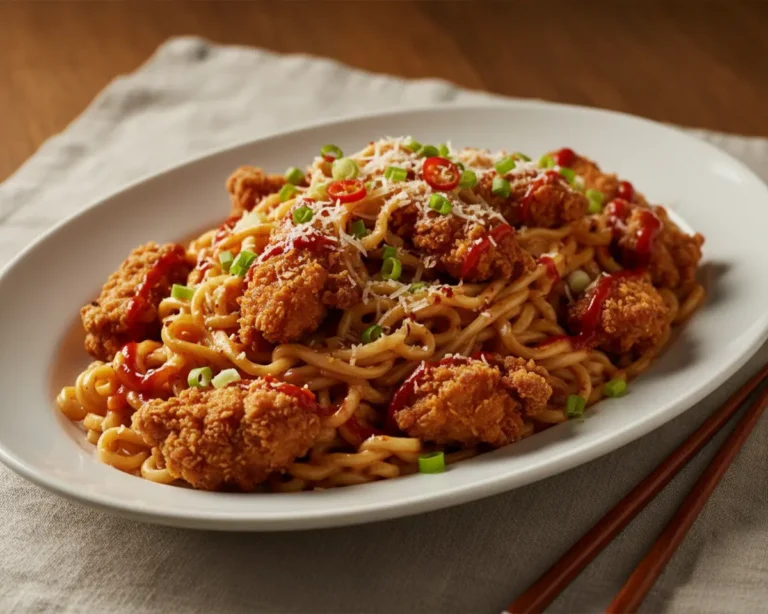
Protein Power: Add sliced chicken, shrimp, tofu, or thinly sliced beef. Cook the protein first, set it aside, then toss it back in at the end. My favorite is crispy pan-fried tofu — it soaks up the sauce like a dream.
Veggie Swaps: Use whatever vegetables you have! Snap peas, bell peppers, mushrooms, broccoli, or spinach all work beautifully. Just adjust cooking times based on what needs more or less heat.
Noodle Options: Can’t find udon? Try ramen noodles (minus the seasoning packet), soba noodles, or even spaghetti in a pinch. The sauce works with just about any long noodle situation.
Make It Vegan: Swap honey for maple syrup or agave, and you’re golden. Everything else is already plant-based!
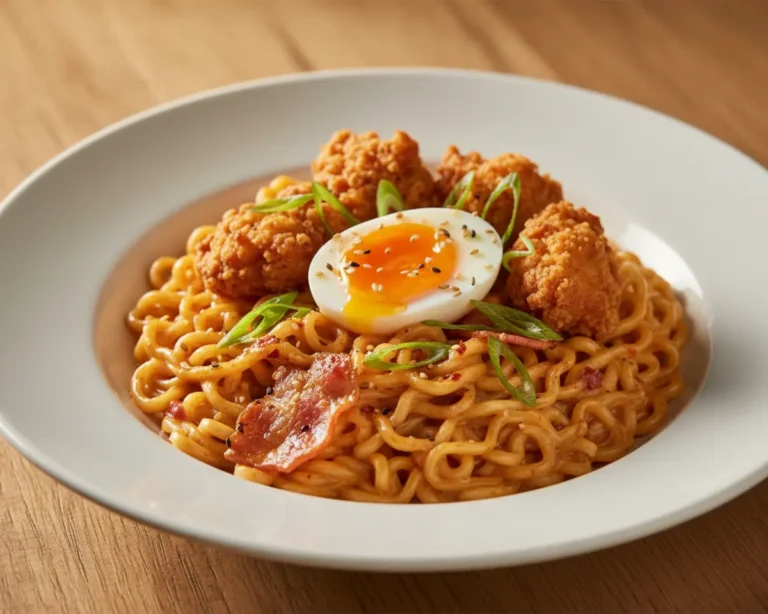
Garnish Game: Top with toasted sesame seeds, extra green onions, a soft-boiled egg, kimchi, or a squeeze of lime. These delicious noodles love a little extra something on top.
Serving, Storage & Reheating
Serve these delicious Korean noodles straight from the pan while they’re hot and glossy. I love pairing them with a simple cucumber salad, some kimchi on the side, or just eating them straight from the bowl while standing at the counter (no judgment here).
Leftovers can be stored in an airtight container in the refrigerator for up to three days. The noodles will absorb more sauce as they sit, so they might seem a little drier — just add a splash of water or soy sauce when reheating.
To reheat, warm them in a skillet over medium heat with a tablespoon of water, stirring occasionally until heated through. You can also microwave them in 30-second intervals, stirring between each, but the stovetop method gives you better texture. If you froze them, let them thaw in the fridge overnight first, then reheat as usual.
No-Waste Kitchen Magic
Leftover Noodles? Chop them up and turn them into a frittata or egg scramble. The gochujang sauce adds incredible flavor to breakfast eggs.
Extra Sauce? Store it separately and use it as a marinade for chicken, a glaze for roasted vegetables, or a dipping sauce for dumplings. It keeps for a week in the fridge.
Wilting Bok Choy? Toss it into soup, add it to fried rice, or blend it into a green smoothie (trust me, you won’t taste it). No veggie left behind!
Day-Old Noodles? Pan-fry them with a little oil until crispy on the edges for Korean-style “crispy noodle pancakes.” Top with a fried egg and you’ve got a whole new meal.
Delicious Korean Noodles FAQs
What are spicy Korean noodles called?
The most famous spicy Korean noodles are called “buldak bokkeum myeon” or fire chicken noodles — they’re instant ramen noodles with an intensely spicy sauce. This recipe is inspired by that flavor profile but way more customizable and made with fresh ingredients instead of a packet.
Which Korean ramen is most spicy?
Samyang’s 2x Spicy Hot Chicken Ramen (also called “Buldak 2x Spicy”) holds the crown for heat. It’s not for the faint of heart — we’re talking serious burn. This homemade version gives you all the flavor with way more control over the spice level.
Why was Buldak banned?
Some Buldak ramen varieties were recalled in certain countries (like Denmark in 2024) due to concerns about extremely high capsaicin levels that could pose health risks, especially for children. The bans were temporary and product-specific, not a blanket ban on all spicy noodles.
Is Buldak halal or haram?
It depends on the specific product. Some Samyang Buldak varieties are certified halal and marked with halal certification on the packaging, while others may contain non-halal ingredients. Always check the packaging for halal certification if that’s important to you.
What’s the best way to store Korean noodles?
Store cooked ramen food in an airtight container in the fridge for up to three days. Keep the sauce separate if you can — it helps prevent the noodles from getting too soggy. Reheat gently with a splash of water to revive the texture.
Cozy Closing
And there you have it — delicious Korean noodles that prove you don’t need takeout menus or hours in the kitchen to eat really, really well. This recipe has become one of my weeknight heroes, and I hope it does the same for you.
I’d love to see your spin on these delicious Korean noodles! Drop a comment below with your variations or snap a photo and tag me — I’m always inspired by how you make recipes your own. Whether you went extra spicy, loaded up on veggies, or discovered a fun new twist, I want to hear all about it!
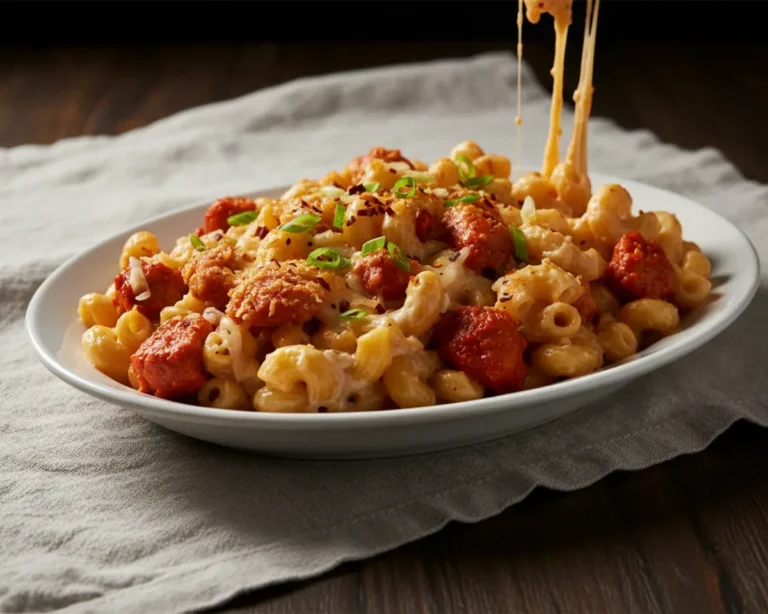
And hey, if you loved this recipe, you might also want to check out my cavatappi noodles for another pasta night win, or dive into something completely different with this tartiflette recipe that’s pure comfort food magic. For dessert after your noodle feast, my cinnamon roll cookies or toffee chex mix are always crowd-pleasers. And if you’re meal-prepping for the week, don’t sleep on this high protein chocolate chia seed pudding for easy breakfasts.
Happy cooking, friends!
I’m Claire Whitmore — a dessert daydreamer from Asheville, NC. For me, baking isn’t about perfect pastries — it’s about the joy of sharing something sweet (and maybe sneaking an extra scoop of icing). But lately, I’ve been channeling that same love into savory dishes that bring comfort and connection to the table, one bowl of noodles at a time.