Bailey’s Irish Cream Cookies
Bailey’s Irish Cream Cookies are soft, chocolate-kissed treats with a boozy glaze that practically melt on your tongue. Hey there, I’m Claire Whitmore — a pastry whisperer in Asheville, NC, where butter totally counts as self-care.
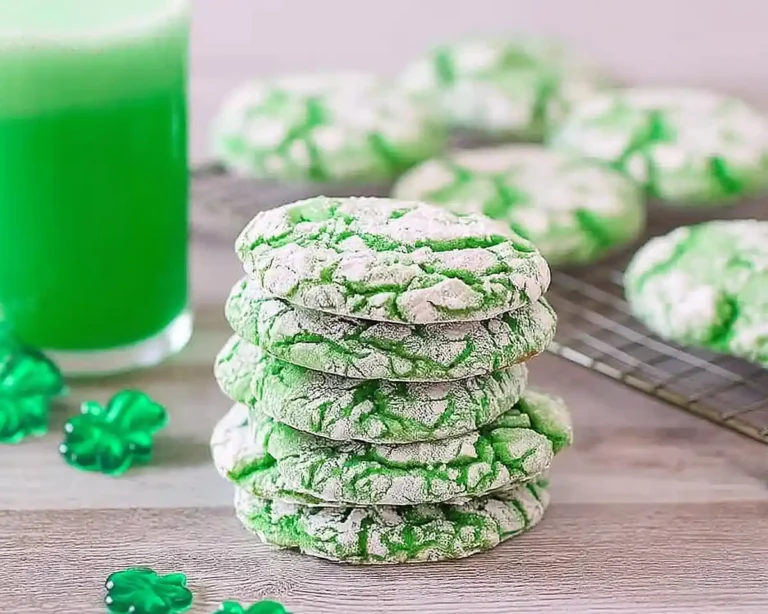
These cookies combine rich cocoa, a hint of espresso, and a generous splash of Irish cream for dessert that feels like a cozy hug in cookie form. They’re perfect for St. Patrick’s Day celebrations, spring gatherings, or honestly any Tuesday that needs a little sparkle.
This recipe delivers crowd-pleasing flavor with simple pantry staples, quick 10-minute bake time, and a silky Bailey’s glaze that sets these apart from your average chocolate cookie. You’ll get 24 soft, café-style cookies that look bakery-fancy but come together faster than you can say “top o’ the morning.”
Table of Contents
Little Snapshot: What This Recipe Delivers
Bailey’s Irish Cream Cookies are soft chocolate cookies infused with Irish cream liqueur and topped with a sweet Bailey’s glaze. They take just 10 minutes to bake, use common ingredients you probably have on hand, and deliver bakery-quality results without any fussy techniques or specialty equipment.
Why You’ll Love This Recipe 🌸
- These Bailey’s Irish Cream Cookies look totally fancy but take less time than scrolling through your phone before bed.
- The soft, fudgy texture means no crispy edges or crumbly disasters — just melt-in-your-mouth perfection every single time.
- They’re secretly versatile: swap the Bailey’s for coffee creamer and you’ve got a family-friendly version the kids can devour.
- According to King Arthur Baking’s guide to baking with alcohol, liqueurs add moisture and complex flavor without making baked goods taste boozy — and these cookies prove exactly why.
Quick Facts ⚡
Here’s the quick scoop on these Bailey’s Irish Cream Cookies.
- CourseDessert
- Prep Time15 minutes
- Cook Time10 minutes
- Total Time25 minutes
- Servings24 cookies
- DifficultyEasy
Nutritional Peek
Here’s a quick look at what you’re working with per cookie. I’m all about balance — enjoy these without guilt, especially when you’ve had one of those days.
| Nutrient | Amount per Serving |
|---|---|
| Calories | 145 kcal |
| Protein | 2 g |
| Carbohydrates | 21 g |
| Fat | 6 g |
| Fiber | 1 g |
| Sugar | 13 g |
Ingredients
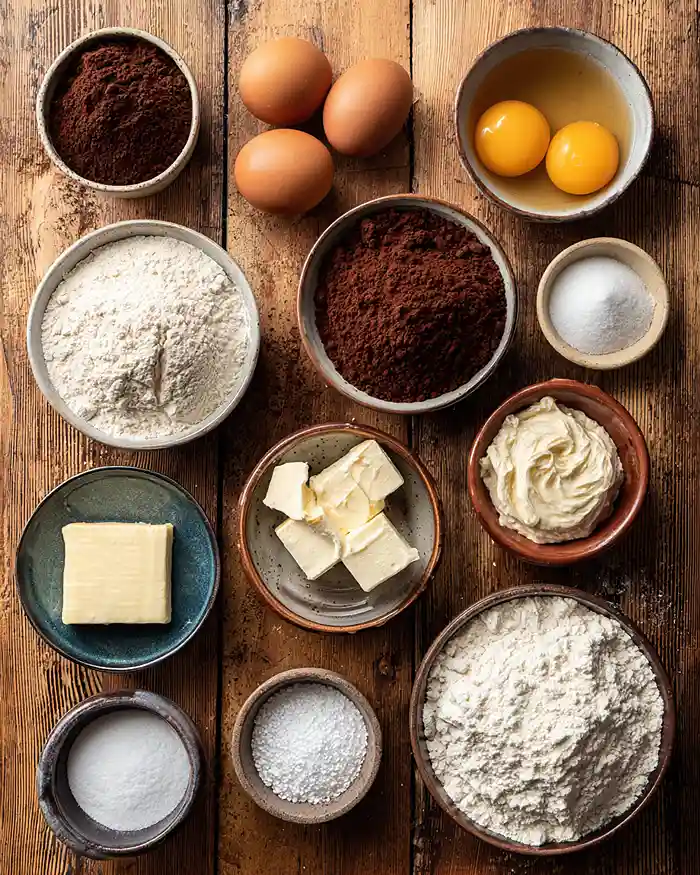
These St. Patrick’s baking ideas start with ingredients you probably already have tucked in your pantry. No specialty store runs required, I promise.
For the cookie base, you’ll want unsalted butter, both granulated and brown sugar, and room-temperature eggs to create that perfectly soft, bakery-style texture.
The dry mix brings together all-purpose flour, unsweetened cocoa powder, espresso powder, baking soda, and salt for structure and deep chocolate flavor. The Bailey’s Irish cream is your secret weapon here — it adds moisture and that signature grown-up taste that makes these cookies special.
| Amount | Ingredient |
|---|---|
| 2 ½ cups (312 g) | all-purpose flour |
| ½ cup (48 g) | unsweetened cocoa powder |
| 1 teaspoon | espresso powder (or instant coffee) |
| 1 teaspoon | baking soda |
| ½ teaspoon | salt |
| ¾ cup | unsalted butter, room temperature (yes, real butter — margarine just doesn’t cut it here) |
| ¾ cup (150 g) | granulated sugar |
| ½ cup (100 g) | light brown sugar |
| 2 large | eggs, room temperature |
| ¼ cup (60 ml) | Bailey’s Irish cream |
For the Icing:
| Amount | Ingredient |
|---|---|
| 1 cup (120 g) | confectioners’ sugar, sifted |
| 2 Tablespoons | Bailey’s Irish cream |
Tools You’ll Actually Use
- Baking sheet
- Parchment paper
- Medium mixing bowl
- Large mixing bowl (or stand mixer)
- Whisk
- Hand mixer or stand mixer
- Measuring cups and spoons
- Cookie scoop or tablespoon
- Cooling rack
- Small bowl (for icing)
This recipe is just the start of something delicious. Browse the entire Cookies & Brownies collection and discover all the ways you can bring more flavor to your table. Your family will thank you.
Step-by-Step Instructions
Making Bailey’s Irish Cream Cookies is easier than you’d think. Just follow along and you’ll have warm, chocolate-y goodness in no time.
Step 1: Preheat your oven to 350°F and line a baking sheet with parchment paper. This prevents sticking and makes cleanup so much easier later.
Step 2: In a medium bowl, whisk together the 2 ½ cups all-purpose flour, ½ cup unsweetened cocoa powder, 1 teaspoon espresso powder, 1 teaspoon baking soda, and ½ teaspoon salt until evenly combined. Set this dry mixture aside while you work on the wet ingredients.
Step 3: In a large bowl using a stand mixer or hand mixer, beat ¾ cup room-temperature unsalted butter, ¾ cup granulated sugar, and ½ cup light brown sugar on high speed until the mixture is light, fluffy, and almost cloud-like — this should take about 2 to 3 minutes.
Add 2 room-temperature eggs and beat until fully incorporated, about 30 seconds, then pour in ¼ cup Bailey’s Irish cream and mix until combined, another 30 seconds.
Step 4: With the mixer on low speed, slowly add the flour mixture to the wet ingredients in two or three additions. Mix just until the dough comes together and no flour streaks remain — overmixing can make your cookies tough instead of tender.
Step 5: Scoop about a tablespoon of dough and roll it into a ball between your palms. Place each ball on the prepared baking sheet about 2 inches apart to allow for spreading. Repeat with the remaining dough.
Step 6: Bake for 10 minutes or until the edges are set and the tops still look slightly soft. The cookies will continue to firm up as they cool, so don’t overbake or you’ll lose that fudgy texture. Let them cool on the baking sheet for 5 minutes, then transfer to a cooling rack to cool completely before icing.
Step 7: To make the icing, whisk together 1 cup sifted confectioners’ sugar and 2 tablespoons Bailey’s Irish cream in a small bowl until smooth and glossy.
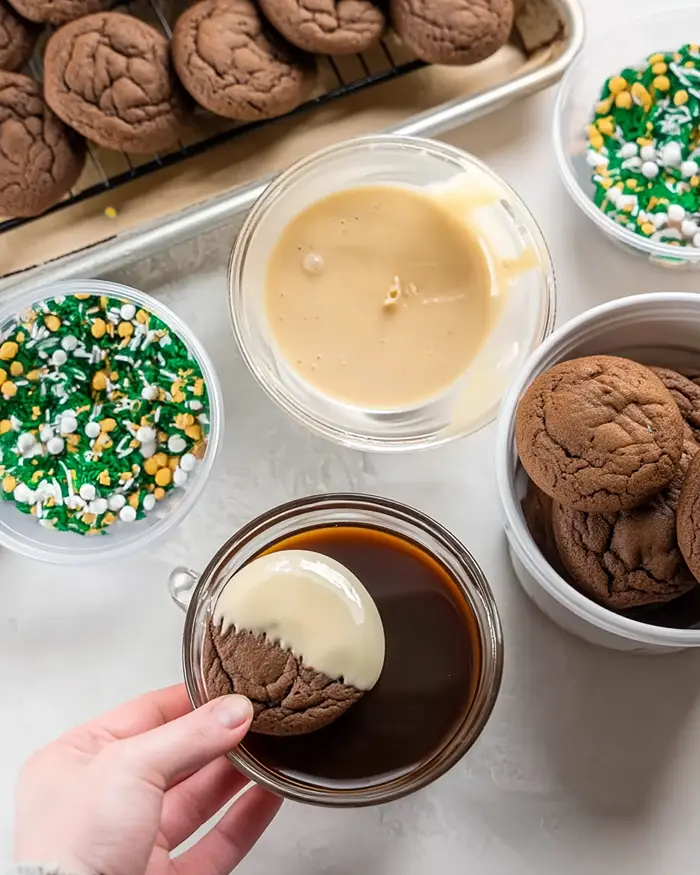
If it’s too thick, add a tiny splash more Irish cream; if it’s too thin, add a bit more sugar. Dip half of each cooled cookie into the icing, let any excess drip off, and immediately top with festive sprinkles if you’re feeling fancy.
Claire’s Pro Tips & Gentle Guidance
These St. Patrick’s Day desserts are pretty forgiving, but a few little tricks will take them from good to absolutely stellar.
Room temperature matters more than you’d think. Cold butter won’t cream properly with the sugar, and cold eggs can make your dough seize up. Let everything sit on the counter for about 30 minutes before you start baking — your future self will thank you.
Don’t skip the espresso powder if you have it. It doesn’t make the cookies taste like coffee; instead, it deepens the chocolate flavor and makes everything taste richer and more complex. According to Serious Eats’ expert baking guidance, coffee enhances chocolate’s natural complexity without overpowering it.
Sift your confectioners’ sugar before making the icing. I used to skip this step and ended up with lumpy glaze that looked more rustic than refined. A quick sift takes 10 seconds and makes all the difference.
If you’re making these for a party, you can prepare the dough up to 48 hours ahead and keep it chilled in the fridge. Just scoop and bake when you’re ready — no thawing needed, though they might need an extra minute in the oven.
Quick Fixes for Bailey’s Irish Cream Cookies
Cookies spread too much and turned out flat: Your butter was probably too warm or you didn’t chill the dough enough. Next time, make sure your butter is softened but still cool to the touch, and if your kitchen is warm, pop the shaped dough balls in the fridge for 15 minutes before baking.
Cookies turned out cakey instead of fudgy: You might have overmixed the dough after adding the flour, which develops too much gluten. Mix just until you don’t see any flour streaks, then stop — it’s okay if the dough looks a little rough.
Icing is too runny and won’t set: Add more confectioners’ sugar a tablespoon at a time until it thickens to a honey-like consistency. The icing should slowly drip off the whisk but still coat the back of a spoon.
Cookies came out dry or overbaked: They probably spent a minute or two too long in the oven. Remember, they’ll look slightly underdone when you pull them out, with soft centers and just-set edges. They firm up as they cool on the baking sheet.
Variations & Fun Twists
These Irish food recipes for St. Patty’s are endlessly customizable once you nail the base recipe.
For a family-friendly version, swap the Bailey’s Irish cream for Bailey’s coffee creamer (yes, they make a non-alcoholic version) or just use strong brewed coffee with a splash of vanilla extract. You’ll still get that rich, creamy flavor without any alcohol.
Make them extra decadent by pressing a few chocolate chips or chopped dark chocolate into the tops right after they come out of the oven. The residual heat will melt them slightly for pockets of gooey chocolate throughout.
For a mint twist perfect for St. Patrick’s Day, add ½ teaspoon of peppermint extract to the dough and use green sprinkles on top. You can even tint the icing with a drop of green food coloring if you’re feeling festive.
Try a salted caramel version by drizzling cooled cookies with caramel sauce and finishing with flaky sea salt instead of the Bailey’s icing. It’s a totally different vibe but equally delicious.
Serving, Storage & Reheating
St. Patrick’s baking ideas like these are perfect for sharing — or hoarding, no judgment here.
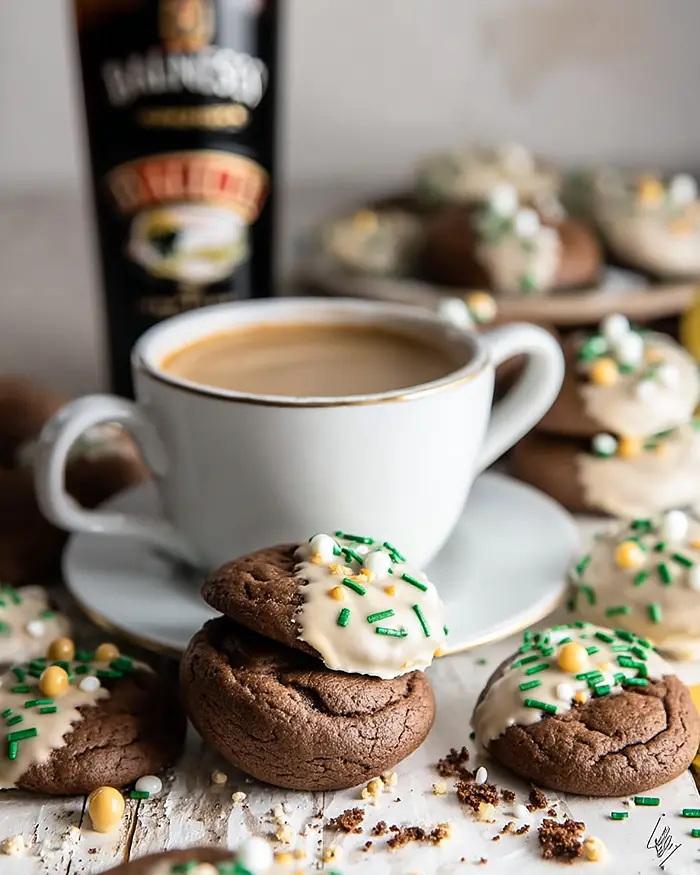
Serve these cookies with a hot cup of coffee, a cherry pie mocktail for a festive pairing, or even crumbled over vanilla ice cream for an Irish cream sundae situation. They’re rich enough to feel special but not so sweet that you can’t have two (or three).
Store your cookies in an airtight container at room temperature for up to 5 days. Layer them between sheets of parchment paper if you’re stacking them so the icing doesn’t stick together.
If you want to freeze them, skip the icing and freeze the baked cookies in a freezer-safe container for up to 3 months. Thaw at room temperature, then add the Bailey’s glaze right before serving. You can also freeze the raw dough balls for up to 3 months — just bake from frozen at 325°F for 12 to 14 minutes.
No-Waste Kitchen Magic
Got leftover cookies or dough? Here’s how to use every last bit without any guilt.
Crumble any broken or day-old cookies into a parfait glass and layer with whipped cream and fresh berries for an Irish cream trifle that looks way fancier than it actually is. It’s one of my favorite ways to use cookies that lost their presentation appeal.
Extra icing can be stored in the fridge for up to a week. Use it as a drizzle for pound cake, a dip for graham crackers, or stirred into your morning coffee for a sweet Bailey’s latte vibe.
If you have leftover cookie dough, roll it into balls and freeze them on a baking sheet before transferring to a freezer bag. You’ll have ready-to-bake cookies whenever a craving hits, and they bake up just as perfectly as fresh dough.
Stale cookies make incredible ice cream sandwiches. Let your ice cream soften slightly, sandwich it between two cookies, and roll the edges in mini chocolate chips or sprinkles. Freeze until firm and thank me later.
FAQs
Can I freeze Bailey’s Irish Cream Cookies after baking?
Absolutely! Freeze the baked cookies without icing in an airtight container for up to 3 months. When you’re ready to serve them, let them thaw at room temperature for about an hour, then add the Bailey’s glaze fresh.
What’s the best way to store these cookies so they stay soft?
Store them in an airtight container at room temperature with a slice of bread. I know it sounds weird, but the bread releases moisture that keeps the cookies from drying out. Replace the bread slice every couple of days.
How do I know when Bailey’s Irish Cream Cookies are done baking?
The edges should look set and slightly firm, but the centers will still appear soft and almost underbaked. They’ll continue to cook on the hot baking sheet after you remove them from the oven, so pulling them at this stage gives you that perfect fudgy texture.
Why should I use espresso powder in Bailey’s Irish Cream Cookies?
Espresso powder enhances chocolate’s natural depth without making your cookies taste like coffee. It brings out richer, more complex cocoa notes that make these cookies taste professionally made.
Cozy Closing
I’d love to see your spin on these Bailey’s Irish Cream Cookies! Drop a comment below with your photos or tag me on social — I’d love to see how you made them your own. These Bailey’s Irish Cream Cookies are so versatile; I bet you’ve got amazing variations already in mind. Whether you’re baking for St.
Patrick’s Day or just because it’s Tuesday and you deserve something sweet, these cookies are guaranteed to make your kitchen smell like a cozy Irish café.
Feeling inspired? Try pairing these with my Texas caviar recipe for a sweet-and-savory party spread, or sip on some matcha bubble tea with brown sugar while the cookies cool. Happy baking, friend!
I’m Claire Whitmore — a dessert daydreamer from Asheville, NC. For me, baking isn’t about perfect pastries — it’s about the joy of sharing something sweet (and maybe sneaking an extra cookie when no one’s looking). Life’s too short for mediocre desserts, so let’s make every bite count.
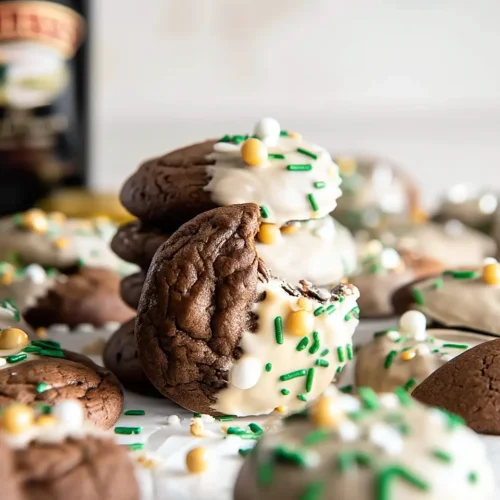
Bailey’s Irish Cream Cookies
Equipment
- Baking sheet
- Parchment paper
- Medium mixing bowl
- Large mixing bowl
- Whisk
- Hand mixer or stand mixer
- Measuring cups and spoons
- Cookie scoop or tablespoon
- cooling rack
- Small bowl
Ingredients
Cookie Dough
- 2 ½ cups all-purpose flour 312 g
- ½ cup unsweetened cocoa powder 48 g
- 1 teaspoon espresso powder or instant coffee
- 1 teaspoon baking soda
- ½ teaspoon salt
- ¾ cup unsalted butter room temperature
- ¾ cup granulated sugar 150 g
- ½ cup light brown sugar 100 g
- 2 large eggs room temperature
- ¼ cup Bailey’s Irish cream 60 ml
Icing
- 1 cup confectioners’ sugar 120 g, sifted
- 2 Tablespoons Bailey’s Irish cream
Instructions
- Preheat your oven to 350°F and line a baking sheet with parchment paper. This prevents sticking and makes cleanup so much easier later.
- In a medium bowl, whisk together the 2 ½ cups all-purpose flour, ½ cup unsweetened cocoa powder, 1 teaspoon espresso powder, 1 teaspoon baking soda, and ½ teaspoon salt until evenly combined. Set this dry mixture aside while you work on the wet ingredients.
- In a large bowl using a stand mixer or hand mixer, beat ¾ cup room-temperature unsalted butter, ¾ cup granulated sugar, and ½ cup light brown sugar on high speed until the mixture is light, fluffy, and almost cloud-like — this should take about 2 to 3 minutes. Add 2 room-temperature eggs and beat until fully incorporated, about 30 seconds, then pour in ¼ cup Bailey’s Irish cream and mix until combined, another 30 seconds.
- With the mixer on low speed, slowly add the flour mixture to the wet ingredients in two or three additions. Mix just until the dough comes together and no flour streaks remain — overmixing can make your cookies tough instead of tender.
- Scoop about a tablespoon of dough and roll it into a ball between your palms. Place each ball on the prepared baking sheet about 2 inches apart to allow for spreading. Repeat with the remaining dough.
- Bake for 10 minutes or until the edges are set and the tops still look slightly soft. The cookies will continue to firm up as they cool, so don’t overbake or you’ll lose that fudgy texture. Let them cool on the baking sheet for 5 minutes, then transfer to a cooling rack to cool completely before icing.
- To make the icing, whisk together 1 cup sifted confectioners’ sugar and 2 tablespoons Bailey’s Irish cream in a small bowl until smooth and glossy. If it’s too thick, add a tiny splash more Irish cream; if it’s too thin, add a bit more sugar. Dip half of each cooled cookie into the icing, let any excess drip off, and immediately top with festive sprinkles if you’re feeling fancy.