
Quercetin Natural Antihistamine Onion Soup
This Quercetin Natural Antihistamine Onion Soup is a gentle, flavorful remedy for seasonal allergies, crafted with caramelized yellow onions and vegetable broth rich in quercetin — a natural compound known for its antihistamine properties. Perfect for allergy season or any time you crave soothing, anti-inflammatory comfort in a bowl.
I’m Linda Sandra, and this quercetin natural antihistamine onion soup has become my quiet kitchen ritual every spring when Charleston pollen turns the sky hazy and everyone’s sniffling. There’s something almost poetic about the way slowly caramelized onions — golden, sweet, and deeply savory — can transform into a bowl that soothes both body and soul.
I started making this soup a few springs ago when my youngest came home from school with itchy eyes and a stuffy nose almost daily. Instead of reaching for over-the-counter meds right away, I wanted to try a food-first approach — something warm, nourishing, and backed by tradition and science alike.
Table of Contents
Quick Overview
Little Snapshot: What This Recipe Delivers
This quercetin natural antihistamine onion soup combines caramelized yellow onions with vegetable broth and fresh herbs to create a natural allergy-relief food. It’s anti-inflammatory, easy to make, and perfect for seasonal allergy support or cozy weeknight comfort.
Why You’ll Love This Recipe 🌸
- This natural antihistamine recipe takes less than 90 minutes and requires just a handful of pantry staples.
- Caramelizing onions slowly unlocks their natural quercetin content — perfect for busy moms looking for gentle, food-based allergy relief.
- It’s cozy, healing, and doubles as a delicious soup base you can customize endlessly.
- According to National Center for Biotechnology Information, quercetin has strong antihistamine and anti-inflammatory effects — and this recipe proves exactly why.
Quick Facts ⚡
Here’s the quick scoop on this quercetin natural antihistamine onion soup.
- CourseMain Dish
- Prep Time15 minutes
- Cook Time75 minutes
- Total Time90 minutes
- Servings6 servings
- DifficultyEasy
Nutritional Peek
| Nutrient | Amount per serving |
|---|---|
| Calories | 110 kcal |
| Protein | 2 g |
| Carbohydrates | 16 g |
| Fat | 5 g |
| Fiber | 3 g |
| Sugar | 7 g |
What You’ll Need
You don’t need fancy kitchen tools to make this quercetin rich soup — just a few sturdy basics that help coax deep flavor from simple ingredients.
- Large pot or Dutch oven (5-quart or larger)
- Sharp chef’s knife
- Cutting board
- Wooden spoon or spatula
- Ladle
- Measuring cups and spoons
Ingredients
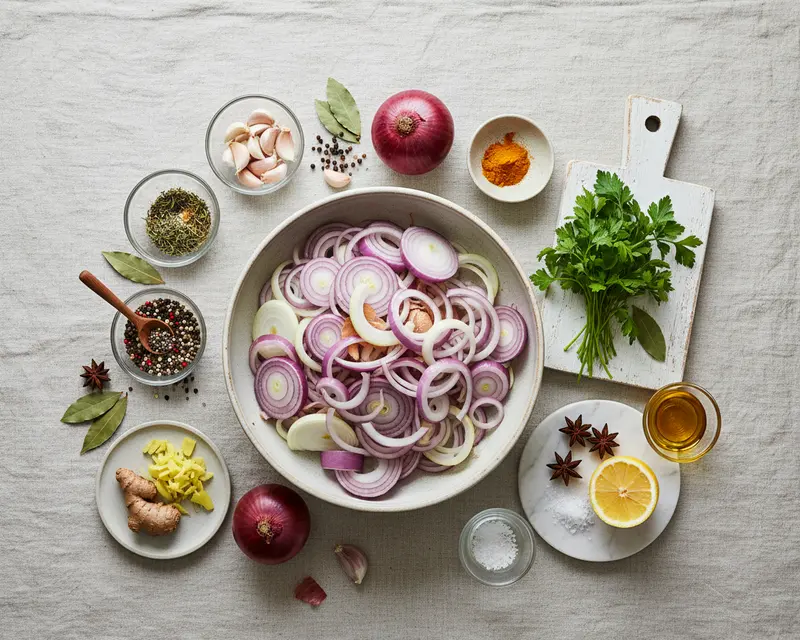
This natural antihistamine recipe relies on a short list of humble, quercetin-rich ingredients that come together beautifully. Yellow onions are the star here — packed with natural quercetin and flavor that deepens as they caramelize. Fresh herbs, good broth, and optional wine add layers of warmth and complexity.
| Group | Ingredient | Amount | Notes |
|---|---|---|---|
| Base | Yellow onions, thinly sliced | 6 large | The quercetin heroes |
| Base | Olive oil | 2 tablespoons | For slow caramelization |
| Seasoning | Sea salt | 1 teaspoon | Adjust to taste |
| Seasoning | Black pepper | 1/2 teaspoon | Freshly ground is best |
| Liquid | Vegetable broth | 6 cups | Low-sodium preferred |
| Liquid | Dry white wine or apple cider vinegar | 1/2 cup | Optional, for deglazing |
| Herbs | Bay leaf | 1 | Adds subtle earthiness |
| Herbs | Fresh thyme sprig | 1 | Or 1/2 teaspoon dried |
| Garnish | Fresh parsley, chopped | 1 tablespoon | Brightens each bowl |
| Optional | Quercetin supplement | As directed | Consult healthcare professional |
Step-by-Step Instructions
Let’s make this happen.

Quercetin natural antihistamine onion soup begins with patience — the kind that rewards you with deep, golden sweetness and layers of flavor that only slow cooking can coax from humble onions.
Step 1: Heat the oil. In a large pot or Dutch oven, warm the olive oil over medium-low heat until it shimmers gently. This is your canvas — keep the heat low and steady to avoid burning.
Step 2: Add the onions. Add the thinly sliced yellow onions, sea salt, and black pepper. Stir well to coat every slice in oil. The salt will help draw out moisture and speed up caramelization.
Step 3: Caramelize slowly. Cook the onions slowly, stirring every 5-7 minutes, for 30 to 40 minutes. They’ll shrink, soften, and turn a rich golden-brown. This step unlocks the quercetin and develops deep, sweet flavor — don’t rush it.
Step 4: Deglaze the pot. Pour in the white wine or apple cider vinegar, scraping up any caramelized bits stuck to the bottom of the pot with a wooden spoon. Let it simmer for 2-3 minutes until the liquid mostly evaporates and the onions glisten.
Step 5: Add broth and herbs. Pour in the vegetable broth, then add the bay leaf and fresh thyme sprig. Bring the soup to a gentle simmer, then reduce the heat to low, cover, and let it cook for at least 30 minutes so all the flavors meld beautifully.
Step 6: Remove aromatics. Fish out the bay leaf and thyme sprig before serving. Taste the soup and adjust the seasoning with more salt or pepper if needed — you want it just right.
Step 7: Serve and garnish. Ladle the warm soup into bowls and sprinkle with fresh chopped parsley. If you’re adding a quercetin supplement, stir it into each bowl just before serving, following package directions or your healthcare provider’s guidance.
Pro Tips & Gentle Guidance
This anti-inflammatory onion soup is forgiving and flexible, but a few thoughtful touches can take it from good to truly healing. Yellow onions are naturally rich in quercetin, especially in their outer layers, so don’t peel away too much of that papery skin — just the dry, flaky parts.
If your onions start to stick or brown too quickly, lower the heat and add a splash of water or broth. This keeps them from burning and gives you more time to develop that gorgeous golden color without any bitterness.
For a richer, creamier texture, blend half the soup with an immersion blender and leave the rest chunky. It adds body without any cream or flour — just pure caramelized onion goodness.
Fresh thyme and bay leaf are traditional here, but feel free to experiment with rosemary, oregano, or even a pinch of turmeric for extra anti-inflammatory power. Check out this comprehensive guide on quercetin’s health benefits to see why this simple soup is so powerful.
If you’re adding a quercetin supplement, stir it in just before serving — not during cooking — to preserve its potency. Heat can degrade some supplements, so gentle warmth is best.
Variations & Adaptations
This quercetin natural antihistamine onion soup is wonderfully adaptable, whether you’re cooking for picky eaters, managing dietary restrictions, or just craving a little creative twist.
Vegan & Gluten-Free: This recipe is naturally vegan and gluten-free as written. Just double-check your vegetable broth label to ensure it’s free of any hidden animal products or gluten-based thickeners.
Creamy Version: Stir in a splash of coconut milk, cashew cream, or oat milk at the end for a silky, dairy-free richness. It softens the onion intensity and makes the soup feel even more indulgent.
Protein Boost: Add cooked white beans, chickpeas, or shredded rotisserie chicken in the last 10 minutes of cooking. This turns the soup into a more substantial meal without losing its allergy-soothing benefits.
Herb Swap: Swap thyme for fresh rosemary, oregano, or sage depending on your mood. Each herb brings its own personality and pairs beautifully with caramelized onions.
Spicy Kick: Add a pinch of red pepper flakes or a dash of cayenne when you add the broth. The heat opens up your sinuses and complements the soup’s natural sweetness.
For more cozy, healing soup inspiration, try my anti-inflammatory turmeric lentil healing soup or this nourishing prebiotic Jerusalem artichoke microbiome soup.
Quick Fixes for Quercetin Natural Antihistamine Onion Soup
Problem: The onions are browning too fast and starting to burn.
Solution: Lower the heat immediately and add a tablespoon or two of water or broth to the pot. Stir well and keep the heat at medium-low — caramelization takes time, and rushing it leads to bitterness instead of sweetness.
Problem: The soup tastes flat or lacks depth.
Solution: Add a splash of balsamic vinegar, a squeeze of lemon juice, or a pinch of nutritional yeast. These small additions brighten the flavor and add umami without overpowering the onions’ natural sweetness.
Problem: The soup is too sweet from the caramelized onions.
Solution: Balance it out with a bit more salt, a squeeze of fresh lemon juice, or a teaspoon of apple cider vinegar. Acidity cuts through sweetness beautifully and brings the flavors back into harmony.
Problem: You don’t have fresh thyme or bay leaf.
Solution: Use dried herbs instead — just use half the amount since dried herbs are more concentrated. Or try a pinch of Italian seasoning or herbes de Provence for a similar earthy, aromatic flavor.
Storage & Reheating

This anti-inflammatory onion soup is a beautiful make-ahead meal that tastes even better the next day as the flavors deepen and meld. Serve it hot in deep bowls with crusty bread, a drizzle of good olive oil, or a handful of fresh herbs on top.
Store leftovers in an airtight container in the refrigerator for up to 5 days. The soup will thicken slightly as it sits — just thin it out with a splash of broth or water when reheating.
Reheat gently on the stovetop over low heat, stirring occasionally, until warmed through. You can also microwave individual portions in 1-minute intervals, stirring between each, until steaming hot.
| Storage Method | Duration | Best Practices |
|---|---|---|
| Refrigerator | Up to 5 days | Store in airtight container; reheat gently |
| Freezer | Up to 3 months | Freeze in portions; thaw overnight in fridge |
| Room Temperature | Not recommended | Keep refrigerated for food safety |
No-Waste Kitchen Magic
Every part of this quercetin natural antihistamine onion soup can be used thoughtfully — nothing has to go to waste.
Save your onion peels and ends in a freezer bag to make homemade vegetable broth. The papery skins are rich in quercetin and add beautiful color and depth to stock.
If you have leftover soup, blend it smooth and use it as a savory base for risotto, pasta sauce, or a flavorful braising liquid for chicken or beans.
Freeze extra soup in ice cube trays, then pop the cubes into a freezer bag. Use them to add instant flavor to stews, gravies, or sautéed vegetables.
Leftover parsley stems? Chop them finely and add to the soup along with the leaves — they’re full of flavor and shouldn’t be tossed. Or freeze them for your next batch of stock.
For more seasonal, anti-inflammatory comfort, try my roasted tomato basil soup or this easy one-pot creamy vegetable soup.
Frequently Asked Questions
Here are a few common questions about making and enjoying this healing, quercetin-rich soup.
What makes onion soup a natural antihistamine?
Onion soup contains high levels of quercetin, a natural flavonoid compound that acts as an antihistamine by stabilizing mast cells and preventing the release of histamine in the body. Onions are one of the richest dietary sources of quercetin, making onion soup an effective natural remedy for allergic reactions.
How much quercetin is in a serving of onion soup?
A typical serving of onion soup made with 2-3 medium onions can contain approximately 20-50 mg of quercetin, depending on the onion variety and cooking method. Red and yellow onions generally contain higher quercetin levels than white onions. The outer layers of onions have the highest concentration of this beneficial compound.
Can quercetin onion soup help with seasonal allergies?
Yes, quercetin onion soup may help alleviate seasonal allergy symptoms such as sneezing, runny nose, and itchy eyes. Quercetin works by blocking histamine production and reducing inflammation in the respiratory system. For best results, consuming onion soup regularly throughout allergy season can help maintain consistent quercetin levels in the body.
Does cooking onions reduce their quercetin content?
Light cooking actually maintains most of the quercetin content in onions, and some studies suggest it may even increase bioavailability. However, prolonged boiling can cause some quercetin to leach into the cooking water. To maximize quercetin benefits in onion soup, use moderate cooking times and consume the broth along with the onions.
Are there any side effects of consuming quercetin onion soup?
Quercetin onion soup is generally safe for most people when consumed as part of a regular diet. However, eating large quantities may cause digestive discomfort, gas, or bloating due to the sulfur compounds in onions. People taking blood thinners or certain medications should consult their healthcare provider, as quercetin may interact with some drugs.
Final Dish
This quercetin natural antihistamine onion soup is more than just a recipe — it’s a gentle, food-based approach to seasonal allergy relief and everyday wellness. With its deep caramelized flavor, anti-inflammatory benefits, and cozy warmth, it’s the kind of bowl that nourishes both body and spirit.
I hope this soup brings you comfort, relief, and maybe a little kitchen peace during allergy season or any time you need a healing hug in a bowl. If you make it, I’d love to see your photos and hear how it turned out — tag me or drop a comment below!
I’m Linda Sandra — a Charleston home chef and comfort-food daydreamer. Around here, cooking’s not about perfection — it’s about cozy vibes, creative twists, and food that feels like love.

Quercetin Natural Antihistamine Onion Soup
Ingredients
- 6 large yellow onions thinly sliced
- 2 tablespoons olive oil
- 1 teaspoon sea salt
- ½ teaspoon black pepper
- 6 cups vegetable broth
- ½ cup dry white wine or apple cider vinegar optional
- 1 bay leaf
- 1 sprig fresh thyme
- 1 tablespoon fresh parsley chopped (for garnish)
- Quercetin supplement optional, consult with a healthcare professional
Instructions
- In a large pot or Dutch oven, heat the olive oil over medium-low heat.
- Add the thinly sliced onions, salt, and pepper. Cook slowly, stirring occasionally, for 30-40 minutes, or until the onions are deeply caramelized and soft. This step is crucial for flavor development.
- Deglaze the pot with white wine or apple cider vinegar, scraping up any browned bits from the bottom. Let it simmer for 2-3 minutes until the liquid has mostly evaporated.
- Pour in the vegetable broth, add the bay leaf and fresh thyme. Bring the soup to a simmer, then reduce heat to low, cover, and let it cook for at least 30 minutes to allow the flavors to meld.
- Remove the bay leaf and thyme sprig before serving. Taste and adjust seasoning as needed.
- Ladle the soup into bowls. Garnish with fresh parsley.
- If adding a quercetin supplement, stir it into the warm soup just before serving, according to package directions or your healthcare professional’s advice.