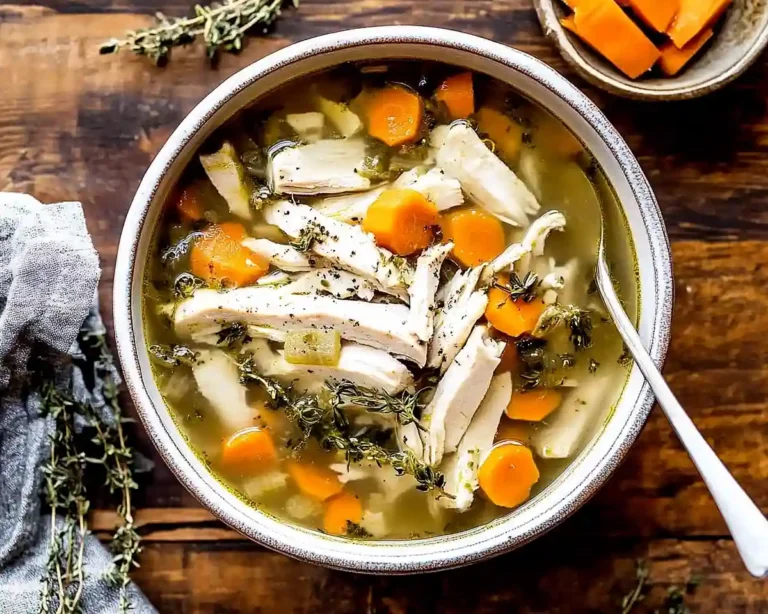
Prebiotic Jerusalem Artichoke Microbiome Soup
This prebiotic Jerusalem artichoke microbiome soup delivers creamy comfort while feeding your gut’s good bacteria with every spoonful. Packed with inulin-rich sunchokes, anti-inflammatory herbs, and warming vegetable broth, it’s designed to support digestion and nurture your microbiome naturally.
I’m Linda Sandra, and if you’ve been searching for a gut health soup that tastes like a warm hug from the inside out, this prebiotic Jerusalem artichoke microbiome soup is your new best friend. Jerusalem artichokes—also called sunchokes—are tuber vegetables that look like knobby ginger roots but taste nutty, slightly sweet, and incredibly earthy once cooked.
This artichoke microbiome recipe is loaded with prebiotic fiber, especially inulin, which feeds beneficial bacteria like Lactobacillus and Bifidobacterium strains in your gut. You’re also getting allicin from garlic, quercetin from onions, and polyphenols from olive oil—all compounds that support a thriving digestive ecosystem.
The first time I made this sunchoke soup recipe, I’d just returned from the Charleston Farmers Market with a bag of dirt-crusted Jerusalem artichokes and zero clue what to do with them. My neighbor swore they were gut magic, so I peeled, chopped, simmered, and blended—and wow, the creamy, velvety texture blew me away.
Now it’s my go-to whenever my belly needs gentle nourishment or I want to batch-cook something healing for the week ahead.
Table of Contents
Quick Overview
Little Snapshot: What This Recipe Delivers
This prebiotic Jerusalem artichoke microbiome soup combines sunchokes, onion, garlic, and vegetable broth into a creamy, dairy-free bowl that nourishes gut bacteria and supports digestive wellness. Ready in under 40 minutes with minimal hands-on work, it’s perfect for meal prep, freezer stashing, or a cozy weeknight dinner.
Why You’ll Love This Recipe 🌸
- This prebiotic Jerusalem artichoke microbiome soup takes less time than folding laundry and tastes like silky comfort in a bowl.
- It’s naturally dairy-free, vegan-friendly, and gentle enough for sensitive tummies while still delivering bold, earthy flavor.
- You can make a big batch on Sunday and enjoy gut-loving lunches all week without any fancy equipment or hard-to-find ingredients.
- According to the National Institutes of Health, inulin-type fructans in Jerusalem artichokes significantly boost beneficial gut bacteria populations—and this recipe proves exactly why.
Quick Facts ⚡
Here’s the quick scoop on this prebiotic Jerusalem artichoke microbiome soup.
- CourseMain Dish / Appetizer
- Prep Time15 minutes
- Cook Time25 minutes
- Total Time40 minutes
- Servings4 servings
- DifficultyEasy
Nutritional Peek
| Nutrient | Amount per serving |
|---|---|
| Calories | 165 kcal |
| Protein | 3 g |
| Carbohydrates | 24 g |
| Fat | 7 g |
| Fiber | 4 g |
| Sugar | 9 g |
What You’ll Need
You don’t need a fancy kitchen to make this gut health soup—just a few trusty tools you probably already own. Here’s what I reach for every time I make this cozy bowl of microbiome magic.
- Large pot or Dutch oven (at least 4-quart capacity)
- Chef’s knife and cutting board
- Vegetable peeler
- Blender or immersion blender
- Wooden spoon or silicone spatula
- Ladle
- Measuring cups and spoons
Ingredients

When you’re shopping for jerusalem artichoke soup benefits, freshness is everything. Look for firm, knobby sunchokes without soft spots, organic vegetable broth with no added sugar, and a high-quality extra virgin olive oil that smells fruity and bright. These simple ingredients work together to create a creamy, prebiotic-rich soup that’s as healing as it is delicious.
| Group | Ingredient | Amount | Notes |
|---|---|---|---|
| Base | Olive oil | 2 tablespoons | Extra virgin is best for flavor and antioxidants |
| Base | Onion (large) | 1, chopped | Yellow or sweet onion both work beautifully |
| Base | Garlic cloves | 2, minced | Fresh garlic adds immune-boosting allicin |
| Star Ingredient | Jerusalem artichokes (sunchokes) | 1 pound, peeled and chopped | The prebiotic hero of this soup—scrub well before peeling |
| Liquid | Vegetable broth | 4 cups | Low-sodium works great so you control the salt |
| Liquid | Dairy-free milk | 1/2 cup | Almond, soy, or oat milk all add creaminess without dairy |
| Seasoning | Salt | To taste | Start with 1/2 teaspoon and adjust as you go |
| Seasoning | Black pepper | To taste | Freshly cracked is always best |
| Garnish | Fresh parsley or chives | Optional | A pop of green makes it feel restaurant-fancy |
Step-by-Step Instructions
Let’s make this happen.
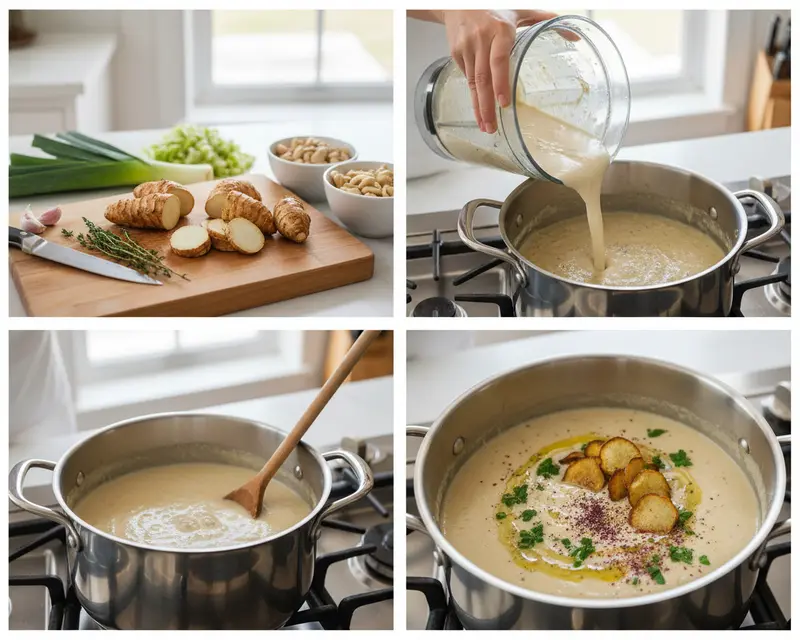
Prebiotic Jerusalem artichoke microbiome soup starts with sautéed aromatics that fill your kitchen with the most comforting, savory smell. You’ll build layers of flavor step by step, then blend everything into creamy, velvety perfection that’s gentle on your gut and absolutely satisfying.
- Heat 2 tablespoons of olive oil in a large pot or Dutch oven over medium heat until it shimmers and flows easily across the bottom. Add 1 large chopped onion and cook, stirring occasionally, for 5 to 7 minutes until the onion softens, turns translucent, and starts to release its natural sweetness without browning.
- Stir in 2 cloves of minced garlic and cook for about 1 minute, stirring constantly, until the garlic becomes fragrant and you can smell that sharp, pungent aroma wafting up from the pot. Don’t let the garlic brown or it’ll taste bitter.
- Add 1 pound of peeled and chopped Jerusalem artichokes along with 4 cups of vegetable broth to the pot. Increase the heat to bring the mixture to a rolling boil, then reduce the heat to low, cover the pot with a lid, and let it simmer gently for 15 to 20 minutes until the sunchokes are fork-tender and break apart easily when pressed.
- Carefully transfer the hot soup to a blender, working in batches if necessary, and blend on high speed until the mixture is completely smooth and creamy with no chunks remaining. If you’re using an immersion blender, you can blend directly in the pot—just tilt the pot slightly and move the blender around to catch all the pieces.
- Return the blended soup to the pot and stir in 1/2 cup of dairy-free milk, mixing well to combine. Heat the soup over low heat, stirring occasionally, just until it’s warmed through—do not let it come to a full boil or the milk may separate and the texture can turn grainy.
- Season the soup with salt and freshly cracked black pepper to taste, starting with about 1/2 teaspoon of salt and a few grinds of pepper, then tasting and adjusting until the flavors brighten and balance perfectly on your palate.
- Ladle the hot soup into bowls and garnish each serving with a sprinkle of fresh parsley or chives if you like. Serve warm with crusty bread, a drizzle of extra olive oil, or a handful of toasted seeds for added texture and crunch.
Pro Tips & Gentle Guidance
Making a stellar jerusalem artichoke soup benefits from a few insider tricks I’ve learned after years of sunchoke soup experimentation. These tips will help you avoid common pitfalls, maximize flavor, and ensure your gut health soup turns out silky, creamy, and absolutely delicious every single time.
Peeling Jerusalem artichokes can feel tedious because of all those knobby bumps and crevices. I like to soak them in warm water for 10 minutes first, then use a sturdy vegetable peeler and work slowly—it’s meditative, I promise. If the knobs are really stubborn, just trim them off with a paring knife and save the peels for vegetable broth.
Blending hot liquids can be dangerous if you’re not careful. Always remove the center cap from your blender lid and cover the opening loosely with a folded kitchen towel to let steam escape—this prevents pressure buildup and messy explosions. Work in small batches and never fill the blender more than halfway when you’re working with hot soup.
If your artichoke microbiome recipe tastes a little flat after blending, a squeeze of fresh lemon juice or a splash of apple cider vinegar works wonders to brighten the earthy sunchoke flavor. A pinch of smoked paprika or a dash of white miso paste can also add depth and umami richness without overpowering the prebiotic star ingredient.
For an extra creamy texture without adding more dairy-free milk, toss in half a peeled Yukon Gold potato when you’re simmering the Jerusalem artichokes. The potato’s starch will thicken the soup naturally and give it an even more luxurious, velvety mouthfeel that feels indulgent but stays gut-friendly.
According to Medical News Today, Jerusalem artichokes are one of the richest natural sources of inulin, a prebiotic fiber that selectively stimulates beneficial gut bacteria growth. That’s why this soup is such a powerful tool for supporting your microbiome and digestive health with every cozy, comforting bowl.
Variations & Adaptations
This sunchoke soup recipe is incredibly flexible and loves to be customized. Here are some of my favorite ways to switch things up based on what you have on hand, your flavor cravings, or specific dietary needs.
Roasted Sunchoke Soup: Toss the chopped Jerusalem artichokes with olive oil, salt, and pepper, then roast them at 400°F for 20 to 25 minutes until caramelized and golden before adding them to the pot. The roasting deepens the nutty, sweet flavor and adds a whole new layer of complexity to your gut health soup.
Coconut Curry Twist: Swap the dairy-free milk for full-fat coconut milk and stir in 1 to 2 teaspoons of yellow curry powder when you sauté the garlic. Finish with a squeeze of lime juice and fresh cilantro for a warming, anti-inflammatory spin that pairs beautifully with the earthy sunchokes.
Herby Green Goddess: Blend in a big handful of fresh spinach, kale, or arugula during the final blending step for an extra dose of greens, chlorophyll, and micronutrients. The flavor stays mild and the color turns a gorgeous jade green that looks stunning in the bowl.
Creamy Cashew Boost: Soak 1/4 cup of raw cashews in hot water for 15 minutes, then drain and add them to the blender along with the cooked vegetables. This makes the soup incredibly rich, thick, and protein-packed without any dairy or soy.
Low-FODMAP Modification: If you’re following a low-FODMAP diet, replace the onion and garlic with garlic-infused olive oil and the green tops of scallions for flavor without the fermentable sugars. Keep the Jerusalem artichoke portion smaller (about 1/2 cup per serving) to stay within FODMAP limits.
Quick Fixes for Prebiotic Jerusalem Artichoke Microbiome Soup
Problem: Your soup tastes bland or lacks depth even after seasoning with salt and pepper.
Solution: Stir in a tablespoon of white miso paste, a splash of tamari or coconut aminos, or a squeeze of fresh lemon juice to brighten and amplify the savory notes. A pinch of nutritional yeast or a drizzle of truffle oil can also add umami richness that makes the flavors pop.
Problem: The soup turned out too thick and feels more like a puree than a sippable soup.
Solution: Thin it out gradually by whisking in extra vegetable broth or dairy-free milk, 1/4 cup at a time, until you reach your ideal consistency. Reheat gently on the stovetop and taste again for seasoning—you may need a pinch more salt after diluting.
Problem: You’re experiencing gas or bloating after eating this prebiotic-rich soup.
Solution: Start with a smaller portion (about 1 cup) and work your way up as your gut microbiome adjusts to the inulin boost. Pairing the soup with a probiotic-rich side dish or fermented food can also help your digestive system adapt more comfortably.
Problem: The Jerusalem artichokes turned brown or discolored while you were peeling and chopping them.
Solution: Drop the peeled and chopped sunchokes into a bowl of cold water with a squeeze of lemon juice or a splash of vinegar as you work. This prevents oxidation and keeps them looking fresh and creamy-white until you’re ready to cook them in the pot.
Storage & Reheating

This jerusalem artichoke soup benefits beautifully from advance prep and actually tastes even better the next day after the flavors have had time to meld and deepen. Serve it as a cozy weeknight dinner with crusty sourdough bread, a simple green salad, or a handful of toasted pumpkin seeds sprinkled on top for crunch.
It’s also perfect for meal prep lunches—just portion it into individual containers and grab one whenever you need a gut-loving boost.
Store leftover soup in an airtight container in the refrigerator for up to 5 days. Make sure the soup has cooled to room temperature before sealing the lid to prevent condensation and watery texture. If you notice the soup has thickened in the fridge, just stir in a splash of vegetable broth or dairy-free milk when you reheat it to bring back that silky, creamy consistency.
To reheat, warm individual portions in a small saucepan over low heat, stirring occasionally, until heated through but not boiling. You can also microwave single servings in a microwave-safe bowl on 50% power in 1-minute intervals, stirring between each interval. For frozen soup, thaw it overnight in the refrigerator first, then reheat gently on the stovetop for the best texture and flavor.
| Storage Method | Duration | Best Practices |
|---|---|---|
| Refrigerator | Up to 5 days | Store in airtight container; stir before reheating |
| Freezer | Up to 3 months | Freeze in portion-sized containers; leave 1 inch headspace for expansion |
| Room Temperature | Not recommended | Soup should be refrigerated within 2 hours of cooking |
Pro Tips & Gentle Guidance
Making a stellar jerusalem artichoke soup benefits from a few insider tricks I’ve learned after years of sunchoke soup experimentation. These tips will help you avoid common pitfalls, maximize flavor, and ensure your gut health soup turns out silky, creamy, and absolutely delicious every single time.
Peeling Jerusalem artichokes can feel tedious because of all those knobby bumps and crevices. I like to soak them in warm water for 10 minutes first, then use a sturdy vegetable peeler and work slowly—it’s meditative, I promise. If the knobs are really stubborn, just trim them off with a paring knife and save the peels for vegetable broth.
Blending hot liquids can be dangerous if you’re not careful. Always remove the center cap from your blender lid and cover the opening loosely with a folded kitchen towel to let steam escape—this prevents pressure buildup and messy explosions. Work in small batches and never fill the blender more than halfway when you’re working with hot soup.
If your artichoke microbiome recipe tastes a little flat after blending, a squeeze of fresh lemon juice or a splash of apple cider vinegar works wonders to brighten the earthy sunchoke flavor. A pinch of smoked paprika or a dash of white miso paste can also add depth and umami richness without overpowering the prebiotic star ingredient.
For an extra creamy texture without adding more dairy-free milk, toss in half a peeled Yukon Gold potato when you’re simmering the Jerusalem artichokes. The potato’s starch will thicken the soup naturally and give it an even more luxurious, velvety mouthfeel that feels indulgent but stays gut-friendly.
No-Waste Kitchen Magic
Jerusalem artichoke peels are packed with nutrients and prebiotic fiber, so instead of tossing them, rinse them well and simmer them in water with onion scraps, garlic skins, and celery ends to make a rich, earthy vegetable broth. Strain it, freeze it in ice cube trays, and pop a few cubes into your next soup, stew, or grain dish for instant flavor and gut-health benefits.
If you have leftover fresh parsley or chives after garnishing your soup, chop them finely and mix them into softened butter or olive oil with a pinch of salt. This vibrant herb butter can be spread on toast, dolloped onto roasted vegetables, or stirred into pasta for a quick flavor boost that uses up every last leaf.
Leftover soup that’s been in the fridge a day or two can be transformed into a creamy pasta sauce by reducing it slightly in a pan and tossing it with cooked pasta, wilted greens, and a sprinkle of nutritional yeast.
You can also use it as a base for a savory breakfast bowl—just reheat the soup, poach an egg on top, and add avocado slices and microgreens for a protein-packed, gut-loving morning meal.
Don’t throw away that last bit of dairy-free milk in the carton. Use it to thin out leftover soup, blend it into smoothies, or whisk it into oatmeal or chia pudding for extra creaminess. If it’s close to the expiration date, pour it into ice cube trays and freeze it—those cubes are perfect for adding to soups, sauces, or blended drinks without any waste.
Frequently Asked Questions
Here are the most common questions readers ask about making this gut-loving, prebiotic-rich soup. I’ve gathered the answers to help you feel confident and excited to cook it up!
What are the main health benefits of Prebiotic Jerusalem Artichoke Microbiome Soup?
This soup supports digestive health by providing prebiotics that feed beneficial gut bacteria. Jerusalem artichokes are rich in inulin, a type of soluble fiber that promotes a healthy microbiome, improves digestion, enhances nutrient absorption, and may help regulate blood sugar levels.
How often should I consume this soup for optimal microbiome benefits?
For best results, consume the soup 2-3 times per week as part of a balanced diet. Consistency is important when supporting gut health. Start with smaller portions if you are new to high-prebiotic foods, as your digestive system may need time to adjust to the increased fiber content.
Can this soup cause digestive discomfort?
Some people may experience mild bloating or gas when first consuming Jerusalem artichokes due to their high inulin content. This is temporary and usually subsides as your gut bacteria adjust. Start with small portions and gradually increase intake. Drinking plenty of water can also help minimize discomfort.
Is Prebiotic Jerusalem Artichoke Microbiome Soup suitable for people with dietary restrictions?
The soup is naturally gluten-free, vegan-friendly, and low in calories. However, individuals with FODMAP sensitivities should be cautious, as Jerusalem artichokes are high in inulin, which can trigger symptoms in those with IBS. Always check the specific recipe ingredients for any personal allergens.
How should I store this soup and how long does it last?
Store the soup in an airtight container in the refrigerator for up to 4-5 days. For longer storage, freeze portions in freezer-safe containers for up to 3 months. Reheat gently on the stovetop or in the microwave. The prebiotic benefits remain intact after proper storage and reheating.
Final Dish
This prebiotic Jerusalem artichoke microbiome soup is everything I love about cozy, nourishing home cooking—it’s simple, healing, and tastes like a warm hug from the inside out. Whether you’re batch-cooking for the week, soothing a sensitive belly, or just craving something earthy and comforting, this soup delivers on every level.
I’d love to see your bowls and hear how you made this recipe your own—tag me in your photos or drop a comment below sharing your favorite garnish or twist!
If you’re looking for more gut-friendly recipes to keep your microbiome happy, check out my anti-inflammatory turmeric lentil healing soup or browse through my full collection of cozy soup and chili recipes. And don’t forget to visit the Eden Plate blog for even more comforting, veggie-forward meals that make you feel good from the inside out.
I’m Linda Sandra — a Charleston home chef and comfort-food daydreamer. Around here, cooking’s not about perfection — it’s about cozy vibes, creative twists, and food that feels like love.
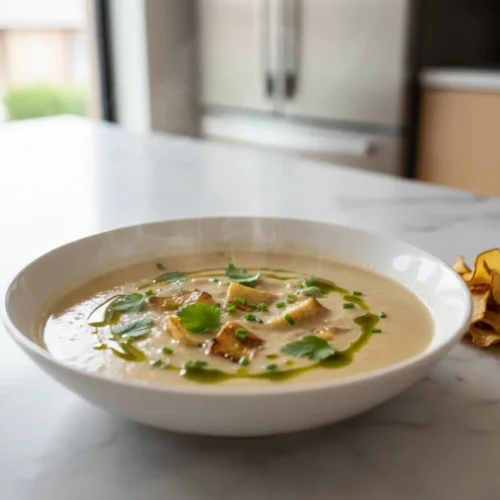
Prebiotic Jerusalem Artichoke Microbiome Soup
Ingredients
- 2 tablespoons olive oil
- 1 large onion chopped
- 2 cloves garlic minced
- 1 pound Jerusalem artichokes sunchokes, peeled and chopped
- 4 cups vegetable broth
- ½ cup dairy-free milk almond, soy, or oat
- Salt and black pepper to taste
- Fresh parsley or chives for garnish optional
Instructions
- Heat the olive oil in a large pot or Dutch oven over medium heat. Add the chopped onion and cook until softened, about 5-7 minutes.
- Add the minced garlic and cook for another minute until fragrant.
- Stir in the chopped Jerusalem artichokes and vegetable broth. Bring to a boil, then reduce heat, cover, and simmer for 15-20 minutes, or until the Jerusalem artichokes are very tender.
- Carefully transfer the soup to a blender (or use an immersion blender) and blend until smooth and creamy. If using a regular blender, work in batches and be cautious with hot liquids.
- Return the blended soup to the pot. Stir in the dairy-free milk and heat gently, but do not boil.
- Season with salt and black pepper to taste.
- Ladle the soup into bowls and garnish with fresh parsley or chives, if desired. Serve warm.