How to Make Hummus with Dried Chickpeas
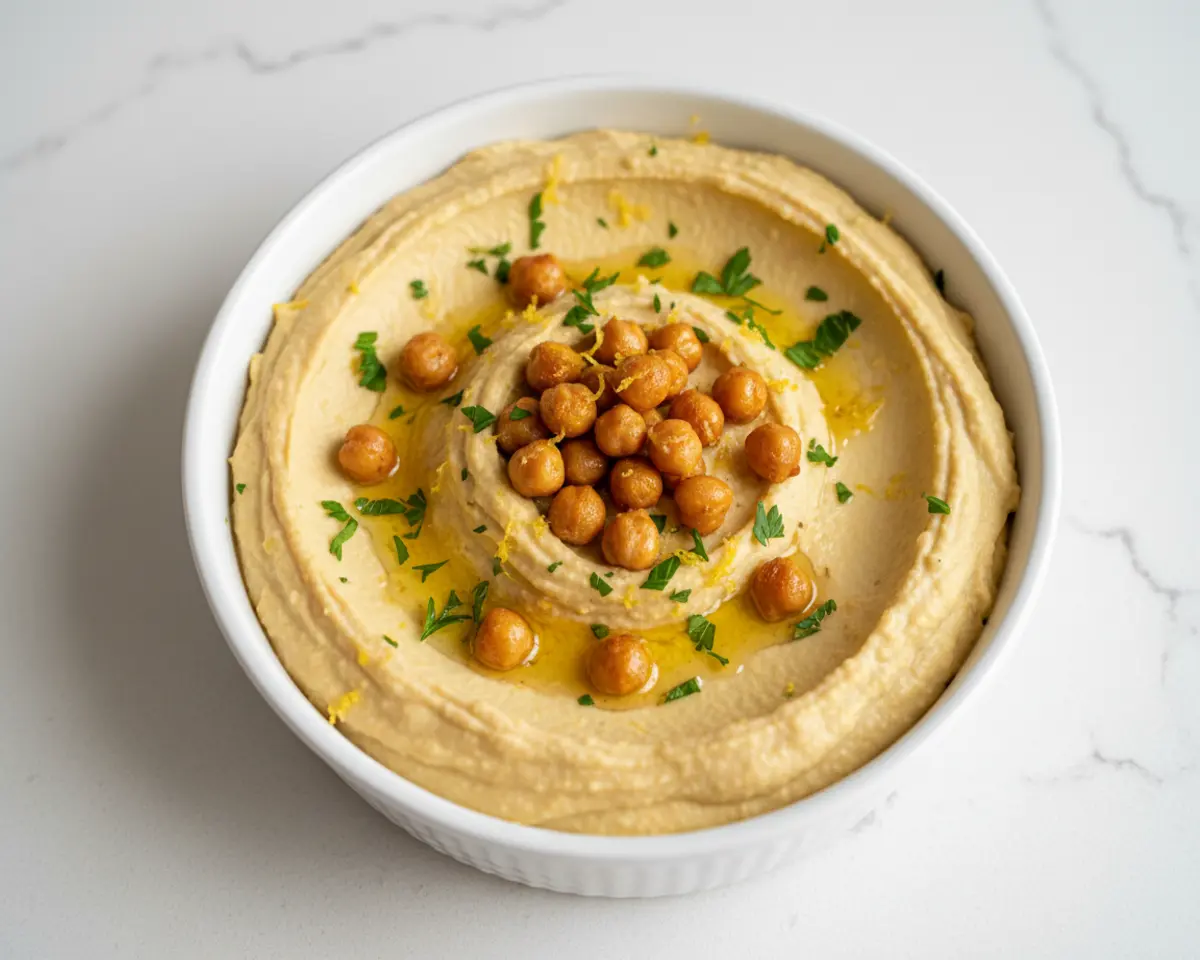
Learning how to make hummus with dried chickpeas is honestly a game-changer for your kitchen routine. There’s something so satisfying about starting from scratch — soaking those little beauties overnight and watching them transform into the creamiest, dreamiest homemade hummus recipe. It’s earthy, it’s authentic, and it’s so much better than anything you’ll grab off the shelf.
This authentic hummus isn’t fancy or fussy. It’s the kind of thing you make on a Sunday, keep in the fridge all week, and scoop onto everything from veggies to toast. With a little tahini, fresh lemon, and a drizzle of olive oil, you’re basically bringing a tiny bit of the Mediterranean into your kitchen.
Table of Contents
Quick Overview
Little Snapshot: What This Recipe Delivers
This dried chickpea hummus is ultra-creamy, made from scratch with soaked and simmered chickpeas, tahini, lemon juice, and garlic. It delivers authentic flavor and silky texture in about 2 hours total time, perfect for snacking, spreading, or serving at gatherings.
Why You’ll Love This Recipe 🌸
- This homemade hummus recipe takes less time than a Netflix episode (once you’ve soaked those chickpeas overnight, of course).
- It’s so much creamier and more flavorful than store-bought, and you control every single ingredient.
- Perfect for meal prep, snacking, or impressing your people with minimal effort and maximum cozy vibes.
- According to Healthline, chickpeas are packed with protein and fiber — and this recipe proves exactly why they’re a Mediterranean staple.
Quick Facts ⚡
Here’s the quick scoop on this how to make hummus with dried chickpeas.
- CourseAppetizer
- Prep Time10 minutes (plus 8 hours soaking)
- Cook Time1 to 2 hours
- Total TimeAbout 2 hours 10 minutes (active time)
- Servings8 servings
- DifficultyEasy
Nutritional Peek
| Nutrient | Amount per Serving |
|---|---|
| Calories | 180 kcal |
| Protein | 6g |
| Carbohydrates | 18g |
| Fat | 10g |
| Fiber | 5g |
| Sugar | 3g |
What You’ll Need
You don’t need anything fancy here, just a few trusty kitchen basics. A big bowl for soaking, a sturdy pot for simmering, and a food processor or high-speed blender to whip everything into creamy perfection.
- Large mixing bowl (for soaking chickpeas)
- Heavy-bottomed pot or Dutch oven
- Fine-mesh strainer
- Food processor or high-speed blender
- Rubber spatula
- Serving bowl
Ingredients
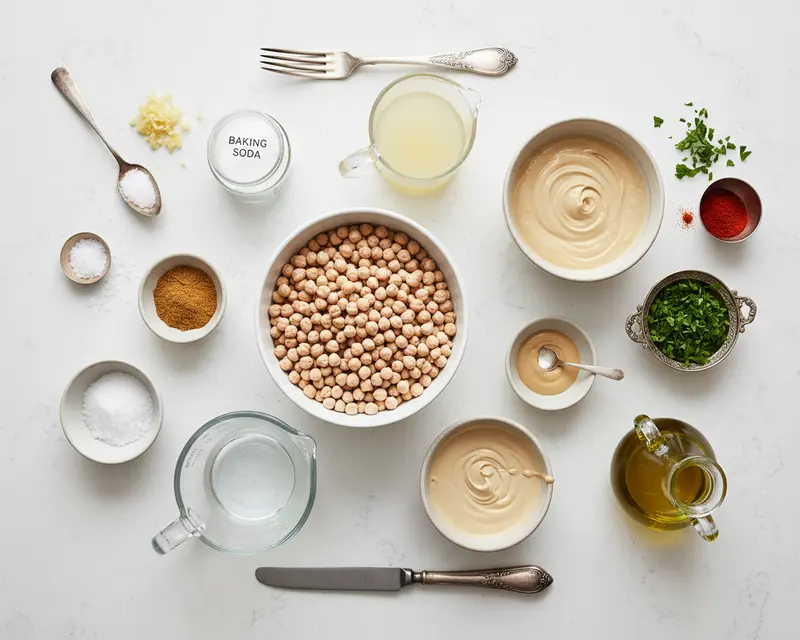
This Mediterranean hummus starts with humble dried chickpeas and a handful of pantry staples. You’re building layers of flavor — creamy tahini, bright lemon, warm garlic, and earthy cumin. Each ingredient has a purpose, and together they turn into something way better than the sum of their parts.
| Group | Ingredient | Amount | Notes |
|---|---|---|---|
| Chickpeas | Dried chickpeas | 1 cup | They’ll triple in size, so plan ahead |
| Chickpeas | Baking soda | 1 teaspoon | Optional but helps soften them beautifully |
| Hummus Base | Tahini | 1/2 cup | Good quality tahini = silky hummus |
| Hummus Base | Fresh lemon juice | 1/4 cup | More if you love tang |
| Hummus Base | Garlic, minced | 2-3 cloves | Adjust to your garlic love level |
| Hummus Base | Ground cumin | 1/2 teaspoon | Adds warmth and depth |
| Hummus Base | Salt | 1/2 teaspoon | Taste and tweak as you go |
| Hummus Base | Cold water | 1/4 cup | For thinning to your dream consistency |
| For Serving | Olive oil | For drizzling | The finishing touch, don’t skip it |
| For Serving | Paprika | For garnish | Adds color and a hint of spice |
| For Serving | Fresh parsley, chopped | For garnish | Pretty and fresh |
Step-by-Step Instructions
Let’s make this happen. You’re going to soak, simmer, blend, and taste your way to the creamiest bowl of hummus you’ve ever had — and it’s easier than you think.
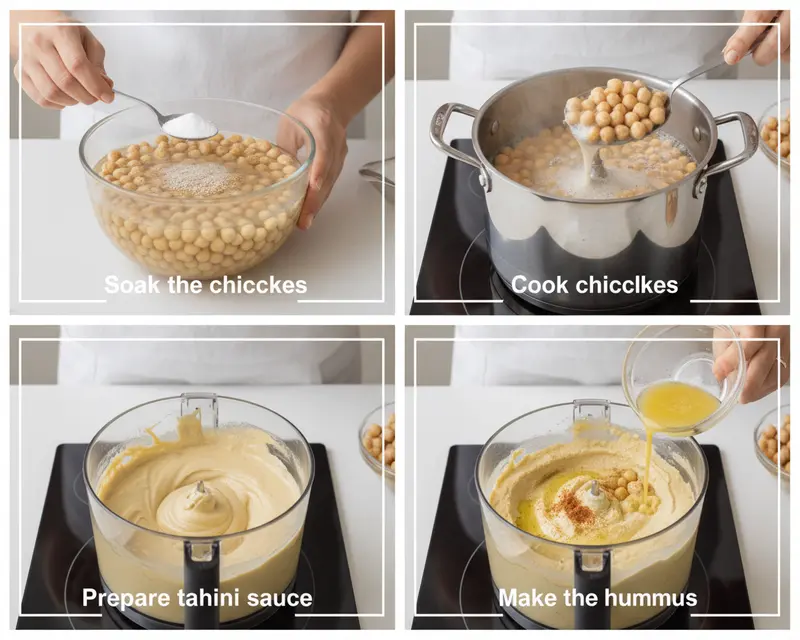
- Soak the chickpeas: Rinse your dried chickpeas under cold water until the water runs clear. Toss them into a large bowl and cover with at least 4 inches of cold water — they need room to expand. Stir in the baking soda if you’re using it (it helps soften the skins), then cover and let them soak for at least 8 hours or overnight on the counter.
- Cook the chickpeas: Drain and rinse the soaked chickpeas thoroughly. Transfer them to a large pot and cover with fresh water by several inches. Bring everything to a rolling boil over high heat, then reduce the heat to a gentle simmer. Let them bubble away for 1 to 2 hours, skimming off any foam that floats to the top, until the chickpeas are melt-in-your-mouth tender.
- Prepare the tahini sauce: While the chickpeas are simmering, add the tahini and lemon juice to your food processor or blender. Process for about a minute until the mixture becomes smooth and creamy. It might seize up and look grainy at first — that’s normal, just keep blending and it’ll come together beautifully.
- Make the hummus: Drain the cooked chickpeas, but save a cup of that cooking liquid (it’s liquid gold for thinning). Add the warm chickpeas to the food processor with the tahini mixture. Toss in the minced garlic, cumin, and salt. Process for several minutes, scraping down the sides as needed, adding cold water or reserved chickpea liquid 1 tablespoon at a time until you reach your dream consistency.
- Taste and adjust: Give it a taste and adjust the seasonings to your liking. Want more tang? Add more lemon juice. Need more salt? Go for it. This is your hummus, make it sing.
- Serve: Scoop the hummus into a shallow serving bowl and use the back of a spoon to create a little well in the center. Drizzle generously with olive oil, sprinkle with paprika, and scatter fresh parsley on top. Serve with warm pita, crunchy veggies, or just a spoon.
Pro Tips & Gentle Guidance
This homemade hummus recipe is pretty forgiving, but a few little tricks will take it from good to absolutely unforgettable. These tips come from plenty of batches made in my own Charleston kitchen — some silky smooth, some a little chunky until I figured out what worked.
Use warm chickpeas: Blending the chickpeas while they’re still warm makes a huge difference in texture. Cold chickpeas can make your hummus thick and grainy, while warm ones blend into a silky, dreamy consistency.
Don’t skimp on blending time: Let that food processor run for a good 3 to 5 minutes. Scrape down the sides a few times and keep going until the hummus is as smooth as you want it. Patience pays off here.
Adjust the consistency with reserved liquid: That chickpea cooking liquid is packed with flavor and starch, which helps thicken and smooth out your hummus. Add it gradually until you hit the perfect creamy texture.
Taste as you go: Hummus is all about balance. If it tastes flat, add more lemon juice or salt. If it’s too sharp, drizzle in a bit more tahini or olive oil. Trust your taste buds.
If you love chickpeas as much as I do, you might also enjoy making crispy roasted chickpea snacks or tossing them into a fresh chickpea feta salad for a light, protein-packed meal.
According to Bon Appétit’s deep dive on hummus techniques, the key to restaurant-quality hummus at home is using dried chickpeas and blending them while warm — exactly what we’re doing here.
Variations & Adaptations
Once you’ve mastered the basics of how to make hummus with dried chickpeas, it’s time to play. You can keep it classic or take it in a dozen different directions depending on what’s in your fridge or what sounds good that day.
Roasted Red Pepper Hummus: Blend in 1/2 cup of roasted red peppers (jarred or homemade) along with the chickpeas. It adds sweetness and a gorgeous blush color.
Spicy Hummus: Stir in a pinch of cayenne pepper, red pepper flakes, or a spoonful of harissa paste for a kick. Perfect if you like a little heat with your dip.
Herb-Loaded Hummus: Toss in a handful of fresh cilantro, parsley, or basil while blending. It turns the hummus bright green and adds fresh, herbaceous flavor.
Roasted Garlic Hummus: Swap the raw garlic for a whole head of roasted garlic. It’s mellow, sweet, and totally addictive.
Beet Hummus: Blend in one small roasted beet for an earthy, jewel-toned twist. It’s gorgeous on a platter and tastes a little sweet and savory at the same time.
If you’re into loaded, creative toppings, check out this Greek-style loaded hummus idea for inspiration.
Quick Fixes for How to Make Hummus with Dried Chickpeas
Problem: Your hummus is too thick and pasty.
Solution: Add cold water or reserved chickpea cooking liquid, 1 tablespoon at a time, while the food processor is running. Keep blending until it loosens up to your desired consistency.
Problem: The hummus tastes bland or flat.
Solution: Add more salt, lemon juice, or a pinch of cumin. Sometimes a drizzle of extra tahini or a clove of fresh garlic can wake everything up. Taste and adjust until it sings.
Problem: Your hummus is grainy instead of smooth.
Solution: Make sure your chickpeas are fully tender before blending, and process the hummus for several minutes longer. Using warm chickpeas and peeling the skins also helps achieve that silky texture.
Problem: The tahini seized up and looks chalky.
Solution: Keep blending with the lemon juice. It will look weird and clumpy at first, but it’ll smooth out as the acids and oils emulsify. Trust the process.
Storage & Reheating
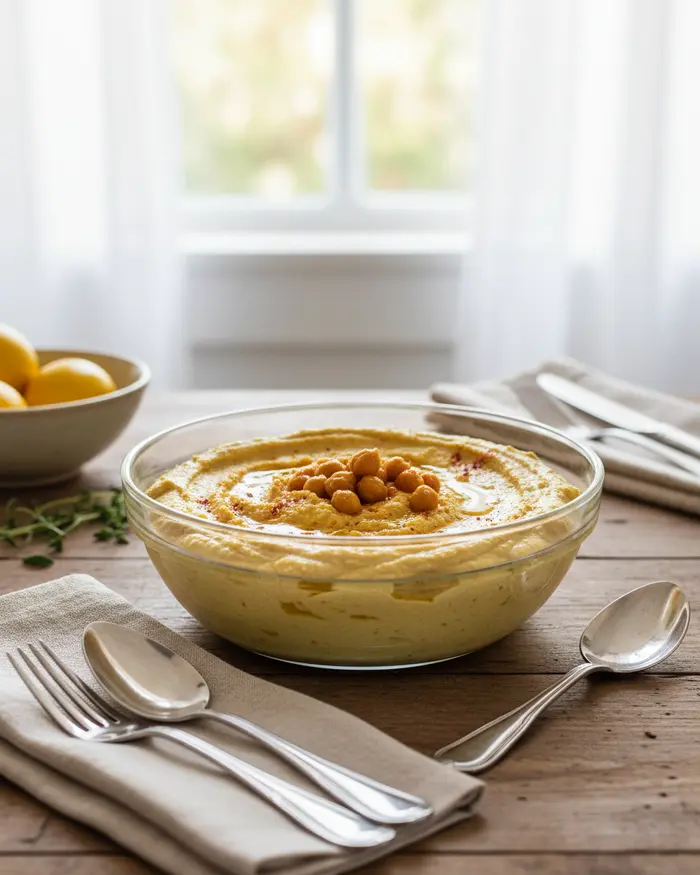
This dried chickpea hummus keeps beautifully in the fridge, so make a big batch and enjoy it all week long. It’s perfect for meal prep, quick snacks, or last-minute appetizers when friends drop by.
Serving suggestions: Spread it on warm pita, use it as a dip for fresh veggies, or slather it on sandwiches and wraps. A drizzle of olive oil and a sprinkle of paprika make it feel fancy, even on a Tuesday.
Storage: Transfer your hummus to an airtight container and store it in the fridge for up to 5 days. Press a piece of plastic wrap directly onto the surface to prevent it from drying out or forming a skin.
Reheating: Hummus is best served at room temperature or slightly chilled. If it thickens up in the fridge, stir in a tablespoon or two of cold water or olive oil to loosen it back up before serving.
| Storage Method | How Long It Lasts | Best For |
|---|---|---|
| Refrigerator (airtight container) | Up to 5 days | Snacking, meal prep |
| Freezer (airtight container) | Up to 3 months | Long-term storage |
| Room temperature | Up to 2 hours | Serving at parties |
No-Waste Kitchen Magic
Don’t toss that chickpea cooking liquid — it’s aquafaba, and it’s a magical ingredient. You can whip it into vegan meringues, use it as an egg replacement in baking, or even add it to smoothies for extra protein.
If you have leftover chickpeas, roast them with a little olive oil and spices for a crunchy snack. Or toss them into salads, grain bowls, or soups for an easy protein boost.
Save any extra tahini sauce (before you add the chickpeas) and use it as a dressing for salads or roasted veggies. It’s tangy, creamy, and ridiculously versatile.
Leftover hummus can be stirred into pasta, spread on pizza dough as a sauce, or mixed into scrambled eggs for a creamy, protein-packed breakfast.
Try adding leftover hummus to a Mediterranean bean salad as a creamy, flavorful dressing.
Frequently Asked Questions
Here are some of the questions I hear most often about making authentic hummus from scratch. Let’s clear up any last-minute confusion.
How long do I need to soak dried chickpeas before making hummus?
Soak dried chickpeas in cold water for 8 to 12 hours or overnight. Use plenty of water as the chickpeas will expand to about double their size. For a quicker method, you can do a quick soak by boiling them for 2 minutes, then letting them sit covered for 1 hour.
How long does it take to cook soaked chickpeas for hummus?
After soaking, drain the chickpeas and cook them in fresh water for 1 to 1.5 hours until they are very soft and easily mash between your fingers. You can also use a pressure cooker which takes about 15 to 20 minutes, or an Instant Pot for 35 to 40 minutes on high pressure.
Should I remove the skins from the chickpeas when making hummus?
Removing the skins is optional but recommended for ultra-smooth, creamy hummus. After cooking, you can rub the chickpeas gently between your hands or with a kitchen towel, and the skins will slip off easily. The skins will float to the top of the water and can be skimmed off.
What is the basic ratio of ingredients for hummus made with dried chickpeas?
For every 1 cup of dried chickpeas, which yields about 2 to 2.5 cups cooked, use 1/4 to 1/3 cup tahini, 2 to 3 tablespoons lemon juice, 1 to 2 cloves of garlic, 1/2 teaspoon salt, and 2 to 4 tablespoons of ice water or cooking liquid. Adjust to taste for your preferred consistency and flavor.
How do I make hummus extra smooth and creamy using dried chickpeas?
To achieve extra smooth hummus, cook the chickpeas until very soft, remove the skins, and blend the tahini with lemon juice first for 1 to 2 minutes before adding other ingredients. Add the chickpeas gradually while blending, and slowly drizzle in ice water or reserved cooking liquid while the food processor is running. Process for 3 to 5 minutes total for a silky texture.
Final Dish
So there you have it — how to make hummus with dried chickpeas from start to finish. It’s earthy, creamy, and so much more satisfying than anything you’ll find in a plastic tub. Once you make it this way, it’s hard to go back.
If you give this homemade hummus recipe a try, I’d love to see how it turns out. Snap a photo, tag me, or leave a comment below and let me know what you think. Happy blending!
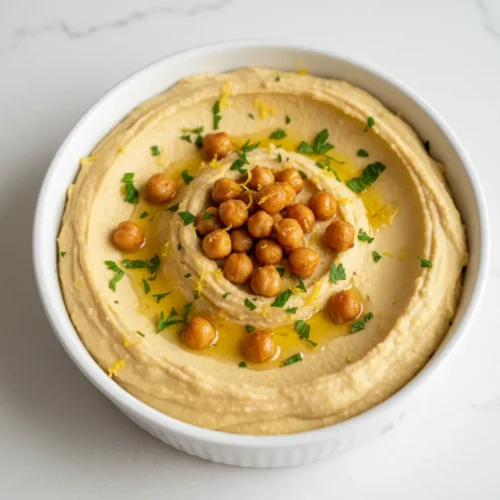
Hummus with Dried Chickpeas
Ingredients
- 1 cup dried chickpeas
- 1 teaspoon baking soda optional, for soaking
- ½ cup tahini
- ¼ cup fresh lemon juice or more, to taste
- 2-3 cloves garlic minced
- ½ teaspoon ground cumin
- ½ teaspoon salt or more, to taste
- ¼ cup cold water or more, for consistency
- Olive oil for drizzling
- Paprika for garnish
- Fresh parsley chopped (for garnish)
Instructions
- Rinse the dried chickpeas thoroughly. Place them in a large bowl and cover with at least 4 inches of cold water. Add 1 teaspoon of baking soda (optional, but helps soften the chickpeas). Let soak for at least 8 hours or overnight. They will double or triple in size.
- Drain and rinse the soaked chickpeas. Transfer them to a large pot and cover with fresh water by several inches. Bring to a boil, then reduce heat to a simmer. Cook for 1 to 2 hours, or until the chickpeas are very tender and can be easily mashed between your fingers. Skim off any foam that rises to the surface. For a super smooth hummus, you can remove the skins from the chickpeas after cooking, but this is optional.
- While the chickpeas are cooking, combine the tahini and lemon juice in a food processor or blender. Process until smooth and creamy. It might seize up a bit at first, but keep processing and it will become smooth.
- Drain the cooked chickpeas, reserving some of the cooking liquid. Add the warm chickpeas to the food processor with the tahini mixture. Add minced garlic, cumin, and salt. Process until smooth, adding cold water or reserved chickpea cooking liquid 1 tablespoon at a time until you reach your desired consistency. For a very smooth hummus, process for several minutes, scraping down the sides as needed.
- Taste the hummus and adjust seasonings as needed. You might want more lemon juice, salt, or cumin.
- Transfer the hummus to a serving bowl. Drizzle generously with olive oil and sprinkle with paprika and chopped fresh parsley. Serve with pita bread, fresh vegetables, or as a spread.