Homemade Sauces & Seasoning Recipes
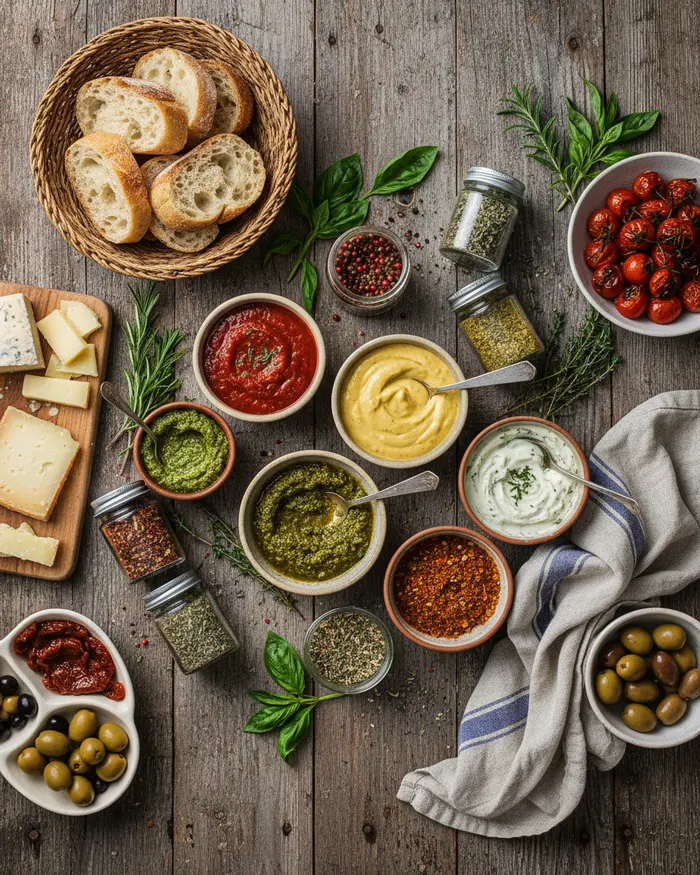
Discover the best Homemade Sauces & Seasoning Recipes featuring flavorful sauces, spice blends, marinades, and easy homemade condiments to elevate every meal.
There’s something magical about reaching into your pantry and knowing you made those sauces and seasonings yourself. I still remember the first time I realized I didn’t have to buy that expensive spice blend at the store—I could make it better at home. The kitchen filled with the warm scent of toasted cumin and fresh herbs, and suddenly, everything clicked.
Making homemade sauces and seasoning recipes isn’t just about saving money or controlling ingredients. It’s about transforming ordinary meals into something extraordinary with flavors you crafted with your own hands.
Table of Contents
Discover everything you need to become confident creating your own flavor foundations. This comprehensive guide covers sauce techniques, seasoning blends, storage methods, and links to complete collections that will revolutionize how you cook.
Whether you’re looking to elevate weeknight dinners or master complex flavor profiles, you’ll find the knowledge and inspiration to build a pantry full of homemade goodness.
The Quick Guide
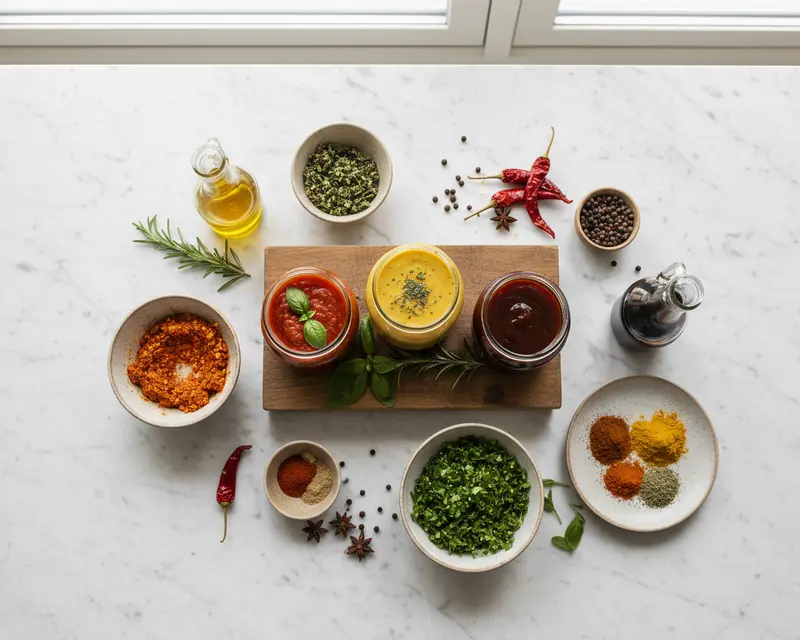
Jump right into making your own sauces and seasonings with these essential takeaways:
- Homemade versions taste fresher and contain no preservatives or hidden ingredients you can’t pronounce
- Most sauce recipes take under 30 minutes and store beautifully for weeks or months
- Custom seasoning blends let you control salt levels and adjust heat to your exact preferences
- Making your own costs significantly less than store-bought premium options
- You can adapt every recipe to dietary needs—gluten-free, low-sodium, sugar-free, or allergen-friendly
Why Homemade Sauces and Seasonings Matter
Store-bought sauces often disappoint with excessive sodium, corn syrup as the second ingredient, or that strange metallic aftertaste. When you make your own, you choose exactly what goes in. Fresh herbs instead of dried substitutes. Real butter instead of vegetable oil. Honey instead of high-fructose corn syrup.
The difference transforms meals. A simple grilled chicken breast becomes restaurant-quality with chimichurri you made that morning. Plain roasted vegetables turn into a flavor explosion with your signature spice blend. Pasta night feels special when you’ve simmered your own marinara with tomatoes from the farmer’s market.
Beyond taste, there’s real satisfaction in self-sufficiency. You’ll save money, reduce packaging waste, and always have exactly the flavor you need ready to go. Plus, homemade sauces and seasonings make thoughtful gifts that friends and family actually use and appreciate.
General Sauce Seasoning Recipes
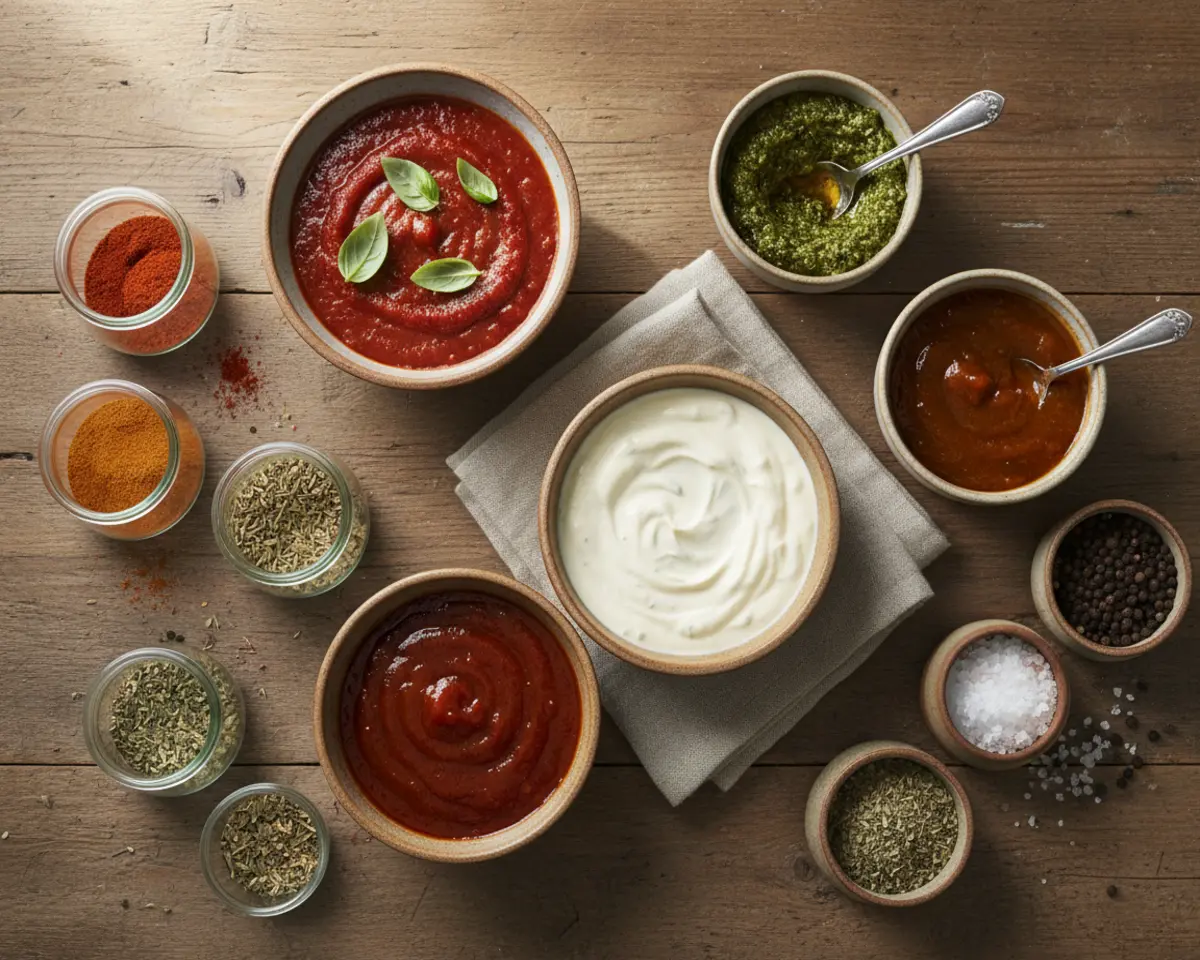
Your foundation starts here with essential sauce and seasoning recipes that work across countless dishes. This collection covers the classics you’ll reach for week after week—versatile bases that adapt to any cuisine or cooking style.
These recipes teach fundamental techniques that apply to everything else you’ll make. Once you master emulsification for vinaigrettes, you’ll understand mayonnaise. When you learn to bloom spices for curry blends, you’ll create deeper flavors in everything. This pillar builds the skills that make you confident experimenting with your own variations.
Perfect for beginners who want reliable recipes that deliver consistent results every time. You’ll find detailed instructions, troubleshooting tips, and variations that let you customize each recipe to your taste preferences.
Sauce Seasoning Recipes Round Up
Sometimes you want inspiration more than instruction, and that’s where this curated collection of sauce and seasoning recipes shines. Browse through tested combinations, creative flavor profiles, and seasonal specialties all gathered in one convenient place.
This round-up organizes recipes by type, use case, and flavor profile so you can quickly find exactly what you need. Hosting taco night? Find five different salsas and three taco seasoning variations. Making Asian-inspired meals? Discover soy-based sauces, ginger-forward blends, and spicy chili oils all in one section.
Ideal for experienced cooks who already know the basics but want fresh ideas and new combinations to keep meals exciting. You’ll discover unexpected pairings and modern twists on traditional recipes that expand your culinary repertoire.
Expert Category Guide
Essential Techniques
Master these core methods and you’ll succeed with any sauce or seasoning recipe. Emulsification brings oil and water-based ingredients together into creamy, stable sauces. Start slowly, add fat gradually, and keep everything the same temperature for perfect vinaigrettes and mayonnaises.
Reduction concentrates flavors by simmering liquids until they thicken naturally. This technique transforms simple pan drippings into restaurant-quality pan sauces. Watch for the sauce to coat the back of a spoon—that’s your visual cue for perfect consistency.
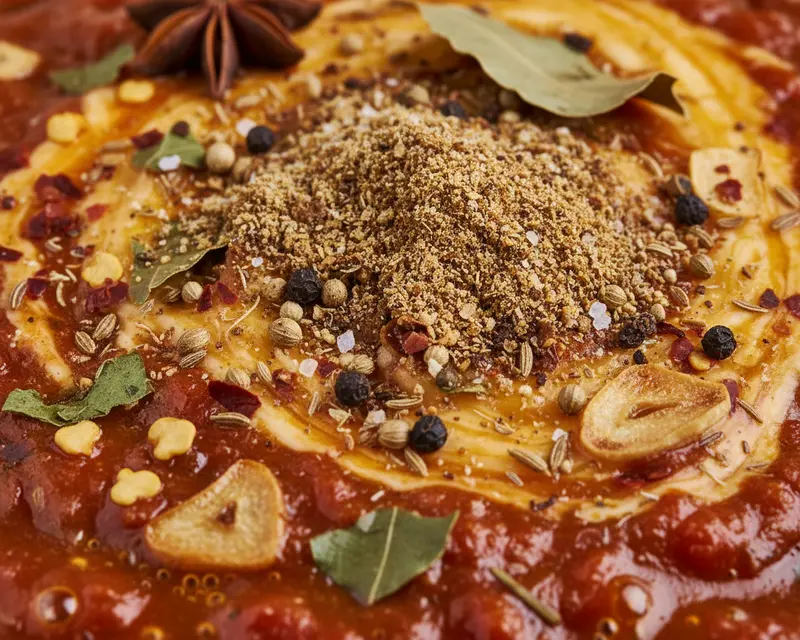
Toasting spices before grinding releases essential oils that create deeper, more complex flavors. Heat them in a dry pan until fragrant, cool completely, then grind fresh. The difference between toasted and untoasted spices is night and day.
Tempering prevents curdling when adding eggs or dairy to hot liquids. Slowly whisk hot liquid into the cold ingredient first, then gradually add that mixture back to the pot. This technique ensures silky-smooth sauces without scrambled bits.
Ingredient Spotlight
Quality ingredients make the biggest difference in homemade versions. Fresh garlic and shallots provide the aromatic base for most sauces—their flavors mellow when cooked but add complexity you can’t replicate with powders.
Acids balance richness and brighten flavors. Lemon juice, vinegars, wine, and tomatoes all bring necessary acidity. Choose your acid based on the flavor profile you want—balsamic for sweet depth, red wine vinegar for sharpness, lime for brightness.
Fats carry flavors and create luxurious texture. Olive oil brings fruity notes, butter adds richness, and neutral oils let other ingredients shine. Many recipes benefit from finishing with a small amount of cold butter whisked in at the end.
Umami boosters like soy sauce, fish sauce, tomato paste, and anchovies add savory depth without tasting fishy or salty. Just a small amount creates that satisfying, can’t-quite-identify-it deliciousness that makes people ask for your recipe.
Seasonal Considerations
Summer brings fresh herbs that make bright, vibrant sauces. Basil pesto, chimichurri, and herb-forward vinaigrettes capture warm-weather flavors. Make extra when herbs are abundant and freeze in ice cube trays for year-round enjoyment.
Fall and winter favor rich, warming seasonings and long-simmered sauces. Think hearty tomato sauces, warming curry blends, and spice-forward dry rubs. These deeper flavors complement cold-weather cooking methods like braising and roasting.
Spring showcases delicate flavors—light cream sauces, citrus-based seasonings, and fresh herb combinations. Match the brightness of seasonal vegetables with equally fresh and vibrant sauce choices.
Year-round staples like hot sauce, taco seasoning, and all-purpose spice blends work regardless of season. Focus on making these pantry essentials when you have time, so they’re always ready when you need them.
Skill Level Guide
Beginners should start with dry seasoning blends and simple vinaigrettes. These require no cooking, minimal equipment, and deliver immediate success. Taco seasoning, Italian herb blend, and basic vinaigrette build confidence quickly.
Intermediate cooks can tackle cooked sauces and fermented options. Marinara sauce, teriyaki sauce, and compound butters introduce heat management and flavor development. You’ll learn to taste and adjust as you go, developing your palate.
Advanced home cooks will enjoy emulsified sauces, complex spice blends, and preservation techniques. Hollandaise, harissa paste, and homemade curry pastes challenge your skills and reward you with spectacular results worth the effort.
The beautiful thing about this category is that even beginner recipes produce professional-quality results. You don’t need advanced skills to make sauces and seasonings that outshine anything you’d buy at the store.
Storage and Make-Ahead Tips
Dry seasoning blends stay fresh for months in airtight containers away from heat and light. Label everything with the date—whole spices last longer than ground, but both lose potency over time. Make smaller batches more frequently for maximum flavor.
Oil-based sauces like pesto store beautifully in the refrigerator for up to a week. Pour a thin layer of olive oil on top to prevent oxidation and browning. For longer storage, freeze in small portions using ice cube trays, then transfer to freezer bags.
Vinegar-based sauces and hot sauces last for months refrigerated thanks to their acidity. The flavors often improve after a few days as ingredients meld together. Always use clean utensils when serving to prevent contamination.
Cream-based sauces freeze surprisingly well despite what you might have heard. Cool completely, freeze in portions, then reheat gently while whisking constantly. Add a splash of cream or milk if the texture needs smoothing after thawing.
Comparison and Selection Guide
Choose General Sauce Seasoning Recipes when you want detailed instructions and foundational knowledge. This collection walks you through techniques step-by-step, explains why each ingredient matters, and helps you understand the science behind successful sauces and seasonings. Perfect for building skills systematically.
Select the Sauce Seasoning Recipes Round Up when you need quick inspiration or want to browse multiple options at once. This works best when you know what you’re looking for but want to compare variations or discover new combinations. Ideal for meal planning and expanding your repertoire.
For time-constrained cooks, dry seasoning blends offer the most value. Mix once, use for weeks, and transform meals in seconds. If you have more time, invest in learning one signature sauce that becomes your go-to for entertaining.
Dietary needs guide choices too. Most seasoning blends are naturally gluten-free, dairy-free, and vegan. Sauces offer more flexibility—you can swap dairy for coconut cream, use tamari instead of soy sauce, or adjust sweeteners to fit any eating style.
Consider your cooking style. If you grill frequently, focus on dry rubs and basting sauces. Love meal prep? Master versatile sauces that work with multiple proteins and vegetables throughout the week.
Start Creating Your Signature Flavors
Your journey to a pantry full of homemade sauces and seasoning recipes starts with just one blend or sauce that excites you. Pick something you buy regularly and make it yourself this week. Experience the difference fresh ingredients and personal touches make.
Save this guide for easy reference when you’re ready to expand your collection. Pin your favorite sections to Pinterest so you can find them quickly during meal planning. Share this resource with friends who love cooking—they’ll thank you when they taste the difference homemade makes.
Which sauce or seasoning will you make first? Drop a comment and let me know what flavors you’re most excited to create in your own kitchen.
Frequently Asked Questions
How long do homemade sauces last in the refrigerator?
Most homemade sauces last 5-7 days when stored in airtight containers in the refrigerator. Oil-based sauces like pesto can last up to 2 weeks, while cream-based sauces should be used within 3-4 days. Always check for signs of spoilage like odd smells, mold, or separation before using. Label containers with dates to track freshness.
Can I freeze homemade sauces for later use?
Yes, most homemade sauces freeze well for 3-6 months. Use freezer-safe containers or bags, leaving space for expansion. Tomato-based, pesto, and meat sauces freeze excellently. Avoid freezing cream or mayo-based sauces as they may separate. Thaw frozen sauces overnight in the refrigerator and reheat gently, stirring to restore consistency.
What are essential ingredients for a well-stocked spice cabinet?
Essential spices include garlic powder, onion powder, paprika, cumin, black pepper, oregano, basil, thyme, chili powder, and cinnamon. Add salt varieties like sea salt and kosher salt. These basics cover most cuisines and recipes. Store spices in cool, dark places away from heat. Replace ground spices yearly and whole spices every 2-3 years.
How can I adjust sauce consistency if it is too thin or thick?
To thicken sauces, simmer uncovered to reduce liquid, add cornstarch slurry, flour roux, or tomato paste. For thin sauces, add broth, water, cream, or wine gradually. Always adjust slowly, allowing time between additions. Consider adding butter for richness or acid like lemon juice to balance flavors while adjusting consistency.
What is the difference between dry rubs and wet marinades?
Dry rubs are spice blends applied directly to meat surfaces, creating flavorful crusts when cooked. They work quickly and are ideal for grilling. Wet marinades combine oils, acids, and seasonings to tenderize and flavor meat, requiring 2-24 hours. Marinades penetrate deeper but can make exteriors less crispy than dry rubs.