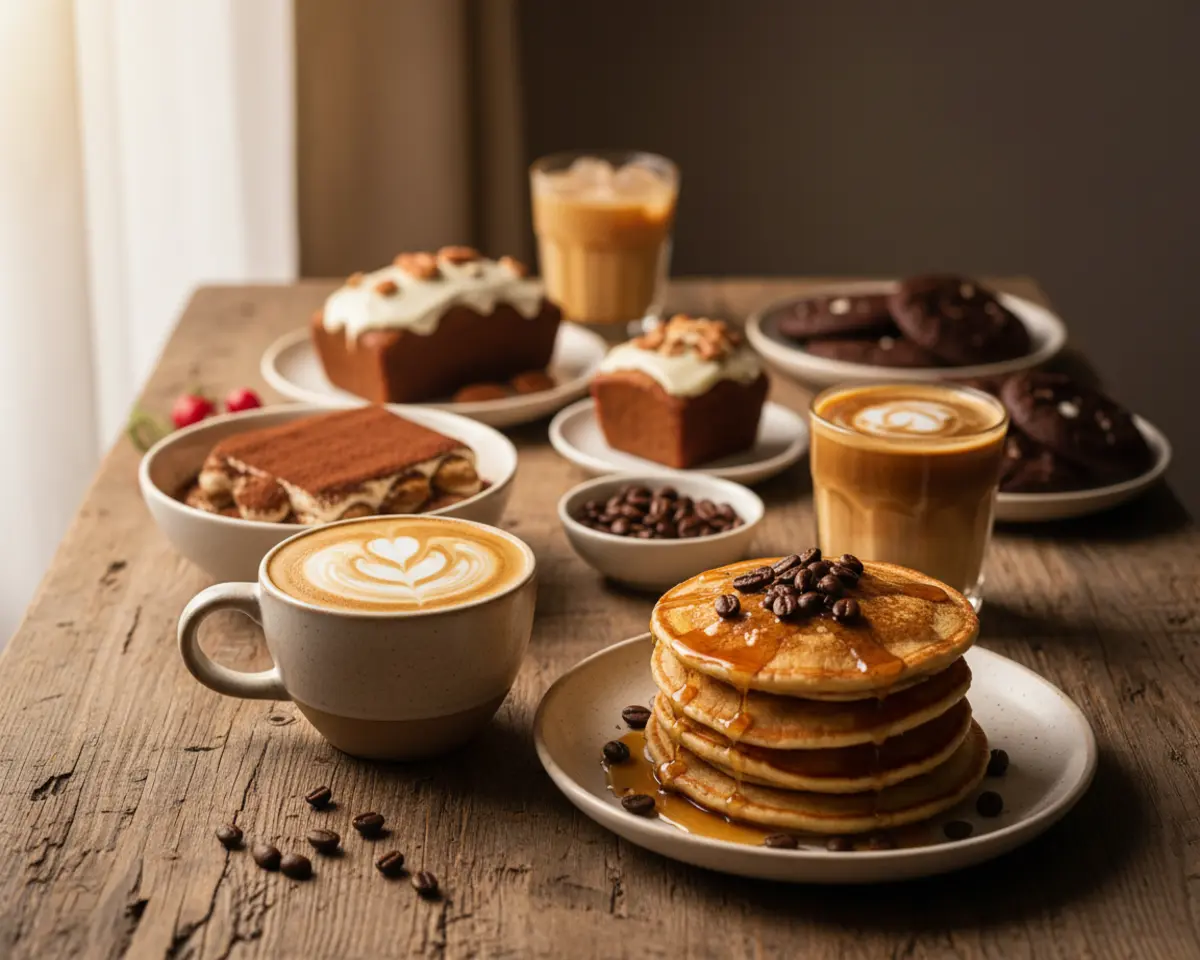
Coffees & Lattes
Discover the world of coffees & lattes with our comprehensive guide featuring creative coffee recipes, refreshing latte recipes, and innovative uses for coffee grounds that will transform your daily routine and elevate your home barista skills.
There’s something magical about that first sip of coffee in the morning. I remember standing in my grandmother’s kitchen, watching her pour steaming coffee into delicate porcelain cups, the aroma wrapping around us like a warm hug. She’d say coffee wasn’t just a drink—it was a ritual, a moment of peace before the day’s chaos.
Fast forward to now, and I’m still chasing that same cozy feeling. But here’s what I’ve learned: the best coffees and lattes aren’t always from fancy cafés. They’re the ones you craft in your own kitchen, tweaking flavors until they’re just right, maybe in your pajamas with messy hair.
Whether you’re a latte lover, an iced coffee enthusiast, or someone who never thought about what to do with leftover grounds, this guide’s got you covered. Let’s explore some seriously good coffee recipes together.
Table of Contents
Quick Overview
Love Coffees Lattes? Our complete Total Refreshing Drinks & Beverage Recipes brings together even more creative possibilities and expert tips you won’t want to miss.
This pillar post dives deep into everything coffees and lattes. We’ll explore creative ways to use coffee grounds beyond the cup, whip up refreshing frozen coffee treats, and master homemade creamers that’ll make you wonder why you ever bought store-bought versions.
Each section connects you to detailed recipes that’ll transform your coffee game. From sustainable gardening hacks to indulgent beverages, you’ll discover new favorites that fit your lifestyle perfectly.
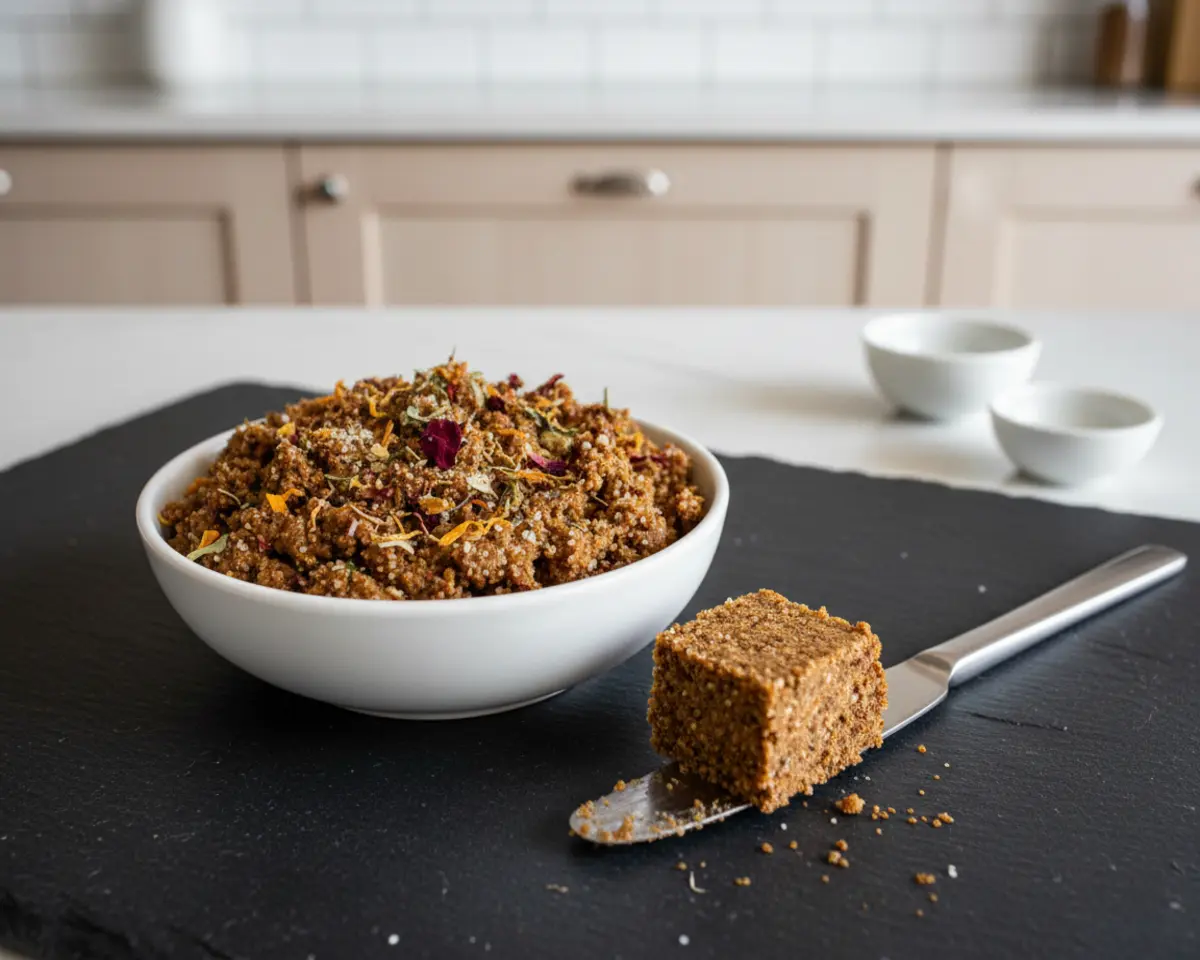
Coffee Ground Garden Fertilizer and Body Scrub
Don’t toss those coffee grounds! They’re gardening gold and a spa-worthy body scrub all in one. This genius hack reduces waste while giving your plants nitrogen-rich nourishment and your skin a gentle exfoliation. Check out this innovative guide that shows you exactly how to repurpose every last ground.
Coffee Slush Recipe
When summer heat hits and regular iced coffee just won’t cut it, this frozen wonder swoops in to save the day. Imagine a slushy, slightly sweet coffee treat that’s more refreshing than any drive-thru version. Try this cooling recipe for those afternoons when you need caffeine and chill vibes simultaneously.

Easy Homemade Coffee Creamer
Store-bought creamers are convenient, sure, but they’re packed with ingredients you can’t pronounce. Making your own lets you control sweetness, flavor, and quality while saving serious cash. Discover this simple method that takes just minutes and creates silky, customizable creamer you’ll actually feel good about pouring.

Tom Hanks Favorite Coffee Recipe
Ever wondered how Tom Hanks kickstarts his day with that signature smile? Well, we’ve got the lowdown on his rumored favorite coffee concoction! Get ready to brew up a Hollywood-worthy cup that’s surprisingly simple and utterly delicious.
This isn’t just any coffee recipe; it’s a taste of superstar comfort, perfect for those mornings when you need an extra dose of delightful energy. Join us as we unveil the magic behind Tom Hanks’s beloved brew in our “Stars in the Kitchen” roundup!
Find all the details, tips, and the complete ingredient list for this tom hanks favorite coffee recipe here.
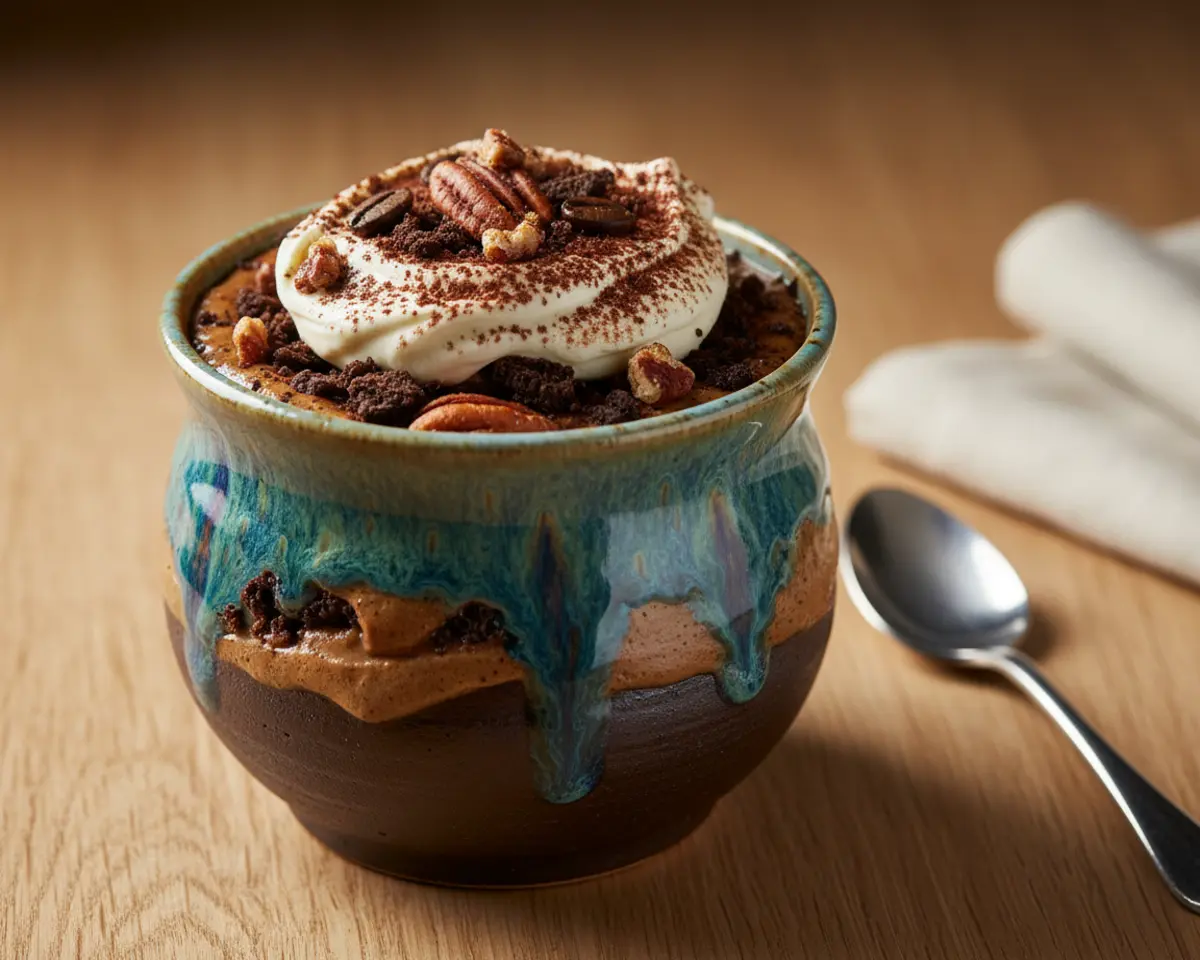
Starbucks Unicorn Frappuccino Recipe
Ready to bring the magic home? Our “Starbucks Unicorn Frappuccino Recipe” lets you whip up this legendary, vibrant drink right in your own kitchen! Get ready for a sweet, swirly, and seriously Instagrammable treat.
This isn’t just a drink; it’s an experience! Perfect for a fun afternoon pick-me-up or surprising the kids (and yourself!). Dive into our recipe collection and let the colorful blending begin!
Check out the full starbucks unicorn frappuccino recipe instructions and whip up this comfort food favorite.

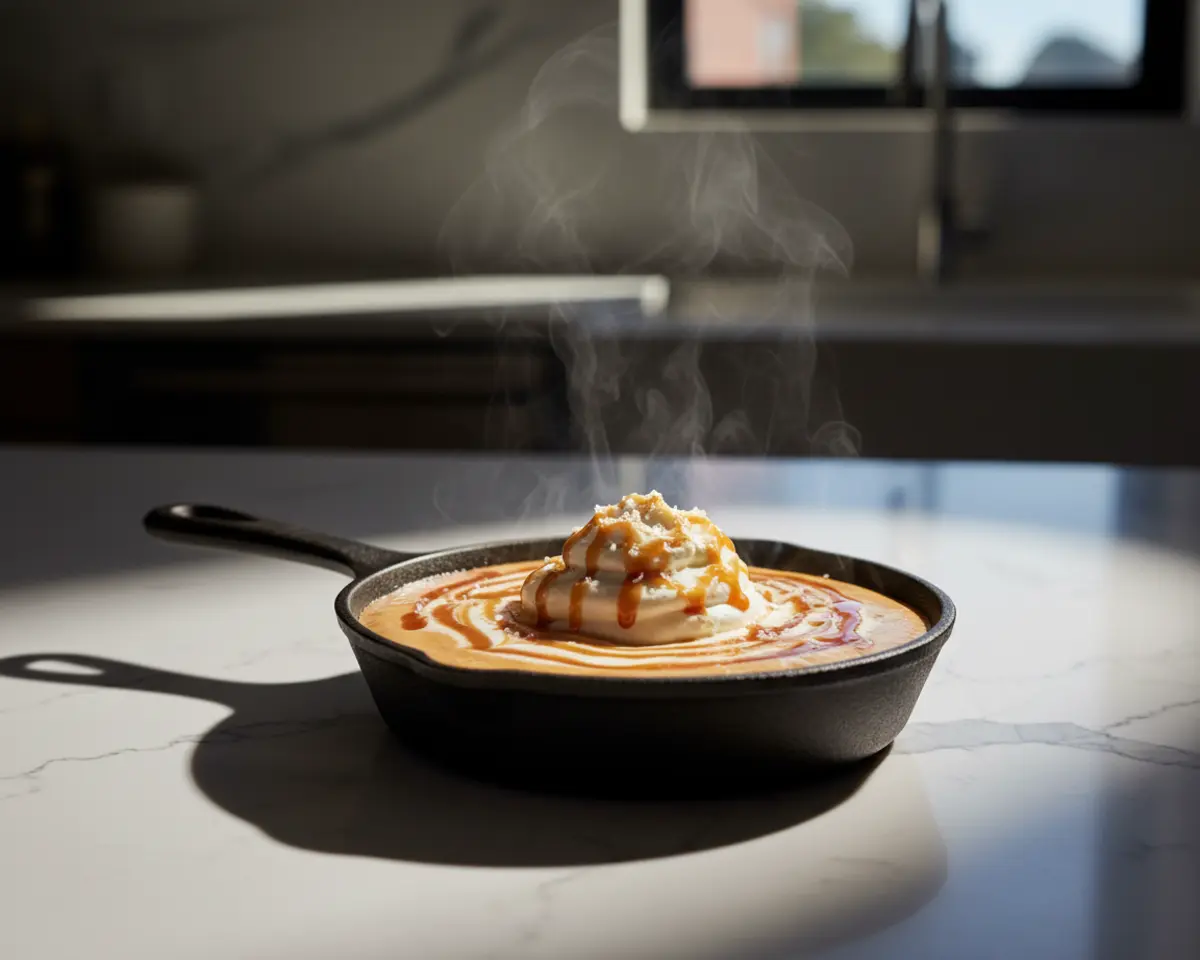
Caramel Latte Recipe
Craving that cozy coffee shop caramel latte but don’t want to leave the house? This super simple recipe brings all the warm, sweet vibes right to your mug. Get ready to indulge in pure deliciousness!
You’ll be amazed how easy it is to whip up this creamy, dreamy treat. Perfect for a morning pick-me-up or an afternoon delight, it’s a guaranteed smile in every sip. Enjoy!
For all the ingredients and cooking tips, get the full caramel latte recipe recipe here.
Expert Tips for Better Coffees and Lattes
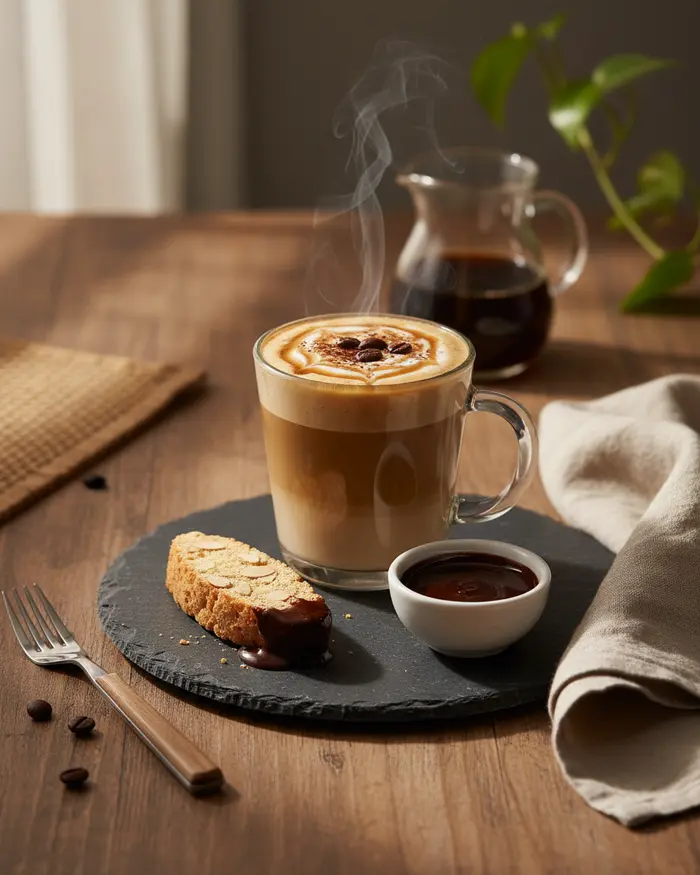
The secret to café-quality drinks at home starts with understanding your beans. Freshness matters tremendously—coffee begins losing flavor within weeks of roasting. Store beans in an airtight container away from light and heat, never in the freezer despite what you’ve heard.
Water temperature is another game-changer most people ignore. Serious Eats explains the science behind optimal brewing temperatures, which hover between 195-205°F. Too hot and you’ll extract bitter compounds; too cool and your coffee tastes weak and sour.
For latte recipes specifically, milk matters as much as the espresso. Whole milk creates the richest foam because of its fat content, but you can achieve decent results with alternatives. The key is temperature—heat milk to about 150°F for sweet, velvety microfoam that doesn’t scald your tongue.
Barista Hustle breaks down milk science in fascinating detail, explaining how proteins and fats interact during steaming. Understanding this transforms your homemade lattes from “meh” to “wow, did you make this?”
Grind size adjustments can rescue a mediocre brew too. Coarser grinds work for French press and cold brew, while fine grinds suit espresso. If your coffee tastes bitter, try grinding coarser next time. Sour? Go finer. It’s all about extraction balance.
Seasonal Variations to Try
Spring calls for lighter, brighter coffee recipes. Try adding a splash of vanilla or almond extract to your morning cup, or experiment with floral notes like lavender in homemade syrups. The warming weather pairs beautifully with iced versions of your favorite lattes.
Summer’s heat demands frozen coffee drinks and cold brew concentrates. The coffee slush becomes your best friend, while cold brew steeped overnight delivers smooth, low-acid caffeine that’s perfect over ice. Add a scoop of vanilla ice cream for an affogato-inspired treat.
Fall screams pumpkin spice, obviously, but don’t stop there. Maple cinnamon lattes, apple cider coffee blends, and cardamom-spiced brews capture autumn’s cozy essence. This is when those homemade creamers really shine—customize them with seasonal flavors you actually enjoy.
Winter coffee recipes lean into rich, indulgent territory. Peppermint mochas, gingerbread lattes, and boozy Irish coffee variations warm you from the inside out. The darker the roast, the better it pairs with holiday spices and chocolate notes.
Common Coffee Mistakes to Avoid
Using tap water without filtering it first ruins even the best beans. Coffee is 98% water, so quality matters immensely. If your tap water tastes off, your coffee will too. A simple carbon filter fixes this instantly.
Reheating coffee in the microwave breaks my heart every time I see it. Once coffee cools, those delicate flavor compounds deteriorate. Reheating creates burnt, acrid flavors that no amount of creamer can mask. Brew smaller batches instead or invest in a good thermos.
Over-extracting is another rookie mistake. Letting coffee steep too long or using water that’s too hot pulls out bitter tannins and unpleasant flavors. Follow recommended brew times religiously—your taste buds will thank you.
Neglecting your equipment leads to rancid oil buildup that taints every cup. Clean your coffee maker, grinder, and French press weekly with hot water and mild soap. Monthly deep cleans with vinegar prevent mineral deposits and ensure pure flavor.
Building Your Home Coffee Bar
You don’t need fancy equipment to make stellar coffees and lattes. Start with the basics: a reliable coffee maker or French press, a burr grinder, and a milk frother (even a cheap handheld one works wonders). These three tools unlock countless coffee recipes.
Next level additions include a kitchen scale for precise measurements, a thermometer for perfect milk temps, and quality storage containers for beans. An espresso machine enters luxury territory but isn’t necessary for delicious daily drinks.
Stock your pantry with variety: different roasts, flavored syrups, quality cocoa powder, and various milk options. This flexibility lets you recreate café favorites or invent your own signature latte recipes without leaving home.
Display everything prettily on a dedicated cart or counter space. When your coffee station looks inviting, you’re more likely to experiment and enjoy the ritual rather than rushing through it.
Health Considerations and Coffee Benefits
Coffee gets a bad rap sometimes, but moderate consumption offers genuine benefits. It’s loaded with antioxidants that fight inflammation and may reduce disease risk. The caffeine boosts mental alertness and physical performance when consumed mindfully.
That said, timing matters. Drinking coffee first thing on an empty stomach can spike cortisol and cause jitters. Try waiting 60-90 minutes after waking to let your natural cortisol levels stabilize before adding caffeine to the mix.
Watch your add-ins carefully. Those flavored lattes can pack ridiculous amounts of sugar and calories. Homemade versions let you control sweetness and use natural alternatives like honey, maple syrup, or dates for more nutritious options.
Listen to your body’s responses. Some people metabolize caffeine quickly and can drink coffee all day; others feel wired from a single cup. There’s no shame in switching to decaf or half-caf if regular coffee disrupts your sleep or makes you anxious.
Sustainability in Coffee Culture
The coffee industry faces serious environmental challenges, from deforestation to water usage. Choosing fair-trade, shade-grown, and organic beans when possible supports more sustainable farming practices and better wages for farmers.
Reducing waste in your coffee routine makes a difference too. Reusable filters, compostable pods, and repurposing grounds for gardens or body scrubs minimize landfill contributions. Every small choice compounds over time.
Skip the disposable cups by bringing your own mug to cafés, and invest in a quality travel tumbler for on-the-go drinks. Most places offer discounts for this, so you save money while helping the planet—win-win.
Support local roasters when you can. They typically source more transparently, roast in smaller batches for better freshness, and contribute to your community’s economy. Plus, you can ask questions and learn exactly where your coffee comes from.
Pairing Coffee with Food
Breakfast pastries are the obvious choice, but smart pairings go way beyond croissants. Light roasts complement fruity, bright dishes like citrus scones or lemon poppy seed muffins. The acidity in both enhances the other beautifully.
Medium roasts pair wonderfully with nuts, caramel, and chocolate. Think biscotti, almond coffee cake, or chocolate chip cookies. These balanced coffees have enough body to stand up to richer flavors without overwhelming them.
Dark roasts need bold companions—dense chocolate desserts, spiced cakes, or even savory breakfast sandwiches. The robust, smoky notes cut through richness and cleanse your palate between bites perfectly.
Lattes with their creamy sweetness pair differently than straight coffee. They’re lovely with delicate pastries, shortbread, or anything with subtle spices like cardamom or cinnamon that won’t compete with the milk’s sweetness.
Exploring Coffee Origins and Roasts
Ethiopian beans deliver fruity, wine-like flavors with floral notes that surprise first-timers. Colombian coffee tends toward nutty, caramel sweetness with balanced acidity. Brazilian beans bring chocolate and nut flavors with lower acidity—perfect for those with sensitive stomachs.
Light roasts preserve origin characteristics and caffeine content more than dark roasts. They taste brighter, more acidic, and showcase terroir beautifully. If you want to explore coffee recipes that highlight bean origins, start here.
Medium roasts offer the best of both worlds—origin flavors plus roast development. They’re versatile crowd-pleasers that work in virtually any brewing method. This is your safest bet when serving coffee to guests with varied preferences.
Dark roasts emphasize roast character over origin. They’re bold, smoky, sometimes bitter, with lower acidity and caffeine. Despite popular belief, darker doesn’t mean stronger—it just tastes more intense. These shine in espresso and latte recipes where milk balances the boldness.
Troubleshooting Common Coffee Problems
Bitter coffee usually means over-extraction. Try coarser grinds, shorter brew times, or cooler water. Sometimes old, stale beans are the culprit—fresher coffee solves this immediately.
Sour coffee signals under-extraction. Grind finer, brew longer, or use hotter water. Check your coffee-to-water ratio too—too little coffee creates weak, sour results no matter what else you adjust.
Weak coffee might need more grounds, not longer brewing. The golden ratio is roughly 1:16 coffee to water by weight. Use a scale for consistency—eyeballing rarely works as well as we think it does.
Burnt-tasting coffee happens when equipment gets too hot or when beans are over-roasted. Clean your machine thoroughly, check heating element temps, and maybe try a lighter roast to see if that’s the real issue.
Start Your Coffee Journey Today
The world of coffees and lattes is endlessly explorable, from basic morning brews to elaborate weekend creations. These recipes give you a solid foundation to experiment, customize, and discover what truly makes your taste buds sing.
Don’t be intimidated by coffee snobs or fancy equipment. The best cup is the one you enjoy, whether it’s a simple French press or an elaborate layered latte. Start with these coffee recipes and let curiosity guide you forward.
What’s your go-to coffee order? Drop a comment below sharing your favorite way to enjoy caffeine, or tell us which recipe you’re trying first. And if you discover a new twist on these latte recipes, we’d love to hear about it—coffee lovers supporting coffee lovers makes the whole experience better.
Frequently Asked Questions
What is the difference between coffee and a latte?
Coffee typically refers to brewed coffee made from ground coffee beans and water, while a latte is an espresso-based drink made with one or two shots of espresso and steamed milk, topped with a small layer of milk foam. Lattes have a creamier, milder taste compared to regular coffee.
How much caffeine is in a latte compared to regular coffee?
A typical 12-ounce latte contains about 75-150 mg of caffeine from one or two espresso shots, while a 12-ounce cup of regular drip coffee contains approximately 120-200 mg of caffeine. The exact amount varies based on the coffee beans used and brewing method.
Can I make a latte at home without an espresso machine?
Yes, you can make a latte-style drink at home without an espresso machine. Use strongly brewed coffee from a French press, Moka pot, or AeroPress as an espresso substitute. Heat and froth milk using a handheld frother, whisk, or by shaking warm milk in a jar, then combine with your strong coffee.
What types of milk can be used in lattes?
Lattes can be made with various types of milk including whole milk, 2% milk, skim milk, and non-dairy alternatives like oat milk, almond milk, soy milk, coconut milk, and cashew milk. Each type creates different foam texture and flavor profiles, with whole milk and oat milk producing the creamiest results.
How many calories are in a typical latte?
A 12-ounce latte made with whole milk contains approximately 150-190 calories, while the same size made with 2% milk has about 120-150 calories. Skim milk lattes have around 90-120 calories. Adding flavored syrups or whipped cream increases the calorie count significantly, often adding 50-100 calories per pump of syrup.