Fermented Cashew Probiotic Cream Cheese
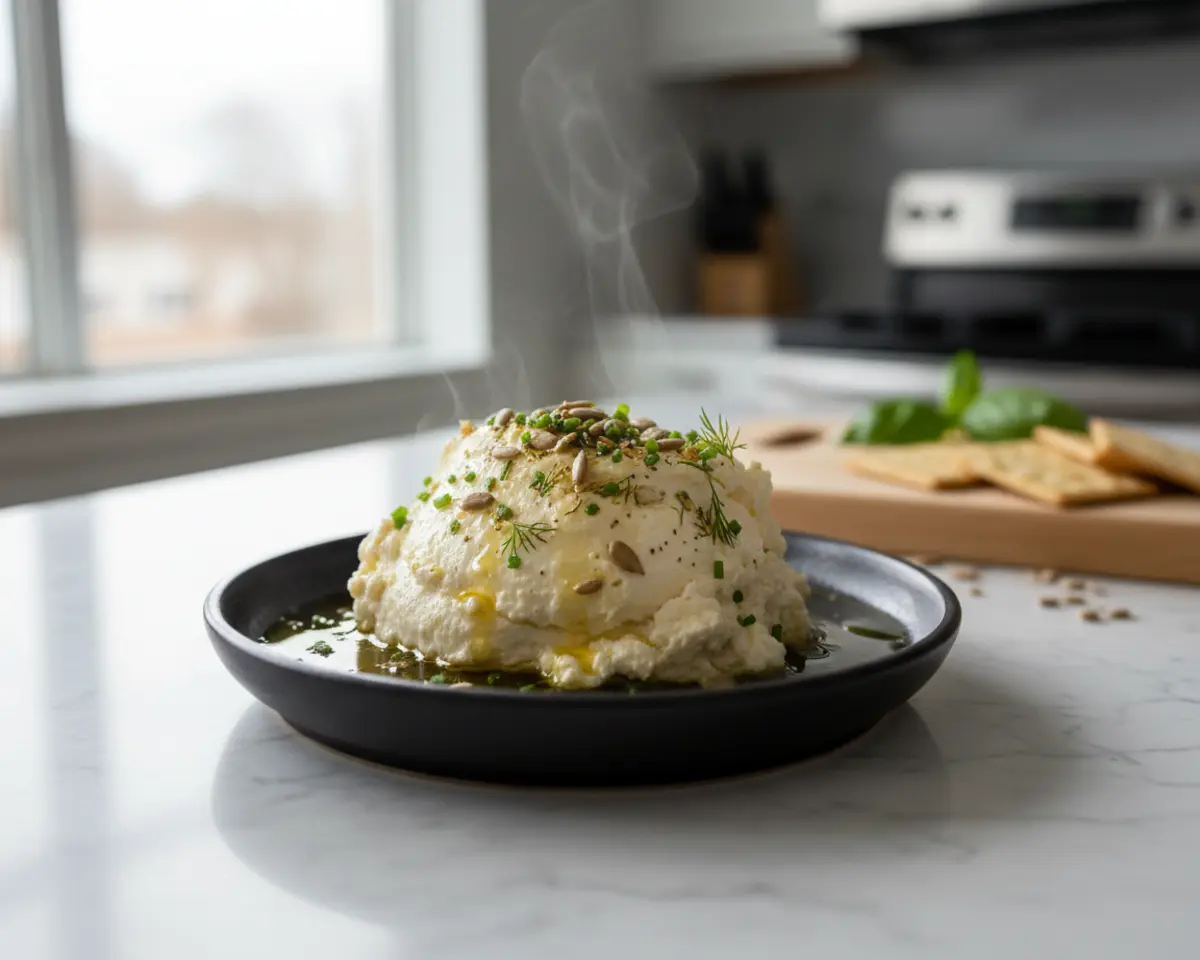
This fermented cashew probiotic cream cheese is a creamy, tangy, dairy-free spread packed with gut-loving probiotics. It’s easy to make with just a few simple ingredients and transforms soaked cashews into velvety vegan cream cheese that rivals any store-bought version.
I’m Linda Sandra, and in my Charleston kitchen, I’ve spent years perfecting this fermented cashew probiotic cream cheese for friends who ditched dairy but still craved that luscious bagel spread. This dairy-free cream cheese recipe uses live cultures to deliver that signature tanginess naturally.
I first made this probiotic cashew cheese after a neighbor showed up with fresh-baked bagels and nowhere to put them—her stomach couldn’t handle cream cheese anymore. We stirred in chives from my windowsill herb garden, and she almost cried with joy at that first bite.
Table of Contents
Quick Overview
Little Snapshot: What This Recipe Delivers
This fermented cashew probiotic cream cheese delivers a tangy, spreadable vegan alternative that’s probiotic-rich and ready in under 30 minutes of active prep. After optional fermentation, you’ll have a gut-friendly, dairy-free cream cheese perfect for bagels, wraps, or veggie dip.
Why You’ll Love This Recipe 🌸
- This fermented cashew probiotic cream cheese takes less hands-on time than scrolling through your morning feed.
- It’s forgiving, flexible, and makes you look like a kitchen genius without stressing you out.
- You control the tang, the texture, and every single ingredient—no mystery additives or gums.
- According to Harvard Health, probiotics support digestive health and immune function — and this recipe proves exactly why.
Quick Facts ⚡
Here’s the quick scoop on this fermented cashew probiotic cream cheese.
- CourseCondiment/Spread
- Prep Time10 minutes
- Cook Time0 minutes (12-24 hours fermentation optional)
- Total Time10 minutes active + soak + ferment + chill
- ServingsAbout 1.5 cups (12 servings)
- DifficultyEasy
Nutritional Peek
| Nutrient | Amount per serving (2 tbsp) |
|---|---|
| Calories | 95 kcal |
| Protein | 3g |
| Carbohydrates | 5g |
| Fat | 7g |
| Fiber | 1g |
| Sugar | 1g |
What You’ll Need
You don’t need fancy fermentation crocks or expensive gadgets—just a solid blender and a little patience. Here’s your simple toolkit for making gorgeous dairy-free cream cheese at home.
- High-speed blender or food processor
- Mixing bowl (for soaking cashews)
- Clean glass jar (pint or quart size)
- Breathable cloth (cheesecloth, coffee filter, or thin kitchen towel)
- Rubber band
- Measuring cups and spoons
- Spatula
Ingredients
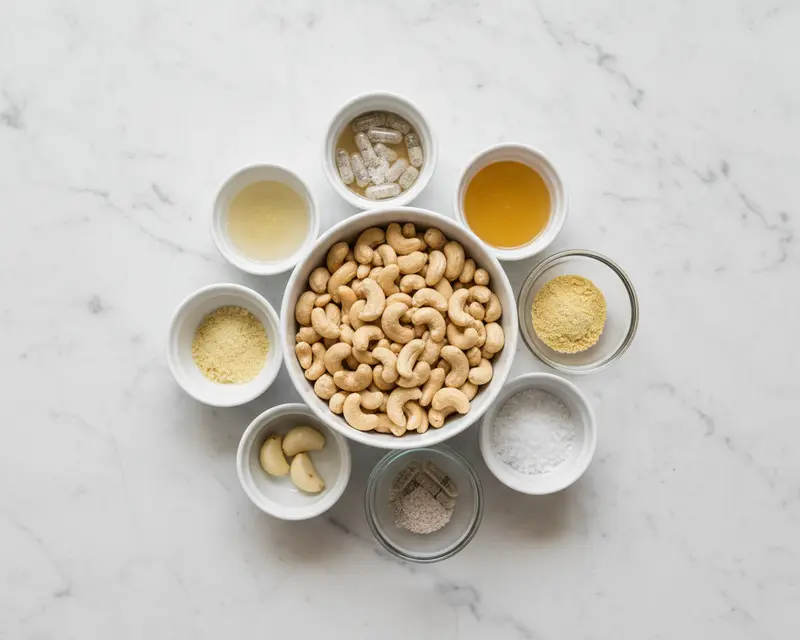
This dairy-free cream cheese starts with buttery raw cashews and a handful of pantry staples. The probiotic capsules are optional but highly recommended if you want that authentic tangy fermented flavor and gut health benefits.
| Group | Ingredient | Amount | Notes |
|---|---|---|---|
| Base | Raw cashews | 2 cups | Must be raw, not roasted, for best blending |
| Base | Water | 1/2 cup (or more) | Fresh filtered water is ideal |
| Flavor | Lemon juice | 2 tablespoons | Fresh-squeezed brightens everything beautifully |
| Flavor | Apple cider vinegar | 1 teaspoon | Adds depth and mild tang |
| Flavor | Sea salt | 1/2 teaspoon | Fine sea salt blends easiest |
| Probiotic | Probiotic capsules | 1-2 capsules | Open capsules, use powder only—optional but magic |
| Optional Add-Ins | Fresh herbs (dill, chives, etc.) | To taste | Stir in after fermentation for pops of color |
| Optional Add-Ins | Garlic powder | To taste | A tiny pinch goes a long way |
| Optional Add-Ins | Onion powder | To taste | Adds savory depth if you’re craving it |
Step-by-Step Instructions
Let’s make this happen. Fermented cashew probiotic cream cheese is all about patience during the soak, power during the blend, and a little hands-off fermentation magic that transforms raw nuts into silky, tangy perfection.
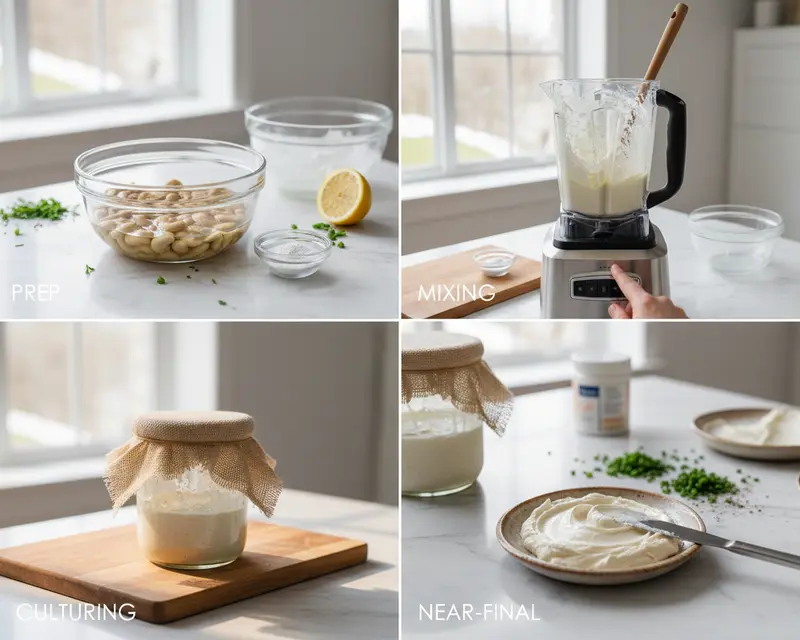
Step 1: Soak the cashews. Place your 2 cups of raw cashews in a mixing bowl and cover completely with hot water—aim for about an inch above the nuts. Let them soak for at least 30 minutes if you’re in a rush, or up to 2 hours if you have time to let them plump up beautifully.
If you’re planning ahead with cold water, let those cashews soak for at least 4 hours or overnight on your counter or in the fridge. Once they’re soft and swollen, drain and rinse them thoroughly under cool running water to wash away any enzyme inhibitors and ensure a clean, sweet flavor.
Step 2: Blend the base ingredients. Toss your soaked and drained cashews into a high-speed blender or food processor along with 1/2 cup fresh water, 2 tablespoons lemon juice, 1 teaspoon apple cider vinegar, and 1/2 teaspoon sea salt. If you’re using probiotic capsules, carefully twist them open and pour just the powder into the blender—discard the empty capsule shells.
Secure the lid tightly and blend on high speed, stopping every 20 seconds or so to scrape down the sides with a spatula. You want a completely smooth, luscious mixture with no gritty bits—this can take 2 to 3 minutes depending on your blender power.
Step 3: Adjust the consistency. Check the texture of your vegan cream cheese recipe blend—it should be thick and spreadable like traditional cream cheese, not runny like a sauce. If it’s too thick to blend smoothly or looks clumpy, add more water 1 tablespoon at a time, blending between additions until you reach that perfect creamy consistency.
Remember, the mixture will firm up quite a bit once chilled, so it’s okay if it looks slightly softer than you want at this stage. Taste it now and adjust salt or lemon juice if you’d like a brighter or saltier base before fermentation.
Step 4: Ferment at room temperature (optional but recommended). Scrape every last bit of your cashew mixture into a clean glass jar using a spatula, smoothing the top gently. Cover the jar with a breathable cloth—cheesecloth, a coffee filter, or a thin kitchen towel all work beautifully—and secure it snugly with a rubber band so no bugs or dust sneak in.
Set the jar on your kitchen counter away from direct sunlight, ideally in a spot that stays around 70 to 75°F (21 to 24°C). Let it ferment for 12 to 24 hours, tasting every few hours after the 12-hour mark to find your perfect level of tanginess—longer fermentation means more pronounced sour notes and deeper probiotic activity.
Step 5: Flavor and customize. After fermentation is complete (or if you skipped it for immediate use), remove the cloth and give your probiotic cashew cheese a good stir. Now’s the time to fold in any fresh herbs like finely chopped dill or chives, a pinch of garlic powder, or a whisper of onion powder if you want a savory, everything-bagel vibe.
Mix gently but thoroughly so the flavors distribute evenly throughout the cream cheese. This step is also when you can adjust seasoning one last time—add a tiny extra pinch of salt or a squeeze of lemon if needed.
Step 6: Chill and set. Pop a clean lid on your jar and slide it into the refrigerator for at least 2 hours, though overnight is even better. The cold firms up the fats in the cashews and melds all those beautiful flavors together into one cohesive, tangy, spreadable dream.
Once chilled, your fermented vegan spread is ready to slather on bagels, dollop onto veggie sticks, or swirl into cooling probiotic soups for an extra creamy finish.
Pro Tips & Gentle Guidance
Making dairy-free cream cheese at home is forgiving and flexible, but a few small tricks can take your batch from good to absolutely restaurant-worthy. Here’s what I’ve learned after dozens of jars in my Charleston kitchen.
Use the freshest raw cashews you can find. Stale or rancid cashews will give your cream cheese a bitter, off flavor no amount of lemon juice can fix. Buy from a store with high turnover, and if possible, taste one raw nut before soaking—it should be sweet and buttery, never harsh or funky.
Don’t skip the rinse after soaking. Draining and rinsing your soaked cashews washes away phytic acid and any slightly slimy residue, which ensures your final product tastes clean and fresh. It takes 30 seconds and makes a noticeable difference in flavor.
Invest in a high-speed blender if you can. A powerful blender like a Vitamix or Blendtec will give you that ultra-smooth, no-grit texture that mimics traditional cream cheese perfectly. If you’re using a regular blender or food processor, you may need to blend a bit longer and add slightly more water to achieve the same silkiness.
Choose the right probiotic strain. Look for capsules containing Lactobacillus acidophilus, Lactobacillus plantarum, or Bifidobacterium strains—these are the workhorses of fermentation and give the best tangy flavor. Avoid capsules with added fillers or prebiotics that might affect texture.
Fermentation temperature matters. Too cold and fermentation stalls; too warm and you risk unwanted bacterial growth or overly sour flavors. A consistent 70 to 75°F is the sweet spot—if your kitchen runs cold, try setting the jar near (not on) a warm appliance or inside your oven with just the light on.
Taste as you ferment. Every kitchen’s environment is different, and your personal tang preference is unique. Start tasting after 12 hours and every few hours after that until it hits your ideal sourness—you can always ferment longer, but you can’t un-ferment once it’s too tangy.
Sterilize your jar. A quick rinse with boiling water or a run through the dishwasher ensures no competing bacteria interfere with your probiotic culture. This small step keeps your fermentation clean and predictable.
According to research published in the Journal of Applied Microbiology, Lactobacillus fermentation of plant-based foods can enhance nutrient bioavailability and produce beneficial postbiotics—this vegan cream cheese recipe is a delicious way to tap into those benefits at home.
Variations & Adaptations
Herb and Garlic Cream Cheese: After fermentation, fold in 2 tablespoons minced fresh chives, 1 tablespoon fresh dill, 1 clove minced garlic, and a pinch of black pepper. This is my go-to for bagels and makes a stunning spread for crudité platters.
Sweet Cinnamon Cream Cheese: Skip the probiotic capsules and fermentation, and blend in 2 tablespoons maple syrup, 1 teaspoon vanilla extract, and 1/2 teaspoon ground cinnamon. Perfect for breakfast toast or dolloping on pancakes.
Everything Bagel Cream Cheese: Stir in 1 to 2 tablespoons store-bought or homemade everything bagel seasoning after chilling. The poppy seeds, sesame seeds, garlic, and onion flakes add incredible crunch and flavor.
Sun-Dried Tomato and Basil: Blend in 1/4 cup drained, chopped sun-dried tomatoes (oil-packed work best) and 2 tablespoons fresh basil after fermentation. This Italian-inspired version is gorgeous swirled into pasta or spread on crusty bread.
Smoked Paprika and Chive: Add 1/2 teaspoon smoked paprika and 2 tablespoons chopped fresh chives for a smoky, savory twist that pairs beautifully with roasted vegetables or as a dip for crackers.
Lemon Pepper Cream Cheese: Increase the lemon juice to 3 tablespoons and stir in 1 teaspoon freshly cracked black pepper and 1 teaspoon lemon zest after fermentation. Bright, zesty, and perfect for spring entertaining.
Nut-Free Version: Swap cashews for an equal amount of raw sunflower seeds or blanched almonds (soaked and peeled). The texture will be slightly less creamy but still delicious, and it’s allergy-friendly for nut-free households.
Lower-Fat Option: Replace half the cashews with silken tofu (drained and pressed). This cuts the fat and calories while still delivering a smooth, tangy spread, though it won’t have quite the same richness.
Quick Fixes for Fermented Cashew Probiotic Cream Cheese
Problem: The cream cheese is too thick and gloopy. Add more water 1 tablespoon at a time and blend again until you reach a smoother, more spreadable consistency. Remember, it will firm up further in the fridge, so aim for slightly softer than your final goal.
Problem: It’s too runny even after chilling. You likely added too much water during blending. Transfer it back to the blender and blend in 2 to 3 tablespoons of additional soaked cashews, or stir in a tablespoon of refined coconut oil (melted) to help it set firmer.
Problem: The flavor is flat or bland. Boost the tang with an extra tablespoon of lemon juice or a teaspoon of apple cider vinegar, and add another pinch of sea salt. Fermentation also intensifies flavor, so if you skipped it, try fermenting your next batch.
Problem: It tastes too sour after fermentation. You fermented a bit too long for your taste, but don’t toss it! Stir in a teaspoon of maple syrup or a pinch more salt to balance the acidity, or blend in a small handful of fresh soaked cashews to mellow the sharpness.
Problem: There’s a layer of liquid on top after chilling. This is natural separation—just stir it back in thoroughly before serving. If it keeps happening, your blend may have been slightly too thin; next time use a bit less water or add a tiny bit of refined coconut oil for stability.
Problem: The texture is gritty or grainy. Your blender may not be powerful enough, or you didn’t blend long enough. Blend for an additional 1 to 2 minutes, scraping down the sides frequently, or strain the mixture through a fine-mesh nut milk bag if needed (though this will reduce your yield slightly).
Problem: It didn’t ferment or develop tanginess. Your kitchen was too cold, or the probiotic capsules were expired or ineffective. Try again in a warmer spot (around 75°F), and use fresh, high-quality probiotics with live, active cultures clearly listed on the label.
Storage & Reheating
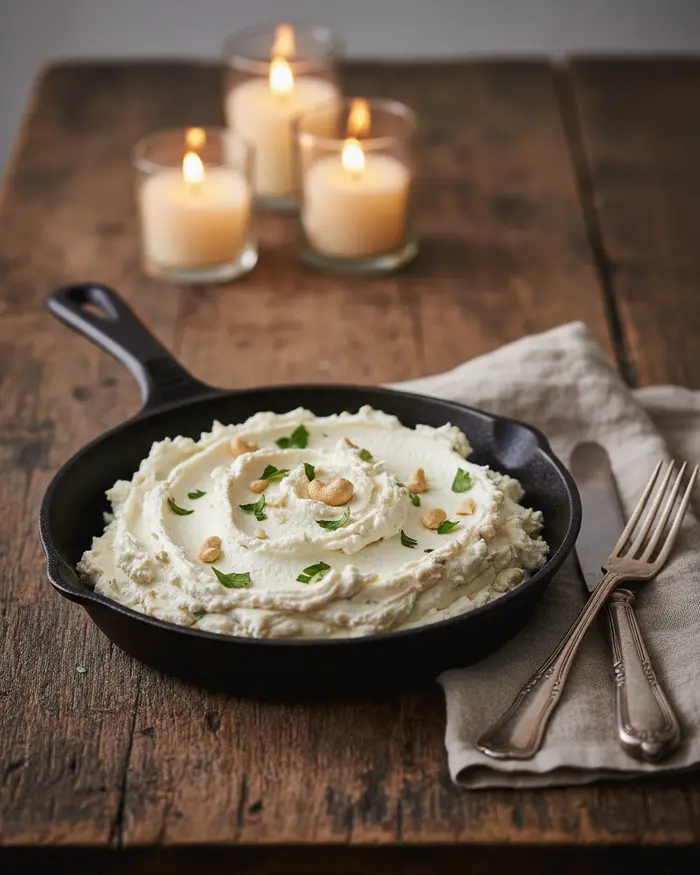
This probiotic cashew cheese shines brightest when served chilled and fresh, spread generously on warm bagels, dolloped onto crackers, or swirled into wraps. It also works beautifully as a base for veggie dips or a creamy layer in probiotic nourish bowls.
Store your fermented vegan spread in an airtight glass jar in the refrigerator for up to 10 days. The tanginess may continue to develop slightly over time, especially if any active cultures remain, but it will stay fresh and safe as long as it smells pleasantly sour and shows no signs of mold.
Reheating isn’t necessary—this cream cheese is meant to be enjoyed cold or at room temperature. If you want it softer for spreading, simply let it sit on the counter for 10 to 15 minutes before serving, or give it a quick stir to loosen the texture.
| Storage Method | Duration | Best Practices |
|---|---|---|
| Refrigerator (airtight jar) | Up to 10 days | Keep tightly sealed; use clean utensils to avoid contamination |
| Freezer (airtight container) | Up to 2 months | Texture may become slightly grainy upon thawing; stir well before serving |
| Room temperature | Not recommended after fermentation | Only safe during active fermentation (12-24 hours); refrigerate immediately after |
No-Waste Kitchen Magic
Save the cashew soak water. That cloudy liquid is full of nutrients and makes a lovely addition to smoothies, soups, or even as a base for homemade nut milk. Strain it well and keep it in the fridge for up to 3 days.
Use leftover probiotic powder. If you only used one capsule and have extras, sprinkle the remaining probiotic powder into smoothies, oatmeal, or fermented elixirs to boost your gut health throughout the week.
Repurpose herb stems. If you used fresh chives or dill, save the tender stems and toss them into vegetable stock, salads, or stir-fries for added flavor instead of composting them.
Turn leftovers into dip. If your cream cheese is nearing the end of its fridge life, thin it with a splash of water or lemon juice and blend in some roasted garlic or red pepper for a quick veggie dip that extends its usefulness.
Freeze in portions. If you made a big batch, freeze individual tablespoon-sized dollops on a parchment-lined tray, then transfer to a freezer bag. This way you can thaw just what you need without compromising the whole jar.
Compost the capsule shells. The empty gelatin or veggie capsule shells are compostable, so toss them in your compost bin instead of the trash to keep waste minimal.
Frequently Asked Questions
Here are some of the most common questions I get about making this tangy, creamy fermented cashew probiotic cream cheese at home.
What is Fermented Cashew Probiotic Cream Cheese?
Fermented Cashew Probiotic Cream Cheese is a dairy-free, plant-based alternative to traditional cream cheese made from cashew nuts that have been fermented with probiotic cultures. This fermentation process creates a tangy, creamy spread similar in taste and texture to conventional cream cheese while providing beneficial live bacteria for gut health.
How long does Fermented Cashew Probiotic Cream Cheese last once opened?
Once opened, Fermented Cashew Probiotic Cream Cheese typically lasts 7 to 10 days when stored properly in an airtight container in the refrigerator. Always check for any signs of spoilage such as off odors, mold, or unusual texture before consuming. Unopened packages usually last according to the best-by date on the packaging.
Is Fermented Cashew Probiotic Cream Cheese suitable for people with lactose intolerance?
Yes, Fermented Cashew Probiotic Cream Cheese is completely dairy-free and contains no lactose, making it an excellent option for people with lactose intolerance or dairy allergies. However, individuals with tree nut allergies should avoid this product as it is made from cashews.
What are the health benefits of eating Fermented Cashew Probiotic Cream Cheese?
Fermented Cashew Probiotic Cream Cheese offers several health benefits including live probiotic cultures that support digestive health and immune function, healthy fats from cashews, and no cholesterol since it is plant-based. It is also typically lower in saturated fat compared to dairy cream cheese and provides nutrients like magnesium, copper, and vitamin K from the cashews.
How can I use Fermented Cashew Probiotic Cream Cheese in cooking?
Fermented Cashew Probiotic Cream Cheese can be used in many of the same ways as traditional cream cheese. Spread it on bagels, toast, or crackers, use it as a base for dips and spreads, add it to pasta sauces for creaminess, incorporate it into baking recipes, or use it as a frosting for cakes and cupcakes. It can also be seasoned with herbs and spices for savory applications.
Final Dish
There you have it—your very own batch of silky, tangy, probiotic-rich fermented cashew probiotic cream cheese that proves dairy-free can be just as luscious and satisfying as the original.
Whether you’re spreading it on a warm bagel, dolloping it onto crackers, or stirring it into your favorite travel-friendly gut health recipes, this vegan cream cheese recipe delivers comfort, flavor, and nourishment in every creamy bite.
I’d absolutely love to see your beautiful jars and hear how you flavored yours—tag me on social media or drop a comment below with your favorite herb combo or creative twist. Let’s keep this cozy, probiotic-loving community growing together, one delicious spoonful at a time.
I’m Linda Sandra — a Charleston home chef and comfort-food daydreamer. Around here, cooking’s not about perfection — it’s about cozy vibes, creative twists, and food that feels like love.
Fermented Cashew Probiotic Cream Cheese
Ingredients
- 2 cups raw cashews soaked
- ½ cup water or more for desired consistency
- 2 tablespoons lemon juice
- 1 teaspoon apple cider vinegar
- ½ teaspoon sea salt
- 1-2 probiotic capsules contents only, optional, for extra fermentation
- Fresh herbs dill, chives, etc., optional
- Garlic powder optional
- Onion powder optional
Instructions
- Soak the cashews: Place raw cashews in a bowl and cover with hot water. Let them soak for at least 30 minutes, or up to 2 hours. If using cold water, soak for at least 4 hours or overnight. Drain and rinse the cashews thoroughly.
- Blend ingredients: In a high-speed blender or food processor, combine the soaked cashews, 1/2 cup fresh water, lemon juice, apple cider vinegar, and sea salt. If using, add the contents of the probiotic capsules.
- Blend until smooth: Blend on high until the mixture is completely smooth and creamy. Stop and scrape down the sides as needed. If the mixture is too thick, add more water, 1 tablespoon at a time, until you reach your desired cream cheese consistency.
- Ferment (optional): Transfer the cashew cream cheese to a clean glass jar. Cover the jar with a breathable cloth and secure with a rubber band. Let it ferment at room temperature (around 70-75°F or 21-24°C) for 12-24 hours. The longer it ferments, the tangier it will become. Taste periodically to achieve your preferred level of tartness.
- Flavor (optional): After fermentation (or if you skipped fermentation), stir in any desired fresh herbs, garlic powder, or onion powder.
- Chill: Cover the jar with a lid and refrigerate for at least 2 hours to allow the cream cheese to firm up and for the flavors to meld.