Fermented Beet Kvass Liver Support Elixir
This Fermented Beet Kvass Liver Support Elixir is a vibrant, earthy, and gut-friendly beverage designed to invigorate your system. It’s a simple, traditional ferment that brings a wholesome touch to your wellness routine.
Well hello there, darlin’! I’m Linda Sandra, your neighbor from sunny Charleston, and I’m just tickled pink to share this wonderful Fermented Beet Kvass Liver Support Elixir with you. It’s more than just a drink; it’s a little sip of sunshine for your insides, brimming with natural goodness.
Table of Contents
Quick Overview
Little Snapshot: What This Recipe Delivers
This Fermented Beet Kvass Liver Support Elixir is a fantastic immune booster and digestive aid, packed with probiotics and essential nutrients from beets. It’s an easy, budget-friendly way to support your liver and gut health.
Why You’ll Love This Recipe 🌸
- This Fermented Beet Kvass Liver Support Elixir takes less time than calling your Aunt Sally (and probably tastes better!).
- It’s a gentle, supportive way to nurture your body, perfect for busy moms looking for
natural wellness boosts.
- Made with just a few simple ingredients, it’s an effortless addition to any routine.
- According to recent studies, fermented foods are vital for gut health — and this recipe proves
exactly why.
Quick Facts ⚡
Here’s the quick scoop on this Fermented Beet Kvass Liver Support Elixir.
- CourseBeverage
- Prep Time15 minutes
- Cook Time0 minutes
- Total Time3-7 days (fermentation)
- ServingsApprox. 4-6 servings
- DifficultyEasy
Oh honey, this kvass is like a little spa day for your insides, especially your liver! It’s all natural and makes you feel so vibrantly good.
Nutritional Peek
| Nutrient | Amount per serving (estimated) |
|---|---|
| Calories | 30-50 kcal |
| Protein | 1-2g |
| Carbohydrates | 7-10g |
| Fat | 0g |
| Fiber | 2-3g |
| Sugar | 5-7g |
What You’ll Need
You won’t need much for this beet kvass recipe, just a few kitchen essentials. A good glass jar is key, alongside a good chopping board and knife for your veggies. It’s all about simple tools for a simple, nourishing ferment.
- 1 clean ½-gallon glass jar with a tight-fitting lid
- Cutting board
- Sharp knife
- Measuring spoons and cups
Ingredients
For a truly gut-friendly fermented probiotic drink, fresh, high-quality ingredients are important. Beets are stars here, offering their vibrant color and earthy sweetness, while cabbage and onion add complexity and beneficial bacteria. Sea salt is essential for proper fermentation and flavor.
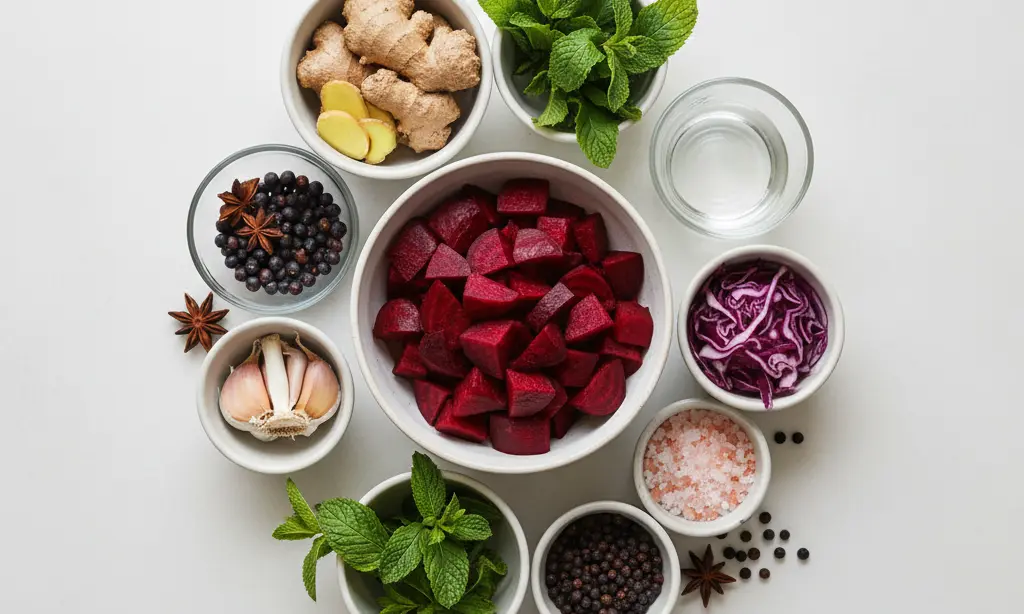
style=”padding: 8px; border: 1px solid #ddd;”>Raw Ferment Starter
| Group | Ingredient | Amount | Notes |
|---|---|---|---|
| Produce | Beets | 2-3 medium | |
| Produce | Green Cabbage | ¼ head | Chopped; a little helps with the lactic acid
fermentation. |
| Produce | White Onion | ½ medium | Chopped; adds a subtle depth. |
| Pantry | Sea Salt | 1-2 tbsp | Crucial for fermentation and flavor! |
| Optional | 1 tbsp juice | From a previous ferment, helps kickstart the process. | |
| Liquid | Filtered Water | As needed | Enough to fully submerge all your lovely veggies. |
Step-by-Step Instructions
Let’s make this happen. Crafting your own Fermented Beet Kvass Liver Support Elixir is a truly rewarding experience, yielding a delicious and healthful beverage that will make your kitchen feel like a little apothecary.
- Thoroughly clean your workspace and wash all your vegetables well.
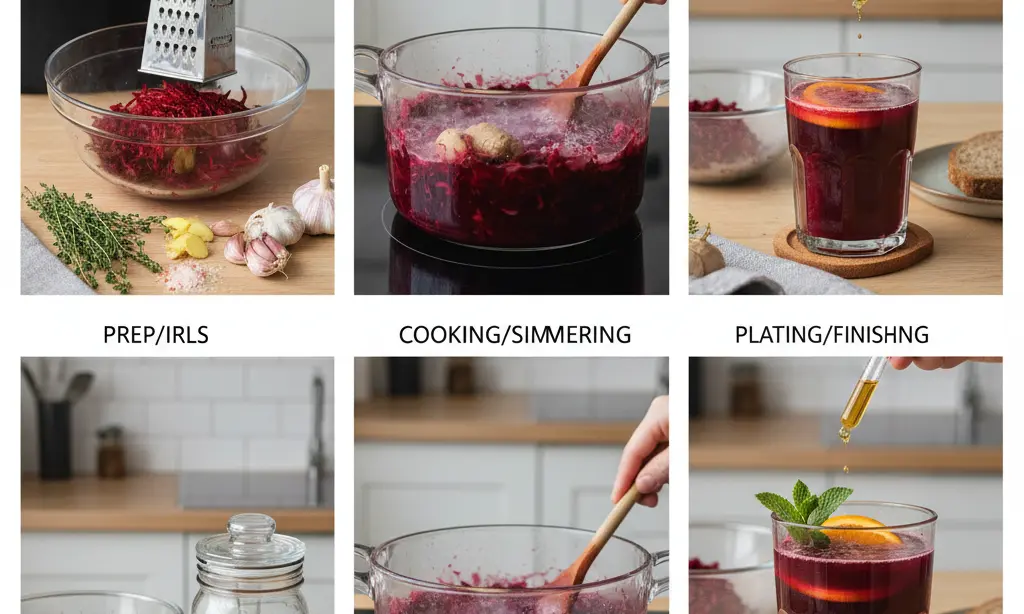
This ensures a healthy ferment and avoids unwanted bacteria.
- Roughly chop the fresh beets, crisp cabbage, and flavorful onion into bite-sized pieces. Don’t worry too much about perfection here.
- In your clean glass jar, lovingly layer the chopped vegetables with sea salt as you go.
Start with a base of cabbage and onion, then add beets on top. Lightly press the mixture down to pack it in, leaving about 2 inches of space from the top of the jar.
- Carefully add filtered water until all the vibrant vegetables are completely submerged.
Make sure to leave at least 1 inch of space between the liquid and the very top of the jar to allow for gas expansion during fermentation.
- If you’re using a starter, add that tablespoon of juice now.
Seal the jar with its tight-fitting lid, ensuring it’s secure but not overtightened if you don’t have an airlock.
- Place the sealed jar in a cool, dark spot at room temperature, away from direct sunlight. This helps create the ideal environment for beneficial bacteria to thrive.
- Allow it to ferment for a splendid 3–7 days.
Begin tasting daily after day 3. You’re looking for a balance of tangy and earthy flavor that you personally enjoy.
- Once your kvass reaches its delightful peak flavor, transfer the jar to the refrigerator. This will slow down the fermentation process significantly.
Pro Tips & Gentle Guidance
This beet kvass recipe is wonderfully forgiving, but a few little pointers can make all the difference for a perfect fermented probiotic drink. Creating fermented foods is a dance between nature and nurture, and with a little patience, you’ll have a fantastic elixir.
- Burping Your Jar: If you’re not using an airlock, gently “burp” your jar daily for the first few days. This means briefly opening the lid to release any built-up gases, then resealing it. This prevents excessive pressure and keeps your ferment happy.
- Tasting is Key: Don’t be afraid to taste your kvass daily after the third day. Your palate is your best guide! Some prefer a milder taste, while others enjoy a stronger tang. It’s all about personal preference.
- Choosing Your Beets: While peeling is optional for organic beets, it can reduce any “earthy” flavor. Experiment to see what you prefer. You might even try golden beets for a different color and slightly milder taste.
- Salt Quality Matters: Use good quality, non-iodized sea salt or Himalayan pink salt. Iodine can inhibit fermentation, and anti-caking agents in regular table salt are not ideal for these kinds of ferments.
- Troubleshooting Mold: If you see any fuzzy, colored mold, it’s best to discard the batch and start over. However, white film (kahm yeast) is usually harmless; you can just skim it off. When in doubt, throw it out, darlin’.
- Adding Spices: Feel free to get creative! A little ginger, a few peppercorns, or a bay leaf can add intriguing flavor notes to your kvass. For more fermentation tips, check out this guide on fermenting vegetables.
Variations & Adaptations
This Fermented Beet Kvass Liver Support Elixir is wonderfully adaptable, making it easy to create new flavors to suit your taste. Don’t be afraid to experiment with different additions to your fermented probiotic drink.
- Ginger-Infused Kvass: Add a few slices of fresh ginger rhizome along with the other vegetables for a spicy kick and an extra boost of digestive support.
This variation is particularly soothing.
- Herbal Kvass: Incorporate fresh herbs like rosemary, thyme, or a bay leaf for unique aromatic profiles.
Just a small sprig can make a big difference in the final flavor.
- Fruity Twist: A small amount of apple or orange peel (organic only, and no white pith) can add a subtle sweetness and different fermentable sugars.
Be cautious with fruit as it can accelerate fermentation significantly!
- Spice it Up: A pinch of black peppercorns or a few juniper berries can add a delightful complexity.
These spices often pair beautifully with the earthy notes of beets.
- Vegetable Variety: While beets are traditional, you can also experiment with other root vegetables like carrots or parsnips. Just keep the core principles of fermentation in mind.
Quick Fixes for Fermented Beet Kvass Liver Support Elixir
Sometimes, a little hiccup happens when making your fermented probiotic drink. Don’t you fret, darlin’, these quick fixes will get your Fermented Beet Kvass Liver Support Elixir back on track.
Problem: Kvass isn’t bubbling or fermenting.
Solution: Ensure your kitchen isn’t too cold; fermentation slows significantly in cooler temperatures. Try moving your jar to a warmer spot (ideally 68-75°F / 20-24°C).
If you didn’t use a starter earlier, adding a tablespoon of juice from a previous ferment or a pinch of an unprocessed probiotic capsule can kickstart it. Double-check you used non-iodized salt.
Problem: Kvass is too salty for your taste.
Solution: Next time, reduce the salt to 1 tablespoon. For the current batch, if it’s still fermenting, the saltiness will mellow out a bit. If it’s already chilled, you can dilute a serving with a splash of filtered water or sparkling water to cut the saltiness.
Problem: Unpleasant smell or off-flavor.
Solution: A funky smell that is truly off (not just sour/earthy) and an odd taste usually indicates a problematic ferment.
Trust your nose and your gut here – if it smells or tastes truly bad, it’s best to discard it and ensure all your equipment is thoroughly cleaned for your next batch.
Problem: Kvass gets too sour too quickly.
Solution: This often means your fermentation environment is a bit too warm, or it fermented for too long. Move your jar to a slightly cooler spot, and start tasting around day 2 or 3 in future batches. You can also transfer it to the fridge earlier to slow down the process.
Storage & Reheating
Your wonderful Fermented Beet Kvass Liver Support Elixir is best enjoyed chilled and often. It’s a living fermented probiotic drink, so proper storage is important to maintain its beneficial properties. Store it well, and this liver detox support will be a consistent friend.
When you’re ready to enjoy, pour a small glass and savor its tangy, earthy goodness. It’s wonderful by itself or can be incorporated into dressings or marinades for an extra probiotic boost. Once fermented to your liking, transfer the kvass to the refrigerator.
This dramatically slows down the fermentation process, preserving its flavor and beneficial bacteria for longer. Keep it in its sealed jar or transfer it to smaller bottles for convenience. Kvass isn’t really “reheated” as heat would kill the beneficial probiotics. It’s a refreshing beverage meant to be enjoyed cold or at room temperature.
If you prefer a stronger flavor, let a portion sit out on the counter for a few hours before drinking.
| Storage Method | Container | Duration | Notes |
|---|---|---|---|
| Refrigerator | Airtight glass jar or bottles | Up to 2-3 months | Flavor may continue to develop subtly over time. |
| Countertop (Active Ferment) | Airtight glass jar | 3-7 days | Taste daily to prevent over-fermentation. |
No-Waste Kitchen Magic
Embracing a no-waste mindset is part of the joy of cooking, even with your Fermented Beet Kvass Liver Support Elixir. Every part of your ingredients, especially for this liver detox support drink, can often find a second life.
- Re-Fermeting the Beet Pulp: Don’t toss those fermented beet pieces immediately!
You can often get a second, albeit milder, batch of kvass from them. Just add fresh filtered water and a pinch more salt. It might take a little longer to ferment.
- Compost Your Scraps: Any inedible parts of the beets, cabbage, or onion are fantastic additions to your compost bin.
Giving back to the earth is a beautiful thing.
- Use Fermented Veggies in Dishes: The fermented beets themselves, after making your kvass, can be chopped and added to salads, grain bowls, or even pureed into a savory dressing. They’ll have a wonderfully tangy flavor.
- Flavor Boost for Stocks: Even if you don’t re-ferment the beet pieces, they can add a subtle earthy depth to vegetable stocks.
- Just strain them out before freezing your stock.
You can also explore how we make the most of ingredients in our peach cobbler dump cake.
Frequently Asked Questions
Here are some common questions folks ask about making their own Fermented Beet Kvass Liver Support Elixir.
How much spearmint tea should I drink for hormone balance?
Most research on spearmint tea and hormone balance used two cups per day as the effective dose. Starting with one cup daily and working up to two is a gentle, sustainable approach for most women.
How long does it take for spearmint tea to balance hormones?
Studies typically ran for 30 days to 12 weeks before participants noticed measurable changes in hormone levels. Consistency is key — think of it as a daily ritual, not a quick fix.
Can I drink spearmint tea if I have PCOS?
Spearmint tea has been specifically studied in women with PCOS and showed promising results for reducing excess androgens. Always check with your doctor before adding herbal teas to a PCOS management plan, especially if you’re on medication.
Is spearmint tea the same as peppermint tea?
They’re related but different. Spearmint is lower in menthol and has a milder, sweeter flavor. For hormone-related benefits, spearmint is the one backed by research — peppermint is a lovely add-in but shouldn’t replace spearmint in your ritual.
What is the best time of day to drink spearmint tea for hormones?
There’s no strict rule — morning or evening both work well. Morning works nicely as a calm, caffeine-free start. Evening is wonderful for winding down. Pick whichever time you’ll actually stick to consistently.
Final Dish
Oh, darlin’, there’s nothing quite like sipping on a glass of your very own homemade Fermented Beet Kvass Liver Support Elixir. It’s a simple, vibrant, and healthful fermented probiotic drink that truly nourishes your body from the inside out. This liver detox support recipe is a testament to the power of traditional foods.
I hope you enjoy the journey of making it as much as you savor each refreshing sip! Feel free to share your pictures and experiences with me – I love seeing what you create in your own cozy kitchens.
I’m Linda Sandra — a Charleston home chef and comfort-food daydreamer. Around here, cooking’s not about perfection — it’s about cozy vibes, creative twists, and food that feels like love.
Fermented Beet Kvass Liver Support Elixir
Ingredients
Ingredients
- 2 –3 medium beets scrubbed and peeled if not organic, cubed
- ¼ head green cabbage chopped
- ½ medium white onion chopped
- 1 –2 tbsp sea salt
- 1 tbsp juice from a previous raw ferment optional, as a starter
- Filtered water enough to fully submerge ingredients
- 1 clean ½-gallon glass jar with a tight-fitting lid
Instructions
- Clean your workspace thoroughly and wash all vegetables well.
- Roughly chop the beets, cabbage, and onion.
- In your glass jar, layer the vegetables with salt as you go. Start with cabbage and onion, then add beets on top to help weigh everything down naturally. Lightly press the mixture to pack it in, leaving about 2 inches of space at the top.
- Add filtered water until all vegetables are fully submerged, leaving at least 1 inch of space between the liquid and the lid.
- Seal the jar and place it in a cool, dark space at room temperature.
- Let it ferment for 3–7 days. Taste daily after day 3 until it reaches your preferred balance of tangy and earthy flavor.
- Once ready, transfer to the refrigerator to slow fermentation.