Cocktails & Mocktails
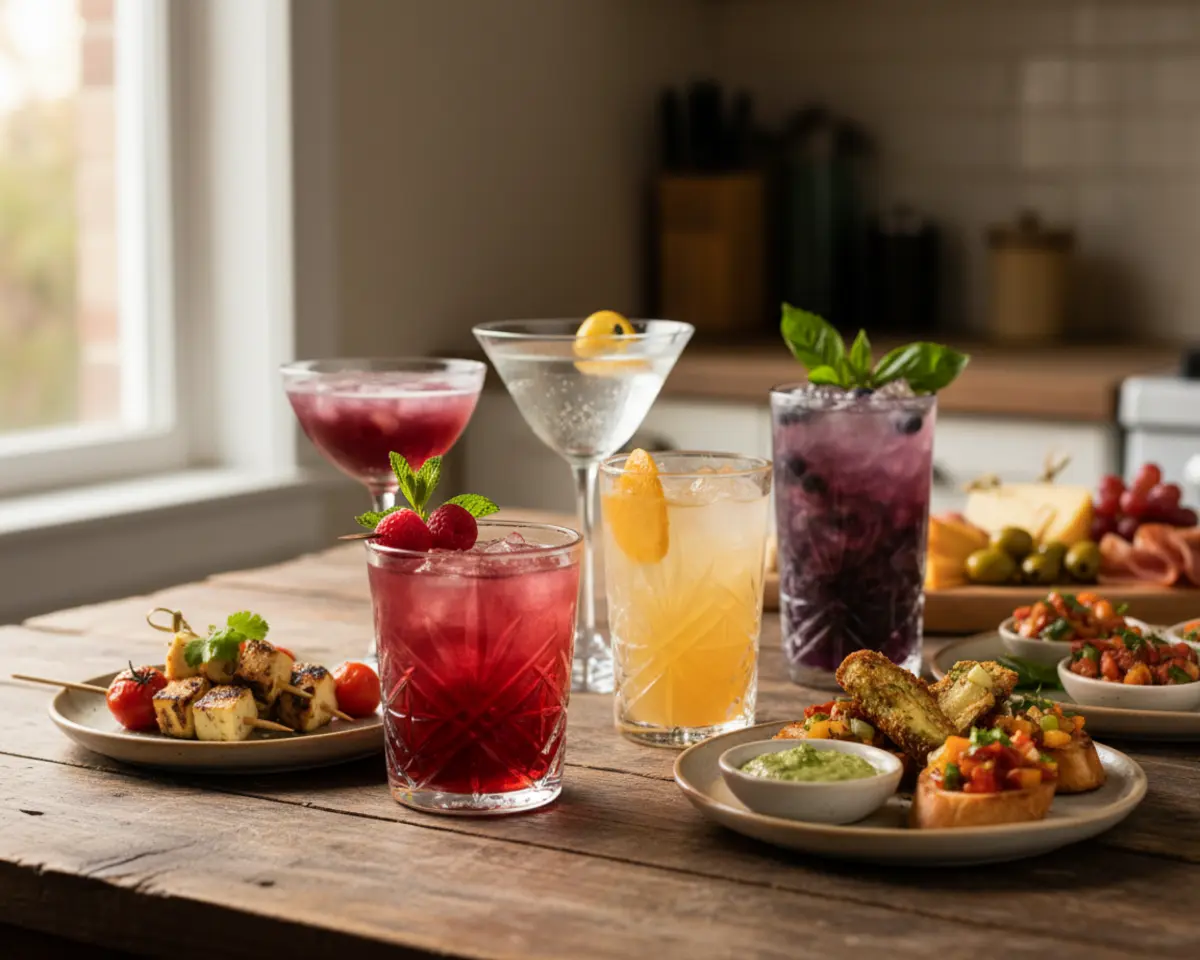
Discover the perfect balance of refreshing cocktails & mocktails for every occasion, from backyard gatherings to cozy nights in. Whether you’re shaking up fruity sangrias or stirring together vibrant lemonades, these drink recipes bring flavor, fun, and a splash of creativity to your glass.
I’ll never forget the summer afternoon when my friend Sarah showed up with a pitcher of peach cocktails that tasted like sunshine in a glass. We sat on the porch, ice clinking, condensation dripping down our glasses as we laughed and caught up. That moment taught me something important—drinks aren’t just beverages, they’re memory-makers.
Whether you’re hosting a weekend brunch, planning a girls’ night, or just want something special to sip while watching the sunset, having a collection of go-to cocktail recipes and mocktail recipes makes all the difference. The best part? You don’t need a fancy bar setup or bartending degree to create drinks that wow.
Table of Contents
Quick Overview
Love Cocktails Mocktails? Our complete Total Refreshing Drinks & Beverage Recipes brings together even more creative possibilities and expert tips you won’t want to miss.
This guide walks you through three stunning drink recipes that cover all your entertaining needs. From peachy Southern charm to crisp apple sangria and playful pink lemonade twists, you’ll find options for both spirited cocktails and their alcohol-free cousins.
Each recipe is designed to be approachable, visually gorgeous, and downright delicious. Plus, I’ll share the little tricks that take these drinks from “that’s nice” to “oh wow, can I have the recipe?”
Georgia Peach Cocktail Recipe
This Southern-inspired sipper captures everything wonderful about summer peaches in liquid form. The combination of fresh peach puree, bourbon, and a hint of lemon creates a balanced drink that’s sweet without being cloying. Try this peachy perfection when you want something that feels both elegant and easygoing.

Olive Garden Green Apple Sangria Recipe
Remember that refreshing sangria from Olive Garden that had everyone asking for refills? Now you can recreate that crisp, fruity magic at home. This version combines white wine, green apple liqueur, and fresh fruit for a pitcher-perfect drink that’s ideal for gatherings.
Make this crowd-pleasing sangria and watch it disappear faster than breadsticks at the restaurant.

Pink Lemonade Cocktail Recipe
Who says pink lemonade is just for kids? This grown-up version adds vodka and fresh berries to childhood’s favorite drink, creating something playful yet sophisticated. The vibrant pink color makes it Instagram-worthy, while the tart-sweet balance keeps you coming back for more.
Shake up this pretty-in-pink cocktail for your next celebration or impromptu happy hour.

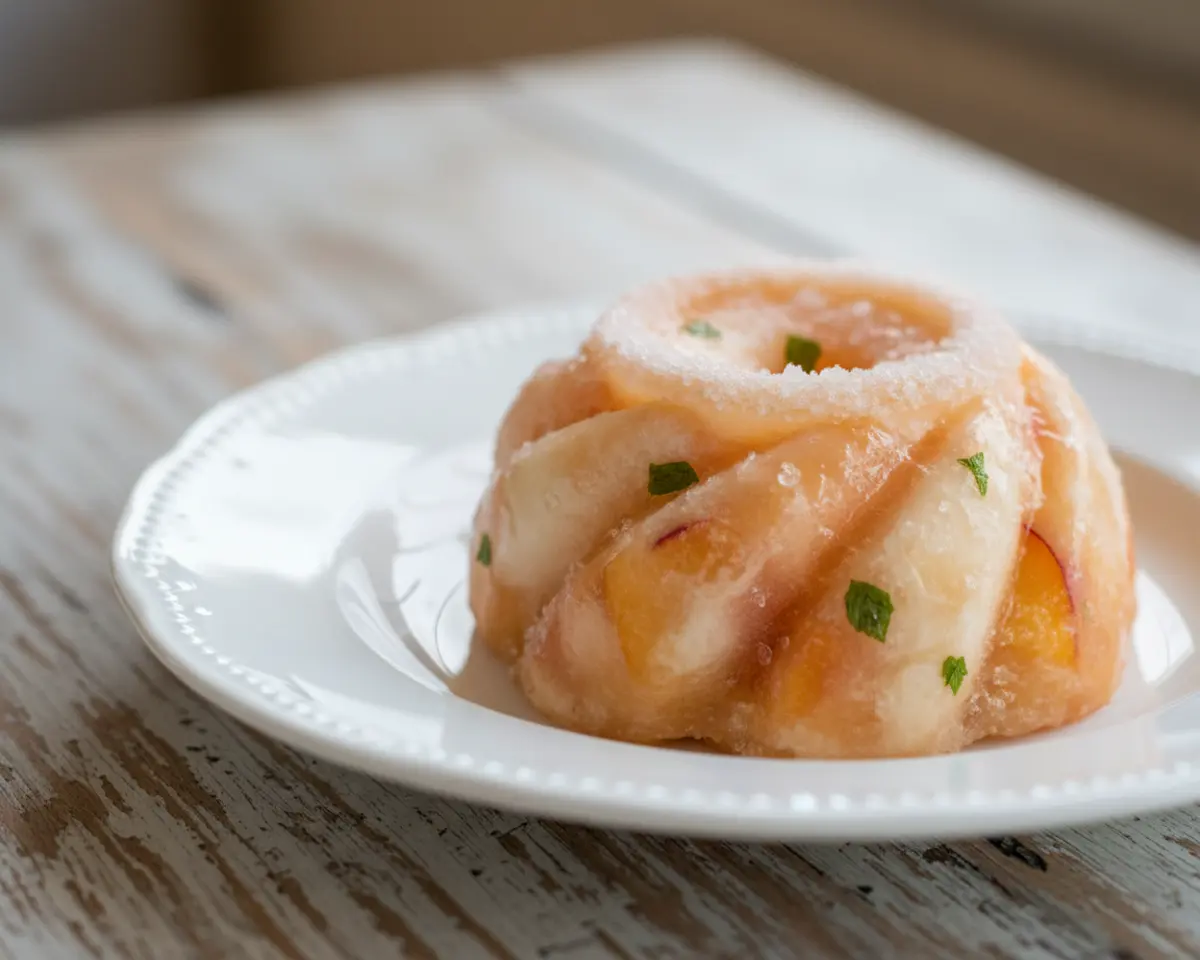
Peach Bellini Frozen Cocktail Recipe
Get ready to whisk yourself away to a sun-drenched patio with this Peach Bellini Frozen Cocktail! We’ve taken the classic bubbly brunch favorite and given it a frosty, fun makeover. It’s ridiculously easy to blend up and perfect for any summer gathering!
Part of our “Sip & Savor Summer” collection, this recipe is pure peachy bliss in a glass. So grab your blender and let’s whip up some refreshing magic – your taste buds will thank you!
For all the ingredients and cooking tips, get the full peach bellini frozen cocktail recipe recipe here.
Expert Tips for Perfect Cocktails and Mocktails
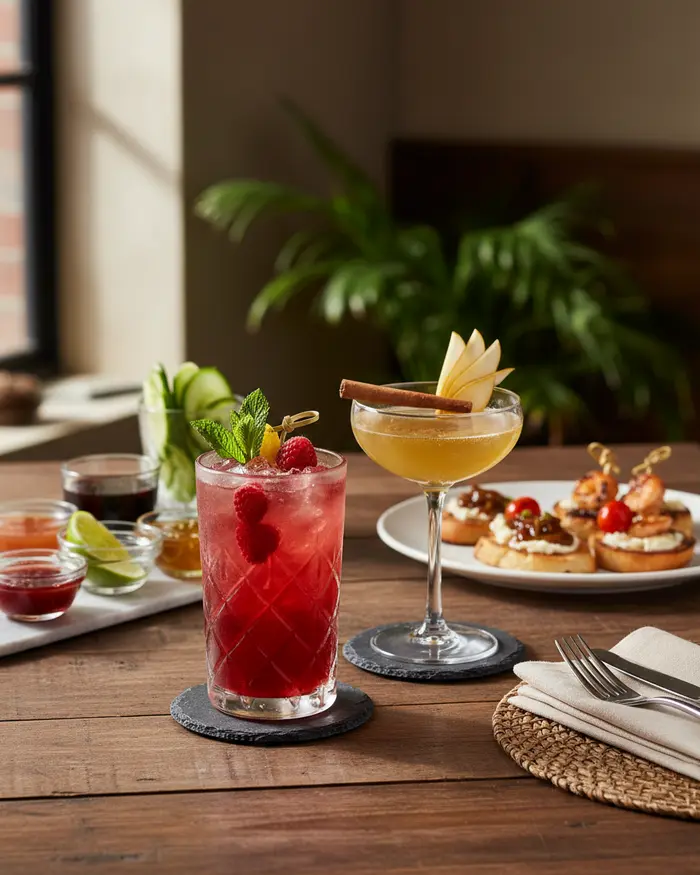
The secret to memorable drinks isn’t expensive liquor or fancy equipment—it’s understanding a few key principles. First, always start with quality ice. Sounds basic, right? But old freezer ice that’s absorbed odors can ruin even the best cocktail recipes.
Temperature matters more than most people realize. Serious Eats explains the science of cocktail temperature and why proper chilling through shaking or stirring makes such a huge difference in taste and mouthfeel.
For fruit-based drinks, fresh is almost always better than bottled juice. The difference in flavor is dramatic, especially with citrus. When I switched from store-bought lemon juice to fresh-squeezed, my cocktails went from “pretty good” to “can you make another round?”
Here’s a game-changer for mocktails: don’t just remove the alcohol and call it done. Replace it with something interesting like flavored syrups, muddled herbs, or sparkling water. The goal is complexity and depth, not just sweet juice in a fancy glass.
Balance is everything in cocktails and mocktails. You want harmony between sweet, tart, and spirit (or in mocktails, other flavor elements). If something tastes too sweet, add citrus. Too tart? A touch of simple syrup fixes it. Too strong? More mixer or ice.
Making Mocktails Just as Special
I used to think mocktails were just an afterthought for designated drivers, but I’ve completely changed my tune. When crafted with the same care as cocktails, alcohol-free drinks can be every bit as satisfying and complex.
The key is layering flavors. Use fresh herbs like basil or mint, quality fruit purees, interesting bitters (many are non-alcoholic), and textural elements like sparkling water or coconut cream. Cooking Light’s guide to mocktail making offers fantastic insights into building depth without spirits.
Don’t skimp on presentation either. Use the same beautiful glassware, garnishes, and serving style you’d use for regular cocktails. When guests feel special holding their drink, it tastes better—that’s not just psychology, it’s hospitality.
Seasonal Variations and Flavor Twists
One of my favorite things about these recipes is how adaptable they are to what’s fresh and in season. That peach cocktail? Swap in nectarines, plums, or even apricots when peaches aren’t at their peak. The flavor profile shifts slightly but stays delicious.
For the sangria, you can play with different wine bases and fruit combinations throughout the year. Try pears and cranberries in fall, or citrus and pomegranate in winter. The green apple base works beautifully as a starting point for endless variations.
The pink lemonade cocktail invites experimentation with different berries—try blackberries for deeper color, or a mix of raspberries and strawberries. You can even make a lavender version by adding a homemade lavender simple syrup.
Herbs are another easy way to elevate any of these drinks. Muddle fresh basil into the peach cocktail, add rosemary to the sangria, or float mint sprigs in the pink lemonade. Fresh herbs add aromatic complexity that makes people lean in and ask, “what’s in this?”
Batch-Making for Parties
Nothing kills a host’s good time faster than being stuck behind the bar all night. That’s why I’m a huge fan of batch-making cocktails ahead of time. The sangria is naturally perfect for this—in fact, it gets better when the flavors meld overnight.
For the other drinks, you can pre-mix everything except carbonated ingredients and ice. Store the mixture in the fridge, then just add the fizzy stuff and ice when guests arrive. This works beautifully for both full-strength cocktails and mocktail versions.
Set up a simple self-serve station with your pre-batched mixture, ice bucket, garnishes, and pretty glassware. Write out a little card with quick instructions. Your guests will love playing bartender, and you’ll actually get to enjoy your own party.
For larger crowds, consider making a signature drink rather than trying to accommodate every request. Choose one of these recipes, scale it up, and make it the star. It simplifies shopping, prep, and execution while still feeling special and thoughtful.
The Right Glassware Makes a Difference
You don’t need a full bar’s worth of specialized glasses, but having a few key styles does enhance the drinking experience. Cocktails taste different depending on the glass—it affects how the aromas reach your nose and how the liquid hits your palate.
For the peach cocktail, a rocks glass or coupe feels right—something you can cradle while sipping slowly. The sangria begs for a wine glass or stemless tumbler that shows off those beautiful floating fruit pieces. And that pink lemonade? Serve it in a tall glass with lots of ice for maximum refreshment factor.
If you’re building a basic collection, start with these: rocks glasses, wine glasses, and highball glasses. Those three cover about 90% of cocktails and mocktails you’ll ever make. The fancy stuff can come later if you catch the mixology bug.
Garnishes That Wow
A thoughtful garnish transforms a drink from homemade to handcrafted. I’m not talking about those sad, dried-out orange slices from the back of your fridge. Fresh, intentional garnishes add aroma, visual appeal, and sometimes even flavor.
For fruit-forward drinks, use the actual fruit featured in the recipe. A fresh peach slice on the rim instantly tells guests what they’re about to taste. For the sangria, skewer some of the macerated fruit on a cocktail pick. The pink lemonade looks stunning with fresh berries and a lemon wheel.
Fresh herb sprigs do double duty—they look gorgeous and release aroma with every sip. Just give them a little slap between your palms before adding to release the oils. Mint, basil, and rosemary are all cocktail-friendly and easy to find.
Don’t forget the rim! A simple sugar or salt rim can elevate the whole experience. For something extra special, mix colored sugar with complementary spices. Pink sugar with a pinch of vanilla for the lemonade, or cinnamon sugar for the peach cocktail in fall.
Troubleshooting Common Drink Disasters
We’ve all been there—you follow the recipe exactly, but something’s just… off. Too sweet? Add fresh citrus juice or a splash of club soda to cut the sweetness. Go slowly, taste as you go, and remember you can always add more but can’t take it back.
If your drink tastes watery, you either used too much ice or it sat too long before serving. For parties, consider using larger ice cubes or spheres that melt slower. You can also chill ingredients beforehand so you need less ice overall.
Flat sangria happens when you add sparkling wine or soda too early. Always add the bubbly stuff right before serving, never hours in advance. The fruit and wine can hang out together all day, but keep those bubbles fresh.
Sometimes drinks separate or look cloudy when they shouldn’t. This often happens with citrus-heavy recipes. A quick restir usually fixes it, or strain your juice better next time to remove pulp if you want crystal clarity.
Stocking Your Home Bar Basics
You don’t need a liquor store’s inventory to make great drinks. For these three recipes, you’ll want a decent bourbon or whiskey, vodka, and a white wine you’d actually drink on its own. Green apple liqueur adds that signature sangria flavor, but you can substitute apple schnapps in a pinch.
Beyond alcohol, keep fresh citrus (lemons and limes), simple syrup (or make your own—it’s just equal parts sugar and water), and whatever fruits are seasonal and beautiful. A bottle of good bitters, some club soda, and tonic water round out the essentials.
For tools, you really only need a cocktail shaker, a jigger for measuring, a strainer, and a muddler. A long bar spoon is nice but a regular spoon works fine. I’ve made hundreds of cocktails with just these basics and a whole lot of enthusiasm.
When to Shake vs. Stir
This is one of those details that seems fussy but actually matters. The general rule: shake drinks with citrus, cream, or egg whites. Stir drinks that are all spirits or spirit-forward. Why? Shaking aerates and chills quickly, perfect for those textured ingredients.
For the peach cocktail with its fruit puree and lemon, definitely shake it. That pink lemonade with fresh berry elements? Shake it up good. The sangria doesn’t need shaking at all—just gentle stirring to combine keeps the fruit intact and the wine from getting cloudy.
When you shake, really go for it. A good 15-20 seconds of vigorous shaking properly chills and dilutes the drink. You should feel the shaker get frosty in your hands. Half-hearted shaking gives you a lukewarm disappointment.
Making It Your Own
The best cocktails and mocktails are the ones that match your personal taste. Use these recipes as starting points, then adjust based on what you love. Prefer less sweet? Cut the sugar. Want more kick? Add an extra splash of spirits.
I’ve learned to taste as I go and trust my palate. If something doesn’t taste quite right, pause and think about what’s missing. More acid? More sweet? More complexity? Usually the fix is simpler than you think—a squeeze of lime or dash of bitters often does the trick.
Keep notes on your experiments, especially the successful ones. I use my phone to snap a quick picture of any modifications I make to recipes. Six months later when I want to recreate that amazing variation, I’m so glad I did.
Cheers to Your Next Gathering
There’s something magical about raising a beautiful glass with people you care about. These cocktail recipes and their mocktail versions give you the tools to create those moments, whether you’re toasting big news, celebrating another Friday, or just enjoying a quiet evening at home.
Start with one recipe that speaks to you, make it your own, and watch how a thoughtfully made drink elevates the whole experience. Then branch out and try the others. Before you know it, you’ll be the friend everyone wants to host—or at least the one making the drinks.
I’d love to hear which recipe you try first and how you make it your own. Drop a comment below with your variations, disasters, or triumphs. And if you’re feeling generous, share this guide with your fellow drink enthusiasts who could use some fresh cocktails and mocktails inspiration. Here’s to delicious drinks and even better company!
Frequently Asked Questions
What is the difference between a cocktail and a mocktail?
A cocktail is a mixed drink that contains alcohol, typically combining spirits with mixers, juices, or other ingredients. A mocktail is a non-alcoholic version that mimics the complexity and presentation of cocktails but uses only alcohol-free ingredients like fruit juices, syrups, sodas, and herbs.
What are the essential tools needed to make cocktails at home?
The basic tools include a cocktail shaker, jigger for measuring, bar spoon, muddler, strainer, and citrus juicer. Additionally, having proper glassware like highball glasses, martini glasses, and rocks glasses will enhance your cocktail-making experience. A good knife and cutting board for garnishes are also useful.
How long can you store pre-made cocktails?
Most pre-made cocktails can be stored in the refrigerator for 1 to 2 days if they contain fresh juices or dairy products. Cocktails made only with spirits, bitters, and vermouth can last up to a week when refrigerated. Always store them in airtight containers and give them a quick stir before serving as ingredients may separate.
What are some popular mocktail recipes for non-drinkers?
Popular mocktails include the Virgin Mojito made with mint, lime, sugar, and soda water; Virgin Pina Colada with coconut cream, pineapple juice, and ice; Shirley Temple combining ginger ale, grenadine, and a cherry; Cucumber Cooler with cucumber, lime, and tonic water; and Cranberry Sparkler mixing cranberry juice with sparkling water and fresh rosemary.
What is the proper way to shake versus stir a cocktail?
Shaking is used for cocktails with juices, cream, eggs, or thick ingredients to properly blend and chill them quickly, creating a frothy texture. Shake vigorously for 10 to 15 seconds. Stirring is preferred for spirit-forward drinks like martinis and manhattans to gently combine ingredients while maintaining clarity and silky texture. Stir for 30 to 40 seconds until well-chilled.