Overripe Summer Tomato Sauce
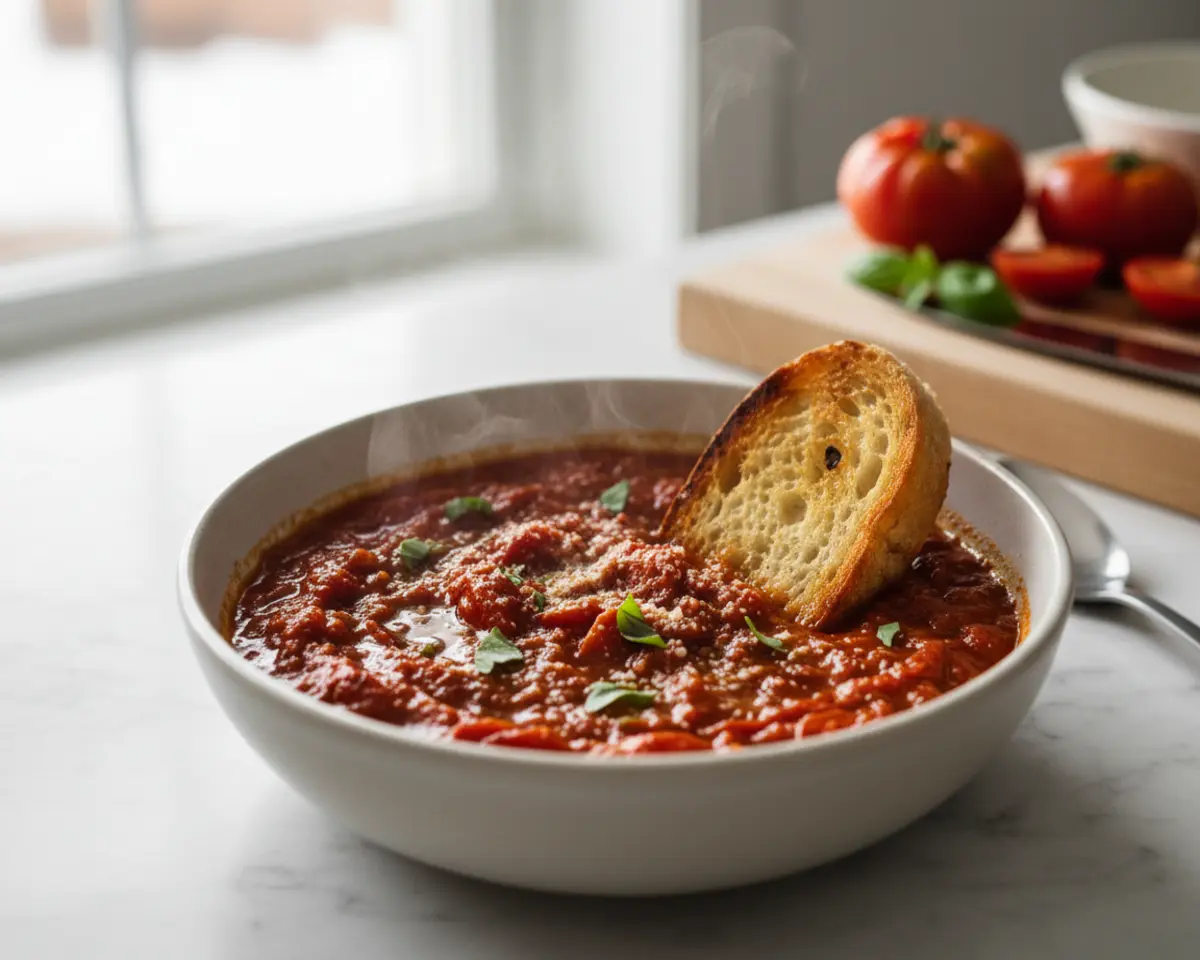
This Overripe Summer Tomato Sauce transforms those too-soft, overly ripe garden tomatoes into a luscious, cozy sauce that tastes like pure summer in a jar. Perfect for preserving peak-season produce, this homemade tomato sauce is simple, forgiving, and bursting with that deep, sweet tomato flavor you just can’t buy at the store.
Hey friend, I’m Linda Sandra, your Charleston kitchen companion, and today we’re rescuing those overripe summer tomatoes that are just about to turn. You know the ones — sitting on your counter, looking a little sad, maybe leaking just a touch. Those beauties are exactly what we need for the silkiest, most flavorful Overripe Summer Tomato Sauce you’ve ever tasted.
Table of Contents
Quick Overview
This recipe is just the beginning. Over in the Seasonal Celebrations collection, you’ll find even more dishes that are just as easy and packed with flavor. Go take a peek — your next favorite is waiting.
Little Snapshot: What This Recipe Delivers
This Overripe Summer Tomato Sauce is a simple, one-pot wonder that turns overripe garden tomatoes into a rich, silky sauce in under an hour. It’s perfect for pasta, pizza, or freezing for cozy winter meals, and it requires just a handful of pantry staples.
Why You’ll Love This Recipe 🌸
- This Overripe Summer Tomato Sauce takes less time than scrolling through dinner ideas on your phone.
- It rescues tomatoes you thought were destined for the compost bin and turns them into cozy, freezer-friendly gold.
- No fancy ingredients, no peeling required if you don’t want to — just pure tomato love with a Charleston hug.
- According to Michigan State University Extension, overripe tomatoes are still perfectly safe and delicious to cook with — and this recipe proves exactly why.
Quick Facts ⚡
Here’s the quick scoop on this Overripe Summer Tomato Sauce.
- CourseMain Dish / Sauce
- Prep Time15 minutes
- Cook Time45 minutes
- Total Time1 hour
- Servings6 servings (about 4 cups)
- DifficultyEasy
Nutritional Peek
| Nutrient | Amount per serving |
|---|---|
| Calories | 85 kcal |
| Protein | 2g |
| Carbohydrates | 11g |
| Fat | 5g |
| Fiber | 3g |
| Sugar | 7g |
What You’ll Need
This recipe is wonderfully low-maintenance. You probably have everything you need already sitting in your kitchen, just waiting to rescue those tomatoes.
- Large pot or Dutch oven (at least 5-quart capacity)
- Sharp knife and cutting board
- Wooden spoon or silicone spatula
- Immersion blender (or regular blender/food processor)
- Large slotted spoon (if blanching tomatoes)
- Ice bath bowl (optional, for peeling)
- Measuring spoons
Ingredients
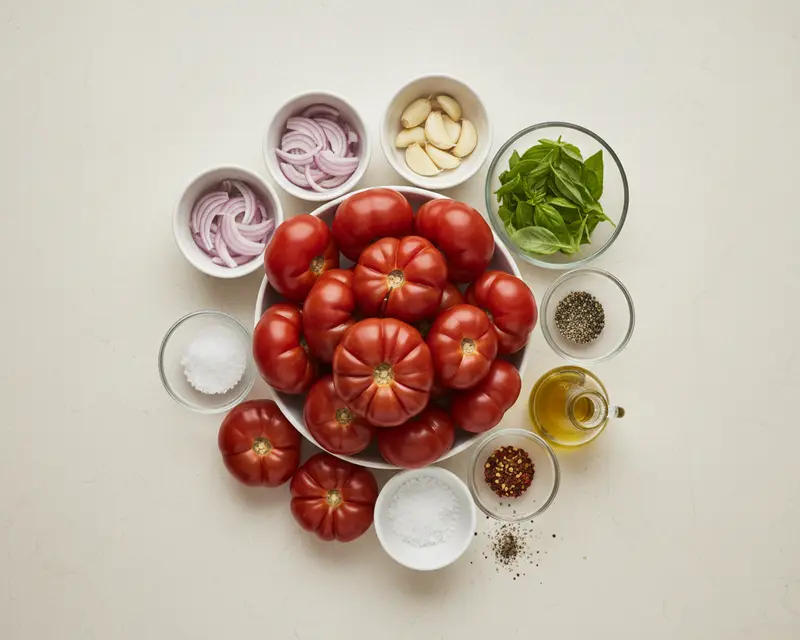
Homemade Tomato Sauce starts with tomatoes that are soft, sweet, and ready to surrender all their flavor. Think of overripe tomatoes as little flavor bombs just waiting to explode into sauce magic. Pair them with a few aromatics and a touch of olive oil, and you’ve got a base that beats any jarred sauce by a Charleston mile.
| Group | Ingredient | Amount | Notes |
|---|---|---|---|
| Base | Very ripe summer tomatoes (Roma, Beefsteak, or mixed) | 3 lbs | The softer, the better — they’ll break down beautifully |
| Base | Olive oil | 2 tablespoons | Extra virgin adds a lovely fruity note |
| Aromatics | Large onion, chopped | 1 | Yellow or sweet onion works great |
| Aromatics | Garlic cloves, minced | 3-4 | Fresh is best, but jarred minced works in a pinch |
| Seasonings | Dried oregano (or fresh, chopped) | 1/2 teaspoon dried (or 1 tablespoon fresh) | Italian oregano is classic here |
| Seasonings | Red pepper flakes | 1/4 teaspoon (optional) | Just a hint of warmth, skip if cooking for little ones |
| Seasonings | Salt and black pepper | To taste | Season generously at the end |
| Garnish | Fresh basil leaves | Optional | Torn, not chopped, for that restaurant touch |
Step-by-Step Instructions
Let’s make this happen. Overripe Summer Tomato Sauce is forgiving, cozy, and turns your kitchen into the coziest place on earth. Just follow along, and don’t stress about perfection.
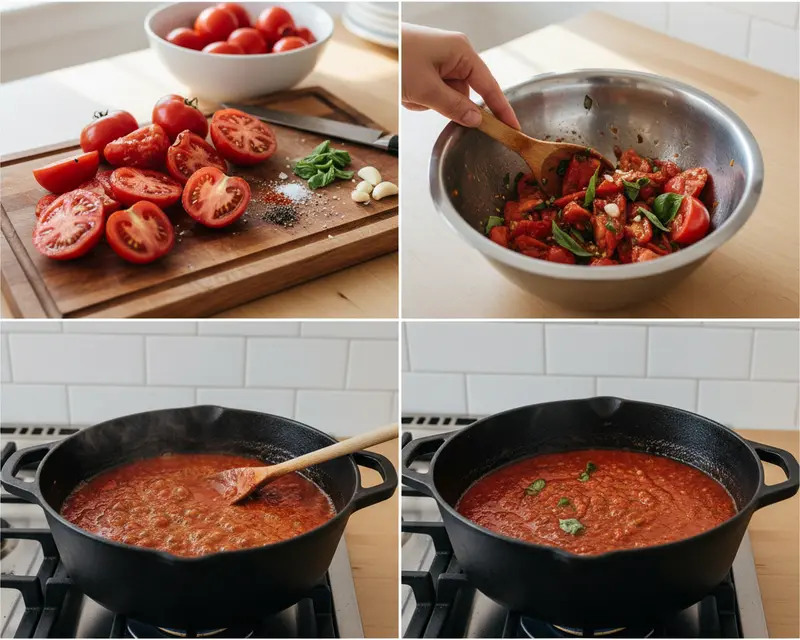
Step 1: Prep Your Tomatoes
Wash and core the tomatoes, cutting out any tough stem ends. If you want a super-smooth sauce, you can peel them by scoring a small “x” at the bottom of each tomato, then dropping them into boiling water for 30-60 seconds. Transfer them immediately to an ice bath, and the skins will slide right off like magic.
Chop the tomatoes into large, uneven chunks — they’ll break down anyway, so no need to be precious here.
Step 2: Soften the Onions
Heat the olive oil in a large pot or Dutch oven over medium heat until it shimmers gently. Add the chopped onion and cook, stirring occasionally, until it softens and turns translucent, about 5-7 minutes. You’ll know it’s ready when the onion smells sweet and has lost its raw bite.
Step 3: Add Garlic and Spice
Stir in the minced garlic and red pepper flakes (if using), and cook for just one minute until the garlic becomes fragrant and lightly golden. Watch it closely — burnt garlic turns bitter fast, and we want all the sweet, mellow garlic flavor here.
Step 4: Simmer the Tomatoes
Stir in the chopped tomatoes and dried oregano, scraping up any tasty brown bits from the bottom of the pot. Bring the mixture to a gentle simmer, then reduce the heat to low, cover the pot, and let it cook for at least 30-45 minutes, stirring occasionally.
For even deeper flavor, let it go for 1.5-2 hours — the tomatoes will completely break down, and the sauce will thicken and intensify beautifully.
Step 5: Blend to Perfection
Once the sauce has cooked down and the tomatoes have surrendered into a jammy, bubbling pool, use an immersion blender to purée it directly in the pot to your preferred smoothness. If you don’t have an immersion blender, carefully transfer the hot sauce in batches to a regular blender or food processor, venting the lid to let steam escape, then return the puréed sauce to the pot.
Step 6: Season Generously
Taste the sauce and season it generously with salt and freshly ground black pepper. Overripe tomatoes are naturally sweet, so a good pinch of salt will balance and brighten all those flavors. Adjust until it tastes like a cozy hug in a spoon.
Step 7: Serve and Enjoy
Serve the sauce warm over your favorite pasta, as a base for ricotta bruschetta with roasted tomatoes, or spooned onto homemade pizza dough. Garnish with torn fresh basil leaves if you’ve got them. Leftovers can be stored in an airtight container in the refrigerator for up to 5 days, or frozen for up to 3 months.
Pro Tips & Gentle Guidance
Making Garden Tomato Sauce is one of those recipes where a few small tweaks can make a big difference. Here’s what I’ve learned after years of rescuing overripe tomatoes and turning them into pure comfort.
Use the ripest tomatoes you can find. Seriously overripe tomatoes — the ones that are practically falling apart — make the sweetest, most flavorful sauce. Don’t be shy about using tomatoes with soft spots or slight bruising; just cut away any truly bad parts.
Skip the peeling if you’re blending. If you’re using an immersion blender or regular blender, you can leave the skins on. They’ll blend right in, and you’ll save yourself 15 minutes of fussy prep work. The result is a slightly thicker, more rustic sauce with extra fiber.
Adjust the consistency with a splash of water or broth. If your sauce gets too thick during cooking, thin it out with a few tablespoons of water, vegetable broth, or even pasta cooking water. If it’s too thin, just let it simmer uncovered for another 10-15 minutes until it reduces to your liking.
Add a pinch of sugar if your tomatoes are tart. Sometimes even ripe tomatoes can taste a little acidic. A tiny pinch of sugar (like 1/4 teaspoon) can balance the acidity without making the sauce taste sweet. Taste as you go.
Taste and season at the end. Salt and pepper should always be added after the sauce has cooked down and concentrated. That way, you won’t over-season and end up with a too-salty sauce. Trust your taste buds — they know what’s up.
Infuse extra flavor with a Parmesan rind. If you have a Parmesan rind lying around, toss it into the pot while the sauce simmers. It adds a subtle umami depth that makes the sauce taste like it’s been simmering all day. Just fish it out before blending.
For more tips on preserving and using summer produce, check out this helpful guide on safe tomato canning practices from the National Center for Home Food Preservation.
Variations & Adaptations
This Easy Tomato Sauce Recipe is a blank canvas just begging for your creative touch. Here are some of my favorite ways to adapt it based on what’s in your fridge or what your family loves.
Roasted Tomato Sauce
Before simmering, roast the halved tomatoes (cut-side up) on a baking sheet with olive oil, garlic cloves, and a sprinkle of salt at 400°F for 30-40 minutes. The caramelization adds a smoky sweetness that’s absolutely swoon-worthy. Then proceed with the recipe as written.
Herb-Infused Sauce
Toss in a few sprigs of fresh thyme, rosemary, or a bay leaf while the sauce simmers. Remove them before blending. Fresh herbs add a garden-fresh layer of flavor that makes the sauce taste even more homemade.
Creamy Tomato Sauce
Stir in 1/4 to 1/2 cup of heavy cream or half-and-half after blending for a luscious, velvety sauce that’s perfect for pasta or as a dipping sauce. This turns your sauce into a cozy, restaurant-style pink sauce.
Spicy Arrabbiata Style
Double or triple the red pepper flakes, and add a pinch of cayenne for a fiery kick. Serve it over penne for a classic arrabbiata that’ll warm you from the inside out.
Chunky Garden Sauce
Skip the blending step entirely and leave the sauce chunky. Add diced bell peppers, zucchini, or mushrooms along with the tomatoes for a hearty, veggie-loaded sauce that’s perfect over spaghetti or as a base for shakshuka.
Vegan & Dairy-Free
This recipe is already naturally vegan and dairy-free. Just make sure any garnishes or add-ins (like cheese) are also plant-based if you’re serving it to vegan friends.
Quick Fixes for Overripe Summer Tomato Sauce
Even the easiest recipes can throw a little curveball now and then. Here’s how to troubleshoot common issues with Overripe Summer Tomato Sauce, Charleston-style.
Problem: Sauce is too watery or thin.
Solution: Remove the lid and let the sauce simmer uncovered for another 10-20 minutes, stirring occasionally, until it reduces and thickens. You can also stir in a tablespoon of tomato paste for instant body and deeper color.
Problem: Sauce tastes too acidic or tart.
Solution: Stir in a pinch of sugar (start with 1/4 teaspoon) or a small grated carrot while the sauce simmers. Both will balance the acidity naturally without making the sauce taste sweet. Taste and adjust as you go.
Problem: Sauce is too thick or paste-like.
Solution: Thin it out with a few tablespoons of water, vegetable broth, or reserved pasta cooking water. Stir it in gradually until you reach your desired consistency.
Problem: Garlic burnt and tastes bitter.
Solution: If you catch it early, just remove the burnt garlic bits and add fresh minced garlic, cooking it gently. If the bitterness has already spread, unfortunately you’ll need to start over with a fresh batch — burnt garlic is tough to mask.
Problem: Sauce is bland or lacks depth.
Solution: Season generously with salt and black pepper, and consider adding a splash of balsamic vinegar, a drizzle of good olive oil, or a pinch of dried basil. A Parmesan rind simmered in the sauce also adds incredible umami depth.
Problem: Tomato skins are chewy after blending.
Solution: Blend the sauce longer or pass it through a fine-mesh sieve to remove any remaining skin bits. Alternatively, peel the tomatoes before cooking next time for an ultra-smooth finish.
Storage & Reheating
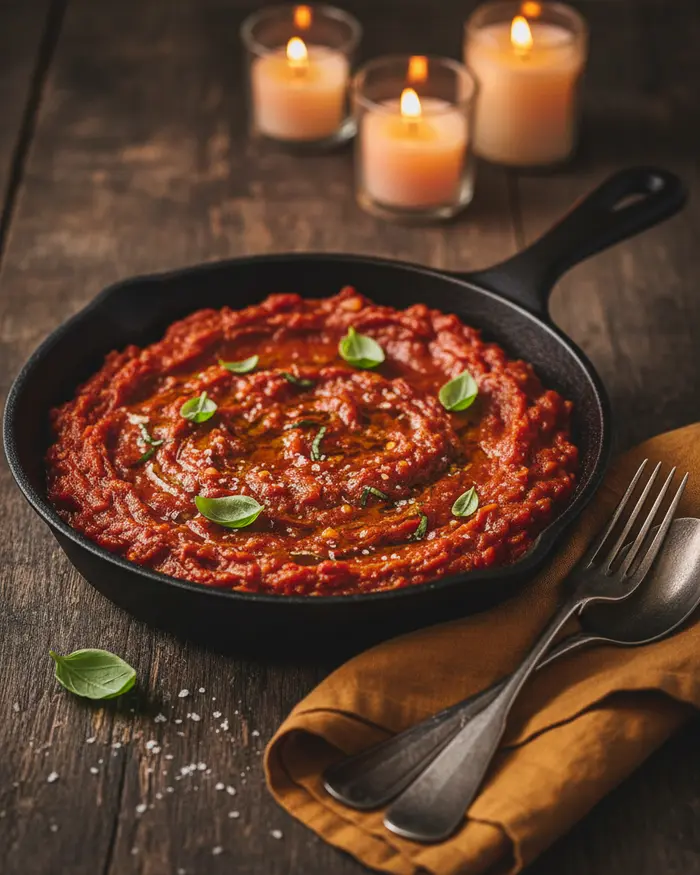
Preserving Summer Produce means you get to enjoy this cozy Overripe Summer Tomato Sauce all year long. Here’s how to store it, reheat it, and serve it up like a Charleston pro.
Serving Suggestions: Toss this sauce with your favorite pasta shapes, spoon it over creamy polenta, use it as a pizza base, or serve it alongside grilled peach and burrata salad for a gorgeous summer dinner. It’s also perfect as a dipping sauce for crusty bread or as a base for shakshuka.
Refrigerator Storage: Let the sauce cool completely, then transfer it to an airtight container or mason jar. Store it in the fridge for up to 5 days. The flavors will continue to deepen and meld as it sits, so day-two sauce is often even better than day-one.
Freezer Storage: Freeze the sauce in 2-cup portions using freezer-safe jars, silicone bags, or even ice cube trays for small doses. Label everything with the date, and use within 3 months for best quality. Thaw overnight in the fridge or gently reheat from frozen on the stovetop.
| Storage Method | Duration | Best Use |
|---|---|---|
| Room Temperature | Not recommended | N/A |
| Refrigerator (airtight container) | Up to 5 days | Quick weeknight dinners, pasta toss |
| Freezer (portioned) | Up to 3 months | Meal prep, winter comfort meals |
| Canned (pressure or water bath) | Up to 1 year | Long-term pantry storage (follow USDA guidelines) |
Reheating: Warm the sauce gently on the stovetop over low heat, stirring occasionally, until heated through. You can also microwave individual portions in 30-second intervals, stirring between each, until hot. Add a splash of water or broth if it’s thickened too much in storage.
No-Waste Kitchen Magic
Part of the beauty of this Overripe Summer Tomato Sauce is that it’s already a waste-saving hero. But here are a few more ways to stretch every bit of goodness from your ingredients.
Save those tomato scraps. If you do peel your tomatoes, toss the skins into a freezer bag and save them for making vegetable broth. They add a lovely sweet, tangy note to homemade stock.
Use leftover sauce creatively. Stir leftover sauce into scrambled eggs, spoon it over baked chicken, mix it into rice or quinoa, or use it as a base for minestrone soup. It’s endlessly versatile.
Repurpose onion and garlic ends. Save onion peels and garlic skins for your next batch of vegetable broth. They add color and depth without any waste.
Freeze in ice cube trays. Portion leftover sauce into ice cube trays, freeze until solid, then pop the cubes into a freezer bag. Use them to add instant tomato flavor to soups, stews, and braises.
Compost what you can’t use. Any truly unusable tomato parts, stems, or cores can go straight into your compost bin, feeding your garden for next summer’s harvest.
Pair with other summer abundance recipes. This sauce is perfect alongside dishes like summer zucchini abundance or served with fresh watermelon feta cucumber salad for a cozy, seasonal meal.
Frequently Asked Questions
Here are answers to some of the most common questions about making and storing Overripe Summer Tomato Sauce.
Can I use overripe tomatoes for making tomato sauce?
Yes, overripe tomatoes are actually ideal for making tomato sauce. They are sweeter, softer, and have more concentrated flavors than firm tomatoes. Just remove any spoiled or moldy parts before using them.
How long does overripe summer tomato sauce last in the refrigerator?
Homemade overripe summer tomato sauce will last 4 to 5 days when stored in an airtight container in the refrigerator. For longer storage, you can freeze the sauce for up to 6 months.
Do I need to peel overripe tomatoes before making sauce?
Peeling is optional but recommended for a smoother sauce. Overripe tomatoes are easier to peel than firm ones. You can blanch them in boiling water for 30 seconds, then transfer to ice water, and the skins will slip off easily.
What herbs and seasonings work best with overripe summer tomato sauce?
Classic herbs include basil, oregano, and thyme. Garlic, onions, salt, and black pepper are essential seasonings. You can also add a pinch of sugar to balance acidity and red pepper flakes for heat.
Can I can or preserve overripe summer tomato sauce for long-term storage?
Yes, you can preserve tomato sauce through water bath canning or pressure canning. Add lemon juice or citric acid to ensure proper acidity levels for safe canning. Follow USDA guidelines for processing times based on your altitude and jar size.
Final Dish
This Overripe Summer Tomato Sauce is more than just a recipe — it’s a love letter to summer, a rescue mission for overripe tomatoes, and a cozy kitchen hug all rolled into one.
Whether you’re tossing it with pasta, freezing it for winter comfort, or spooning it straight from the pot (no judgment here), this sauce is proof that the best food doesn’t come from perfection — it comes from making the most of what you have.
I hope this recipe brings a little Charleston warmth to your kitchen. If you make it, I’d absolutely love to see your photos! Tag me on social, leave a comment below, or just send me a cozy note about how it turned out. Let’s keep the summer love going, one rescued tomato at a time.
I’m Linda Sandra — a Charleston home chef and comfort-food daydreamer. Around here, cooking’s not about perfection — it’s about cozy vibes, creative twists, and food that feels like love.
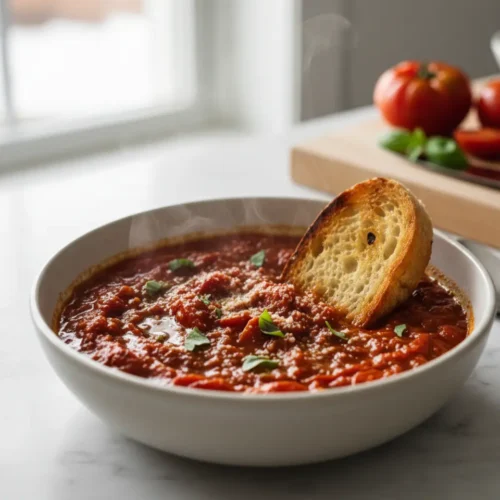
Overripe Summer Tomato Sauce
Ingredients
- 3 lbs very ripe summer tomatoes Roma, Beefsteak, or a mix
- 2 tablespoons olive oil
- 1 large onion chopped
- 3-4 cloves garlic minced
- ½ teaspoon dried oregano or 1 tablespoon fresh, chopped
- ¼ teaspoon red pepper flakes optional
- Salt and freshly ground black pepper to taste
- Fresh basil leaves for garnish (optional)
Instructions
- Wash and core the tomatoes. You can optionally peel them by making a small “x” incision at the bottom of each tomato and blanching them in boiling water for 30-60 seconds, then transferring to an ice bath. The skins should slip off easily. Chop the tomatoes into large pieces.
- In a large pot or Dutch oven, heat the olive oil over medium heat. Add the chopped onion and cook until softened and translucent, about 5-7 minutes.
- Add the minced garlic and red pepper flakes (if using) and cook for another minute until fragrant, being careful not to burn the garlic.
- Stir in the chopped tomatoes and dried oregano. Bring the mixture to a simmer, then reduce the heat to low, cover, and let it cook for at least 30-45 minutes, or up to 1.5-2 hours, stirring occasionally. The longer it cooks, the more the flavors will meld and the sauce will thicken. The tomatoes should break down completely.
- Once the sauce has cooked down to your desired consistency, use an immersion blender to purée it directly in the pot to your preferred smoothness. Alternatively, you can carefully transfer batches to a regular blender or food processor (vent the lid to allow steam to escape) and then return the puréed sauce to the pot.
- Season the sauce generously with salt and black pepper to taste.
- Serve warm over pasta, as a base for pizza, or with your favorite Italian dishes. Garnish with fresh basil, if desired. Leftovers can be stored in an airtight container in the refrigerator for up to 5 days, or frozen for longer storage.