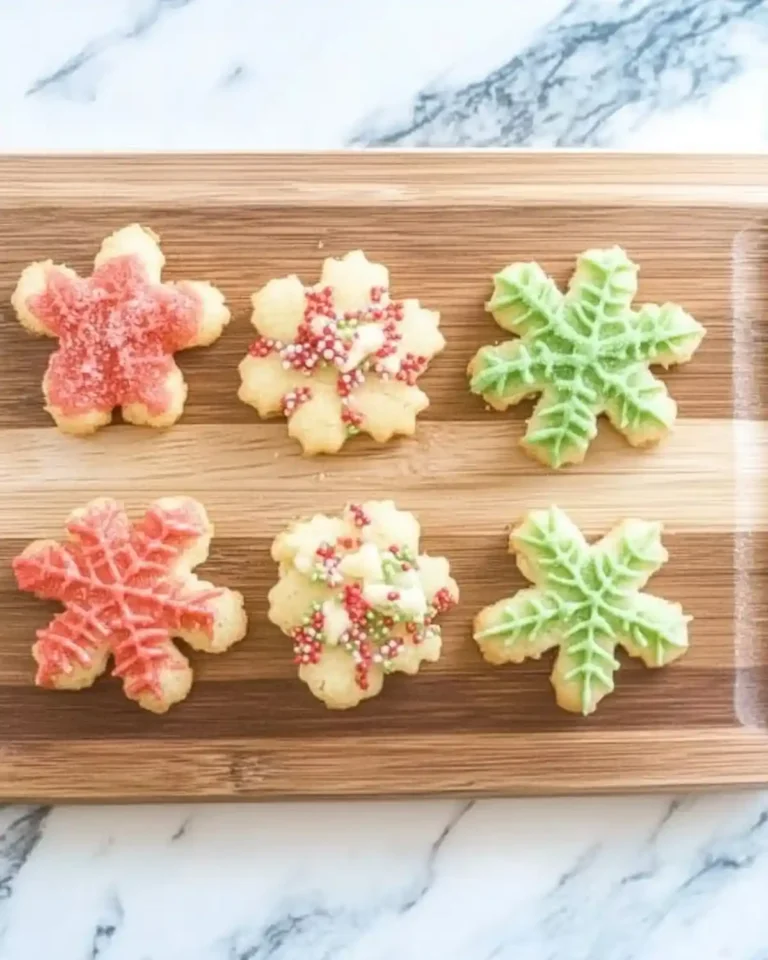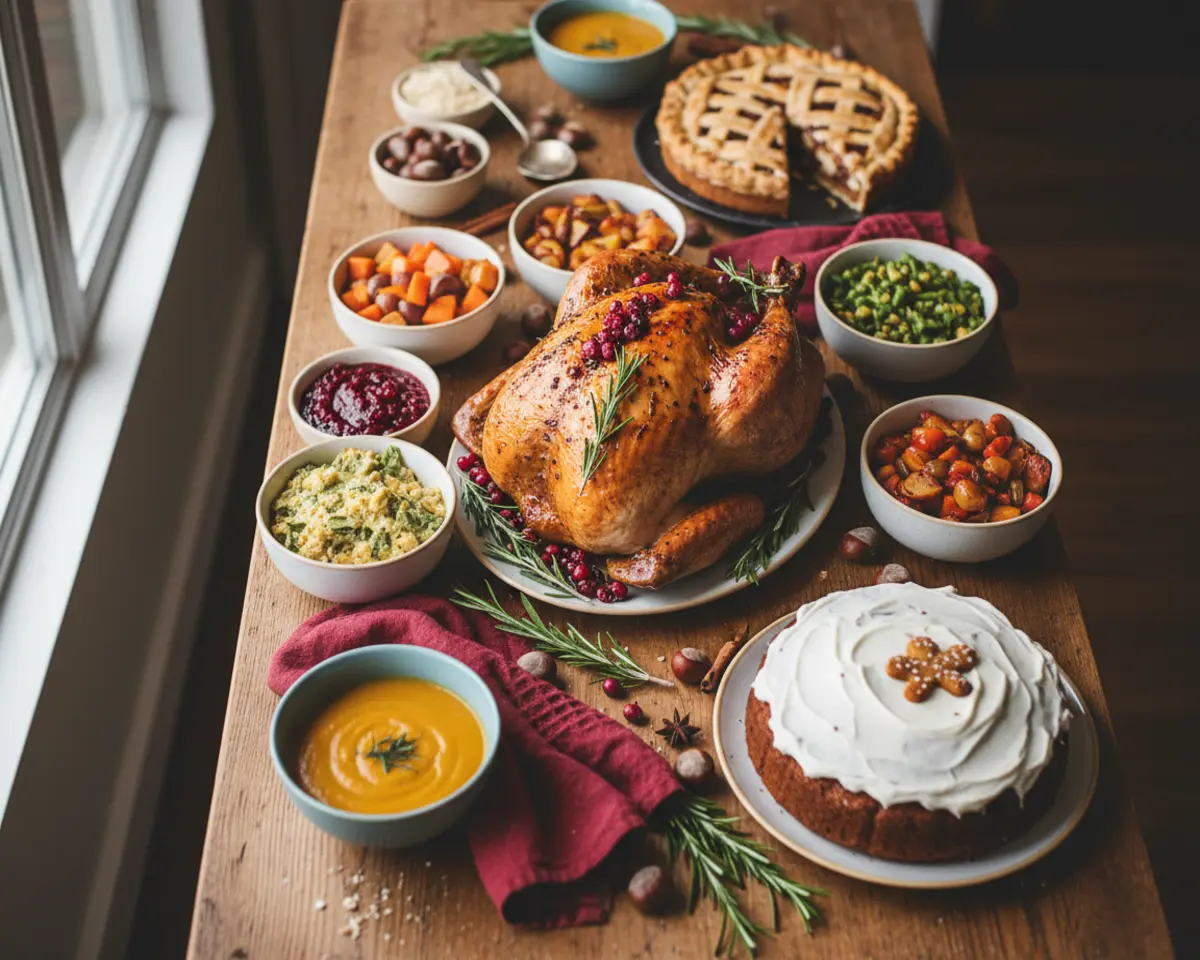
Festive Holiday & Seasonal Celebration Recipes
Discover the best Festive Holiday & Seasonal Celebration Recipes for Christmas, Thanksgiving, Halloween, Valentine’s Day, and every special occasion with easy, memorable dishes.
Table of Contents
Festive holiday and seasonal celebration recipes aren’t just about feeding hungry guests—they’re about creating memories that last long after the dishes are washed. They’re the sugar cookies decorated with giggly kids, the pumpkin pie that signals autumn’s arrival, and the roast that brings everyone to the table.
Over my years of holiday cooking, I’ve learned that these special-occasion recipes need to do more than taste good—they need to transport people, spark joy, and sometimes carry the weight of beloved traditions. Whether you’re hosting your first Thanksgiving or your thirtieth Christmas dinner, the right recipes make all the difference.
The Quick Guide
Holiday and seasonal recipes celebrate specific times of year with flavors, ingredients, and traditions that define each occasion. Here’s what makes them special:
- Seasonal ingredients shine at their peak—pumpkins in fall, fresh berries in summer, root vegetables in winter
- Traditional flavors create nostalgia—gingerbread at Christmas, candy corn at Halloween, fresh herbs in spring
- Make-ahead options reduce stress during busy celebration days
- Recipes scale easily for intimate gatherings or large family feasts
- Special techniques create wow-factor presentations that guests remember
Understanding Holiday & Seasonal Cooking
Holiday recipes follow the rhythm of the year, celebrating harvests, religious observances, and cultural traditions. These aren’t your everyday weeknight dinners—they’re the showstoppers that anchor celebrations and bring people together around the table.
What makes seasonal celebration recipes unique is their connection to specific moments in time. You wouldn’t serve pumpkin pie in April or strawberry shortcake in December—part of their magic comes from anticipation and timing.
These recipes often require more planning than everyday cooking. Many benefit from advance preparation, and some involve techniques you might only use once or twice a year. That specialness is part of their charm—they mark time and create rituals that families look forward to all year long.
Christmas Winter
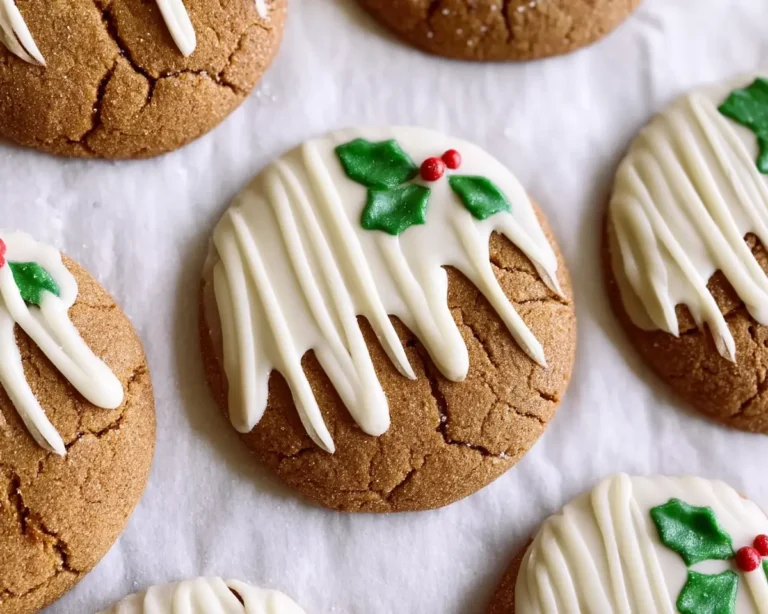
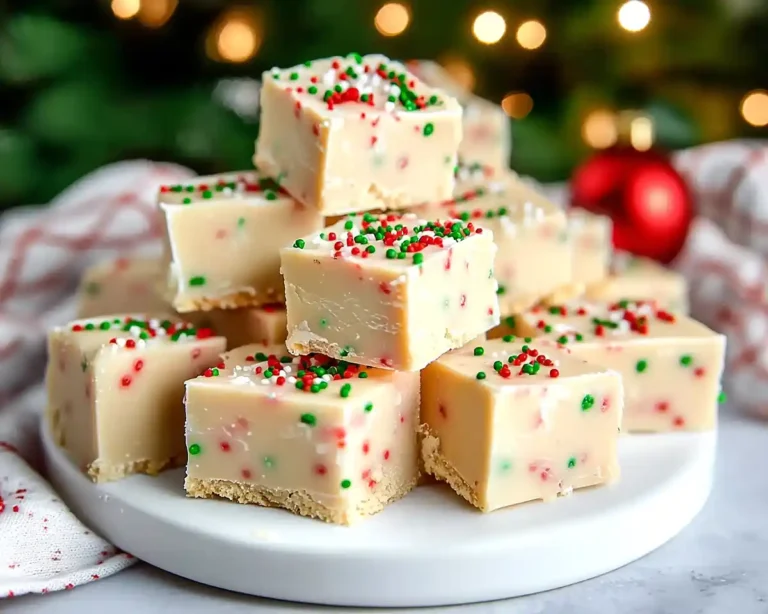
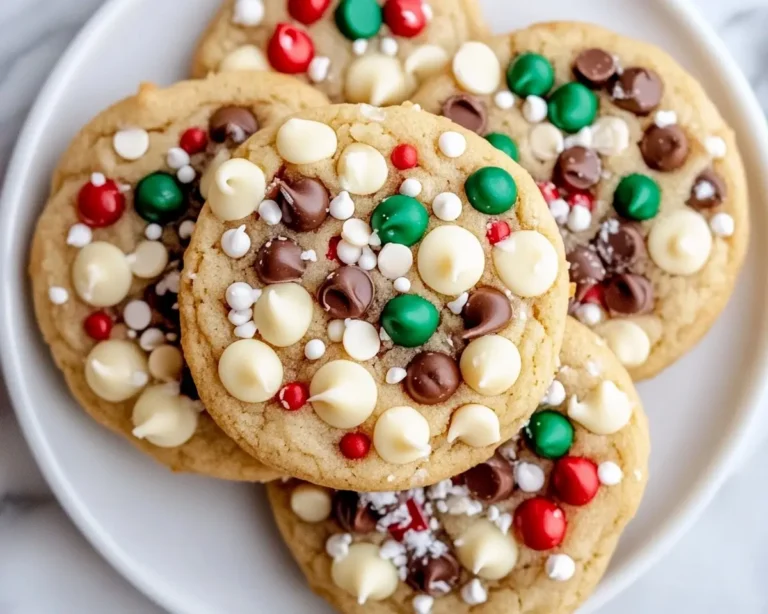
The winter holiday season brings cozy comfort foods, rich roasts, and treats sparkling with sugar and spice. Our complete Christmas and winter celebration guide covers everything from traditional roast dinners to festive cookies and warming beverages that make cold nights feel magical.
This collection focuses on recipes that fill homes with warmth during the coldest months—think gingerbread, prime rib, creamy hot chocolate, and cookies decorated with royal icing. Perfect for both religious Christmas celebrations and secular winter gatherings.
Halloween Spooky Treats
Halloween calls for creativity and fun in the kitchen, with treats that delight kids and adults alike. Explore our spooky Halloween recipe collection featuring everything from decorated cookies shaped like ghosts to savory appetizers that look wonderfully creepy.
These recipes embrace playful presentation with orange and black color schemes, creative shapes, and just the right amount of spookiness. Many work perfectly for Halloween parties, trick-or-treat handouts, or classroom celebrations.
Seasonal Celebrations
Beyond major holidays, countless seasonal moments deserve special recipes—graduations, summer barbecues, spring garden parties, and harvest festivals. Our seasonal celebration recipe guide helps you mark any special occasion with food that matches the mood and season.
This versatile collection adapts to whatever you’re celebrating, with recipes organized by season and occasion type. Whether you need elegant brunch dishes for a spring shower or hearty comfort food for a fall gathering, you’ll find inspiration here.
Thanksgiving Fall
Thanksgiving centers on gratitude, harvest abundance, and recipes passed down through generations. Discover our comprehensive Thanksgiving and fall recipe collection with traditional turkey dinners, creative side dishes, and pies that steal the show.
These recipes celebrate autumn’s bounty with pumpkins, sweet potatoes, cranberries, and warm spices. Most include make-ahead instructions to help you manage the busiest cooking day of the year without losing your mind in the kitchen.
Valentine S Spring
Valentine’s Day and spring celebrations call for romance, fresh flavors, and dishes that feel like new beginnings. Browse our Valentine’s Day and spring recipe guide featuring romantic desserts, elegant dinners, and fresh seasonal dishes that celebrate love and renewal.
This collection emphasizes lighter flavors after winter’s heaviness—fresh berries, herbs, tender vegetables, and delicate pastries. Perfect for intimate Valentine’s dinners, Easter brunches, Mother’s Day celebrations, and welcoming spring’s arrival.
Expert Category Guide
Essential Techniques
Holiday cooking requires mastering a few key techniques that appear across multiple celebrations. Roasting large cuts of meat evenly, tempering chocolate for candy making, and achieving flaky pie crust form the foundation of successful holiday meals.
Timing and organization become critical skills during holidays. Create detailed cooking schedules working backward from serving time, noting which dishes need the oven when, which can be made ahead, and which require last-minute attention.
Presentation techniques elevate holiday food beyond everyday meals. Learn to garnish platters thoughtfully, arrange cookies attractively on serving plates, and use simple decorating skills that make food look as special as it tastes.
Ingredient Spotlight
Seasonal ingredients define each celebration. Fall brings pumpkins, cranberries, pecans, and sweet potatoes. Winter features citrus, pomegranates, root vegetables, and warming spices like cinnamon and nutmeg.
Spring celebrations shine with asparagus, peas, strawberries, and fresh herbs. Summer holidays call for tomatoes, corn, berries, and stone fruits at their peak. Using ingredients in their natural season guarantees better flavor and often lower prices.
Special occasion ingredients add luxury to holiday menus—prime beef cuts, fresh seafood, imported chocolate, and quality vanilla extract. These splurges make sense for celebrations when you want to create something memorable.
Seasonal Considerations
Each season offers unique advantages and challenges for holiday cooking. Summer outdoor celebrations avoid heating up the kitchen but require food safety awareness in warm weather. Fall and winter holidays embrace oven-heavy menus that warm the house.
Weather impacts holiday entertaining—plan hot chocolate bars for winter gatherings, refreshing lemonades for spring brunches, and iced beverages for summer celebrations. Consider temperature when planning menu flow and serving styles.
Daylight hours affect dinner timing and ambiance. Winter holiday dinners might start earlier when darkness falls by five, while summer celebrations can extend into long, leisurely twilight hours outdoors.
Skill Level Guide
Beginner holiday cooks should start with simple crowd-pleasers—basic roasted vegetables, simple cookies using slice-and-bake techniques, and straightforward casseroles that feed many without fuss. Focus on recipes with short ingredient lists and clear instructions.
Intermediate cooks can tackle traditional holiday centerpieces like roasted turkey or ham, homemade pie crusts, and decorated sugar cookies. These recipes require more time and attention but follow clear techniques that become easier with practice.
Advanced holiday cooking involves complex flavor building, precise timing for multi-course meals, and impressive presentations. Think homemade croissants for Christmas breakfast, perfectly tempered chocolate truffles, or elaborate tiered celebration cakes.
Storage and Make-Ahead Tips
Most holiday cookies freeze beautifully for up to three months, either baked or as dough. Freeze decorated cookies in single layers, then stack with parchment between layers once frozen solid.
Many holiday side dishes taste even better made ahead—casseroles, cranberry sauce, and some desserts actually improve after a day in the refrigerator. This advance preparation frees oven space and reduces stress on celebration day.
Prep vegetables, measure dry ingredients, and set up serving platters the night before big holiday meals. Label everything clearly and create a written game plan so you’re not scrambling to remember what goes where.
Comparison and Selection Guide
Choose Christmas Winter recipes if you love rich, warming flavors and traditional celebration meals that center on roasted meats, comforting sides, and cookies decorated with family. These work best for cold-weather entertaining and formal holiday gatherings.
Select Halloween Spooky Treats when you want fun, creative recipes that prioritize playful presentation over formal dining. Perfect for families with children, classroom parties, and anyone who enjoys whimsical food that makes people smile.
Pick Seasonal Celebrations for versatile recipes that adapt to many occasions throughout the year. This category shines when you need elegant options that aren’t tied to specific holidays but still feel special and celebration-worthy.
Opt for Thanksgiving Fall recipes when you want to showcase autumn’s harvest with traditional American celebration foods. These recipes handle large gatherings well and emphasize make-ahead options that reduce stress.
Go with Valentine S Spring for romantic, lighter fare that celebrates fresh ingredients and new beginnings. Choose this category for intimate dinners, spring brunches, and celebrations emphasizing renewal and romance over hearty comfort food.
Consider dietary needs when selecting categories—many fall and winter recipes lean heavily on dairy and gluten, while spring and summer celebrations often feature more naturally gluten-free and lighter options.
Time constraints matter too. Halloween treats and some seasonal celebration recipes work well for last-minute occasions, while Thanksgiving and Christmas menus typically require more advance planning and longer cooking times.
Planning Your Holiday Cooking Journey
Start by choosing one category that aligns with your next celebration. Don’t try to master everything at once—focus on the upcoming holiday and build your skills gradually through the year.
Create a holiday recipe binder or digital folder for favorites you want to repeat. Note any adjustments you made, what worked well, and what you’d change next time. These notes become invaluable year after year.
Test new recipes before the actual holiday when possible. Trying an unfamiliar dish for the first time on Thanksgiving morning adds unnecessary stress. Run through complicated recipes once when the stakes are lower.
Build a holiday pantry gradually throughout the year. Stock up on vanilla extract, chocolate chips, and spices when they go on sale. Having basics on hand makes holiday baking less expensive and more spontaneous.
Consider starting new traditions that excite you rather than obligating yourself to recipes you don’t enjoy making. Holiday cooking should bring joy, not dread. If you hate making pie crust, buy quality frozen ones without guilt.
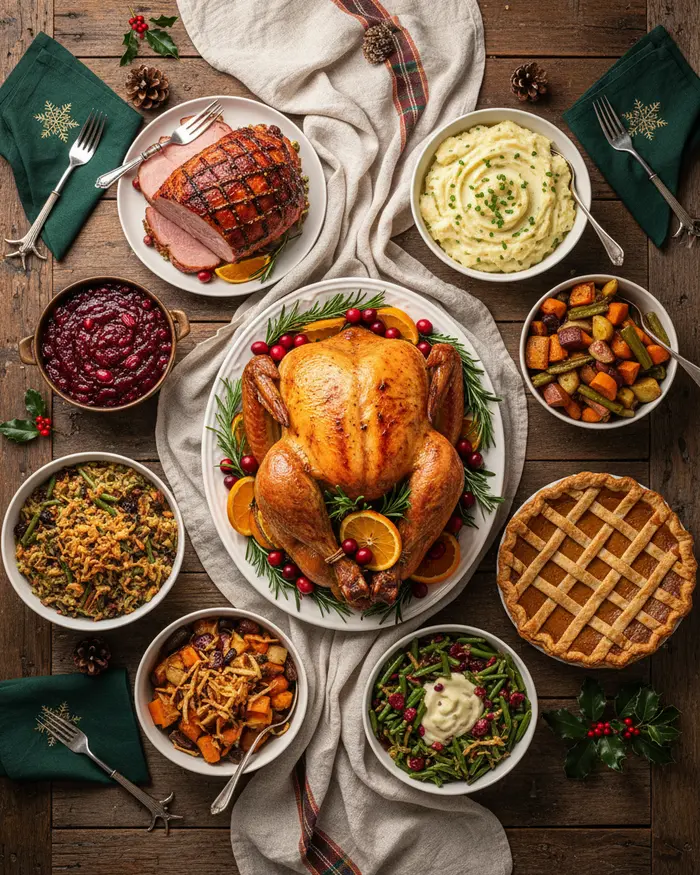
Ready to create holiday memories that your family will treasure for years? Browse through our detailed guides for each season and celebration type. Save this comprehensive overview to reference whenever you’re planning special occasion menus throughout the year.
Which celebration will you tackle first? Pin your favorite category guide for easy access when planning time arrives. Your most delicious holiday memories are waiting to be created—one festive recipe at a time.
Frequently Asked Questions
How far in advance can I prepare holiday dishes?
Most holiday dishes can be prepared 1-3 days ahead. Casseroles, desserts, and side dishes often taste better after flavors meld overnight. Prepare ingredients like chopped vegetables and measured spices up to 2 days early. Freeze items like cookie dough, pie crusts, and certain baked goods up to a month in advance for convenience.
What are essential ingredients for traditional Christmas recipes?
Key Christmas ingredients include cinnamon, nutmeg, ginger, cloves, and vanilla for baking. Stock up on butter, cream, brown sugar, and dried fruits. Popular proteins are turkey, ham, and roast beef. Fresh herbs like rosemary, thyme, and sage are essential. Keep cranberries, chestnuts, and peppermint on hand for classic dishes.
How do I modify holiday recipes for dietary restrictions?
Substitute dairy milk with almond, oat, or coconut alternatives. Replace butter with vegan options or coconut oil. Use gluten-free flour blends for baking. Swap sugar with maple syrup or stevia. For egg-free recipes, try flax eggs or applesauce. Many traditional dishes adapt well with these simple ingredient swaps.
What are quick holiday recipes for last-minute guests?
Prepare cheese and charcuterie boards with crackers and fruits in 15 minutes. Bake store-bought appetizers like spinach dip or stuffed mushrooms. Make quick desserts using premade crusts or cake mixes. Roast seasonal vegetables with herbs. Create festive drinks with sparkling cider, cranberry juice, and frozen fruit.
How can I reduce food waste during holiday cooking?
Plan portions carefully using online calculators. Repurpose leftovers into soups, sandwiches, and casseroles. Freeze excess food in portion-sized containers. Use vegetable scraps for homemade stock. Compost appropriate food waste. Share leftovers with guests using disposable containers. Store food properly to extend freshness.