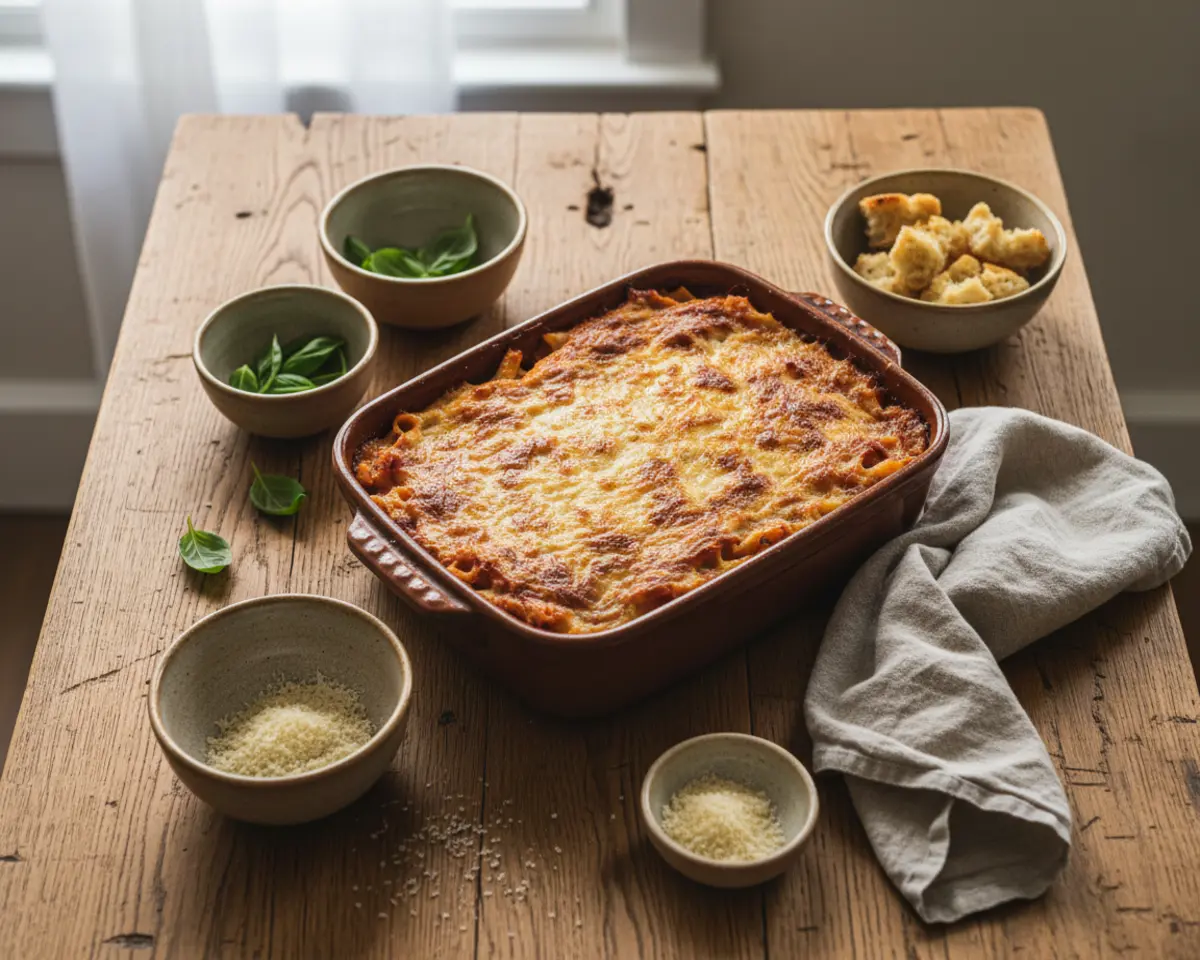
Easy Casserole & Baked Dinner Recipes
Discover the complete collection of easy casserole & baked dinner recipes that bring comfort, convenience, and delicious homemade meals to your family table e
Discover the complete collection of easy casserole and baked dinner recipes that bring comfort, convenience, and delicious homemade meals to your family table every single week.
Table of Contents
I still remember the first time I realized casseroles were going to save my sanity as a busy parent. It was a Tuesday evening, everyone was hungry and cranky, and I had exactly forty-five minutes before soccer practice. I threw together a simple chicken and rice casserole, slid it into the oven, and actually had time to breathe.
That golden, bubbling dish became our family’s salvation on hectic nights.
Over the years, I’ve learned that mastering casserole and baked dinner recipes transforms how you feed your family. These aren’t just recipes; they’re lifelines for busy weeknights, strategies for meal prep success, and pathways to bringing everyone together around food that actually tastes homemade.
What started as survival cooking evolved into a genuine love for these oven-baked wonders. There’s something deeply satisfying about assembling layers of ingredients, knowing they’ll transform into something greater than their parts, all while you’re helping with homework or folding laundry.
The Quick Guide
Here’s everything you need to know about building your easy casserole and baked dinner recipe collection:
- Time-Saving Magic: Most casseroles require just 15-20 minutes of active prep time, with the oven doing the rest of the work while you handle other tasks.
- Make-Ahead Friendly: Nearly every casserole recipe can be assembled hours or even days ahead, then baked fresh when you need it.
- Budget-Conscious: Casseroles stretch proteins and vegetables further, feeding more people with less expensive ingredients.
- Crowd-Pleasers: From classic comfort foods to modern twists, there’s a baked dinner that suits every family’s preferences and dietary needs.
- Leftovers That Shine: Unlike many dishes, casseroles often taste even better the next day, making lunch planning effortless.
Why Easy Casserole & Baked Dinner Recipes Matter
The beauty of casserole recipes lies in their fundamental promise: real food without the stress. In a world where dinner can feel like another item on an overwhelming to-do list, these recipes offer breathing room.
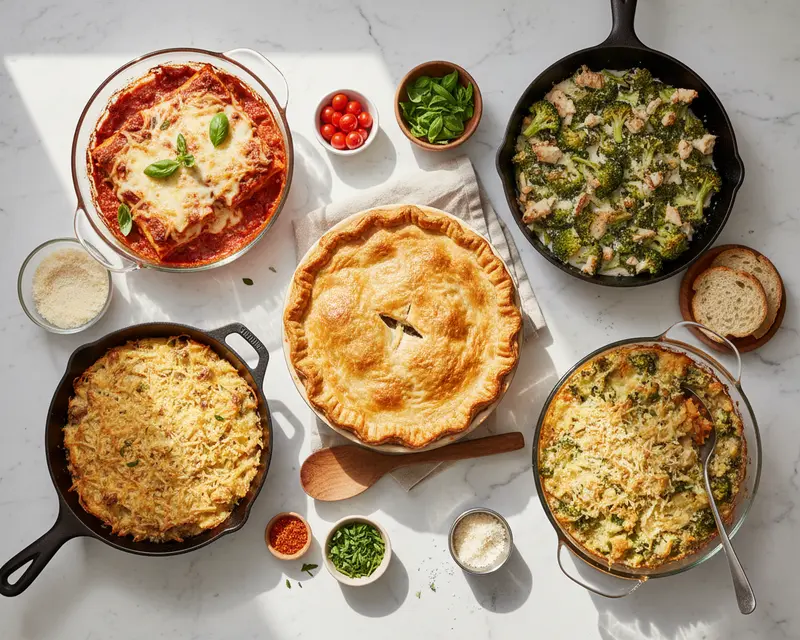
Baked dinner recipes serve as the backbone of practical home cooking. They work with your schedule instead of against it. You can prep ingredients during weekend meal prep sessions, assemble casseroles the night before, or even freeze them for future busy weeks.
These dishes also adapt beautifully to whatever you have on hand. Out of one type of cheese? Substitute another. Need to use up leftover chicken? There’s a casserole for that. This flexibility makes them practical for real kitchens where ingredients aren’t always picture-perfect.
Beyond convenience, casseroles create moments of togetherness. There’s something about pulling a golden, bubbling dish from the oven that makes dinner feel special, even on ordinary Wednesdays.
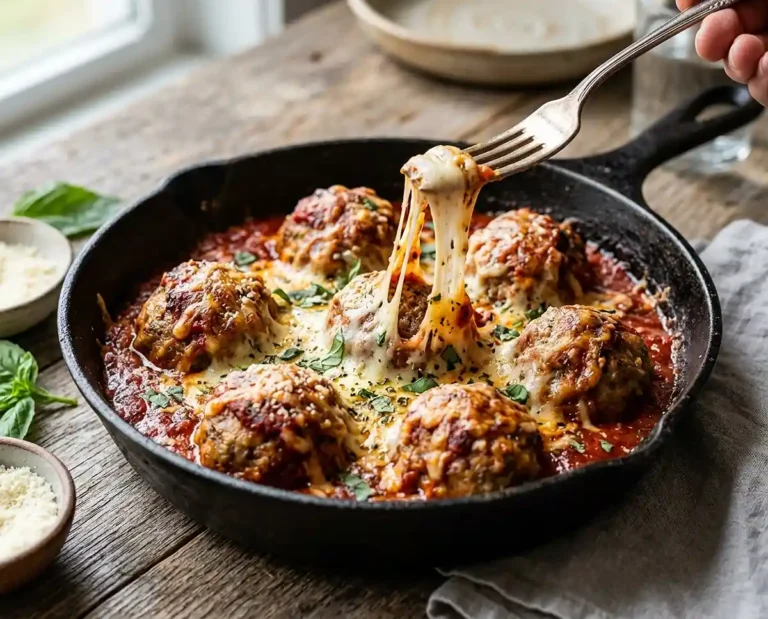
Beef Pork Casseroles
Hearty, protein-rich, and deeply satisfying, beef and pork casseroles deliver the comfort food your family craves on chilly evenings and busy weeknights when you need something substantial.
These recipes range from classic ground beef favorites to elegant pork chop bakes that look impressive but require minimal hands-on time. The rich flavors develop beautifully in the oven, creating depth that’s hard to achieve with stovetop cooking alone.
Perfect for families who prefer hearty meals, these casseroles also work wonderfully for feeding crowds at potlucks or bringing meals to friends. They reheat beautifully and often taste even better the next day as flavors meld together.
Chicken Casseroles
Versatile, budget-friendly, and endlessly adaptable, chicken casseroles form the foundation of weeknight dinner planning for countless families seeking reliable, delicious meals everyone will actually eat.
From creamy rice bakes to veggie-packed one-dish wonders, chicken casseroles accommodate nearly every flavor profile and dietary preference. They’re ideal for using leftover rotisserie chicken or transforming simple chicken breasts into something special.
These recipes shine when you need to feed a crowd on a budget or want something comforting without being overly heavy. The lean protein pairs beautifully with vegetables, grains, and sauces for balanced nutrition.
Classic Baked Dinners
Traditional, nostalgic, and deeply comforting, classic baked dinners bring timeless recipes to modern kitchens, connecting us to cherished food memories while fitting seamlessly into today’s busy schedules.
These are the recipes your grandmother might have made: meatloaf, baked chicken and potatoes, shepherd’s pie, and other complete meals that come together in a single baking dish. They represent home cooking at its most authentic and welcoming.
Ideal for Sunday dinners, family gatherings, or any time you want dinner to feel special without complicated techniques, these recipes prove that simple ingredients prepared well create the most memorable meals.
Pasta Casseroles
Crowd-pleasing, endlessly customizable, and guaranteed to satisfy even picky eaters, pasta casseroles combine everyone’s favorite carb with proteins, vegetables, and cheese for complete one-dish meals.
From baked ziti to tuna noodle casserole to modern mac and cheese variations, pasta bakes deliver comfort in every bite. They’re perfect for potlucks because they travel well, feed many people, and please diverse palates.
These recipes work beautifully for using pantry staples, making them ideal when grocery shopping gets delayed or you need to stretch your food budget. The pasta absorbs flavors beautifully during baking, creating cohesive, satisfying dishes.
Vegetable Side Casseroles
Transformative, crowd-pleasing, and surprisingly craveable, vegetable side casseroles turn simple vegetables into show-stopping accompaniments that might just steal the spotlight from the main course.
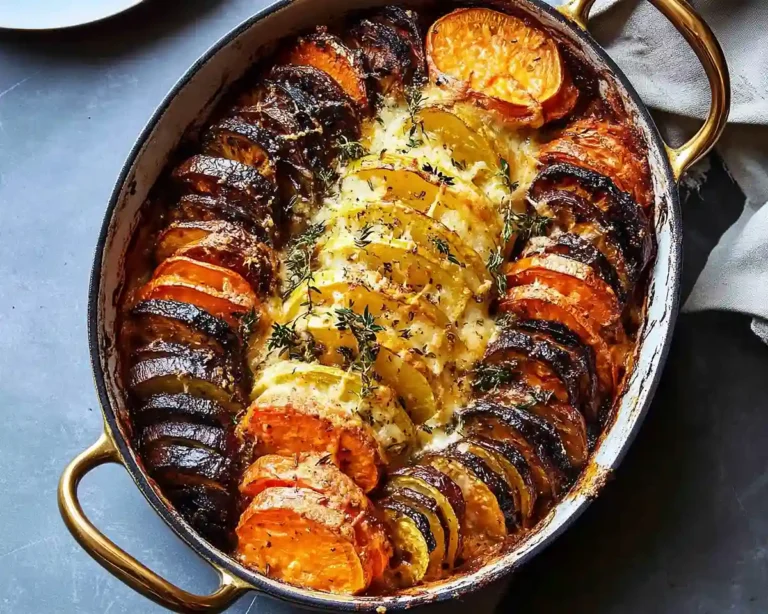
These are the dishes that convert vegetable skeptics: creamy green bean casserole, cheesy broccoli bake, sweet potato casserole, and dozens of variations that make vegetables irresistible. They’re essential for holiday tables and special dinners.
Perfect for meal prep and make-ahead cooking, these sides free up stovetop space and oven time on busy cooking days. Many can be assembled entirely in advance, then simply baked when needed.
Expert Category Guide
Essential Techniques
Mastering a few key techniques elevates every casserole you make. Start by learning proper layering, which ensures even cooking and beautiful presentation when you scoop into the finished dish.
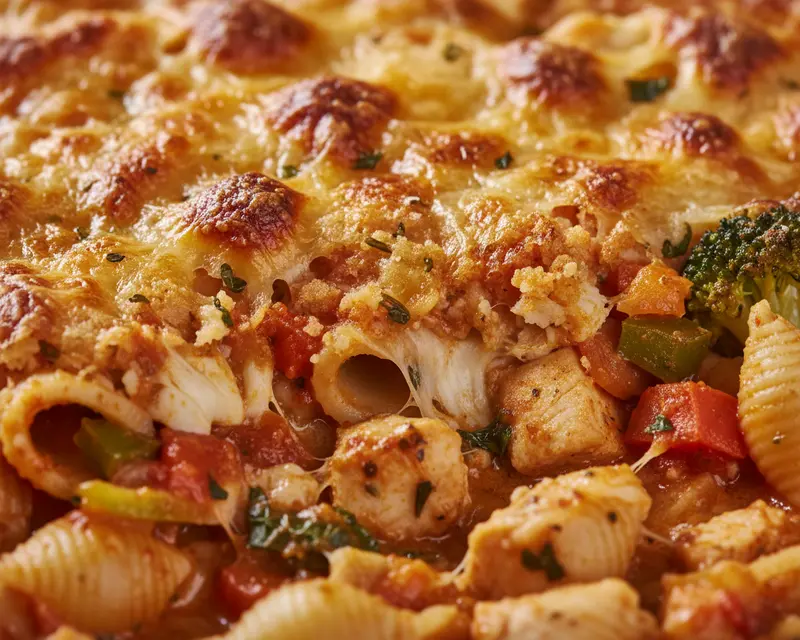
Understanding when to cover with foil versus baking uncovered makes the difference between perfectly golden tops and dried-out edges. Generally, cover casseroles for the first portion of baking to trap moisture, then uncover toward the end for browning.
Temperature matters more than you might think. Most casseroles bake best at 350 to 375 degrees, hot enough to cook through without drying out edges before centers finish. Let casseroles rest for ten minutes after baking so layers set properly.
The right baking dish affects results significantly. Glass and ceramic retain heat differently than metal. Glass typically requires reducing temperature by twenty-five degrees compared to metal pan recipes.
Ingredient Spotlight
Certain ingredients appear repeatedly in successful casserole recipes because they provide structure, moisture, and flavor. Cream soups create cohesive, saucy bases that bind ingredients together during baking.
Cheese serves multiple purposes beyond flavor. It adds richness, helps bind ingredients, and creates that irresistible golden crust everyone fights over. Sharp cheddar, mozzarella, and parmesan are casserole workhorses.
Breadcrumb toppings add textural contrast to creamy casseroles. Mix them with melted butter and parmesan for crunch that stays crispy rather than soggy. Panko breadcrumbs work especially well for extra crispiness.
Aromatics like onions, garlic, and celery build flavor foundations. Sautéing them briefly before adding to casseroles develops deeper taste than using them raw, even though everything bakes together.
Seasonal Considerations
Winter months call for heartier casseroles with root vegetables, rich proteins, and warming spices. These stick-to-your-ribs dishes combat cold weather and satisfy bigger appetites that come with shorter, darker days.
Spring and summer benefit from lighter casseroles featuring fresh vegetables, lighter proteins like chicken or fish, and brighter flavors. These feel less heavy while still delivering the convenience of one-dish cooking.
Holiday seasons demand casseroles that can be made ahead and feed crowds. Sweet potato casserole, green bean casserole, and stuffing-style bakes become essential supporting players for special meals.
Back-to-school season relies heavily on freezer-friendly casseroles that busy families can pull out for effortless weeknight dinners. Batch cooking several casseroles during late summer pays dividends all fall.
Skill Level Guide
Beginners should start with simple casseroles requiring minimal prep and common ingredients. Tuna noodle casserole, basic chicken and rice bakes, and classic green bean casserole build confidence without overwhelming new cooks.
Intermediate cooks can tackle recipes requiring multiple components or techniques. Making homemade sauce instead of using canned soup, layering like lasagna, or incorporating more vegetables and proteins expands your repertoire.
Advanced casserole cooking involves creating original combinations, perfecting timing for different ingredient cooking rates, and mastering presentation techniques that make casseroles look as impressive as they taste.
Regardless of skill level, the beauty of casseroles lies in their forgiving nature. Small timing variations or ingredient substitutions rarely ruin the dish, making them ideal for building cooking confidence.
Storage & Make-Ahead Tips
Most casseroles improve with advance preparation. Assemble completely, cover tightly with plastic wrap then foil, and refrigerate up to two days before baking. Add fifteen to twenty minutes to baking time for cold casseroles.
Freezing extends meal prep even further. Assemble in freezer-safe dishes, wrap well, and freeze up to three months. Thaw overnight in the refrigerator before baking, or bake from frozen with significantly extended cooking time.
Leftover casseroles store beautifully for three to four days refrigerated. Reheat individual portions in the microwave or warm the whole dish covered in a 350-degree oven until heated through.
For best results, slightly undercook casseroles you plan to freeze and reheat. This prevents overcooking during reheating. Also, avoid freezing casseroles with ingredients that don’t freeze well like raw potatoes or certain dairy products.
Comparison & Selection Guide
Choosing the right casserole category depends on what you need for specific situations. Understanding these differences helps you select the perfect recipe every time.
Choose beef pork casseroles when you need something particularly hearty and satisfying, especially for cold weather meals or when feeding hungry teenagers and active families who need substantial protein-rich dinners.
Select chicken casseroles for lighter yet still satisfying meals, when cooking on a budget, or when you need something versatile that adapts easily to different flavor profiles from Mexican to Italian to comfort food classics.
Pick classic baked dinners when you want traditional home cooking that feels nostalgic and comforting, perfect for Sunday dinners, family gatherings, or introducing children to timeless recipes they’ll remember forever.
Go with pasta casseroles when feeding crowds, cooking for potlucks, or needing guaranteed crowd-pleasers that work for picky eaters. These travel well and satisfy diverse preferences with familiar flavors.
Choose vegetable side casseroles when you need impressive accompaniments for holiday meals, want to incorporate more vegetables into family dinners, or need make-ahead sides that free up cooking time on busy days.
For weeknight efficiency, chicken and pasta casseroles generally come together fastest. For weekend meal prep, all categories work beautifully for batch cooking. For special occasions, classic baked dinners and impressive side casseroles shine.
Consider dietary needs too. Chicken casseroles often adapt most easily to lighter versions. Vegetable casseroles naturally accommodate vegetarian diets. Beef and pork casseroles satisfy those who prefer heartier, meatier meals.
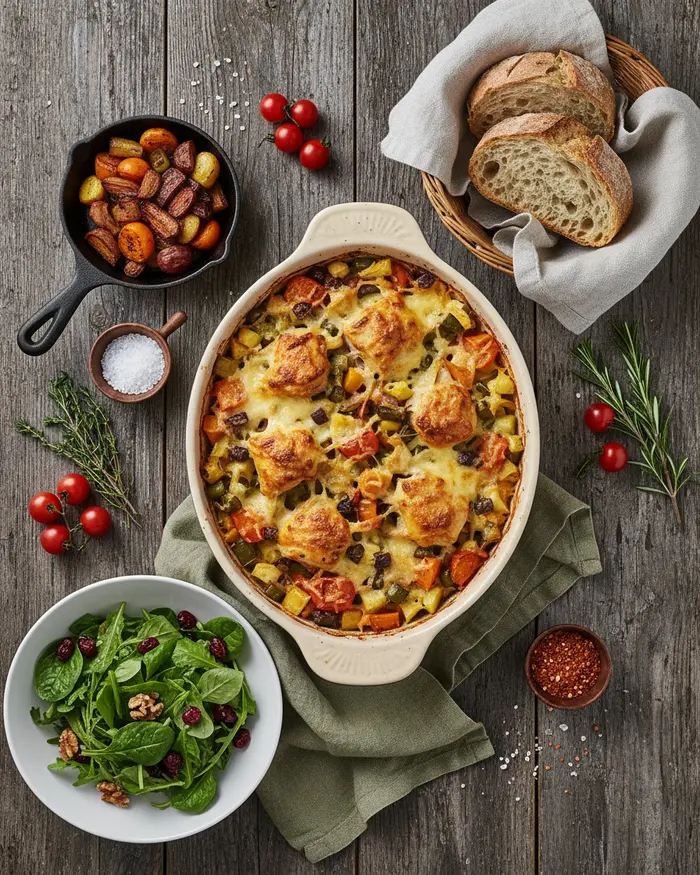
Start Building Your Casserole Collection
The journey to mastering easy casserole and baked dinner recipes begins with exploring each category and discovering which recipes resonate with your family’s preferences and your cooking style.
Start by bookmarking your favorite category pages, then choose one recipe from each to try over the coming weeks. You’ll quickly identify which types of casseroles fit best into your meal rotation and cooking rhythm.
Remember that every casserole you master becomes a reliable solution for busy nights, potluck invitations, and times when you need dinner handled with minimal stress. These recipes represent freedom in your kitchen.
Save this guide so you always have quick access to the complete collection. Pin your favorite categories to Pinterest so you can find them easily when planning weekly menus or preparing for special occasions.
Which casserole category will you explore first? Will you start with comforting classics, dive into pasta bakes, or discover how vegetables transform in the oven? Your perfect weeknight dinner solution awaits in one of these collections.
Frequently Asked Questions
What makes casseroles ideal for busy weeknight dinners?
Casseroles are perfect for busy schedules because they combine proteins, vegetables, and starches in one dish, reducing prep time and cleanup. Most can be assembled ahead and refrigerated until baking time. They typically require minimal active cooking time and can feed multiple people with leftovers for the next day.
Can I prepare casseroles in advance and freeze them?
Yes, most casseroles freeze excellently for up to three months. Assemble the dish completely but do not bake it. Cover tightly with plastic wrap and aluminum foil, then freeze. Thaw overnight in the refrigerator before baking. Add 10-15 minutes to the original baking time if cooking from a chilled state.
What are the best dishes to use for baking casseroles?
Glass baking dishes like Pyrex are popular because they heat evenly and allow you to monitor browning. Ceramic dishes retain heat well and look attractive for serving. Metal pans heat quickly but may cause uneven cooking. Choose a 9×13 inch dish for most standard recipes serving 6-8 people.
How do I prevent my casserole from becoming too dry?
Ensure adequate liquid in your recipe, as casseroles lose moisture during baking. Cover with foil for the first half of baking to trap steam, then uncover to brown the top. Avoid overbaking by checking doneness 5-10 minutes before the recommended time. Adding cheese or a creamy sauce helps retain moisture.
What temperature should I bake most casseroles at?
Most casseroles bake best at 350 degrees Fahrenheit, which allows even cooking throughout without burning the top. This moderate temperature typically requires 30-45 minutes for a standard casserole. If your recipe includes raw meat, ensure internal temperature reaches 165 degrees Fahrenheit for safety.