Easy German Butter Cookies
Hey there, I’m Claire Whitmore — a pastry whisperer in Asheville, NC, where butter totally counts as self-care. This German Butter Cookies recipe is proof that dessert doesn’t have to be complicated to feel special.
You know those delicate, buttery cookies that practically melt on your tongue? The ones that look like they came from a fancy European bakery but are secretly super simple to make? That’s exactly what we’re diving into today.
I stumbled upon this recipe years ago during a rainy December afternoon, and it’s been my go-to ever since — especially when I want something that looks impressive but won’t leave me exhausted.
Little Snapshot: What This Recipe Delivers
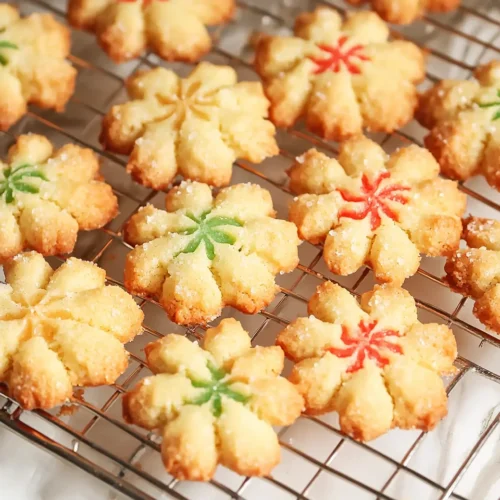
German Butter Cookies are tender, buttery pressed cookies made with a classic cookie press to create beautiful shapes perfect for holidays or everyday treats.
With just a handful of pantry staples and about 30 minutes from start to finish, you’ll have elegant cookies that taste like they took hours. They’re buttery, lightly sweet, and endlessly customizable with sprinkles, food coloring, or different press designs.
Why You’ll Love This Recipe 🌸
- These German Butter Cookies look fancy but take less time than folding laundry — seriously, you’ll be done before your next load finishes.
- They’re incredibly forgiving for busy moms — the dough is easy to work with, and even “imperfect” shapes still taste amazing.
- One batch makes tons of cookies, so you can freeze half for those moments when you need a homemade treat without the fuss.
- According to King Arthur Baking, the best cookie press recipes use a balance of butter and other fats for easy pressing — and this recipe nails that sweet spot perfectly.
Quick Facts ⚡
Here’s the quick scoop on this German Butter Cookie recipe.
- CourseDessert
- Prep Time20 minutes
- Cook Time10-15 minutes
- Total Time30-35 minutes (plus 15 min chill time)
- Servings48-60 cookies
- DifficultyEasy
Table of Contents
Nutritional Peek
Here’s a gentle look at what’s in each cookie — because knowing what you’re eating is always nice, right? These numbers are approximate and based on one cookie (assuming 54 cookies per batch).
| Nutrient | Amount per Cookie |
|---|---|
| Calories | 65 kcal |
| Protein | 1g |
| Carbohydrates | 8g |
| Total Fat | 3g |
| Saturated Fat | 1.5g |
| Fiber | 0g |
| Sugar | 3g |
German Butter Cookies Ingredients
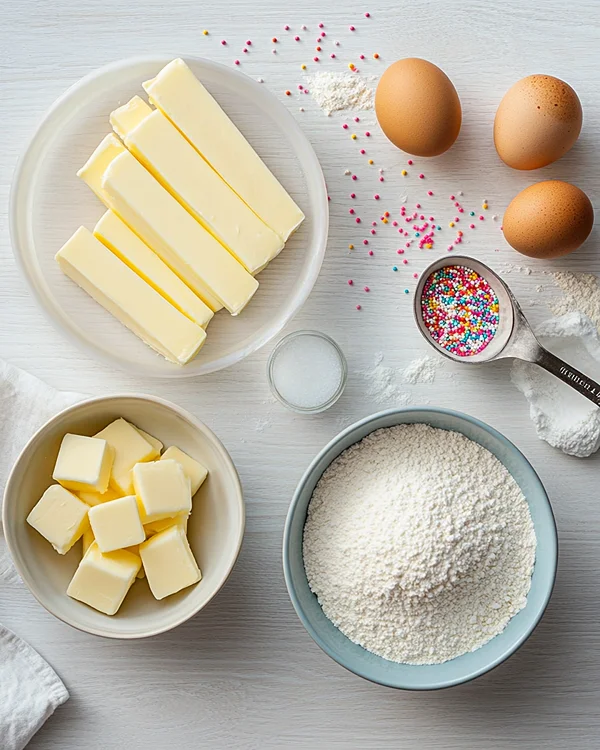
These Danish Spritz Cookies start with the kind of ingredients you probably already have hanging out in your pantry. No fancy stuff, no weird imports — just good, simple baking basics.
| Amount | Ingredient |
|---|---|
| 1 stick (1/2 cup) | Unsalted butter, softened (yes, real butter — margarine just doesn’t cut it here… well, except for the next item) |
| 1 stick (1/2 cup) | Margarine, softened (this helps with the pressing!) |
| 3/4 cup | Granulated sugar |
| 2 large | Eggs, room temperature |
| 1 tsp | Pure vanilla extract |
| 1 pinch | Salt |
| 3 1/2 cups | All-purpose flour |
| 1 heaping tsp | Baking powder |
| Optional | Gel food coloring, sprinkles, or sanding sugar |
Tools You’ll Actually Use
Here’s what you’ll need to make this Sugar German Butter Cookies Press Recipe come together without a hitch:
- Electric mixer (stand or hand mixer works great)
- Cookie press (the star of the show!)
- Mixing bowls
- Measuring cups and spoons
- Cookie sheets (ungreased)
- Cooling rack
- Spatula
Step-by-Step Instructions
Making German Butter Cookies is honestly one of the most satisfying baking projects because you get to see those pretty shapes come to life right before your eyes. Let’s get into it.
Step 1: Cream the butter and margarine
Toss your softened unsalted butter and margarine into your electric mixer. Beat them together until the mixture is light, fluffy, and cloud-like — about 2-3 minutes. This is where the magic starts, so don’t rush it.
Step 2: Add the sugar and eggs
Add the sugar about 1/2 cup at a time, mixing well after each addition. Then crack in your eggs one at a time, alternating with the remaining sugar. The mixture should look smooth and creamy. Drizzle in that vanilla extract and give it one more good mix.
Step 3: Combine the dry ingredients
In a separate bowl, whisk together your flour, salt, and baking powder. This step takes like 30 seconds but makes a real difference in how evenly everything mixes.
Step 4: Mix it all together
Now here’s the important part — add your flour mixture to the butter mixture by hand, a little at a time. Use a wooden spoon or spatula and be gentle. We’re not kneading bread here; overworking the dough will make your German Butter Cookies tough instead of tender.
Step 5: Chill everything
Pop your dough in the fridge for about 15 minutes. At the same time, chill your baking pans too. Cold pans help the dough stick better when you press it out. (I learned this the hard way after watching cookies slide all over the place!)
Step 6: Load your cookie press
Follow your German Butter Cookies press instructions to load up the dough. Choose whatever disc design makes your heart happy — stars, flowers, trees, whatever feels right.
Step 7: Press away
Press cookies directly onto your ungreased (and chilled!) cookie sheets, spacing them about an inch apart. If your dough is too soft and won’t hold its shape, chill it a bit more. If it’s too stiff to press, let it sit at room temperature for a few minutes.
Step 8: Decorate (optional but fun)
If you’re using sprinkles or sanding sugar, now’s the time. Gently press them onto the cookies before baking so they stick.
Step 9: Bake
Bake at 350°F for 10-15 minutes, until the edges are just barely golden. Don’t overbake — these German Butter Cookies should stay pale and tender. Your kitchen will smell like a cozy European café, and that’s how you know they’re almost ready.
Step 10: Cool and admire
Let them cool on the pan for about 2 minutes, then transfer to a cooling rack. Try not to eat them all before they’re completely cool (no judgment if you do, though).

Claire’s Pro Tips & Gentle Guidance
Making Christmas Spritz Cookies Recipes shouldn’t stress you out, so here are a few little secrets I’ve picked up along the way:
Room temperature is your friend. Make sure your butter, margarine, and eggs are truly at room temperature. Cold ingredients won’t cream properly, and your dough will be lumpy. I usually set mine out about an hour before I start baking.
Don’t skip the chill. I know 15 minutes feels like forever when you’re excited to bake, but chilling the dough (and the pans!) makes pressing so much easier. Trust me on this one.
Test your dough consistency. Press out one or two test German Butter Cookies first. If they’re spreading too much, chill the dough longer. If they won’t release from the press, the dough might be too cold — let it warm up slightly.
Mix by hand at the end. Once you add the flour, put down the mixer and use a spoon or spatula. I’ve made these cookies tough before by overmixing, and it’s such a bummer when they should be delicate and tender.
The butter-margarine combo is key. I know it seems weird to use both, but the folks at Epicurious explain that margarine helps the dough press more easily while butter gives you that rich flavor — and I couldn’t agree more.
Quick Fixes for German Butter Cookies
Even the best bakers run into little hiccups. Here’s how to troubleshoot the most common issues:
German Butter Cookies won’t stick to the pan:
Your pan might not be cold enough, or your dough could be too warm. Chill both for another 10 minutes and try again.
Dough is too soft to hold a shape:
Pop it back in the fridge for 5-10 minutes. Sometimes room temperature is just a smidge too warm.
Dough is too stiff to press:
Let the dough sit at room temperature for 5 minutes to soften up. You can also knead it briefly with your hands to warm it slightly.
Cookies are spreading too much:
Your butter might’ve been too soft when you started, or the dough didn’t chill long enough. Chill the remaining dough and make sure your pans are cold.
Cookies are dry or crumbly:
Overbaking is usually the culprit. These German Butter Cookies should come out just barely golden. Also, make sure you didn’t add too much flour — measure by spooning it into the cup and leveling off.
Designs aren’t coming out clearly:
Make sure your cookie press disc is clean and your dough is the right consistency. Too-soft dough won’t hold details; too-stiff dough won’t press through the design properly.
Variations & Fun Twists
One of my favorite things about this Sugar Cookie Press Recipe is how easy it is to switch things up depending on the season or your mood.
Flavor variations:
- Almond lovers: Swap half the vanilla for almond extract for a subtle, nutty flavor.
- Citrus twist: Add the zest of one lemon or orange to the dough for a bright, fresh taste.
- Chocolate dipped: Once cooled, dip half of each cookie in melted dark or white chocolate.
Holiday magic:
- Christmas: Use red and green gel food coloring to make festive two-tone German Butter Cookies, or top with red and green sprinkles.
- Valentine’s Day: Tint the dough pink and use heart-shaped discs.
- Spring: Add pastel colors and top with flower-shaped sprinkles.
Dietary tweaks:
- Gluten-free: Use a 1:1 gluten-free flour blend. The texture will be slightly different but still delicious.
- Dairy-free: Swap both the butter and margarine for plant-based versions. The cookies will be a bit less rich but still work great.
Presentation ideas:
- Rustic: Leave them plain and pile them on a wooden board with fresh berries.
- Fancy: Dust with powdered sugar, drizzle with royal icing, or sandwich two cookies with jam in between.
Serving, Storage & Reheating
These Danish Spritz Cookies are perfect right out of the oven when they’re still warm and extra tender, but honestly, they’re just as good the next day (if they last that long).
Serving suggestions:
Serve them alongside a cup of coffee, hot cocoa, or tea. They’re also adorable stacked in a clear jar as a gift or arranged on a platter for holiday parties.
I love pairing them with my Winter Wonderland Chocolate Chip Cookies for a cookie tray that covers all the bases.
Storage:
Store completely cooled German Butter Cookies in an airtight container at room temperature for up to 2 weeks. Layer them with parchment paper to keep them from sticking together, especially if you’ve added sprinkles.
Freezing:
These cookies freeze beautifully! Layer them in a freezer-safe container with parchment between layers. They’ll keep for up to 3 months. Thaw at room temperature for about 30 minutes before serving.
Reheating:
Honestly, I don’t usually reheat these since they’re meant to be enjoyed at room temperature, but if you want them slightly warm, pop them in a 300°F oven for about 3-5 minutes. Just don’t overdo it or they’ll dry out.
No-Waste Kitchen Magic
I’m all about making the most of what we’ve got, so here are some ideas for using up every last bit:
Dough scraps:
If you have leftover dough that won’t press nicely, roll it into small balls and flatten them with a fork for simple fork cookies. They won’t look as fancy, but they’ll taste just as good.
Broken cookies:
Crumble them over ice cream, fold them into yogurt parfaits, or layer them in a trifle. You can also crush them and use them as a topping for cheesecake or mixed into homemade ice cream.
Day-old cookies:
These actually keep their texture really well, but if you find yourself with German Butter Cookies that are a few days old, crumble them and use them as a buttery crust for bars or tarts.
Extra sprinkles:
Store them in a small jar for your next baking project, or let the kids use them for decorating cupcakes or making edible playdough.
So glad you tried this one! The Cookies & Brownies collection has even more recipes that are just as comforting and crowd-pleasing. Go ahead, take a look — your next favorite dish is right there.
German Butter Cookies FAQs
Can I freeze German Butter Cookies before baking?
Absolutely! Press the cookies onto parchment-lined baking sheets, freeze until solid, then transfer to a freezer bag. Bake from frozen, adding 1-2 extra minutes to the bake time.
Why do I need both butter and margarine?
The butter gives these cookies their rich, delicious flavor, while the margarine makes the dough easier to press through the cookie press. It’s the perfect combo for texture and taste.
Can I use all butter instead of the butter-margarine mix?
You can, but the dough will be a bit harder to press and might not hold its shape as well. If you’re going all butter, I’d recommend chilling the dough a little longer.
What if I don’t have a cookie press?
You can totally roll the dough into balls and flatten them with a fork or the bottom of a glass dipped in sugar. They won’t have those pretty pressed designs, but they’ll still taste amazing. You could also roll out the dough and use cookie cutters.
How do I know when the cookies are done?
They should be set and just barely golden around the edges — usually 10-15 minutes. They’ll still look pretty pale, and that’s exactly what you want. Overbaking will make them dry.
Cozy Closing
And there you have it — my go-to German Butter Cookies recipe that never fails to bring a little extra sweetness to the table (and a lot of extra smiles).
These cookies have been my secret weapon for everything from holiday cookie swaps to last-minute gifts to “just because I needed something pretty today” afternoons.
I’d love to see your spin on these beauties! Leave a note below or tag me on Instagram so we can share a sweet moment together. And if you’re building out a cookie tray, don’t forget to check out my Classic Peanut Butter Blossoms and Peppermint Chocolate Chip Cookies — they all play so nicely together.
Happy baking, friend. May your cookie press cooperate and your kitchen smell like butter and joy. 🌸
I’m Claire Whitmore — a dessert daydreamer from Asheville, NC. For me, baking isn’t about perfect pastries — it’s about the joy of sharing something sweet (and maybe sneaking an extra scoop of icing).
German Butter Cookies
Equipment
- Electric mixer
- Cookie press
- Mixing bowls
- Measuring cups and spoons
- Cookie sheets
- cooling rack
- Spatula
Ingredients
- 1 stick unsalted butter softened (1/2 cup)
- 1 stick margarine softened (1/2 cup)
- ¾ cup granulated sugar
- 2 large eggs room temperature
- 1 tsp pure vanilla extract
- 1 pinch salt
- 3 ½ cups all-purpose flour
- 1 heaping tsp baking powder
- gel food coloring, sprinkles, or sanding sugar optional
Instructions
- Toss your softened unsalted butter and margarine into your electric mixer. Beat them together until the mixture is light, fluffy, and cloud-like — about 2-3 minutes.
- Add the sugar about 1/2 cup at a time, mixing well after each addition. Then crack in your eggs one at a time, alternating with the remaining sugar. The mixture should look smooth and creamy. Drizzle in that vanilla extract and give it one more good mix.
- In a separate bowl, whisk together your flour, salt, and baking powder.
- Add your flour mixture to the butter mixture by hand, a little at a time. Use a wooden spoon or spatula and be gentle. Don’t overwork the dough.
- Pop your dough in the fridge for about 15 minutes. At the same time, chill your baking pans too.
- Follow your cookie press instructions to load up the dough. Choose whatever disc design makes your heart happy.
- Press cookies directly onto your ungreased (and chilled!) cookie sheets, spacing them about an inch apart. If your dough is too soft and won’t hold its shape, chill it a bit more. If it’s too stiff to press, let it sit at room temperature for a few minutes.
- If you’re using sprinkles or sanding sugar, gently press them onto the cookies before baking so they stick.
- Bake at 350°F for 10-15 minutes, until the edges are just barely golden.
- Let them cool on the pan for about 2 minutes, then transfer to a cooling rack.