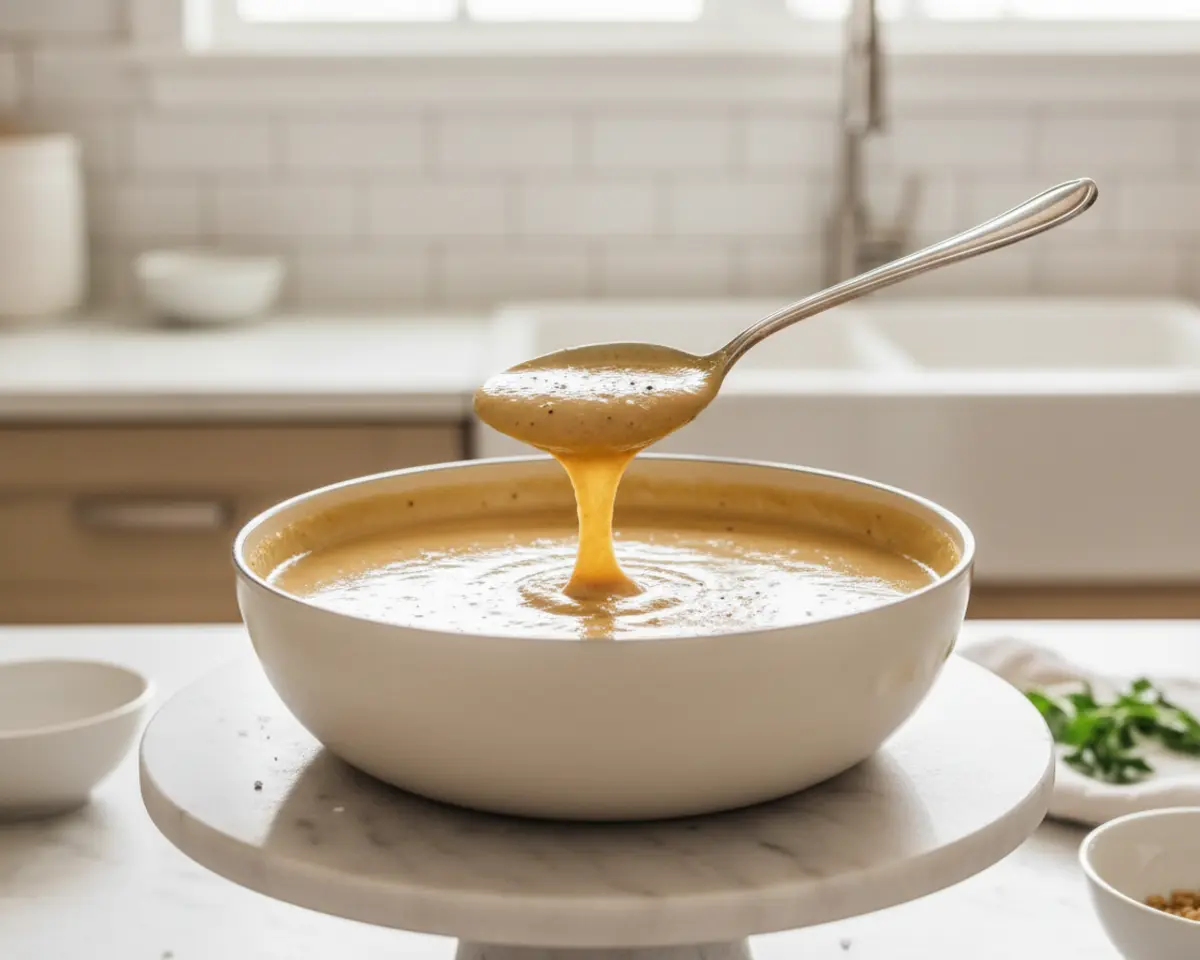
Bean Cooking Liquid Soup Thickener
Transform your leftover bean cooking liquid into a rich, silky bean cooking liquid soup thickener that adds body and depth to soups, stews, and sauces. This simple technique turns what you’d normally drain away into a creamy, plant-based thickening agent that’s as nourishing as it is flavorful.
I’m Linda Sandra, and if there’s one thing I’ve learned in my Charleston kitchen, it’s that nothing—absolutely nothing—should go to waste. Bean cooking liquid soup thickener is one of those quiet kitchen miracles that makes you feel like you’ve unlocked a secret level in home cooking.
Table of Contents
Quick Overview
This recipe is just the beginning. Over in the Classic Soups collection, you’ll find even more dishes that are just as easy and packed with flavor. Go take a peek — your next favorite is waiting.
Little Snapshot: What This Recipe Delivers
Bean cooking liquid soup thickener is a zero-waste, nutrient-rich base that turns thin broths into velvety soups in under 10 minutes. It’s naturally gluten-free, vegan, and adds savory depth without extra fat or flour.
Why You’ll Love This Recipe 🌸
- This bean cooking liquid soup thickener takes less effort than opening a can of cream.
- It’s completely plant-based, so everyone at your table can enjoy it without worry.
- You’re using something you already have—no extra shopping trips or mystery ingredients.
- According to Serious Eats, aquafaba is a powerful culinary ingredient with binding and emulsifying properties—and this recipe proves exactly why.
Quick Facts ⚡
Here’s the quick scoop on this bean cooking liquid soup thickener.
- CourseSoup Base / Thickener
- Prep Time2 minutes
- Cook Time8 minutes
- Total Time10 minutes
- Servings4 servings
- DifficultyEasy
Nutritional Peek
| Nutrient | Amount per serving |
|---|---|
| Calories | 15 kcal |
| Protein | 1 g |
| Carbohydrates | 3 g |
| Fat | 0 g |
| Fiber | 0 g |
| Sugar | 0 g |
What You’ll Need
You won’t need anything fancy for this—just a saucepan and a whisk. If you want to boost the thickness even more, a small mixing bowl for making a slurry will come in handy.
- Medium saucepan
- Whisk
- Small mixing bowl (optional, for slurry)
- Measuring spoons
- Ladle or large spoon
Ingredients
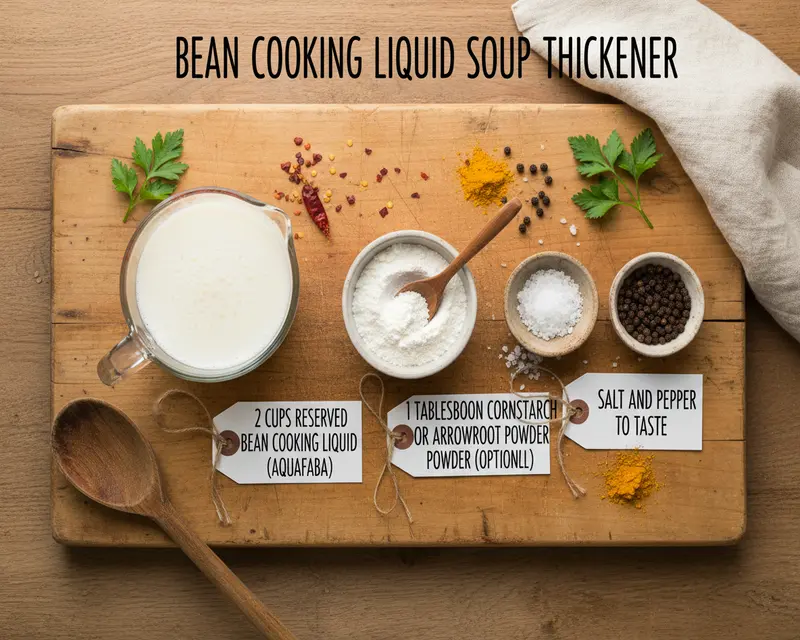
Aquafaba thickener starts with the simplest ingredient list you can imagine. This vegan soup thickener relies on the natural starches released from beans during cooking, creating a luscious, silky base that’s both nutritious and completely plant-based.
| Group | Ingredient | Amount | Notes |
|---|---|---|---|
| Base | Reserved bean cooking liquid (aquafaba) | 2 cups | Use the liquid from any type of cooked beans—white beans, chickpeas, or black beans all work beautifully |
| Optional Thickener | Cornstarch or arrowroot powder | 1 tablespoon | For those times when you want it extra luscious—totally optional though |
| Seasoning | Salt | To taste | Start light, since your bean liquid might already be seasoned |
| Seasoning | Black pepper | To taste | A few grinds add warmth without overpowering the subtle bean flavor |
Step-by-Step Instructions
Let’s make this happen. Bean cooking liquid soup thickener is one of the most forgiving recipes you’ll ever try, and it comes together faster than you can brew a cup of tea.
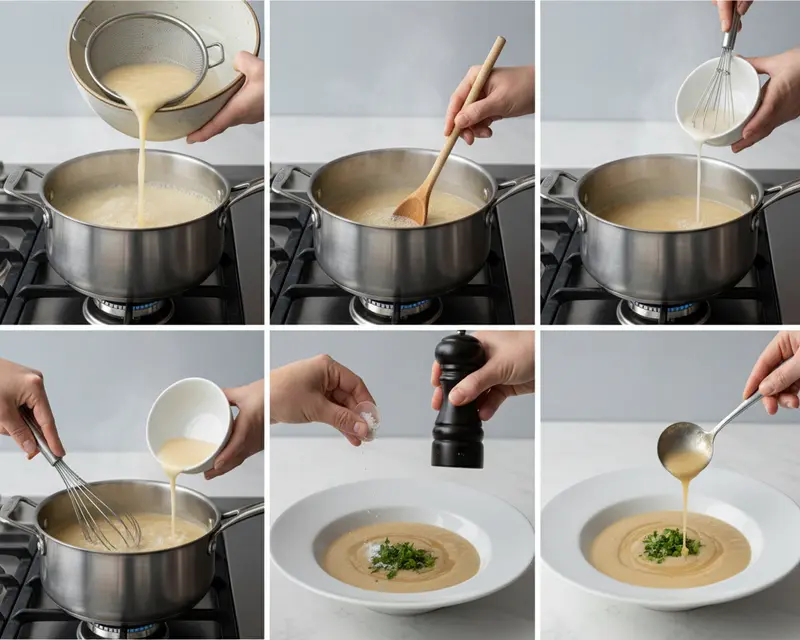
Step 1: Reserve Your Liquid Gold
After cooking your beans, carefully pour the cooking liquid through a fine-mesh strainer into a saucepan, keeping about 2 cups. The liquid should be pale and slightly cloudy—that’s all those beautiful starches ready to work their magic.
Step 2: Bring to a Gentle Simmer
Place your saucepan over medium heat and bring the bean broth soup base to a gentle simmer. You’ll see tiny bubbles breaking the surface—don’t let it boil hard, or you’ll lose some of that silky texture.
Step 3: Optional Slurry Magic
If you want a thicker homemade soup thickener, whisk together 1 tablespoon of cornstarch or arrowroot powder with 2 tablespoons of cold water in a small bowl. This slurry method prevents lumps and gives you total control over the final consistency.
Step 4: Gradually Add the Slurry
Slowly drizzle the slurry into the simmering liquid while whisking constantly. The liquid will start to thicken almost immediately, turning glossy and smooth as it heats.
Step 5: Simmer Until Perfectly Thick
Continue to simmer gently, stirring occasionally, until the vegan soup thickener reaches your desired consistency. This usually takes 5 to 10 minutes—it should coat the back of a spoon nicely.
Step 6: Season and Taste
Season with salt and pepper to taste, keeping in mind that your bean liquid may already carry some seasoning from the beans. Taste as you go—you can always add more, but you can’t take it away.
Step 7: Use Immediately or Store
Use your thickened bean cooking liquid soup thickener as a base for minestrone soup or stir it into any soup that needs more body. It works beautifully in any of your favorite cozy soup and chili recipes.
Pro Tips & Gentle Guidance
Aquafaba thickener is incredibly forgiving, but a few small tweaks can take your homemade soup thickener from good to spectacular. Let me share some of the tricks I’ve picked up over the years in my Charleston kitchen.
Start with Unsalted Bean Liquid
If you cooked your beans with salt, your liquid will already have flavor. Taste it before adding more seasoning—you might find it needs nothing at all.
Don’t Skip the Simmer
Simmering gently allows the natural starches to fully activate and thicken the liquid. Rushing this step with high heat can break down those starches and leave you with a thinner result.
Choose Your Starch Wisely
Cornstarch creates a glossy, slightly translucent finish, while arrowroot powder keeps things crystal-clear and works beautifully in acidic soups. Both are gluten-free and work equally well as a vegan soup thickener.
Use Fresh Bean Liquid
The fresher your bean cooking liquid, the better it thickens. If you’re using canned beans, the liquid works too—but homemade will always give you a richer, more flavorful base.
According to Bon Appétit’s deep dive into aquafaba, this magical liquid can replace eggs in baking and emulsify dressings—proof that bean broth is one of the most versatile ingredients in a plant-based kitchen.
Variations & Adaptations
Herbed Bean Broth Base
Add a sprig of fresh thyme, rosemary, or bay leaf while simmering your bean cooking liquid soup thickener. Remove the herbs before using—it adds a gentle aromatic layer that makes soups taste like they simmered all day.
Garlic-Infused Thickener
Simmer 2 smashed garlic cloves in the bean liquid for 5 minutes, then strain them out. The result is a savory, aromatic base perfect for Italian-style soups like lasagna soup.
Smoky Bean Liquid
Stir in a pinch of smoked paprika or a few drops of liquid smoke for a rich, campfire-like depth. This works beautifully in chili or any soup with bold, hearty flavors.
Creamy Cashew-Bean Hybrid
Blend 1/4 cup soaked cashews with your bean liquid before simmering. This creates an ultra-creamy vegan soup thickener that’s perfect for bisques and cream-style soups.
Miso-Enriched Broth
Whisk in 1 teaspoon of white or yellow miso paste after thickening. The umami boost makes your homemade soup thickener taste restaurant-worthy and adds gut-friendly probiotics.
Quick Fixes for Bean Cooking Liquid Soup Thickener
Problem: My thickener turned out too thin.
Solution: Make a fresh slurry with 1 teaspoon cornstarch and 1 tablespoon cold water, then whisk it in gradually. Let it simmer for another 3 to 5 minutes—it’ll thicken right up.
Problem: The liquid tastes too bland.
Solution: Add a splash of vegetable broth, a pinch of onion powder, or a squeeze of lemon juice. Sometimes all it needs is a little brightness to wake up those subtle bean flavors.
Problem: My thickener has lumps.
Solution: Strain the liquid through a fine-mesh sieve, then return it to the pan and whisk vigorously. Always mix your slurry in cold water before adding it to hot liquid to prevent clumping.
Problem: The consistency is too thick and gluey.
Solution: Thin it out with a little vegetable stock or water, one tablespoon at a time. Whisk well after each addition until it reaches the silky, pourable consistency you want.
Problem: I used canned bean liquid and it tastes metallic.
Solution: Rinse canned beans thoroughly and use the drained liquid sparingly, or cook your own beans next time. A squeeze of lemon juice can help balance any off-flavors.
Storage & Reheating

Bean broth soup base is one of those kitchen staples that stores beautifully and reheats like a dream. Use it immediately in your favorite soups, or save it for a busy weeknight when you need a quick flavor boost.
Serving Suggestions
Stir your homemade soup thickener into any soup that needs more body—think vegetable soup, lentil stew, or even creamy white chicken chili. It adds richness without heaviness, making every spoonful feel indulgent.
Storage
Store your cooled bean cooking liquid soup thickener in an airtight container in the fridge for up to 5 days. For longer storage, freeze it in ice cube trays, then pop the cubes into a freezer bag—they’ll keep for up to 3 months.
Reheating
Reheat gently over low heat, whisking occasionally to restore the smooth consistency. If it’s too thick after refrigeration, whisk in a splash of water or broth until it loosens up.
| Storage Method | Duration | Best For |
|---|---|---|
| Refrigerator (airtight container) | Up to 5 days | Quick weeknight soups |
| Freezer (ice cube trays) | Up to 3 months | Portion control and long-term storage |
| Freezer (freezer bag) | Up to 3 months | Bulk storage for batch cooking |
No-Waste Kitchen Magic
Freeze in Portions
Pour leftover bean cooking liquid into ice cube trays and freeze. Each cube is about 2 tablespoons—perfect for adding quick richness to sauces, gravies, or rice dishes.
Use in Bread Dough
Swap out some of the water in your bread or pizza dough recipe with bean liquid. It adds subtle flavor and a touch of protein, making your dough more tender and flavorful.
Boost Your Grains
Cook rice, quinoa, or farro in diluted bean cooking liquid instead of plain water. It infuses every grain with savory depth and turns a simple side dish into something special.
Make a Quick Pan Sauce
After sautéing vegetables or protein, deglaze the pan with a splash of your vegan soup thickener. It picks up all the browned bits and creates a glossy, flavorful sauce in seconds.
Enrich Your Compost Tea
If you have a garden, dilute leftover bean liquid with water and use it to water your plants. The nutrients from the beans act as a gentle, natural fertilizer.
Frequently Asked Questions
Here are some of the questions I hear most often about bean cooking liquid soup thickener and aquafaba—let’s clear up any confusion so you can cook with confidence.
What is bean cooking liquid and how does it thicken soup?
Bean cooking liquid, also known as aquafaba, is the starchy water left over from cooking beans. It contains dissolved starches and proteins that naturally thicken soups when added or reduced. The starches gelatinize when heated, creating a creamy texture without added fat or flour.
Can I use canned bean liquid as a soup thickener?
Yes, you can use the liquid from canned beans as a soup thickener. Drain the liquid from canned beans and add it gradually to your soup while stirring. The canned liquid works similarly to homemade bean cooking liquid, though it may contain added salt, so adjust seasoning accordingly.
How much bean cooking liquid should I add to thicken soup?
Start by adding 2 to 4 tablespoons of bean cooking liquid per cup of soup. Stir well and simmer for a few minutes to allow the liquid to thicken. You can gradually add more until you reach your desired consistency. The exact amount depends on how concentrated your bean liquid is and how thick you want your soup.
What types of beans produce the best thickening liquid?
White beans such as cannellini, navy, and great northern beans produce excellent thickening liquid due to their high starch content. Chickpeas also create a particularly thick and protein-rich liquid. Black beans and pinto beans work well too, though they may add color to lighter soups.
How should I store leftover bean cooking liquid?
Store bean cooking liquid in an airtight container in the refrigerator for up to 5 days. For longer storage, freeze it in ice cube trays or small portions for up to 3 months. Thaw frozen bean liquid in the refrigerator or add directly to hot soups while cooking.
Final Dish
Bean cooking liquid soup thickener is one of those quiet kitchen heroes that changes the way you cook. It’s simple, sustainable, and transforms what you’d normally toss into something truly special. Once you start using it, you’ll wonder how you ever lived without it.
I’d love to see how you use your homemade soup thickener—snap a photo, tag me, and let me know what soup it ended up in. Every time you save that bean liquid, you’re cooking smarter, waste-free, and with so much heart.
I’m Linda Sandra — a Charleston home chef and comfort-food daydreamer. Around here, cooking’s not about perfection — it’s about cozy vibes, creative twists, and food that feels like love.
Bean Cooking Liquid Soup Thickener
Ingredients
- 2 cups reserved bean cooking liquid aquafaba
- 1 tablespoon cornstarch or arrowroot powder optional, for extra thickening
- Salt and pepper to taste
Instructions
- After cooking your beans, carefully reserve the cooking liquid (aquafaba) in a saucepan.
- Bring the bean liquid to a gentle simmer over medium heat.
- If a thicker consistency is desired, in a small bowl, whisk together 1 tablespoon of cornstarch or arrowroot powder with 2 tablespoons of cold water to create a slurry. Gradually whisk the slurry into the simmering bean liquid.
- Continue to simmer, stirring occasionally, until the liquid thickens to your desired consistency. This may take 5-10 minutes.
- Season with salt and pepper to taste. Keep in mind that the bean liquid may already have some seasoning from the beans.
- Use the thickened bean liquid as a soup base or to add body to other dishes.