Omega-3 Chia Seed Neuroinflammation Fighter
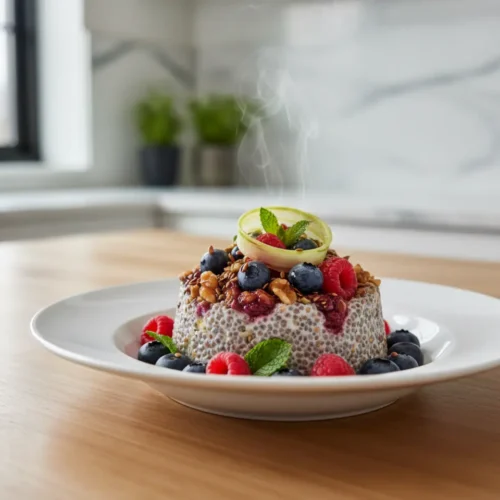
This Omega-3 Chia Seed Neuroinflammation Fighter is a creamy, nutrient-packed pudding loaded with brain-boosting chia seeds, walnuts, and berries that help calm inflammation and support your mind. Perfect for busy mornings or a midday recharge, it’s simple, make-ahead magic for your neuroinflammation diet.
I’m Linda Sandra, and I believe food should comfort you while it heals you. This brain health chia seeds pudding is one of those gentle, do-good recipes that tastes like dessert but works quietly behind the scenes to support your nervous system and mood.
Chia seeds are tiny nutritional champions, rich in alpha-linolenic acid (ALA), a plant-based omega-3 fatty acid that your body converts into EPA and DHA. Paired with polyphenol-rich berries and anti-inflammatory walnuts, this dish delivers flavonoids, fiber, and healthy fats your brain craves.
It’s the kind of anti-inflammatory omega-3 recipe that makes you feel proud before you even take the first spoonful.
I started making this pudding during a stressful season when brain fog felt like a permanent guest. I needed something easy, nourishing, and actually delicious. This little jar became my morning ritual, my reset button, my edible hug in a cup.
Table of Contents
Quick Overview
Little Snapshot: What This Recipe Delivers
This Omega-3 Chia Seed Neuroinflammation Fighter is a 5-minute prep, make-ahead chia pudding that combines anti-inflammatory chia seeds, walnuts, and berries to support brain health and reduce neuroinflammation. It’s creamy, naturally sweetened, and ready to grab from your fridge anytime you need nourishment that loves you back.
Why You’ll Love This Recipe 🌸
- This Omega-3 Chia Seed Neuroinflammation Fighter takes less time to prep than brewing your morning coffee.
- It’s packed with brain-boosting omega-3s and fiber that keep you full and focused without a single bit of fuss.
- Make it once, enjoy it all week—perfect for meal prep warriors and busy moms who deserve something delicious and healing.
- According to Harvard Health, foods rich in omega-3 fatty acids support cognitive function and may protect against neuroinflammation — and this recipe proves exactly why.
Quick Facts ⚡
Here’s the quick scoop on this Omega-3 Chia Seed Neuroinflammation Fighter.
- CourseBreakfast / Snack
- Prep Time5 minutes
- Cook Time0 minutes (chill time: 2 hours or overnight)
- Total Time2 hours 5 minutes
- Servings1 serving
- DifficultyEasy
Nutritional Peek
| Nutrient | Amount per Serving |
|---|---|
| Calories | 280 kcal |
| Protein | 8 g |
| Carbohydrates | 28 g |
| Fat | 16 g |
| Fiber | 12 g |
| Sugar | 9 g |
What You’ll Need
You don’t need fancy gadgets to whip up this brain health chia seeds pudding. Just a few simple tools and you’re golden.
- Small jar with lid or bowl
- Spoon for stirring
- Measuring cups and spoons
- Refrigerator for chilling
Ingredients
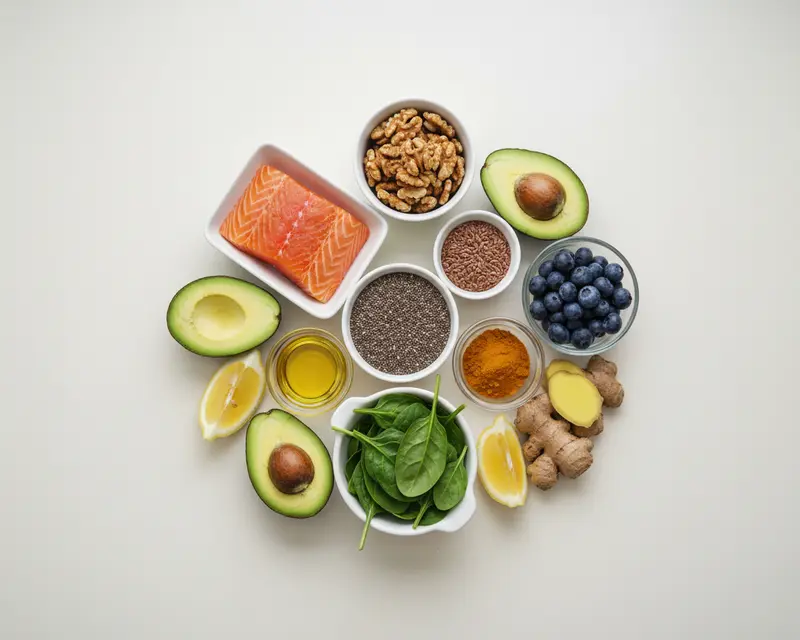
This brain health chia seeds recipe is all about simplicity and synergy. Each ingredient plays a role in calming inflammation, feeding your brain, and keeping your energy steady. Chia seeds gel up beautifully with almond milk, while walnuts and berries add crunch, color, and serious antioxidant power.
| Group | Ingredient | Amount | Notes |
|---|---|---|---|
| Base | Chia seeds | 2 tablespoons | Packed with ALA omega-3s and fiber |
| Base | Unsweetened almond milk (or milk of choice) | 1 cup | Creamy, dairy-free, and light |
| Flavor | Vanilla extract | 1/2 teaspoon | Warm and comforting |
| Flavor | Cinnamon | 1/4 teaspoon | Anti-inflammatory spice with cozy vibes |
| Toppings | Mixed berries (fresh or frozen) | 1/2 cup | Antioxidant-rich brain fuel |
| Toppings | Walnuts, chopped | 1 tablespoon | Another omega-3 boost with satisfying crunch |
| Optional Sweetener | Maple syrup or honey | 1 teaspoon | Just a kiss of sweetness |
Step-by-Step Instructions
Let’s make this happen.
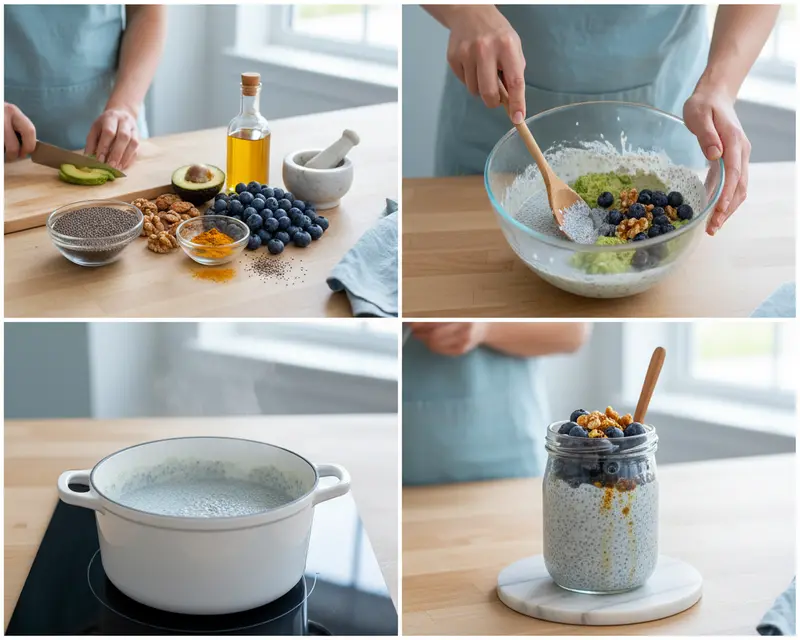
Omega-3 Chia Seed Neuroinflammation Fighter comes together in minutes, and the fridge does all the heavy lifting. Just stir, chill, and top.
- In a small jar or bowl, combine 2 tablespoons chia seeds, 1 cup unsweetened almond milk, 1/2 teaspoon vanilla extract, and 1/4 teaspoon cinnamon. Stir thoroughly with a spoon to break up any clumps and ensure the chia seeds are evenly distributed throughout the liquid.
- Cover your jar or bowl tightly with a lid or plastic wrap. Pop it in the refrigerator and let it chill for at least 2 hours, though overnight is even better for that silky, spoonable texture.
- After chilling, give the pudding a good stir to redistribute the seeds and break up any gel pockets. The consistency should be thick, creamy, and pudding-like.
- Top your chia pudding with 1/2 cup mixed berries—think blueberries, raspberries, or strawberries—and 1 tablespoon chopped walnuts for crunch and extra omega-3 power.
- If you like a touch of sweetness, drizzle with 1 teaspoon maple syrup or honey. Dive in with a spoon and enjoy every brain-loving bite.
Pro Tips & Gentle Guidance
This anti-inflammatory omega-3 recipe is forgiving and flexible, but a few little tweaks can take it from good to glorious. Here’s what I’ve learned after making this pudding more times than I can count.
Stir your chia mixture after the first 10 minutes in the fridge. This prevents the seeds from settling at the bottom and ensures a uniform gel throughout.
Use frozen berries if fresh aren’t in season—they’re just as nutritious, often more affordable, and they thaw beautifully right on top of your pudding. No shame in the freezer aisle, friends.
Toast your walnuts lightly in a dry skillet for 2-3 minutes before chopping. The nutty aroma and deeper flavor are worth the extra minute, and toasting also releases more of those healthy oils.
If you want a sweeter pudding without added sugar, try mashing half a ripe banana into the chia mixture before chilling. It adds natural sweetness, creaminess, and even more potassium for brain health.
For more inspiration on anti-inflammatory eating, check out this guide from Medical News Today on anti-inflammatory diets. It’s packed with science-backed tips that pair beautifully with recipes like this one.
Variations & Adaptations
This healthy chia seed pudding is endlessly customizable. Swap, add, or remix to suit your taste, dietary needs, or whatever’s sitting in your pantry.
- Chocolate Lovers: Stir in 1 tablespoon unsweetened cocoa powder and a touch more sweetener for a high-protein chocolate chia seed pudding vibe.
- Tropical Twist: Use coconut milk instead of almond milk, top with mango and shredded coconut, and add a squeeze of lime juice for island vibes.
- Peanut Butter Power: Swirl in 1 tablespoon natural peanut butter or almond butter for extra protein and creamy richness.
- Matcha Green Tea: Whisk in 1/2 teaspoon matcha powder for an antioxidant boost and a gorgeous green hue.
- Pumpkin Spice Season: Add 2 tablespoons pumpkin puree and a pinch of pumpkin pie spice for a cozy fall breakfast.
- Seed Cycling Support: Rotate in flax or sunflower seeds alongside chia to support hormone balance, inspired by this hormone-balancing seed cycling smoothie.
Quick Fixes for Omega-3 Chia Seed Neuroinflammation Fighter
Problem: Your chia pudding is too thick and hard to stir. Solution: Stir in a splash more almond milk, a tablespoon at a time, until you reach your desired consistency. Chia seeds keep absorbing liquid even after chilling, so this is totally normal.
Problem: The pudding tastes bland or one-note. Solution: Boost flavor with a pinch of sea salt, extra vanilla, or a sprinkle of cardamom. A drizzle of honey or maple syrup also wakes up the whole dish.
Problem: Chia seeds clumped together at the bottom. Solution: Next time, stir thoroughly right after mixing and again after 10 minutes in the fridge. If it’s already clumped, break it up with a fork and give it a vigorous stir.
Problem: You’re out of almond milk. Solution: Use any milk you have—oat, coconut, cow’s milk, or even cashew milk. Each brings its own flavor and creaminess, and they all work beautifully with chia.
Problem: Your berries are frozen and icy on top. Solution: Let them thaw for 10 minutes at room temperature, or microwave for 20 seconds. They’ll soften and release their juices, creating a gorgeous berry syrup.
Storage & Reheating
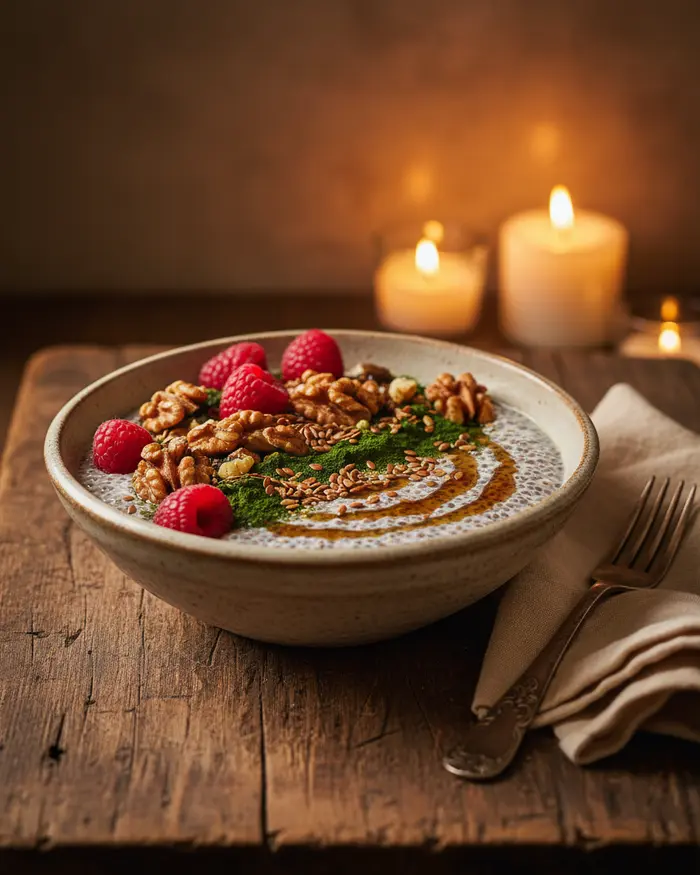
This neuroinflammation diet staple keeps beautifully in the fridge and actually tastes better after a day or two. Serve it straight from the jar, layered in a parfait glass, or topped with fresh fruit and a drizzle of nut butter for extra staying power.
Store your chia pudding in an airtight jar or container in the refrigerator for up to 5 days. The flavors meld and deepen over time, and it’s ready to grab whenever hunger strikes. Add toppings fresh each time for the best texture and visual appeal.
No reheating needed—this dish is meant to be enjoyed cold. If it thickens too much, just stir in a splash of milk before eating. It’s that simple.
| Storage Method | Duration | Notes |
|---|---|---|
| Refrigerator (airtight jar) | Up to 5 days | Best texture; add toppings fresh |
| Freezer | Not recommended | Texture becomes icy and grainy |
| Room temperature | Not safe | Keep chilled to maintain freshness |
No-Waste Kitchen Magic
This recipe is naturally low-waste, but here are a few ways to stretch every ingredient and honor your food budget.
- Save leftover almond milk for smoothies, oatmeal, or a hormone-balancing seed cycling smoothie.
- Use overripe berries that are too soft for fresh snacking—they’re perfect for chia pudding toppings and add natural sweetness.
- Chop extra walnuts and store them in the freezer to keep them fresh for months. Toss them into salads, yogurt, or baked goods.
- Turn leftover chia pudding into popsicles by pouring it into molds and freezing for a fun, healthy treat.
- Repurpose your empty chia seed jar for storing overnight oats, salad dressings, or homemade spice blends.
- Compost berry stems, walnut shells, and any food scraps to close the loop and nourish your garden or houseplants.
Frequently Asked Questions
Here are answers to the most common questions about making and enjoying this Omega-3 Chia Seed Neuroinflammation Fighter.
What is Omega-3 Chia Seed Neuroinflammation Fighter?
Omega-3 Chia Seed Neuroinflammation Fighter is a dietary supplement formulated with chia seeds rich in omega-3 fatty acids, specifically designed to help reduce inflammation in the brain and nervous system. It combines the natural anti-inflammatory properties of chia-derived omega-3s to support cognitive health and neurological function.
How does this product help fight neuroinflammation?
The omega-3 fatty acids found in chia seeds, particularly alpha-linolenic acid (ALA), help combat neuroinflammation by reducing pro-inflammatory cytokines and supporting the production of anti-inflammatory compounds in the brain. These fatty acids cross the blood-brain barrier and help protect neural tissue from oxidative stress and inflammation.
What is the recommended dosage for Omega-3 Chia Seed Neuroinflammation Fighter?
The typical recommended dosage is one to two capsules daily with meals, or as directed by a healthcare professional. The exact dosage may vary based on individual needs and health conditions. It is important to follow the instructions on the product label and consult with a healthcare provider before starting supplementation.
Are there any side effects associated with this supplement?
Omega-3 Chia Seed Neuroinflammation Fighter is generally well-tolerated by most individuals. Some people may experience mild digestive discomfort, such as bloating or stomach upset, especially when first starting the supplement. Individuals taking blood-thinning medications should consult their doctor before use, as omega-3s may have mild blood-thinning effects.
How long does it take to see results from taking this supplement?
Results can vary depending on individual factors such as baseline inflammation levels, diet, and overall health status. Most users may begin to notice improvements in cognitive function and reduced inflammation symptoms within 4 to 8 weeks of consistent daily use. For optimal benefits, it is recommended to take the supplement regularly for at least 3 months.
Final Dish
This Omega-3 Chia Seed Neuroinflammation Fighter is proof that healing food doesn’t have to be complicated, expensive, or tasteless. It’s creamy, nourishing, and ready to support your brain health one delicious spoonful at a time. Whether you’re prepping breakfast for the week or looking for a midday reset, this pudding has your back.
I’d love to see your chia creations! Snap a photo, tag me on social, and let me know what toppings you loved best. Your feedback and creativity make this cozy corner of the internet so much sweeter.
I’m Linda Sandra — a Charleston home chef and comfort-food daydreamer. Around here, cooking’s not about perfection — it’s about cozy vibes, creative twists, and food that feels like love.