Fresh Seafood & Fish Recipes
Discover the best Fresh Seafood & Fish Recipes featuring easy salmon, shrimp, and seafood dishes, healthy meals, and flavorful recipes for every occasion.
Explore everything you need to know about cooking fresh seafood and fish at home, from selecting the perfect catch to mastering cooking techniques across shellfish and finfish varieties.
Table of Contents
The first time I brought home a whole salmon wrapped in butcher paper, I stood in my kitchen feeling equal parts excited and terrified. The fish smelled like the ocean, its scales still glistening, and I had absolutely no idea where to start. But that evening, after I finally worked up the courage to make my first cut, something magical happened.
The kitchen filled with the smell of lemon and butter, the flesh turned from translucent to opaque, and I realized that cooking fresh seafood wasn’t scary at all. It was absolutely transformative.
That moment changed everything about how I approached cooking. Fresh seafood and fish recipes became my favorite way to bring restaurant-quality meals to my dinner table without the intimidation factor I’d built up in my mind. Whether you’re drawn to the sweet tenderness of shrimp or the rich, meaty texture of salmon, cooking with fresh seafood connects you to something primal and nourishing.
The best part? Most seafood cooks faster than chicken, which means weeknight dinners just got a serious upgrade.
I’ve spent years perfecting my approach to seafood, from learning which fish markets have the freshest catch to discovering which cooking methods bring out the best flavors. This guide brings together everything I’ve learned about working with both shellfish and finfish, so you can cook with confidence whether you’re a complete beginner or looking to expand your seafood repertoire.
The Quick Guide
Here’s what you need to know about fresh seafood and fish recipes before you start cooking:
- Freshness is everything: Look for clear eyes, firm flesh, and a clean ocean smell rather than anything fishy or ammonia-like
- Seafood cooks fast: Most fish and shellfish need just 8-12 minutes of cooking time, making them perfect for busy weeknights
- Simple preparations work best: High-quality fresh seafood needs minimal seasoning to shine
- Temperature matters: Overcooking is the biggest mistake home cooks make with seafood
- Sustainability counts: Choose wild-caught or responsibly farmed options whenever possible
What Makes Fresh Seafood & Fish Special
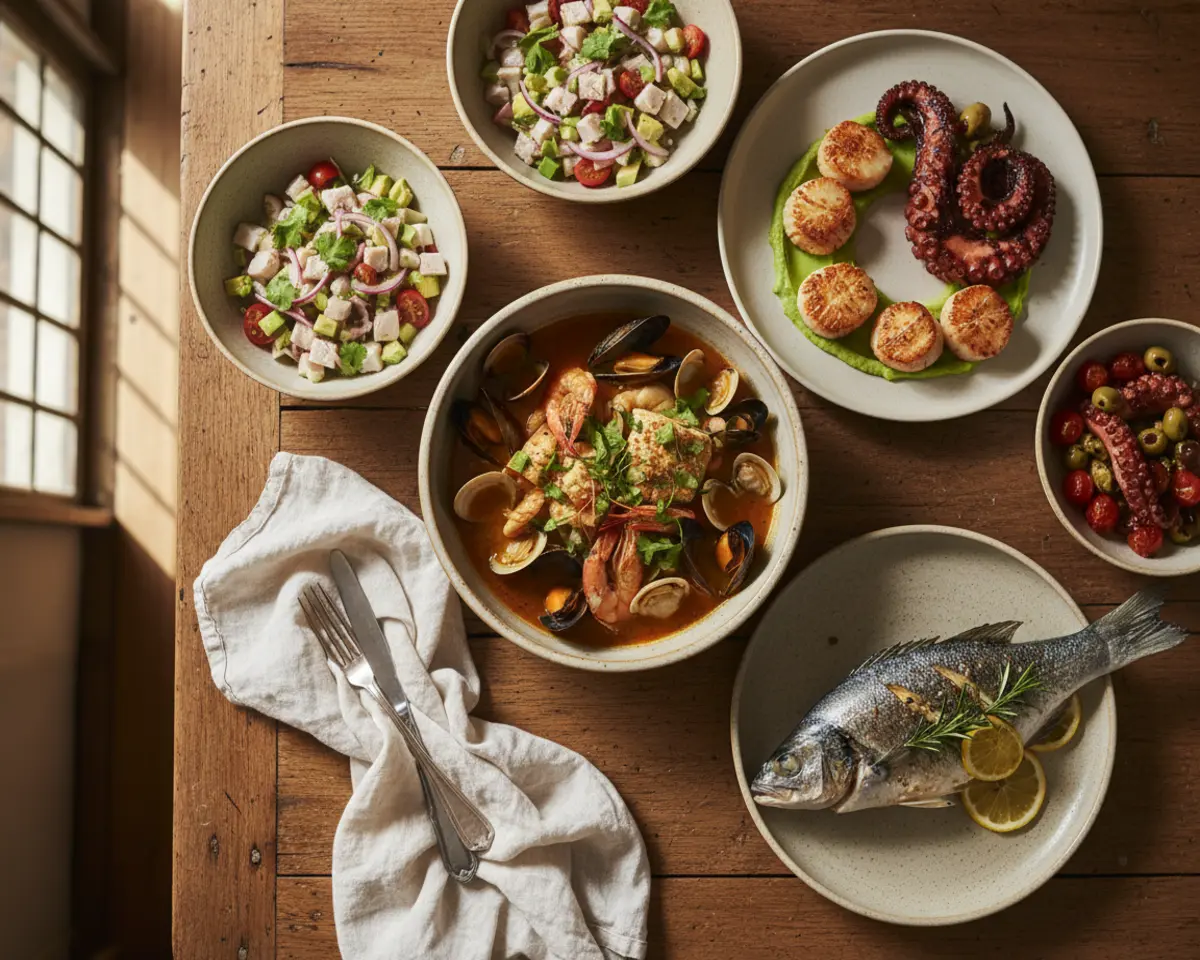
Fresh seafood and fish recipes stand apart from other proteins because of their delicate textures, quick cooking times, and impressive nutritional profiles. Unlike beef or pork that benefit from long cooking, seafood reaches perfection in minutes. This means dinner can go from refrigerator to table faster than most takeout deliveries.
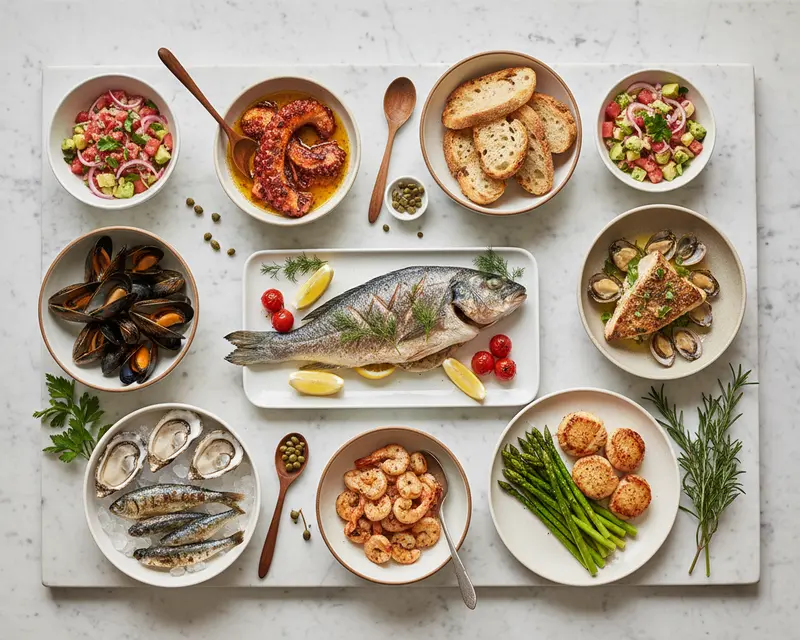
The omega-3 fatty acids in fish like salmon provide heart-healthy benefits you simply can’t get from land-based proteins. Shellfish like shrimp deliver lean protein with minimal calories, making them ideal for anyone watching their intake while still wanting satisfying meals. Beyond nutrition, seafood offers incredible versatility.
You can grill it, bake it, pan-sear it, or even enjoy it raw in preparations like ceviche.
What really sets fresh seafood apart is how it transforms with different flavor profiles. The same piece of fish can taste completely different depending on whether you pair it with Mediterranean herbs, Asian-inspired glazes, or classic French butter sauces. This adaptability means you’ll never get bored, even if you’re eating seafood several times a week.
Salmon Fresh Catch Recipes
Salmon represents everything wonderful about cooking with fish. Its rich, fatty flesh forgives small timing mistakes better than leaner fish, making it perfect for beginners. The complete guide to salmon recipes covers everything from simple weeknight fillets to impressive whole-side preparations that look like they came from a fine dining restaurant.
Whether you prefer Atlantic, Sockeye, or King salmon, these recipes work with whatever’s freshest at your market. You’ll find techniques for achieving crispy skin, methods for keeping the center perfectly moist, and flavor combinations that range from classic lemon-dill to adventurous miso-glazed preparations.
Salmon works beautifully for meal prep since it reheats well and tastes delicious cold in salads.
This section is ideal for anyone who wants a reliable, forgiving fish that delivers restaurant-quality results at home. Salmon’s substantial texture means it holds up to bold flavors and high-heat cooking methods like grilling or broiling.
Shrimp Shellfish
Shrimp might be the most universally loved seafood, and for good reason. These sweet, tender shellfish cook in literally three to four minutes, making them the ultimate fast food. The comprehensive shrimp and shellfish guide walks you through everything from classic shrimp scampi to coconut curry variations that transport you straight to the tropics.
Beyond shrimp, this category explores other shellfish like scallops, which develop a gorgeous caramelized crust when seared properly. You’ll learn the difference between wet-packed and dry-packed scallops, how to devein shrimp efficiently, and which sizes work best for different preparations. Shellfish absorbs marinades quickly, so you can add tremendous flavor in just fifteen minutes.
Perfect for anyone who needs dinner on the table fast, this pillar focuses on quick-cooking techniques and bold flavor combinations. If you love the sweet, briny taste of the ocean but want something that cooks faster than boiling pasta, shellfish recipes are your answer.
Expert Category Guide
Mastering fresh seafood requires understanding a few key principles that separate okay results from spectacular ones. Let’s break down the essential knowledge that will transform your seafood cooking.
Essential Techniques
The single most important technique for cooking seafood is learning to recognize doneness without overcooking. Fish is done when it flakes easily with a fork and turns opaque throughout. The flesh should still be moist, never dry or rubbery. For most fish fillets, this happens at an internal temperature of 145°F, though many chefs prefer pulling salmon at 125°F for a slightly translucent center.
Pan-searing creates restaurant-quality results at home. Start with a hot pan, add oil with a high smoke point like avocado or grapeseed, and place your fish skin-side down. Don’t move it for at least three minutes. The key is patience. Let the fish develop a golden crust before attempting to flip it. If it sticks, it’s not ready yet.
Baking works beautifully for thicker cuts and whole fish. A 400°F oven cooks most fillets in ten to twelve minutes. For extra moisture, try baking en papillote, which means wrapping the fish in parchment paper with aromatics and a splash of liquid. The steam created inside the packet keeps everything incredibly moist.
Grilling adds smoky flavor but requires attention to prevent sticking. Oil your grates well, and consider using a fish basket for delicate fillets. Firmer fish like salmon, tuna, and swordfish handle direct grilling better than flaky white fish.
Ingredient Spotlight
Quality starts at the fish counter. Fresh seafood should smell like clean ocean water, never fishy or ammonia-like. Whole fish should have clear, bright eyes and shiny scales. Fillets should look moist and spring back when you press them gently. If you’re buying frozen, look for individually vacuum-sealed portions without frost or ice crystals, which indicate freezer burn.
Wild-caught fish generally has firmer texture and more pronounced flavor than farmed, though responsibly farmed options like Norwegian salmon offer excellent quality. For shellfish, buy from reputable sources that follow proper handling protocols. Shrimp labeled as “dry-packed” or “chemical-free” taste significantly better than those treated with preservatives.
The supporting ingredients matter too. Fresh lemon brightens every seafood dish. Good quality olive oil or butter creates luxurious sauces. Fresh herbs like dill, parsley, cilantro, and basil complement fish without overwhelming its delicate flavor. Garlic and shallots add aromatic depth.
Don’t overlook acids beyond lemon. Lime works beautifully with Latin-inspired preparations. White wine creates classic French sauces. Rice vinegar pairs perfectly with Asian flavors. A splash of acid at the end of cooking brightens the entire dish.
Seasonal Considerations
Seafood availability follows seasonal patterns based on fishing regulations and natural breeding cycles. Salmon runs peak in summer and early fall, when you’ll find the best prices and freshest quality. Wild-caught varieties appear in markets during specific windows, with King salmon arriving in spring and Sockeye following in summer.
Shrimp seasons vary by region and species. Gulf shrimp peaks in fall and winter, while Pacific varieties are available spring through fall. Many shellfish have “R months” traditions, suggesting you eat oysters and mussels only in months containing the letter R, which aligns with cooler water temperatures and better flavor.
Summer invites lighter preparations perfect for grilling. Think whole fish stuffed with herbs, shrimp skewers with bright chimichurri, or salmon with cucumber salad. Winter calls for richer treatments like creamy chowders, butter-poached lobster, or roasted fish with root vegetables.
Frozen seafood fills gaps between fresh seasons. Modern flash-freezing technology preserves quality remarkably well. Fish frozen on fishing boats often tastes fresher than “fresh” fish that spent days in transit. Just thaw it properly in the refrigerator overnight, never at room temperature.
Skill Level Guide
Beginners should start with forgiving fish and simple preparations. Salmon fillets offer the most leeway since their fat content prevents drying. Try basic pan-seared salmon with lemon and butter. The thick, even fillets cook predictably, and you’ll see clearly when the flesh changes from translucent to opaque.
Shrimp represents another excellent starting point. These shellfish cook so quickly that you’ll know immediately if something goes wrong, and they’re inexpensive enough to practice with. Start with basic garlic shrimp or shrimp tacos. The skills you develop translate directly to more complex recipes.
Intermediate cooks can tackle whole fish and learn proper filleting techniques. Roasting a whole branzino or snapper impresses guests while remaining surprisingly simple. You’ll develop confidence working with bones and skin, understanding how different parts cook at different rates.
Advanced home cooks might explore raw preparations like ceviche or crudo, which require impeccable ingredient quality and knife skills. Whole-side salmon presentations, lobster preparations, or complex seafood stews like bouillabaisse demonstrate mastery. These dishes require juggling multiple components and precise timing.
Storage & Make-Ahead Tips
Fresh seafood requires immediate attention. Plan to cook it the same day you buy it, or the next day at the latest. Store it in the coldest part of your refrigerator, ideally on ice in a covered container. Never let fish sit in melting ice water, which degrades texture.
For slightly longer storage, wrap fillets tightly in plastic wrap, then place them in a zip-top bag with all air removed. This prevents oxidation and moisture loss. Most fish keeps for two days maximum under these conditions. Your nose tells you everything. If it smells off, trust that instinct.
Cooked seafood lasts three to four days refrigerated, making it suitable for meal prep. Salmon holds up particularly well and tastes delicious cold on salads. Shrimp maintains its texture nicely and works in grain bowls, pasta salads, or spring rolls throughout the week.
Freezing fresh seafood at home works best with fatty fish like salmon. Wrap portions individually in plastic wrap, then aluminum foil, removing all air. Label with the date and use within three months. Lean white fish loses texture when frozen, so only freeze it if you plan to use it in applications where texture matters less, like fish cakes or chowders.
Marinades penetrate seafood quickly, so fifteen to thirty minutes usually suffices. Longer marinating can break down the delicate flesh, especially with acidic ingredients. If making ahead, prepare your marinade but add the seafood just before cooking.
Comparison & Selection Guide
Choosing between salmon and shellfish depends on what you’re craving and how much time you have. Salmon offers rich, substantial flavor with a meaty texture that satisfies like no other fish. It works beautifully for main courses where you want something hearty and filling. The higher fat content means it stays moist even if you slightly overcook it, making it more forgiving for beginners.
Shrimp and shellfish deliver sweet, delicate flavor with almost instant cooking times. Choose shellfish when you need dinner in under ten minutes, when you want to stretch your protein across a pasta or rice dish, or when you’re cooking for people who find salmon too fishy. Shellfish also costs less per serving when you factor in how little it shrinks during cooking.
For elegant dinner parties, whole-side salmon makes a stunning centerpiece that feeds a crowd. For casual weeknight meals, shrimp tacos or quick scampi get dinner on the table before anyone starts complaining about hunger. If you’re meal prepping, salmon reheats better and stays satisfying in cold applications.
Consider dietary needs too. Both options provide lean protein, but salmon contains significantly more omega-3 fatty acids. Shellfish offers more protein per calorie, making it ideal for anyone watching their calorie intake.
Those with shellfish allergies obviously need to focus on fish options, while people who dislike the texture of fish flesh often love the firm, snappy texture of properly cooked shrimp.
Budget plays a role in your decision. Wild salmon commands premium prices during peak season, though farmed options cost less. Shrimp prices vary wildly based on size and origin. Medium shrimp often offers the best value, with large enough size to feel substantial but without the premium pricing of jumbo varieties.
Skill level shouldn’t limit you, but it affects which recipes you’ll find most satisfying. Salmon’s forgiving nature makes it perfect for building confidence. Shellfish requires more attention to timing but rewards you with faster results. If you’re just starting your seafood journey, alternate between both categories to develop a full range of skills.
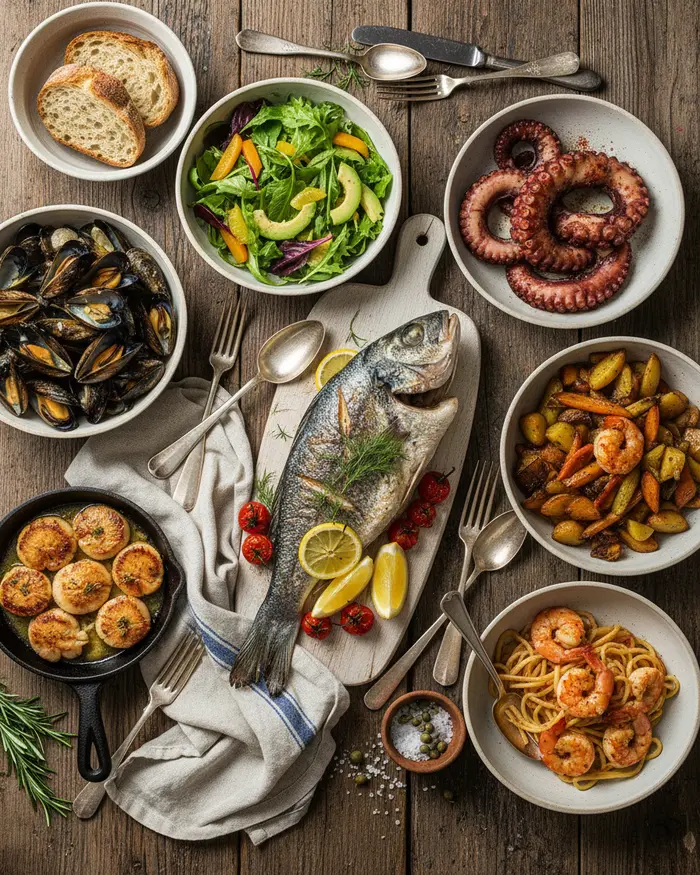
Start Your Fresh Seafood Journey
You now have everything you need to transform fresh seafood from an intimidating ingredient into a regular part of your cooking rotation. Whether you dive into rich salmon preparations or explore the quick versatility of shellfish, you’re set up for success. Start with whichever category calls to you, but don’t stop there.
The beauty of seafood lies in its incredible variety and how quickly you can master new techniques. Save this guide and return to it whenever you need inspiration or want to try something new.
Pin your favorite sections to Pinterest so you can find them quickly when you’re planning meals. And here’s my challenge for you: commit to cooking seafood at least once this week. Choose one pillar that excites you and pick the simplest recipe to start.
Which category will you explore first? Will you master that perfect salmon fillet, or are you ready to whip up lightning-fast shrimp dishes? Drop a comment and let me know what’s inspiring you right now. Your seafood adventure starts today, and trust me, once you discover how easy and delicious these recipes are, you’ll wonder why you didn’t start cooking with fresh seafood sooner.