Shrimp & Shellfish
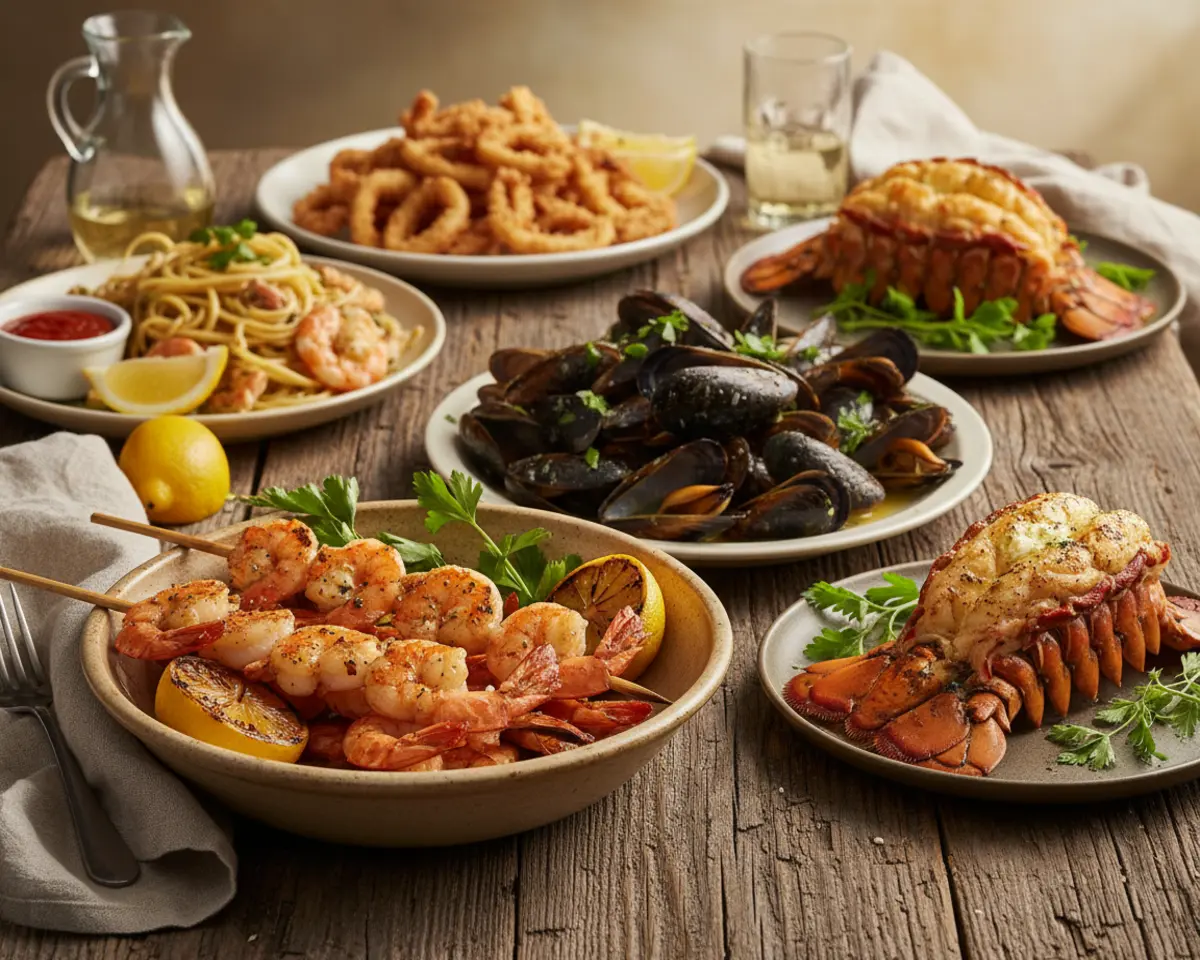
Discover the ultimate collection of shrimp & shellfish recipes that transform weeknight dinners into restaurant-quality meals. From quick skillet dishes to hands-off slow cooker feasts, these shrimp and shellfish creations deliver bold flavors and tender textures every single time.
I still remember the first time I nailed a shrimp dish without turning them into rubbery little pebbles. The kitchen smelled like garlic and butter, the pan sizzled just right, and when I took that first bite, everything clicked.
Suddenly, shrimp went from intimidating to absolutely addictive. Now I’m constantly finding new ways to cook these sweet, tender shellfish—and I’m sharing every single trick I’ve learned along the way.
Table of Contents
Quick Overview
There’s so much more to explore in our Comprehensive Fresh Seafood & Fish Recipes. From essential techniques to seasonal twists, it’s your go-to resource for all things Shrimp Shellfish.
This pillar post rounds up seven of my favorite shrimp recipes, each one designed to make cooking shellfish feel effortless and fun. You’ll find everything from sheet pan fajitas to creamy orzo skillets, plus tips on buying, prepping, and cooking shrimp like a total pro.
No matter your skill level, these recipes deliver big flavor without the fuss. Perfect for busy weeknights or impressing guests on the weekend.
Easy Sheet Pan Shrimp Fajitas Recipe
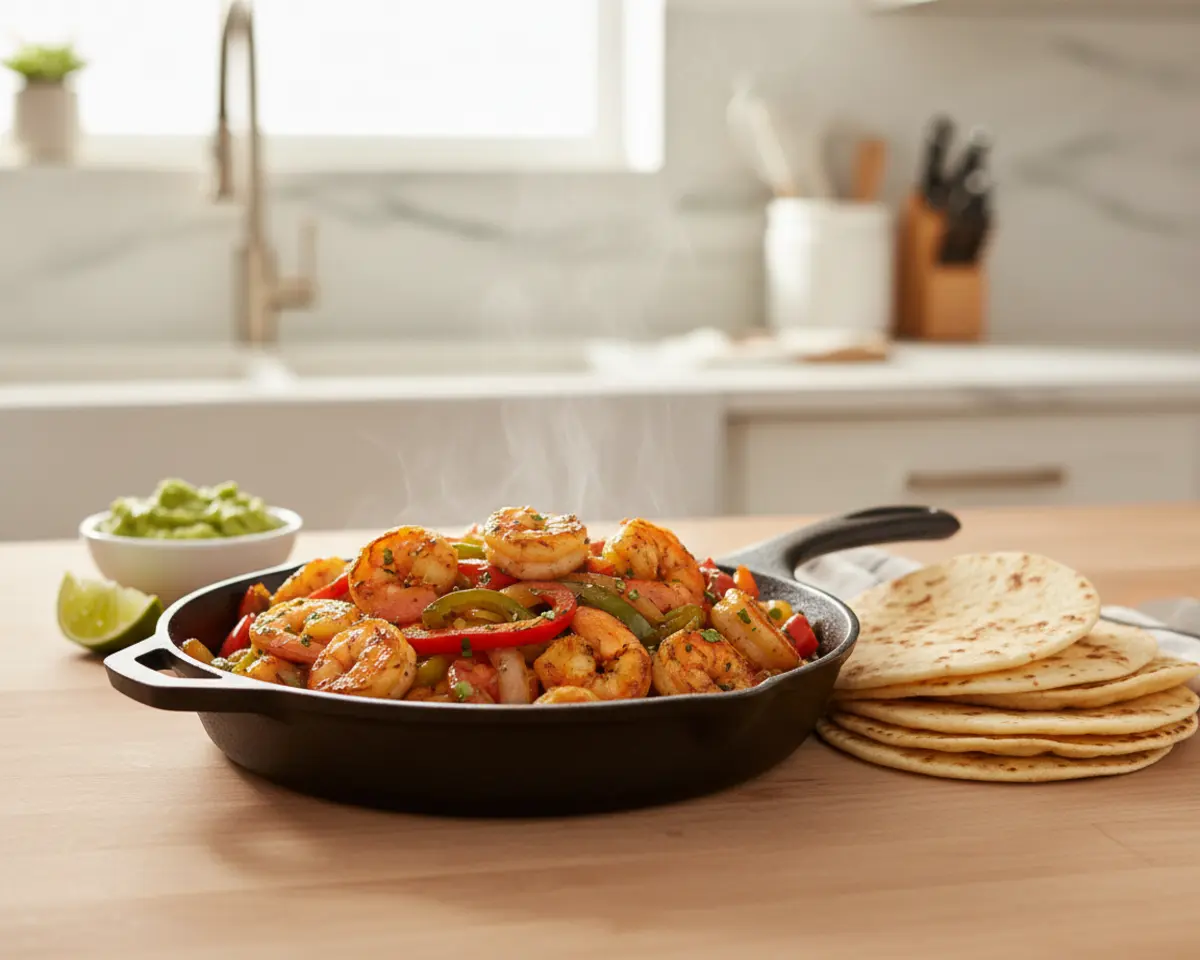
When you need dinner on the table fast, these fajitas are a total lifesaver. Toss shrimp and colorful peppers on a sheet pan, roast until everything’s caramelized and juicy, then pile it all into warm tortillas.
Minimal cleanup, maximum flavor—grab the full recipe here and see how simple weeknight cooking can be. The smoky char on those veggies is absolutely unbeatable.
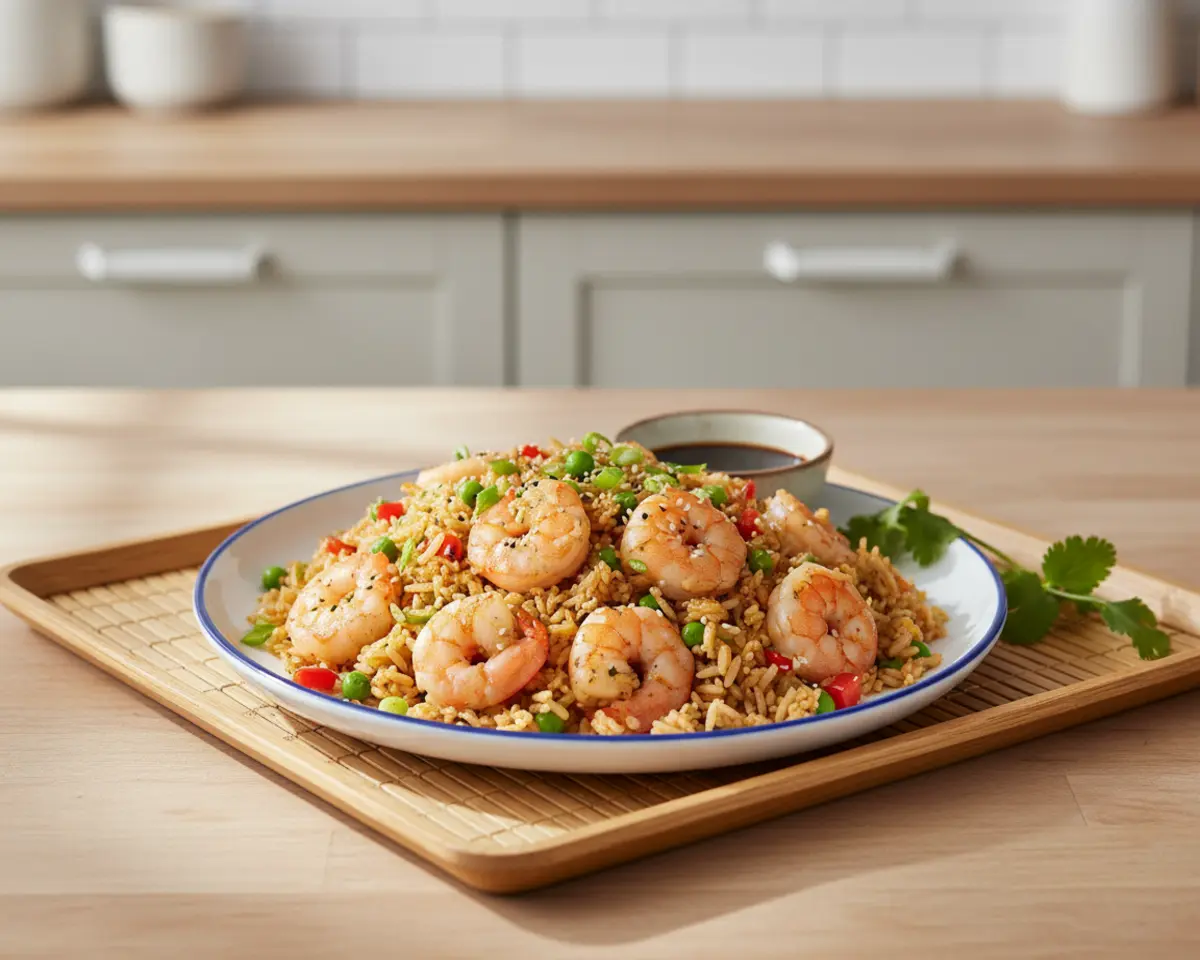
Easy Shrimp Fried Rice
Fried rice is one of those dishes that tastes like you spent hours in the kitchen, but really it comes together in about 15 minutes. This version uses plump shrimp, day-old rice, and a handful of veggies for a meal that’s better than takeout.
The secret? High heat and quick tosses keep everything light and fluffy. Check out the step-by-step instructions and get ready to impress yourself.
Garlic Butter Shrimp Orzo Skillet
Creamy, garlicky, and absolutely luxurious, this one-pan wonder combines tender shrimp with perfectly cooked orzo in a buttery sauce. It’s comfort food at its finest, and you only need one skillet to pull it off.
The orzo soaks up all that garlicky goodness while the shrimp stay plump and juicy. Try this cozy recipe tonight and watch it become a regular rotation staple.

High-Protein Honey Garlic Shrimp
If you’re looking for a meal that’s both healthy and insanely tasty, this honey garlic shrimp delivers. Sticky, sweet, and packed with protein, it’s perfect for meal prep or a quick post-workout dinner.
The glaze caramelizes beautifully and clings to every bite. Get the full breakdown here and fuel your week with something delicious.

Honey Fried Shrimp Recipe
Crispy on the outside, tender on the inside, and drizzled with a sweet honey glaze—this fried shrimp is the kind of dish that disappears the second it hits the table. It’s indulgent without being heavy, and totally worth the little bit of frying.
Serve it as an appetizer or the main event. Either way, you’ll want to bookmark this one for your next gathering.

Lemon Garlic Shrimp and Asparagus
Bright, fresh, and ready in under 20 minutes, this lemon garlic shrimp pairs perfectly with crisp-tender asparagus. It’s light enough for a weeknight but fancy enough to serve to guests.
The lemon cuts through the richness of the butter, and the garlic ties everything together. Head over here for the recipe and taste spring on a plate.

Slow Cooker Shrimp Boil
This slow cooker shrimp boil is summer in a pot—corn, potatoes, sausage, and shrimp all simmered together with bold Cajun spices. It’s the kind of meal you dump on a table covered in newspaper and dig into with your hands.
Let the slow cooker do all the work while you relax. Find the full recipe right here and get ready for a flavor party.

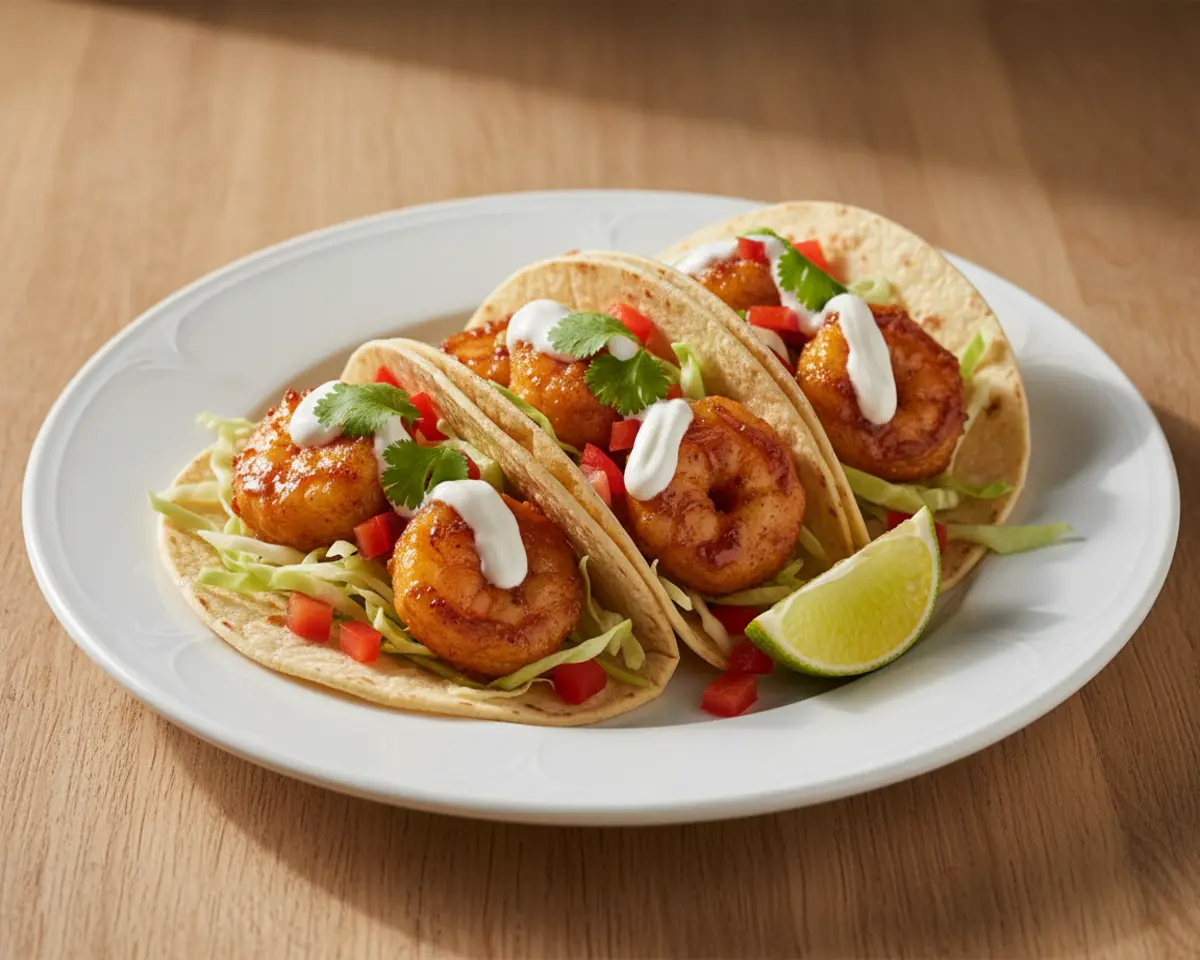
Shrimp Tacos
Get ready for a flavor fiesta with our Shrimp Tacos! These beauties are super fresh, bursting with zingy lime and cilantro, and come together in a flash. Perfect for a quick weeknight dinner or a fun weekend gathering!
You’ll love how simple yet incredibly satisfying these are. Light, bright, and utterly delicious – they’re sure to become a new family favorite from our collection!
Check out the full shrimp tacos instructions and whip up this comfort food favorite.
Expert Tips for Cooking Shrimp & Shellfish
First things first: don’t overcook your shrimp. They turn from perfectly tender to rubbery in about 30 seconds, so keep a close eye on them. Shrimp are done when they curl into a loose “C” shape and turn opaque pink.
If they curl into a tight “O,” you’ve gone too far. Serious Eats explains the science behind this technique and breaks down exactly why timing matters so much.
When buying shrimp, look for firm, translucent flesh without any funky smells. Frozen shrimp are often fresher than “fresh” ones at the grocery store since they’re flash-frozen right on the boat.
Thaw them in the fridge overnight or run cold water over them for a quick defrost. Never use hot water—it’ll start cooking them unevenly and mess with the texture.
Another game-changer: brine your shrimp in salted water for about 15 minutes before cooking. This helps them stay plump and juicy, even if you accidentally leave them on the heat a few seconds too long.
For extra flavor, marinate shrimp in citrus, garlic, and olive oil for 20–30 minutes. Any longer and the acid can start to “cook” the shrimp, turning them mushy. Quick marinades are your friend here.
When sautéing, make sure your pan is smoking hot before the shrimp hit the surface. This creates a beautiful sear and locks in all that sweet, briny flavor. Crowding the pan will steam them instead, so work in batches if needed.
Variations and Serving Ideas
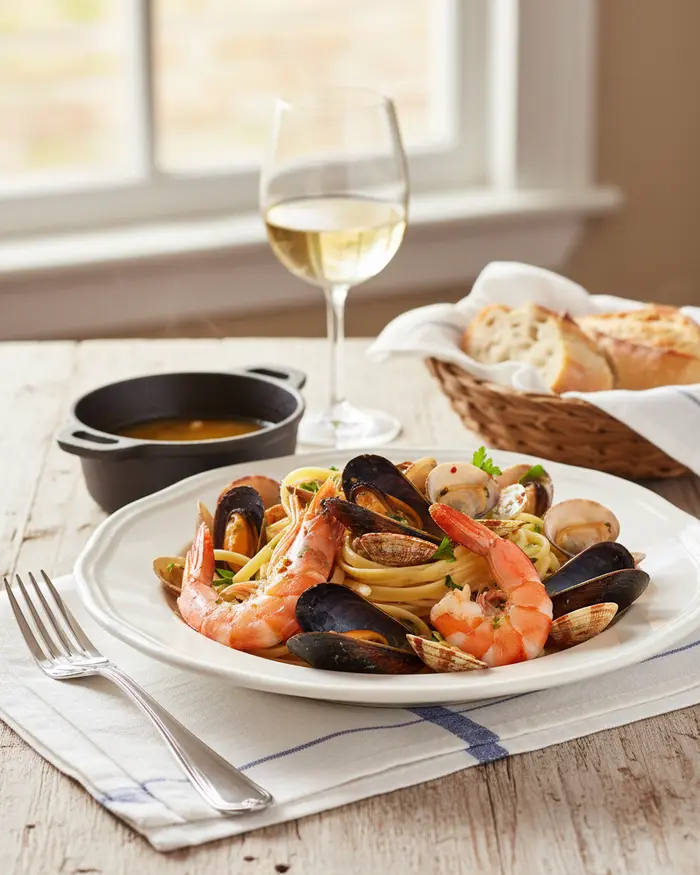
Shrimp recipes are endlessly adaptable. Swap out veggies based on what’s in your fridge—zucchini, snap peas, cherry tomatoes, and bell peppers all work beautifully. You can also switch up the protein with scallops, mussels, or chunks of firm white fish.
For a low-carb option, serve shrimp over cauliflower rice or zucchini noodles. If you’re craving something heartier, pair them with creamy grits, fluffy jasmine rice, or buttery pasta.
Spice levels are totally up to you. Add red pepper flakes, sriracha, or cayenne for heat, or keep things mild with herbs like parsley, basil, and dill. Fresh herbs brighten everything up and make the dish feel extra special.
Don’t forget about sauces. A squeeze of lemon, a drizzle of chili oil, or a dollop of garlic aioli can transform a simple shrimp dish into something unforgettable. Keep a few go-to sauces in your back pocket for easy flavor upgrades.
Let’s Cook Some Shellfish!
Now you’ve got a solid lineup of shrimp and shellfish recipes that cover everything from quick weeknight dinners to crowd-pleasing feasts. Whether you’re craving something light and zesty or rich and comforting, there’s a recipe here that’ll do the trick.
Pick one, grab some shrimp, and get cooking. And if you try any of these recipes, I’d love to hear how they turned out—drop a comment below or share a pic on social media. Happy cooking!
Frequently Asked Questions
What is the difference between shrimp and prawns?
Shrimp and prawns are similar but distinct crustaceans. The main differences are in their gill structure, body shape, and leg formation. Prawns have branching gills, straighter bodies, and larger second pincers, while shrimp have lamellar gills, more curved bodies, and larger front pincers. However, in culinary contexts, the terms are often used interchangeably.
How long can you store fresh shrimp and shellfish in the refrigerator?
Fresh shrimp and shellfish should be stored in the coldest part of your refrigerator and used within 1-2 days of purchase for best quality and safety. Keep them in their original packaging or in an airtight container surrounded by ice. If you cannot use them within this timeframe, it is best to freeze them immediately.
What are common signs of a shellfish allergy?
Shellfish allergy symptoms can range from mild to severe and typically appear within minutes to an hour after consumption. Common signs include hives, itching, swelling of the lips or throat, difficulty breathing, nausea, vomiting, diarrhea, and dizziness. Severe reactions can lead to anaphylaxis, which requires immediate medical attention.
How do you properly devein shrimp?
To devein shrimp, first peel off the shell if desired. Using a small paring knife, make a shallow cut along the back of the shrimp from head to tail. Locate the dark vein, which is the digestive tract, and use the knife tip or your fingers to pull it out. Rinse the shrimp under cold water to remove any remaining residue.
What is the best way to tell if shrimp and shellfish are cooked properly?
Properly cooked shrimp will turn pink or opaque white and form a C-shape. Overcooked shrimp curl tightly into an O-shape and become rubbery. For other shellfish like clams, mussels, and oysters, they are done when their shells open during cooking. Discard any shellfish that remain closed after cooking as they may not be safe to eat.