General Culinary Recipes
There’s something magical about standing in your kitchen, apron tied, with ingredients spread across the counter and endless possibilities ahead. I remember the first time I truly fell in love with cooking—not just following recipes, but understanding how flavors work together, how techniques transform simple ingredients into something extraordinary. That moment changed everything.
Cooking became my creative outlet, my stress relief, and my way of showing love to the people around my table.
Table of Contents
Whether you’re just learning to navigate your kitchen or you’ve been cooking for decades, having a solid foundation of general culinary recipes makes all the difference. These aren’t just instructions on paper—they’re your toolkit for weeknight dinners, celebration meals, and everything in between.
They’re the recipes you’ll turn to again and again, the ones that become second nature, the dishes that eventually don’t even need the recipe card anymore.
This comprehensive guide brings together everything you need to build confidence and creativity in your kitchen. From soul-warming comfort classics to vibrant vegetable preparations, we’ll explore the categories that form the backbone of home cooking. Consider this your culinary roadmap, designed to help you find exactly what you’re craving and discover new favorites along the way.
The Quick Guide
Need the essentials at a glance? Here’s what makes general culinary recipes the foundation of great home cooking:
- Versatility: These recipes adapt to your schedule, dietary needs, and what’s already in your pantry
- Skill Building: Each category teaches core techniques you’ll use across countless other dishes
- Crowd-Pleasing: These are the recipes that bring people together, from weeknight family dinners to special gatherings
- Seasonal Flexibility: Most adapt beautifully to whatever produce is fresh and available
- Make-Ahead Friendly: Many can be prepped in advance or stored for busy weeks ahead
Understanding General Culinary Recipes
General culinary recipes encompass the broad spectrum of cooking recipes that form the core of home cooking traditions. These aren’t niche dishes or specialized preparations—they’re the everyday cooking recipes and homemade recipes that keep kitchens running smoothly and families well-fed.
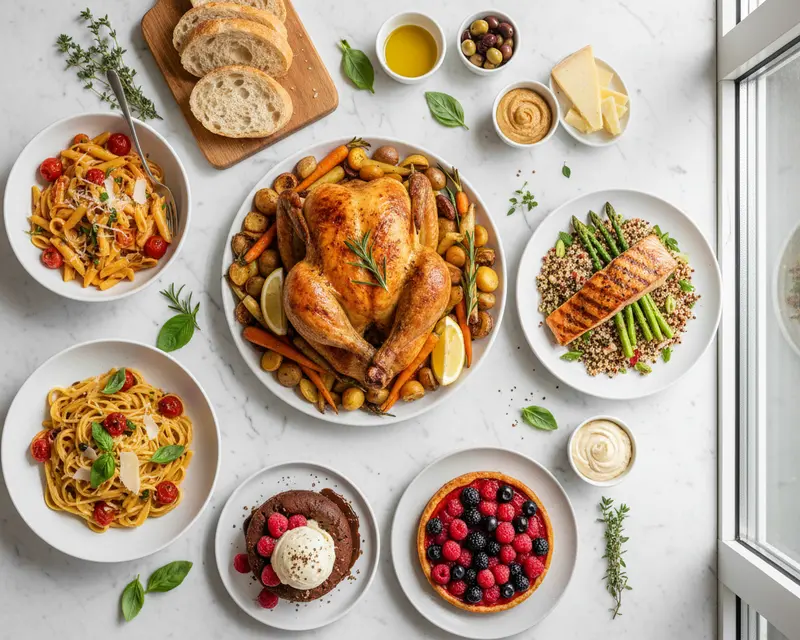
What sets these recipes apart is their practicality and universal appeal. They’re the dishes you’ll make on a Tuesday night when everyone’s hungry and time is short. They’re also the recipes you’ll reach for when you want to impress guests without spending all day in the kitchen. This balance of accessibility and deliciousness makes them invaluable.
These recipes matter because they give you options. Craving something rich and nostalgic? There’s a category for that. Need to showcase fresh seasonal vegetables? Covered. Want to master a new technique? Each category offers opportunities to grow your skills while creating food people actually want to eat.
Classic Comfort Foods
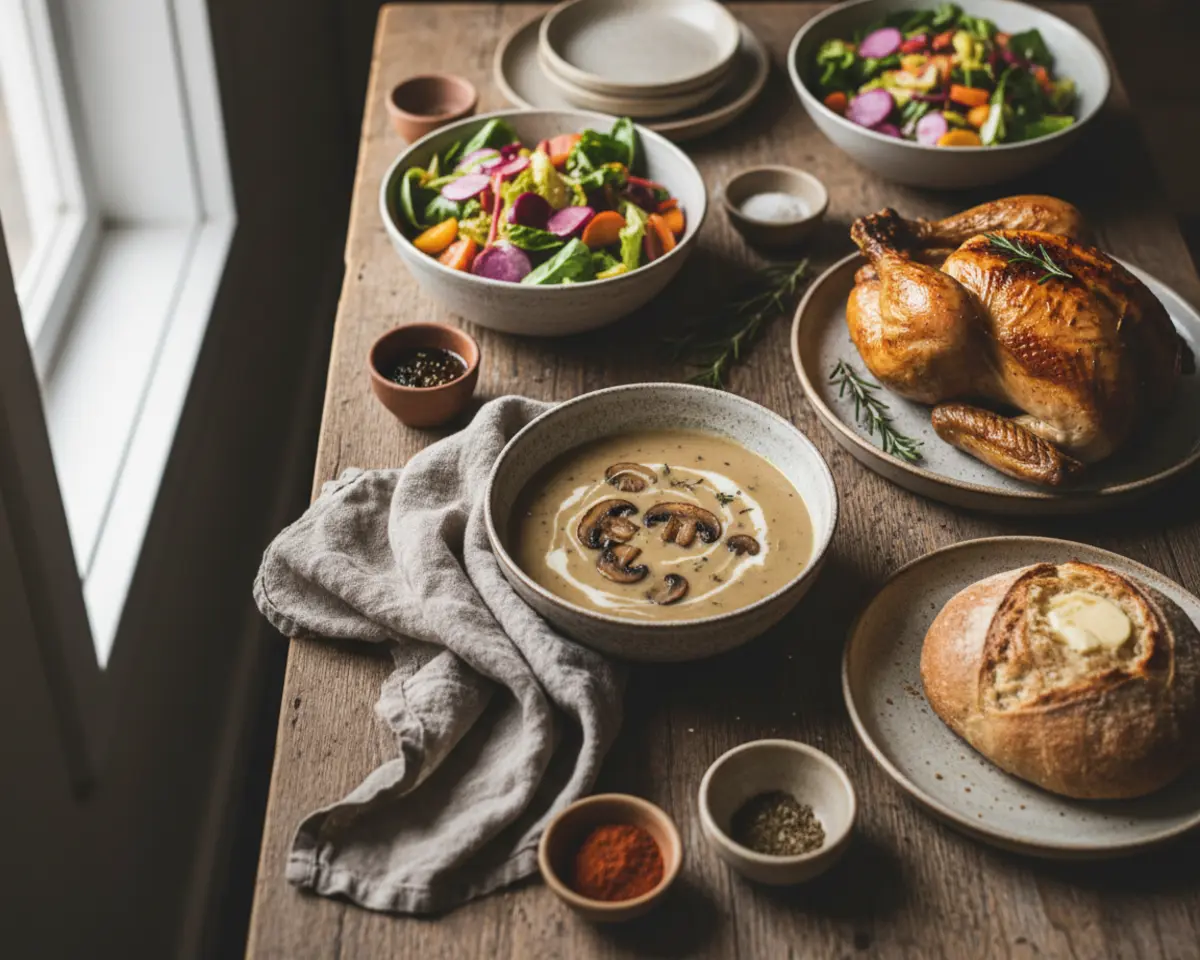
Nothing soothes the soul quite like classic comfort foods that bring warmth and nostalgia to your table. These are the dishes that feel like a hug on a plate—rich, satisfying, and deeply familiar. Think creamy casseroles, hearty meatloaf, buttery mashed potatoes, and golden mac and cheese that stretches with every spoonful.
These homemade recipes shine during cold weather, stressful weeks, or anytime you need that sense of home and security that only certain foods can provide. They’re perfect for feeding a crowd since most are designed to serve many and often taste even better the next day.
The techniques here focus on layering flavors, achieving the right textures, and creating that comforting richness that defines the category.
If you’re looking for recipes that make people smile before they even take a bite, this is your starting point. These dishes require minimal fancy techniques but deliver maximum satisfaction. They’re forgiving, adaptable, and designed to be shared with the people you care about most.
Vegetable Side Dishes
Transform ordinary vegetables into show-stopping vegetable side dishes that deserve their own spotlight. This category proves that sides don’t have to be an afterthought—they can be the star of the meal. From caramelized roasted Brussels sprouts to creamy gratin potatoes, garlicky green beans to honey-glazed carrots, these easy recipes elevate produce to its full potential.
These cooking recipes are essential year-round but especially shine when seasonal vegetables are at their peak. Summer brings opportunities for grilled zucchini and fresh corn preparations, while fall and winter call for roasted root vegetables and hearty greens. The techniques you’ll master here—roasting, sautéing, steaming, and glazing—apply across virtually every vegetable you’ll encounter.
Whether you’re trying to eat more vegetables, round out a protein-focused meal, or simply showcase beautiful produce from your garden or farmers market, this category delivers. These dishes range from incredibly simple five-ingredient preparations to more elaborate gratins and stuffed vegetables that work for special occasions.
Expert Category Guide
Mastering general culinary recipes means understanding the foundations that make all cooking successful. Let’s break down the essential knowledge that will transform you from recipe-follower to confident cook.
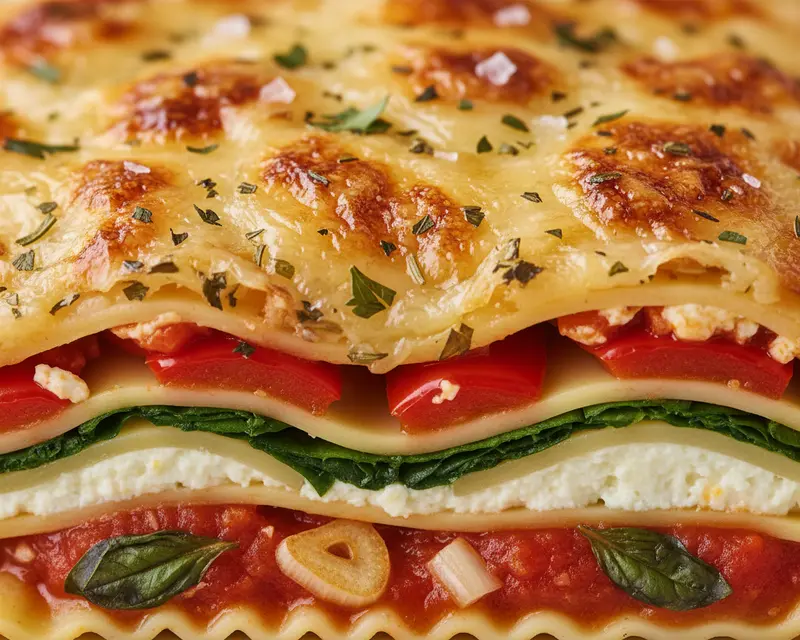
Essential Techniques
The beauty of these cooking recipes lies in the core techniques they teach. Sautéing forms the foundation of countless dishes—learning proper pan temperature and when to stir versus when to leave ingredients alone makes all the difference. Roasting brings out natural sweetness in vegetables and creates beautiful caramelization on proteins.
Braising turns tougher cuts tender and develops deep, complex flavors through low and slow cooking. These homemade recipes also teach proper seasoning—not just adding salt, but understanding when and how much at each stage of cooking. Mastering these fundamentals means you can eventually improvise and create without always following a recipe word-for-word.
Ingredient Spotlight
Certain ingredients appear repeatedly across general culinary recipes because they form flavor foundations. Aromatics like onions, garlic, and celery create the base for countless dishes. Quality fats—butter, olive oil, and cooking oils—carry flavors and create proper textures.
Fresh herbs transform ordinary dishes into something special, while dried herbs and spices build depth during longer cooking. Acids like lemon juice, vinegar, and wine brighten flavors and balance richness. Stocking your pantry with these essentials means you’re always ready to cook, even when the refrigerator looks empty.
Seasonal Considerations
These easy recipes adapt beautifully to the seasons, but knowing when ingredients shine makes your cooking even better. Spring calls for lighter preparations with fresh peas, asparagus, and tender greens. Summer cooking focuses on quick methods that don’t heat up the kitchen—grilling, fresh salads, and minimal cooking times.
Fall brings heartier preparations as temperatures drop. Root vegetables, squashes, and warming spices come into play. Winter is prime time for slow-cooked comfort foods, braised dishes, and recipes that fill your home with amazing aromas while they cook. Following the seasons not only improves flavor but often saves money since you’re buying produce at its peak.
Skill Level Guide
Beginning cooks should start with straightforward recipes that build confidence. Simple roasted vegetables, basic pasta dishes, and one-pan meals teach fundamentals without overwhelming. These cooking recipes typically involve fewer steps and more forgiving timing.
Intermediate cooks can tackle recipes with multiple components, more precise timing, and techniques like making pan sauces or properly searing proteins. Advanced cooks will enjoy recipes that involve making components from scratch, working with challenging ingredients, or mastering temperature-sensitive techniques.
The key is choosing recipes slightly above your comfort zone—enough challenge to learn something new, but not so difficult that frustration kills the joy of cooking. Every recipe you complete builds skills for the next one.
Storage and Make-Ahead Tips
Many homemade recipes actually benefit from advance preparation. Comfort food casseroles often taste better the next day as flavors meld. Most can be assembled completely, refrigerated, and baked when needed. Some vegetable side dishes hold well at room temperature, making them perfect for gatherings.
Properly stored in airtight containers, most cooked dishes last three to four days refrigerated. Many freeze beautifully for up to three months—portion them into meal-sized containers for easy future dinners. Blanched vegetables can be prepped days ahead and quickly finished before serving.
Label everything with contents and dates. Reheat gently to preserve textures—low oven temperatures for casseroles, quick stovetop warming for vegetables. Understanding storage possibilities means you can batch cook on weekends and enjoy homemade meals all week without daily cooking marathons.
Comparison and Selection Guide
Choosing between recipe categories depends on your current needs, available time, and what you’re in the mood to eat. Here’s how to navigate your options and find exactly what you’re craving.
Choose classic comfort foods when you need something deeply satisfying and nostalgic. These work beautifully for family dinners, potlucks, or anytime you want that “home cooking” feeling. They’re ideal for feeding groups since most recipes serve many and hold well. If you have a bit more time and want something that fills the house with amazing aromas while it cooks, this is your category.
Choose vegetable side dishes when you want to highlight seasonal produce or balance a protein-heavy meal. These easy recipes are perfect when you’re trying to eat healthier or simply want something lighter and brighter. They’re also your go-to when you need something that cooks quickly or when you’re serving guests with varying dietary preferences since vegetables accommodate most restrictions.
Consider your available time too. Many comfort foods require longer cooking times but minimal active work—you can assemble and let them cook while you do other things. Vegetable sides often cook quickly but may need more active attention, especially if you’re roasting multiple vegetables or making a stovetop preparation.
Think about the season and available ingredients. Comfort foods feel more appealing in cooler months, while lighter vegetable preparations shine in warm weather. But don’t feel restricted—there’s something wonderfully comforting about a vegetable gratin in winter, just as a lighter pasta dish can hit the spot in summer.
Your skill level matters less than you might think. Both categories offer recipes at every difficulty level. Start with simpler preparations that build your confidence, then gradually tackle more complex recipes as your comfort grows. The beauty of cooking recipes is that even basic versions taste delicious when made with care and good ingredients.
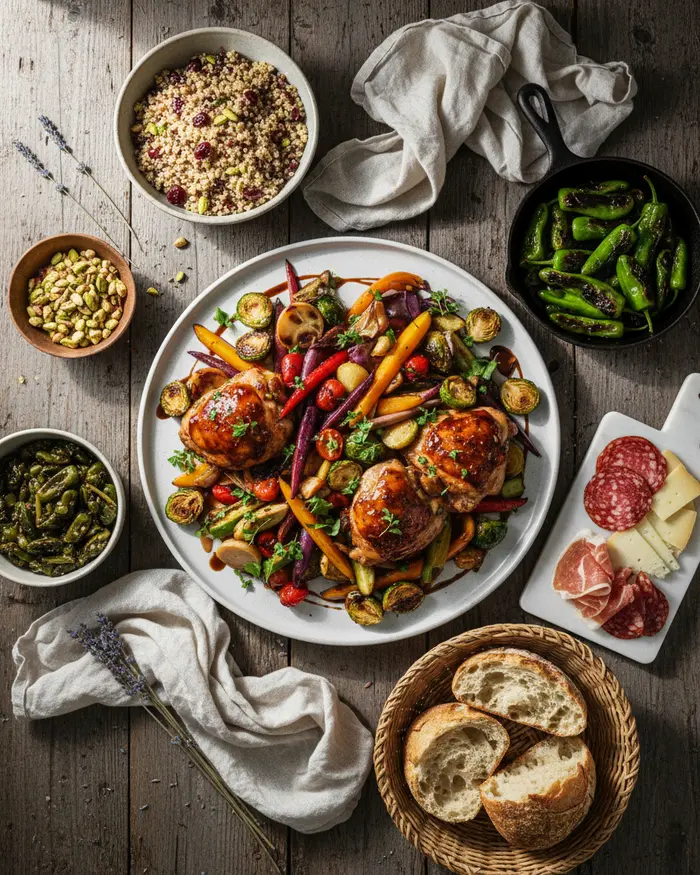
Start Your Culinary Journey Today
Your kitchen holds endless possibilities, and these general culinary recipes are your gateway to discovering them. Whether you’re drawn to the nostalgic comfort of classic dishes or the vibrant freshness of vegetable preparations, each category offers opportunities to create something delicious and meaningful.
Bookmark this guide and return whenever you need inspiration or direction. Explore the detailed pillar posts for each category—they’re packed with specific recipes, detailed techniques, and the kind of tips that only come from actual cooking experience. Your next favorite dish is waiting in one of these categories.
Save this guide to your Pinterest boards so you can easily find it when meal planning or seeking inspiration. Share it with friends who are building their own cooking confidence. And most importantly, tell us—which category are you exploring first? Drop a comment and let us know what you’re most excited to cook. Happy cooking!
Frequently Asked Questions
How do I properly measure flour for baking recipes?
Use the spoon and level method for accuracy. Spoon flour into your measuring cup without packing it down, then level off the excess with a straight edge. Avoid scooping directly from the bag as this compacts the flour and adds too much, resulting in dense baked goods.
What is the difference between baking powder and baking soda?
Baking soda is pure sodium bicarbonate requiring an acid to activate. Baking powder contains both an acid and base, needing only liquid. Use baking soda with acidic ingredients like buttermilk or vinegar. Baking powder works in recipes without acidic components.
How can I tell when meat is properly cooked without a thermometer?
While a thermometer is most reliable, check meat firmness by touch. Rare feels soft, medium has slight resistance, and well-done feels firm. For poultry, juices should run clear. However, investing in a meat thermometer ensures food safety and prevents undercooking or overcooking.
Why do recipes call for room temperature ingredients?
Room temperature ingredients blend more easily and create better texture. Cold butter does not cream properly, cold eggs can cause batters to curdle, and cold dairy may not incorporate smoothly. Remove ingredients from refrigeration 30-60 minutes before cooking for best results.
What does it mean to fold ingredients in a recipe?
Folding is a gentle mixing technique to maintain airiness. Use a spatula to cut down through the mixture, scrape across the bottom, and bring it up and over. Rotate the bowl and repeat until just combined. This method prevents deflating whipped ingredients like egg whites or cream.