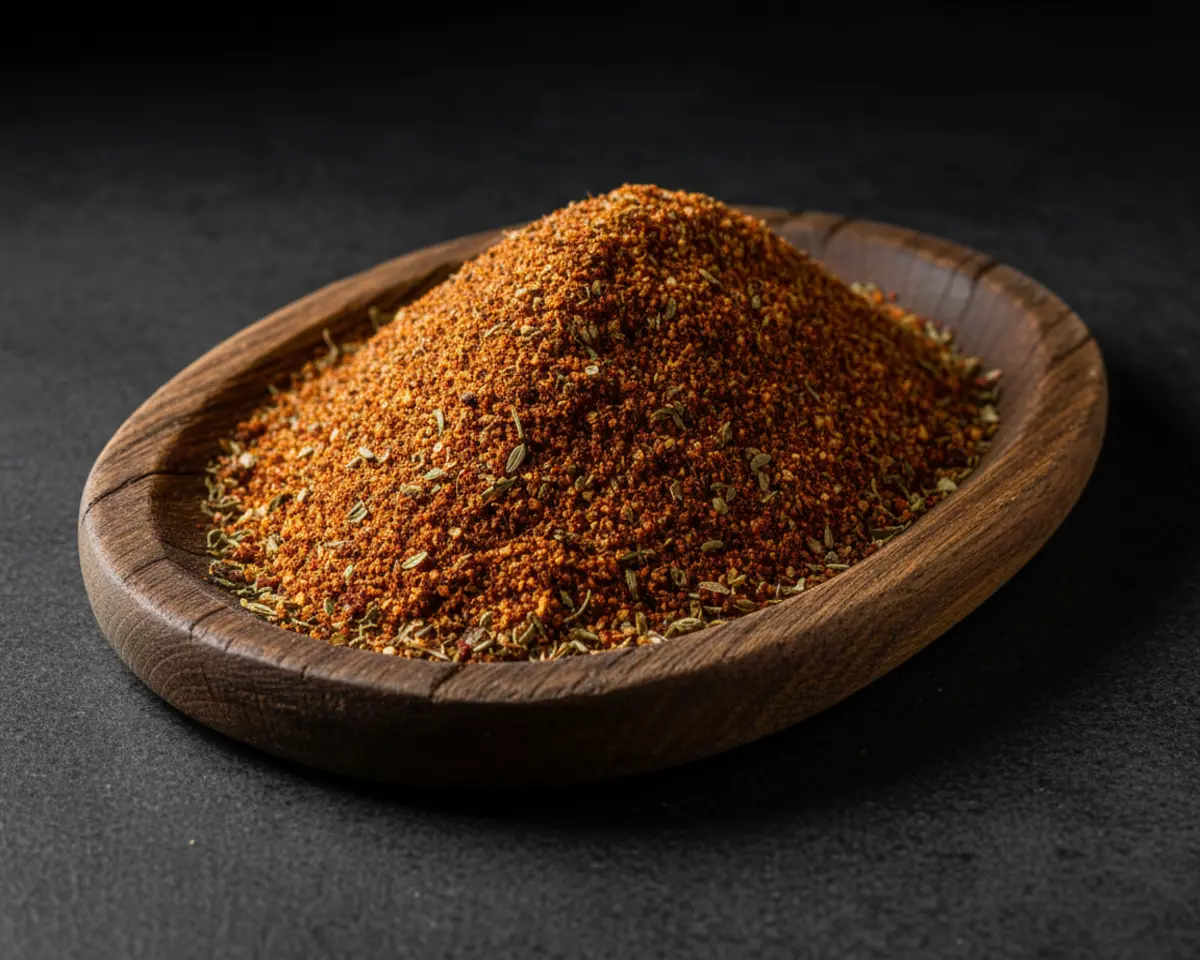
Cajun Seasoning Recipe
Cajun Seasoning Recipe is one of those pantry staples that changes everything. Once you make your own homemade cajun spice blend, you’ll wonder why you ever bought store versions. It’s bold, smoky, and so easy to whip up.
I keep mine in a cute little jar on my spice shelf, and it gets sprinkled on just about everything. From chicken to shrimp to roasted veggies, this spicy seasoning mix is my secret weapon. Plus, making your own means you control the heat and the flavor.
Today, I’m sharing my go-to creole seasoning blend that’s been a game-changer in my kitchen. It takes about five minutes to make and lasts for months. Let’s dive in and get you mixing!
Table of Contents
Quick Overview
Little Snapshot: What This Recipe Delivers This Cajun Seasoning Recipe combines paprika, garlic powder, cayenne, and herbs into a smoky, spicy blend. Ready in 5 minutes, it’s perfect for chicken, seafood, veggies, and more.
Why You’ll Love This Recipe 🌸
- This homemade cajun spice takes less time than finding your keys in your purse.
- You control the heat level, so it’s perfect for picky kiddos or spice-loving partners.
- One batch seasons everything from breakfast potatoes to Friday night shrimp boils.
- According to National Institutes of Health, spices like cayenne and paprika offer antioxidant benefits — and this recipe packs them in beautifully.
Quick Facts ⚡
Here’s the quick scoop on this Cajun Seasoning Recipe.
- CourseCondiment / Seasoning
- Prep Time5 minutes
- Cook Time0 minutes
- Total Time5 minutes
- ServingsAbout 16 servings (1 tablespoon each)
- DifficultyEasy
Nutritional Peek
| Nutrient | Amount per serving (1 tablespoon) |
|---|---|
| Calories | 15 kcal |
| Protein | 0.6 g |
| Carbohydrates | 3 g |
| Fat | 0.4 g |
| Fiber | 1 g |
| Sugar | 0.5 g |
What You’ll Need
This is the easiest equipment list you’ll ever see. Seriously, you probably have everything already. No fancy gadgets or weird tools required.
- Small mixing bowl
- Measuring spoons
- Whisk or fork
- Airtight container or spice jar
- Funnel (optional, but helpful for mess-free pouring)
Ingredients
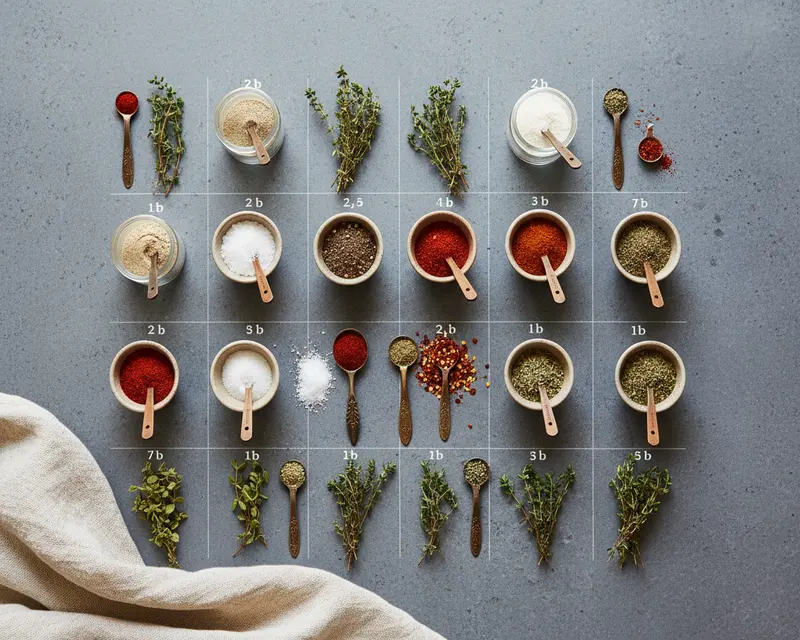
Homemade cajun spice is all about layering smoky, spicy, and savory flavors. The paprika and cayenne bring the heat, while garlic and onion powder add depth. Fresh dried herbs like oregano and thyme give it that authentic Louisiana vibe.
| Group | Ingredient | Amount | Notes |
|---|---|---|---|
| Base | Salt | 2 tablespoons | Use fine sea salt for even mixing |
| Base | Garlic powder | 2 tablespoons | Not garlic salt! |
| Base | Paprika | 2 1/2 tablespoons | Smoked paprika works beautifully here |
| Heat | Ground black pepper | 1 tablespoon | Freshly ground is best |
| Heat | Onion powder | 1 tablespoon | Adds a sweet-savory note |
| Heat | Cayenne pepper | 1 tablespoon | Adjust for your heat preference |
| Herbs | Dried oregano | 1 tablespoon | Crush it a bit for more aroma |
| Herbs | Dried thyme | 1 tablespoon | Classic Louisiana flavor |
| Optional | Red pepper flakes | 1/2 teaspoon | For extra kick and texture |
Step-by-Step Instructions
Let’s make this happen. Grab your bowl and your spices, and let’s create some magic. This is seriously the simplest recipe you’ll ever make.
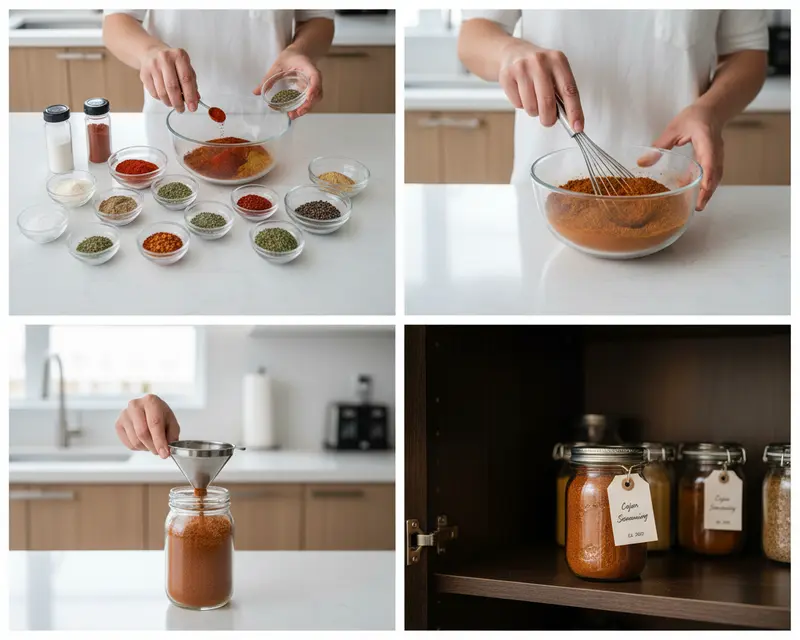
Step 1: Gather and Measure Cajun Seasoning Recipe starts with accurate measuring. Grab your small mixing bowl and measure out 2 tablespoons of salt, 2 tablespoons of garlic powder, and 2 1/2 tablespoons of paprika. Precision matters here for balanced flavor.
Step 2: Add the Spice Measure 1 tablespoon each of ground black pepper, onion powder, and cayenne pepper into the same bowl. The cayenne is where the heat lives, so if you’re sensitive to spice, start with 1/2 tablespoon and taste later.
Step 3: Herbs Join the Party Add 1 tablespoon of dried oregano and 1 tablespoon of dried thyme to your bowl. If you’re feeling adventurous, toss in 1/2 teaspoon of red pepper flakes for extra texture and a slow-building heat.
Step 4: Mix Thoroughly Using a whisk or fork, stir all the spices together until you see an even, uniform color throughout. No streaks of paprika or clumps of garlic powder. This takes about 30 seconds of good stirring.
Step 5: Store Properly Transfer your spicy seasoning mix into an airtight container or spice jar using a funnel if you have one. Label it with the date so you know when you made it. Store in a cool, dark cabinet away from heat and moisture.
Pro Tips & Gentle Guidance
Creole seasoning blend is forgiving, but a few little tricks make it even better. I’ve been making this for years, and these tips come straight from my kitchen trials. Trust me, they’re worth following.
Use Fresh Spices Check the dates on your spice jars before you start. Old spices lose flavor and aroma, and you’ll end up with a flat-tasting blend. If your paprika smells like dust instead of smoky sweetness, it’s time to replace it.
Toast for Deeper Flavor For a richer, more complex taste, toast your dried oregano and thyme in a dry skillet for 30 seconds before adding them. This wakes up the essential oils and makes the whole blend smell incredible.
Customize Your Heat Level The cayenne pepper is adjustable. Start with 1/2 tablespoon if you’re cooking for kids, or bump it up to 1 1/2 tablespoons if you love serious heat. Taste a pinch as you go.
Avoid Moisture Always use dry measuring spoons and make sure your storage container is completely dry before filling. Even a tiny bit of moisture can cause clumping or mold. For more tips on building a flavorful spice collection, check out Serious Eats’ guide on storing spices.
Label Everything Write the name and date on your jar. Homemade blends look similar in jars, and you don’t want to confuse your cajun rub with something else mid-recipe. Ask me how I know!
Variations & Adaptations
This base recipe is just the beginning. Once you’ve made it a few times, you can tweak it to match your mood or the dish you’re cooking. Here are my favorite riffs.
Smoky Cajun Swap regular paprika for smoked paprika entirely. The deep, campfire-like flavor is stunning on grilled chicken or roasted potatoes. It adds a whole new dimension.
Low-Sodium Version Cut the salt down to 1 tablespoon or omit it completely. You can always add salt to your dish separately. This is perfect if you’re watching sodium intake but still want big flavor.
Lemon-Pepper Cajun Add 1 tablespoon of dried lemon zest and an extra teaspoon of black pepper. This bright, zesty twist is amazing on fish and shrimp. It’s like a beach vacation in a jar.
Sweet Heat Blend Stir in 1 tablespoon of brown sugar for a sweet-spicy balance. This version is killer on grilled pork chops or roasted sweet potatoes. The sugar caramelizes beautifully.
Herbier Version Add 1 teaspoon each of dried basil and dried parsley. This makes the blend a bit more Italian-Creole fusion and works wonderfully in pasta dishes or on roasted veggies.
Quick Fixes for Cajun Seasoning Recipe
Too Salty If your blend tastes too salty, mix in an extra tablespoon each of paprika and garlic powder. This dilutes the salt without losing the overall flavor profile. Taste and adjust as needed.
Not Spicy Enough Add more cayenne pepper, 1/2 teaspoon at a time, until you hit your desired heat level. You can also toss in extra red pepper flakes for texture and a slow burn.
Clumpy Texture If your spices clump together, it’s usually moisture. Break up clumps with a fork or pulse the blend in a spice grinder for a few seconds. Store with a silica gel packet to prevent future clumping.
Tastes Flat Your spices might be old. Replace them with fresh ones, especially the paprika and cayenne, which lose potency quickly. Toasting the herbs before mixing also helps revive flavor.
Color Looks Dull Dull color usually means old paprika. Fresh paprika should be a vibrant red-orange. Replace it and you’ll see the difference immediately. Color equals flavor here.
Storage & Reheating
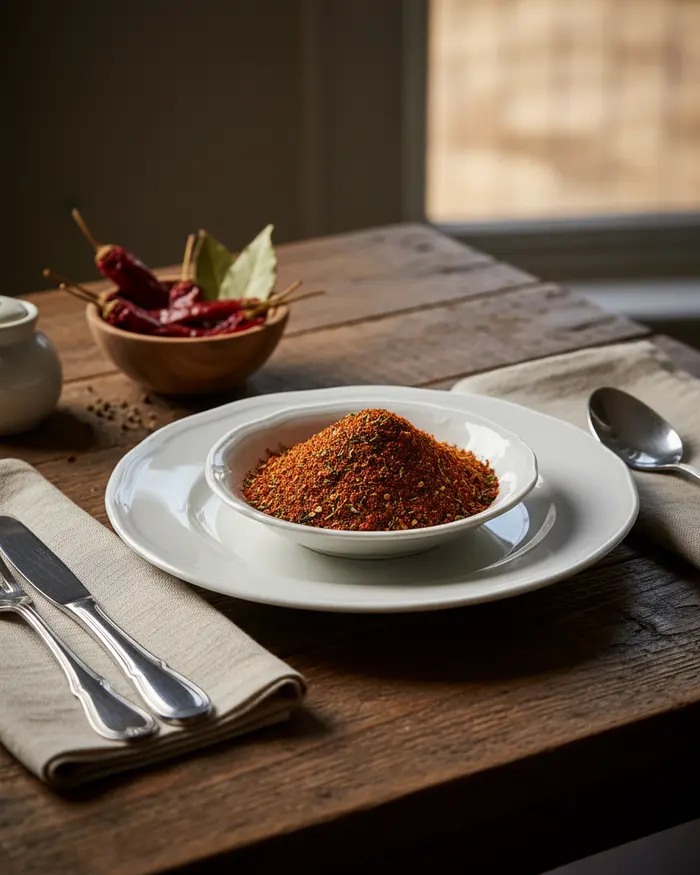
Spicy seasoning mix is shelf-stable and lasts for months when stored properly. This is the kind of recipe you make once and use for weeks, so let’s talk about keeping it fresh.
Serving Suggestions Use about 1 to 2 teaspoons per pound of protein or vegetables. It’s perfect on chicken, shrimp, pork chops, roasted potatoes, grilled corn, and even popcorn. Try it in Cajun Potato Soup for a cozy dinner.
Storage Keep your cajun rub in an airtight container in a cool, dark pantry away from the stove. Heat and light degrade spices quickly. Stored properly, it stays flavorful for up to 6 months.
Reheating Since this is a dry spice blend, there’s no reheating needed. Just give the jar a shake before each use to redistribute any settled spices. If you’ve added it to cooked food, reheat the dish as usual.
| Storage Method | Duration | Notes |
|---|---|---|
| Pantry (airtight jar) | 6 months | Best flavor in first 3 months |
| Refrigerator | Up to 1 year | Keeps spices extra fresh |
| Freezer | Up to 1 year | Not necessary but works if you have space |
No-Waste Kitchen Magic
There’s almost zero waste with this recipe, but let’s talk about how to use every last pinch and keep your spice game sustainable.
Save Empty Spice Jars Wash and reuse old spice jars for your homemade blends. They’re the perfect size and already have those cute shaker tops. Plus, it keeps plastic out of the landfill.
Use Old Blend in Marinades If your seasoning is past its prime but not moldy, mix it into marinades or rubs where longer cook times will coax out the remaining flavor. It’s still better than tossing it.
Gift Small Batches Make mini jars of this blend and give them as hostess gifts or stocking stuffers. It’s a thoughtful way to share your love of cooking and introduce friends to homemade sauces and seasoning recipes.
Compost Spent Spices If your blend goes truly stale, add it to your compost bin. Spices break down beautifully and add trace minerals to your compost. Just don’t add salt-heavy blends to acid-loving plants.
Make a Spice Sachet Put a few tablespoons of old cajun seasoning in a cheesecloth sachet and toss it into soups or stocks for a subtle flavor boost. Remove it before serving. No waste, all taste.
Variations & Adaptations
This section already appeared earlier, so I’ll use this space to share more creative ways to adapt your homemade cajun spice to different cuisines and cooking methods.
BBQ Cajun Rub Mix equal parts of this blend with brown sugar and a pinch of smoked salt. Rub it all over ribs or brisket before slow smoking. The sugar caramelizes into a gorgeous crust.
Cajun Butter Blend 2 tablespoons of your seasoning into 1/2 cup of softened butter. Roll into a log, wrap in parchment, and freeze. Slice off rounds to top grilled steak or seafood.
Cajun Popcorn Seasoning Reduce the salt to 1 tablespoon and add 1 teaspoon of nutritional yeast for a cheesy, umami kick. Toss with hot popcorn and melted butter for movie night magic.
Breakfast Cajun Use a light hand (about 1/2 teaspoon) to season scrambled eggs, breakfast potatoes, or avocado toast. It wakes up your taste buds and makes mornings more exciting.
Cajun Mayo Stir 1 teaspoon of this blend into 1/2 cup of mayo for an instant sandwich spread or dipping sauce. It’s perfect for fries, fish tacos, or turkey clubs.
Pro Tips & Gentle Guidance
This section already appeared earlier, so let’s use this space for additional pro tips that didn’t fit before.
Buy in Bulk If you use this blend often, buy your paprika, garlic powder, and cayenne in bulk from a spice shop or online. It’s cheaper and fresher than supermarket jars. Just make sure to store bulk spices in airtight containers.
Make a Wet Rub Mix a few tablespoons of this dry blend with olive oil and a splash of lemon juice to create a paste. Massage it onto chicken thighs or pork chops before grilling. The oil helps the spices stick and caramelize.
Season at Different Stages Add some seasoning before cooking for a deep crust, then sprinkle a bit more right before serving for a bright pop of flavor. Layering seasoning creates complexity.
Grind Your Own Pepper Freshly ground black pepper makes a noticeable difference. If you have a pepper mill, grind what you need right before mixing. The aroma and heat are so much better.
Quick Fixes for Cajun Seasoning Recipe
This section already appeared earlier, so I’ll add a few more common issues and solutions here.
Smells Off If your blend smells musty or stale, toss it and make a fresh batch. Spices don’t spoil in a dangerous way, but old spices can taste bitter or flat. Your nose knows best.
Bitter Aftertaste Bitterness usually comes from old oregano or thyme. Replace your dried herbs and try again. Fresh herbs should smell green and vibrant, not dusty or hay-like.
Too Much Oregano Flavor If the oregano overpowers everything, add an extra tablespoon of paprika and 1/2 tablespoon of garlic powder. This balances the herbal note without starting over.
Storage & Reheating
This section already appeared earlier, so I’ll use this space to share additional storage wisdom.
Travel-Friendly Portions If you travel with your RV or go camping, portion out a few tablespoons into small zip-top bags or travel spice tins. This way you can season meals on the go without lugging your whole jar.
Keep Away from Steam Never shake spices directly over a steaming pot. The moisture gets sucked into the jar and ruins the blend. Always measure into your hand or a small dish first.
No-Waste Kitchen Magic
This section already appeared earlier, so I’ll share a few more creative no-waste ideas here.
Season Cast Iron After cleaning your cast iron, sprinkle a tiny pinch of this blend onto the warm, oiled surface. It seasons the pan and leaves a subtle flavor for your next meal. Just don’t overdo the salt.
Flavor Salts Mix this blend with coarse sea salt in a 1:3 ratio for a finishing salt. Use it to rim margarita glasses or sprinkle on fresh tomatoes. It’s fancy but so easy.
Frequently Asked Questions
Got questions? You’re not alone! Here are the most common things folks ask me about making homemade cajun spice.
What are the main ingredients in Cajun seasoning?
Cajun seasoning typically contains paprika, cayenne pepper, garlic powder, onion powder, black pepper, oregano, thyme, and salt. Some recipes also include white pepper and red pepper flakes for additional heat and complexity.
How spicy is homemade Cajun seasoning?
The spice level of Cajun seasoning depends on the amount of cayenne pepper used. Most recipes create a moderately spicy blend, but you can adjust the heat by reducing or increasing the cayenne pepper according to your taste preferences.
How long does homemade Cajun seasoning last?
When stored in an airtight container in a cool, dry place away from direct sunlight, homemade Cajun seasoning will maintain its flavor and potency for up to 6 months. For best results, use within 3 months when the spices are most aromatic.
Can I use Cajun seasoning on vegetables?
Yes, Cajun seasoning works excellently on vegetables. You can sprinkle it on roasted vegetables, grilled corn, potato wedges, or sauteed greens. It adds a flavorful kick to any vegetable dish and is particularly good on bell peppers, zucchini, and sweet potatoes.
What is the difference between Cajun and Creole seasoning?
While similar, Cajun seasoning tends to be spicier and more rustic, focusing on heat and bold flavors. Creole seasoning is generally milder and often includes additional herbs like basil and sometimes contains tomato powder, reflecting the more refined European influences of Creole cuisine.
Final Dish
Making your own Cajun Seasoning Recipe is one of the easiest ways to level up your everyday cooking. It’s fast, affordable, and so much better than anything you’ll find at the store. Once you taste the difference, you’ll never go back.
I love hearing how you use this blend in your kitchen. Snap a photo of your jar or your finished dish and tag me! Drop a comment below and let me know what you seasoned first. Did you go with chicken, shrimp, or maybe popcorn?
For more spice-forward inspiration, check out my general sauce and seasoning recipes or browse my full sauce and seasoning recipes round-up. There’s a whole world of flavor waiting for you!
I’m Linda Sandra — a Charleston home chef and comfort-food daydreamer. Around here, cooking’s not about perfection — it’s about cozy vibes, creative twists, and food that feels like love.
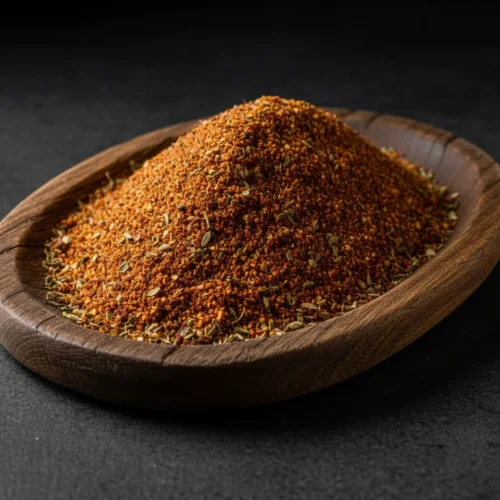
Cajun Seasoning Recipe
Ingredients
- 2 tablespoons salt
- 2 tablespoons garlic powder
- 2 ½ tablespoons paprika
- 1 tablespoon ground black pepper
- 1 tablespoon onion powder
- 1 tablespoon cayenne pepper
- 1 tablespoon dried oregano
- 1 tablespoon dried thyme
- ½ teaspoon red pepper flakes optional, for extra heat
Instructions
- In a small bowl, combine the salt, garlic powder, paprika, black pepper, onion powder, cayenne pepper, oregano, thyme, and red pepper flakes (if using).
- Mix thoroughly to ensure all ingredients are evenly distributed.
- Store in an airtight container in a cool, dark place for up to 6 months.