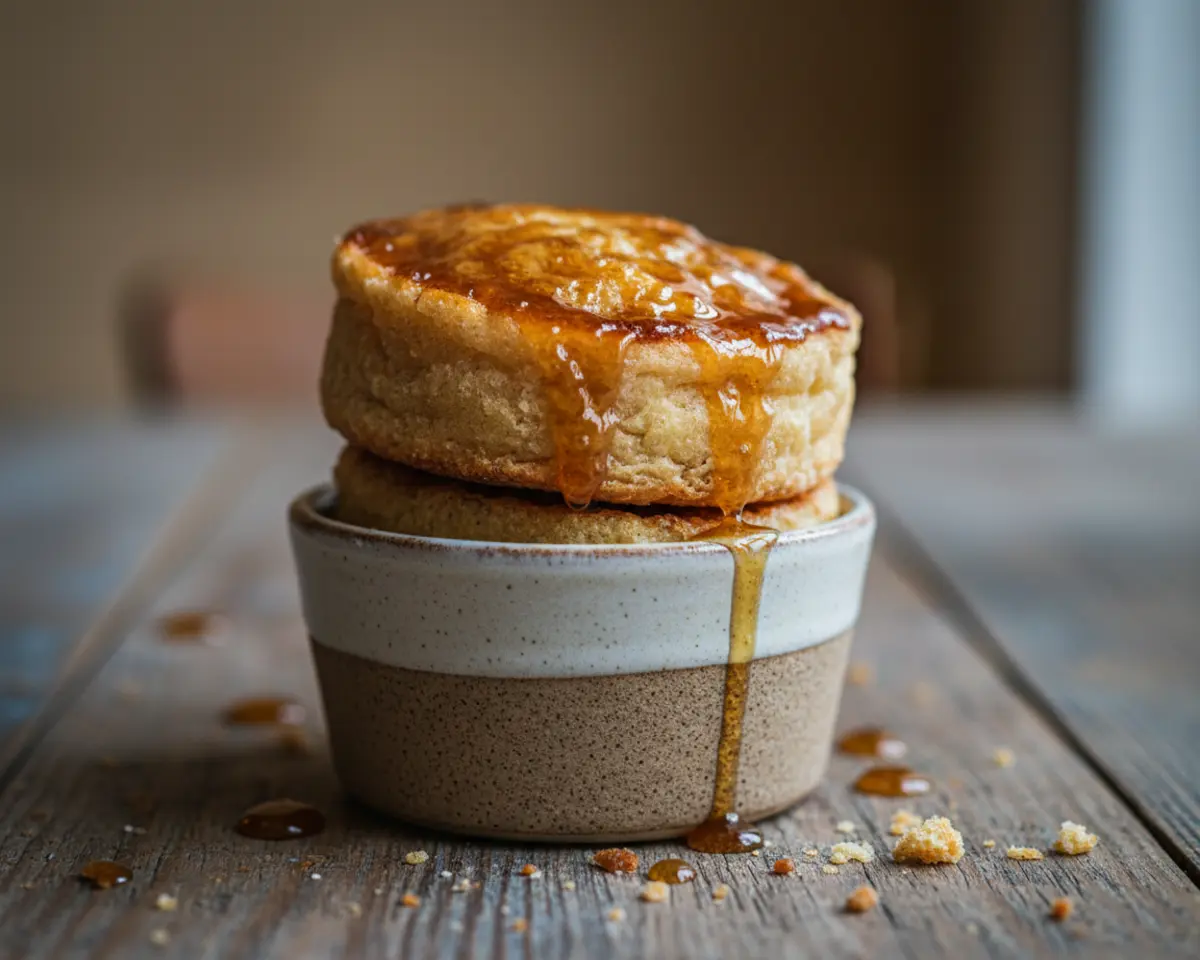
Sourdough English Muffins Recipe
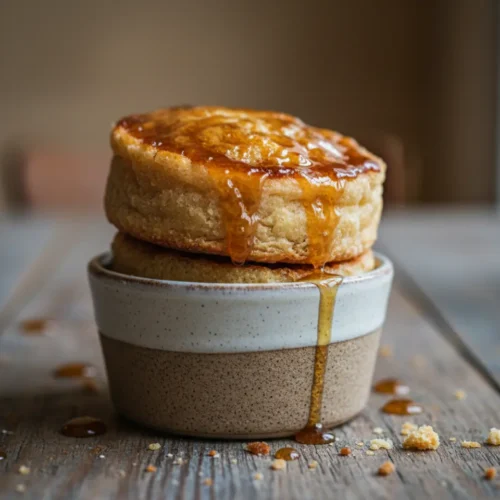
Sourdough English Muffins are the ultimate way to use your sourdough starter, creating tender, tangy homemade English muffins with those iconic nooks and crannies perfect for butter and jam. This sourdough discard recipe transforms simple pantry staples into artisan English muffins that beat store-bought every single time.
I’m Claire Whitmore, and I live for cozy mornings in Asheville where the smell of sourdough English muffins on the griddle makes everything right with the world. There’s something magical about the way these homemade English muffins puff up with their golden crusts and tender, tangy crumb.
The first time I made sourdough breakfast muffins, I honestly questioned why I’d been buying cardboard rounds from the store for so long. My daughter asked if we could have “the good English muffins” every Saturday, and that’s how our weekend tradition was born.
Table of Contents
Quick Overview
Little Snapshot: What This Recipe Delivers
Sourdough English Muffins combine active starter with warm milk and a touch of yeast to create tender, tangy breakfast rounds with iconic nooks and crannies. They cook on a griddle in about 15 minutes total and deliver that authentic sourdough flavor with a soft, chewy texture that’s perfect for toasting.
Why You’ll Love This Recipe 🌸
- This sourdough discard recipe takes less time than scrolling Pinterest for breakfast ideas—and tastes a thousand times better.
- You get those gorgeous nooks and crannies without any fancy equipment, just a griddle and a little patience.
- These artisan English muffins freeze beautifully, so you can pull out fresh-tasting breakfast any busy morning.
- According to King Arthur Baking, sourdough fermentation improves digestibility and creates complex flavor — and this recipe proves exactly why.
Quick Facts ⚡
Here’s the quick scoop on this sourdough breakfast treat.
- CourseDessert
- Prep Time20 minutes
- Cook Time3 hours (including rise time)
- Total Time3 hours 20 minutes
- Servings10-12 muffins
- DifficultyMedium
Nutritional Peek
| Nutrient | Amount per serving |
|---|---|
| Calories | 140 kcal |
| Protein | 4g |
| Carbohydrates | 26g |
| Fat | 3g |
| Fiber | 1g |
| Sugar | 3g |
What You’ll Need
You probably have most of these tools sitting in your kitchen right now. No fancy equipment required—just the basics to get those beautiful golden rounds on your breakfast table.
- Large mixing bowl
- Whisk
- Wooden spoon or sturdy spatula
- Rolling pin
- 3-inch round cutter (or a drinking glass)
- Baking sheet
- Griddle or cast-iron skillet
- Wire cooling rack
- Instant-read thermometer (optional but helpful)
- Plastic wrap or clean kitchen towel
Ingredients
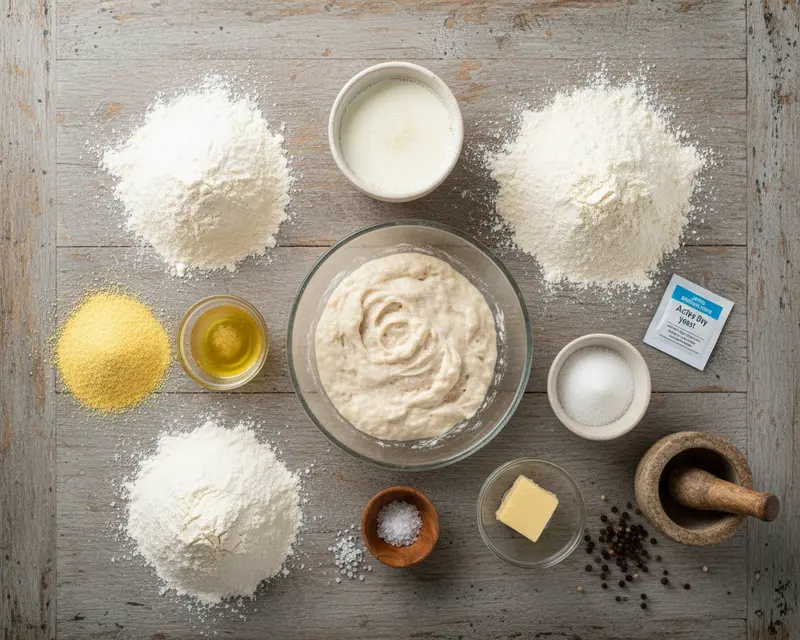
This sourdough discard recipe uses just a handful of pantry staples to create magic. The active sourdough starter brings tang and depth, while the milk and butter create that tender, pillowy texture. A little cornmeal dusting gives you that classic English muffin texture everyone loves.
| Group | Ingredient | Amount | Notes |
|---|---|---|---|
| Wet Ingredients | Active sourdough starter | 1 cup (240g) | Fed and bubbly is best |
| Wet Ingredients | Warm milk | 1 cup (240ml) | 100-110°F—baby-bottle warm |
| Wet Ingredients | Unsalted butter, melted | 2 tablespoons (28g) | Cooled slightly |
| Dry Ingredients | All-purpose flour | 3 cups (360g) | Plus extra for dusting |
| Dry Ingredients | Granulated sugar | 2 tablespoons (25g) | Just a touch for balance |
| Dry Ingredients | Salt | 1 teaspoon (5g) | Don’t skip—it wakes up the flavor |
| Dry Ingredients | Active dry yeast | 1 teaspoon (4g) | A little boost for the rise |
| For Dusting | Cornmeal | As needed | Classic texture on top and bottom |
Step-by-Step Instructions
Let’s make this happen. These sourdough English muffins come together with gentle hands and a little patience, and the result is worth every single minute.
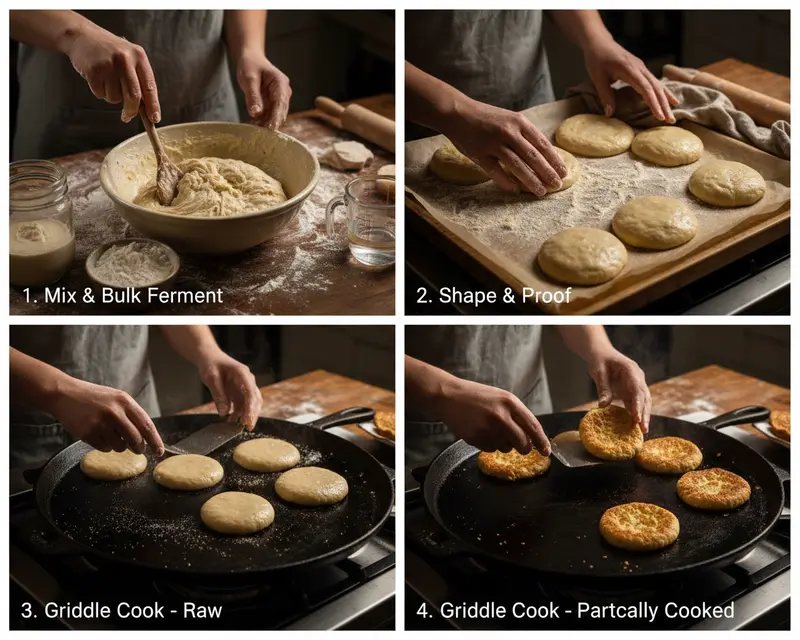
Combine the wet ingredients. In a large mixing bowl, whisk together your active sourdough starter, warm milk, granulated sugar, and salt until everything looks smooth and friendly. The milk should feel like a warm bath—not hot enough to kill the yeast, just cozy.
Add yeast and incorporate flour. Sprinkle the active dry yeast over your wet mixture and give it a gentle stir. Gradually add the all-purpose flour, mixing with a wooden spoon until you have a shaggy, sticky dough that pulls away from the sides of the bowl just a little.
Knead until smooth. Turn your dough out onto a lightly floured surface and knead for 5-7 minutes. You’ll feel it transform from sticky and rough to smooth and elastic under your hands—it’s still soft and a bit tacky, but that’s exactly right.
Work in the melted butter. Add the melted butter to your dough and knead until it’s fully incorporated and the dough becomes silky and less sticky. Shape it into a smooth ball—this is when you’ll feel like a real artisan baker.
Let the dough rise. Place your dough ball in a lightly oiled bowl, turning it once so the top is glossy. Cover with plastic wrap or a damp towel and let it rest in a warm spot for 2-4 hours until doubled in size. If you want deeper sourdough flavor, pop it in the fridge overnight for 8-12 hours.
Roll and cut the muffins. Gently turn your risen dough onto a lightly floured surface and roll it to about 1/2 inch thick. Use a 3-inch round cutter (or the rim of a glass) to cut out circles. Gather scraps, give them a gentle knead, re-roll, and cut more—you should get 10-12 beautiful rounds.
Proof the shaped muffins. Dust a baking sheet generously with cornmeal and arrange your cut muffins on top, leaving a little space between each one. Sprinkle more cornmeal on top of each muffin, cover loosely, and let them puff up for 30-60 minutes in a warm place.
Cook on the griddle. Heat a lightly greased griddle or cast-iron skillet over medium-low heat—this gentle temperature is crucial. Cook each muffin for 5-7 minutes per side until golden brown and cooked through to an internal temperature of 200-210°F. The slow cook ensures fluffy insides without burnt outsides.
Cool and split with a fork. Transfer your cooked muffins to a wire rack to cool slightly. When you’re ready to serve, split them with a fork (not a knife!) to create those iconic nooks and crannies that catch butter like tiny flavor pockets. Toast until golden and enjoy.
Expert Tips
Making artisan English muffins at home is easier than you think, but a few little tricks make all the difference. I learned most of these the hard way—through batches that were too dense, too flat, or missing those gorgeous nooks and crannies.
Use active starter, not discard. Even though this is technically a sourdough discard recipe, you get the best rise and flavor with starter that’s been fed within 4-12 hours and is bubbly and active. Unfed discard works too, but expect a slightly denser muffin and longer rise time.
Don’t skip the cornmeal. That dusting of cornmeal isn’t just for looks—it creates the classic texture and prevents sticking on your griddle. Dust generously on the baking sheet and on top of each muffin before the second rise.
Keep the heat low and patient. The biggest mistake I see is cranking up the griddle heat to speed things along. Medium-low is your friend here—it gives the insides time to cook through while the outsides develop that gorgeous golden crust without burning.
Always split with a fork, never a knife. This is the secret to those famous nooks and crannies. A knife gives you smooth surfaces that don’t toast well or hold butter. A fork tears through the dough, creating irregular craggy surfaces that crisp up beautifully.
Test for doneness with temperature. An instant-read thermometer takes the guesswork out—your muffins should register 200-210°F in the center. If you don’t have a thermometer, they should feel firm when gently pressed and sound hollow when tapped on the bottom.
According to The Kitchn’s guide to homemade English muffins, the slow griddle cooking method is what creates that signature chewy texture and allows steam to form those perfect air pockets inside. Rushing this step is the fastest way to dense, disappointing results.
Variations
Whole Wheat Sourdough English Muffins. Swap out 1 cup of the all-purpose flour for whole wheat flour for a nuttier flavor and extra fiber. You might need to add an extra tablespoon or two of milk since whole wheat absorbs more liquid.
Cinnamon Raisin English Muffins. Knead in 1/2 cup of raisins and 1 teaspoon of cinnamon after you’ve incorporated the butter. These are absolutely magical toasted with cream cheese for breakfast.
Honey Oat English Muffins. Replace the granulated sugar with 2 tablespoons of honey and add 1/2 cup of rolled oats to the dough. Roll the shaped muffins in extra oats before the second rise for a gorgeous rustic look.
Everything Bagel English Muffins. After dusting with cornmeal, sprinkle the tops generously with everything bagel seasoning before the second rise. These are incredible with cream cheese and smoked salmon.
Sourdough Discard Version. If you only have unfed discard on hand, add an extra 1/2 teaspoon of yeast and extend the first rise time by an hour or so. The flavor will be tangier but slightly less complex than using active starter.
Troubleshooting
My muffins are flat and dense. This usually means your starter wasn’t active enough or your dough didn’t rise long enough. Make sure your starter is bubbly and at least doubled before using it. Also check that your rising spot is warm enough—around 75-80°F is ideal.
The outsides burned before the insides cooked. Your griddle heat was too high. English muffins need low and slow cooking to cook through without burning. Medium-low heat should take 5-7 minutes per side—if they’re browning faster, turn down the heat.
I don’t see any nooks and crannies inside. Did you split them with a knife? Always use a fork to tear through the muffin—that’s what creates those irregular pockets. Also make sure your dough was sticky enough; overly dry dough won’t create those air pockets.
The dough is way too sticky to handle. Sourdough English Muffins should be tacky, but if it’s soup-like, your starter might have been too thin or you didn’t add enough flour. Add flour a tablespoon at a time until the dough is soft but manageable. Use a bench scraper to help with handling.
My muffins spread out instead of puffing up. The dough might have been over-proofed during the second rise, or it wasn’t kneaded enough to develop gluten structure. Make sure you knead for the full 5-7 minutes and watch the second rise carefully—they should look puffy but not pancake-flat.
They taste flat or bland. Don’t skip the salt—it’s essential for flavor. Also make sure you’re using active starter with good tang. If your starter is young or mild, you might want to let the dough do a longer cold ferment in the fridge overnight for deeper flavor.
Storage & Reheating
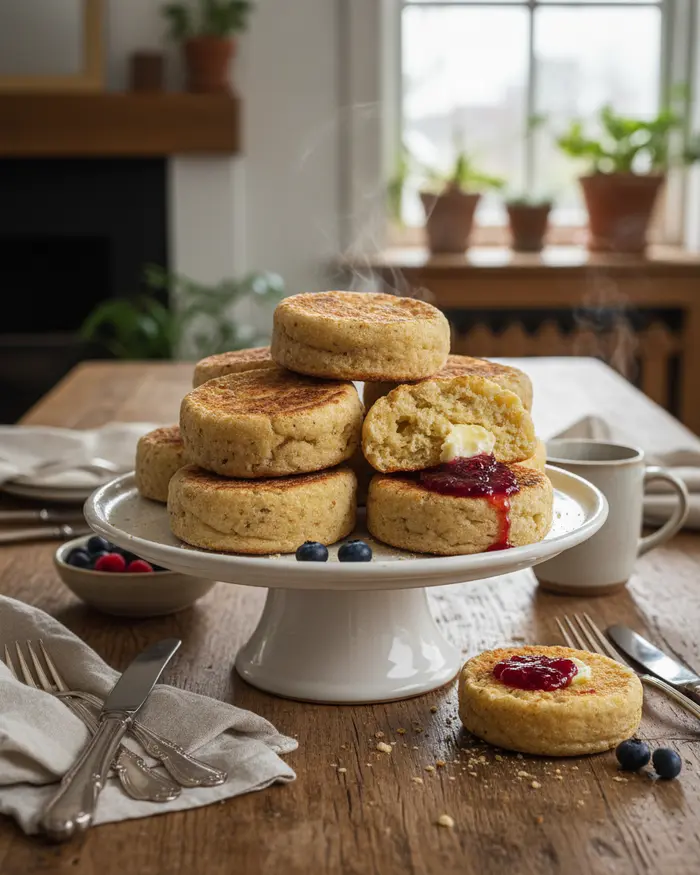
These homemade English muffins are best enjoyed the day you make them, but they store beautifully for easy sourdough breakfast all week long. Split them with a fork before storing so they’re ready to pop straight into the toaster.
Room temperature storage. Keep your muffins in an airtight container or resealable bag at room temperature for up to 3 days. They’ll stay soft and ready to toast, though the texture is best within the first two days.
Freezer storage for make-ahead mornings. Split your muffins with a fork, then freeze them in a single layer on a baking sheet for an hour. Transfer to a freezer bag and store for up to 3 months. Toast them straight from frozen—no thawing needed.
Reheating and serving. Always toast your English muffins before serving, even if they’re fresh. The toasting crisps up those nooks and crannies and brings back that just-cooked texture. Use a toaster, toaster oven, or even a hot skillet with a little butter.
| Storage Method | Duration | Best For |
|---|---|---|
| Room temperature (airtight container) | 3 days | Daily breakfast use |
| Refrigerator (sealed bag) | 5-7 days | Extending freshness slightly |
| Freezer (split and bagged) | 3 months | Make-ahead batch cooking |
| Toasted and buttered | Eat immediately | Peak deliciousness |
No-Waste Kitchen Ideas
Use leftover muffins for breadcrumbs. If your English muffins start to go stale, cut them into cubes, toast until crispy, and pulse in a food processor for homemade breadcrumbs. They’re perfect for topping casseroles or coating chicken.
Make English muffin pizzas. Split any leftover muffins, top with pizza sauce, cheese, and your favorite toppings, then broil until bubbly. My kids request these for lunch at least once a week.
Turn them into breakfast strata. Cube stale English muffins and use them in place of bread in any breakfast casserole or strata recipe. The tangy sourdough flavor adds amazing depth.
Save your dough scraps. When cutting out your muffins, don’t toss those odd-shaped end pieces. Gently press them together, let them rise again, and cook as mini “rustic” muffins. They’re perfect for little hands or for snacking with butter.
Repurpose extra sourdough starter. If you have more starter than this recipe needs, check out my sourdough discard pancakes or easy sourdough discard crackers for more delicious ways to use every drop.
Frequently Asked Questions
Here are answers to the most common questions I get about making sourdough English muffins at home.
What makes sourdough English muffins different from regular English muffins?
Sourdough English muffins are leavened with sourdough starter instead of commercial yeast, giving them a distinctive tangy flavor and slightly chewier texture. They also tend to have better digestibility and a more complex flavor profile due to the natural fermentation process.
How long does it take to make sourdough English muffins?
Making sourdough English muffins typically takes 12 to 24 hours total, including an 8 to 12 hour bulk fermentation period and a 1 to 2 hour final rise. The actual hands-on time is only about 30 minutes, with most of the time being passive fermentation.
Do I need special equipment to make sourdough English muffins?
You need minimal equipment: a mixing bowl, a griddle or large skillet, and English muffin rings or biscuit cutters. If you do not have rings, you can shape the dough by hand or use clean tuna cans with both ends removed. A cast iron griddle works particularly well for even heating.
Can I freeze sourdough English muffins?
Yes, sourdough English muffins freeze very well. Allow them to cool completely, then store them in an airtight freezer bag for up to 3 months. You can toast them directly from frozen or thaw them at room temperature before toasting.
Why are my sourdough English muffins not getting the characteristic nooks and crannies?
The nooks and crannies form when the dough has proper hydration and is not overworked. Make sure your dough is slightly sticky, avoid over-kneading, and cook them slowly on medium-low heat so the interior steams and creates air pockets. Always split them with a fork rather than cutting with a knife to preserve the texture.
Final Dish
There’s something incredibly satisfying about making your own Sourdough English Muffins from scratch—those golden rounds with their craggy nooks and tangy flavor beat anything you’ll find in the bread aisle. Whether you’re using up sourdough discard or just craving a truly special homemade breakfast, this recipe delivers every single time.
I’d love to see how your batch turns out! Snap a photo of your toasted muffins and tag me on social media, or drop a comment below telling me how you topped yours. And if you loved this recipe, you’ll definitely want to try my sourdough discard chocolate chip cookies or sourdough discard cinnamon roll cake next.
I’m Claire Whitmore — a dessert daydreamer from Asheville, NC. For me, baking isn’t about perfect pastries — it’s about the joy of sharing something sweet (and maybe sneaking an extra scoop of icing).
Sourdough English Muffins
Ingredients
- 1 cup 240g active sourdough starter
- 1 cup 240ml warm milk (around 100-110°F / 38-43°C)
- 2 tablespoons 25g granulated sugar
- 1 teaspoon 5g salt
- 1 teaspoon 4g active dry yeast
- 3 cups 360g all-purpose flour, plus more for dusting
- 2 tablespoons 28g unsalted butter, melted
- Cornmeal for dusting
Instructions
- In a large bowl, whisk together the active sourdough starter, warm milk, sugar, and salt until well combined.
- Sprinkle the active dry yeast over the mixture and stir. Gradually add the all-purpose flour, mixing until a shaggy dough forms. It will be quite sticky.
- Turn the dough out onto a lightly floured surface. Knead for 5-7 minutes, until the dough becomes smoother and more elastic. It will still be soft and a bit sticky.
- Add the melted butter to the dough and knead until fully incorporated. The dough will become smoother and less sticky. Form the dough into a ball.
- Place the dough in a lightly oiled bowl, turning once to coat. Cover the bowl with plastic wrap or a damp towel and let it rise in a warm place for 2-4 hours, or until doubled in size. Alternatively, for a longer, colder fermentation, you can refrigerate the dough overnight (8-12 hours).
- Gently turn the dough out onto a lightly floured surface. Roll the dough to about 1/2 inch thick. Using a 3-inch round cutter (or a rim of a glass), cut out your English muffins. Gather the scraps, gently knead them a few times, and re-roll to cut out more muffins. You should get about 10-12 muffins.
- Lightly dust a baking sheet with cornmeal. Place the cut English muffins on the cornmeal-dusted baking sheet, leaving some space between them. Sprinkle a little more cornmeal on top of each muffin. Cover loosely with plastic wrap or a damp towel and let them rise in a warm place for 30-60 minutes, or until puffed up.
- Heat a lightly greased griddle or cast-iron skillet over medium-low heat. Cook the English muffins for 5-7 minutes per side, or until golden brown and cooked through. The internal temperature should reach at least 200-210°F (93-99°C). The low heat is crucial to ensure they cook through without burning.
- Transfer the cooked English muffins to a wire rack to cool slightly. Split them with a fork (to create those nooks and crannies) and toast before serving with your favorite toppings.