How to Cook a Small Prime Rib Roast
I’m Linda Sandra — a home chef who believes every special meal should feel like a warm celebration, and this how to cook a small prime rib roast recipe is exactly that kind of magic. Whether you’re hosting an intimate holiday dinner or just want to treat your family to something fancy without the intimidation factor, this is your go-to guide.
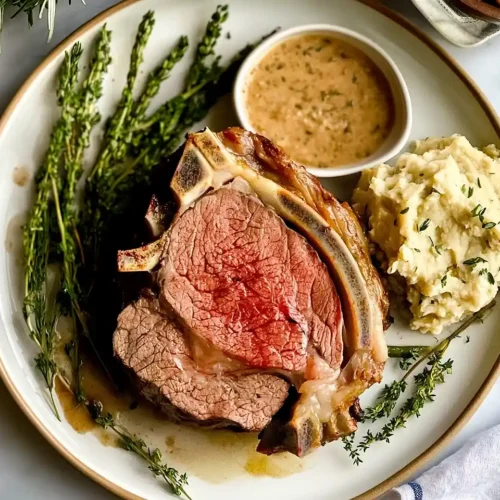
This small prime rib roast delivers restaurant-quality results with minimal fuss. We’re talking about garlic-herb crusted perfection, tender medium-rare slices, and that gorgeous au jus that makes everything better. The best part? You don’t need to be a trained chef to nail it.
I still remember the first time I attempted a prime rib roast — I was so nervous I checked the thermometer about seventeen times. But once I understood the simple rhythm of high heat to low heat, everything clicked. Now it’s my favorite show-stopping centerpiece for cozy gatherings.
Table of Contents
Little Snapshot: What This Recipe Delivers
This how to cook a small prime rib roast guide walks you through a 4-5 lb bone-in roast with a garlic-rosemary crust, roasted to medium-rare perfection in about 2 hours. You’ll get tender, juicy slices with a flavorful herb crust and homemade au jus — perfect for 4-6 people and surprisingly straightforward once you know the timing.
Why You’ll Love This Recipe 🌸
- This small prime rib roast looks fancy but is actually easier than meal-prepping a week’s worth of lunches.
- The garlic-herb rub does all the flavor work for you — just slather it on and let the oven work its magic.
- It’s perfectly sized for intimate gatherings without leaving you drowning in leftovers (though honestly, the leftovers are pretty amazing too).
- According to Serious Eats’ comprehensive guide to perfect prime rib, the high-heat-to-low-heat method creates that gorgeous crust while keeping the interior tender — and this recipe proves exactly why.
Quick Facts ⚡
Here’s the quick scoop on this how to cook a small prime rib roast.
- CourseMain Dish
- Prep Time15 minutes (plus 2-3 hours to bring to room temp)
- Cook Time1 hour 45 minutes to 2 hours
- Total Time2 hours (plus resting time)
- Servings4-6 servings
- DifficultyMedium
How to Cook a Small Prime Rib Roast
Equipment
-
Roasting pan with rack
-
Digital instant-read thermometer
-
Small mixing bowl
-
Paper towels
-
Aluminum foil
-
Fat separator
-
saucepan
-
Cutting board
Ingredients
Meat
- 4-5 lb bone-in prime rib roast scale up by adjusting cooking time and rub amounts
Rub
- 4 cloves garlic minced
- 2 tablespoons fresh rosemary finely chopped
- 1 tablespoon fresh thyme finely chopped, optional
- ½ tablespoon coarse kosher salt
- 1 teaspoon freshly ground black pepper
- 4 tablespoons extra virgin olive oil
Braising Liquid
- 3 cups low-sodium beef broth
- 3 cups water
- ½ cup red wine optional but highly recommended
Instructions
-
Take your 4-5 lb bone-in prime rib roast out of the fridge about 2-3 hours before you plan to cook. Let it sit on the counter until it reaches room temperature — this is the secret to even cooking from edge to center. Pat the entire roast dry with paper towels until there’s no moisture left on the surface.
-
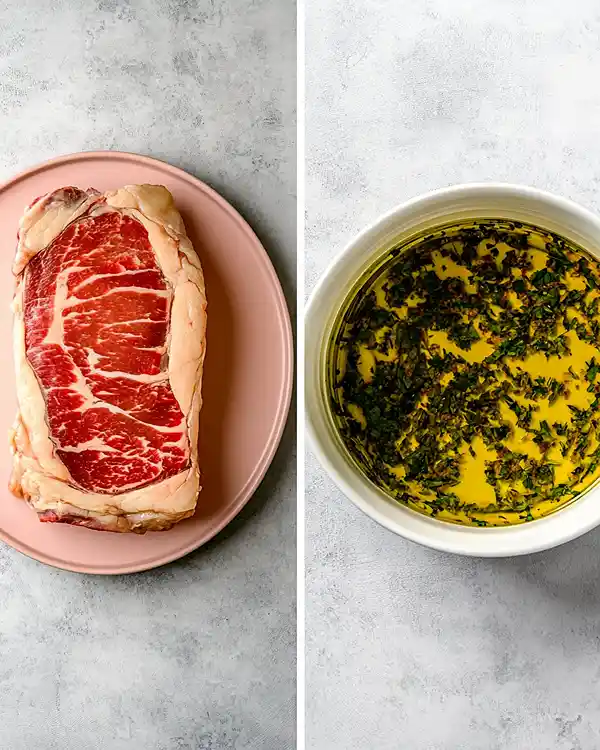
Preheat your oven to 450°F. In a small bowl, combine the minced garlic, finely chopped fresh rosemary, fresh thyme (if using), kosher salt, freshly ground black pepper, and extra virgin olive oil. Mix everything together until it forms a thick, fragrant paste that smells like heaven.
-
Rub the garlic-herb paste all over your prime rib roast, making sure to really work it into any score lines in the fat cap on top. Don’t be shy here — massage it in like you’re giving the roast a spa treatment. Place the roast fat-side up on a rack in your roasting pan, then pour the beef broth, water, and red wine (if you’re using it) into the bottom of the pan.
-
Roast at 450°F for exactly 15 minutes — this creates that gorgeous caramelized crust. Then reduce the oven temperature to 325°F without opening the door. Continue roasting until your instant-read thermometer reads 10°F below your target temperature. For medium-rare (the sweet spot for prime rib), you’re looking for an internal temperature of 120-125°F, so pull it around 110-115°F.
-
Check the temperature by inserting your thermometer in several places — the ends, the center, and near the bone. The timing varies based on your roast size, but expect roughly 15-20 minutes per pound after the initial high-heat blast. A 4-5 lb roast usually takes about 1 hour 30 minutes to 1 hour 45 minutes total.
-
When your prime rib hits that magic 10-degrees-below number, remove it from the oven and transfer it to a cutting board. Tent it loosely with aluminum foil and let it rest for at least 30 minutes. During this time, the temperature will continue rising (that’s carryover cooking), and the juices will redistribute throughout the meat. This step is non-negotiable if you want juicy slices.
-
While the roast rests, make your au jus. Use a fat separator to degrease the drippings from the roasting pan, then pour the degreased liquid into a saucepan. Simmer over medium heat for about 10 minutes until the au jus reduces and develops a rich, concentrated flavor. Taste it — if it needs more depth, add a splash of extra beef broth.
-
Slice your rested prime rib against the grain into thick, beautiful slices. Serve immediately with that gorgeous au jus on the side. Watch everyone’s eyes light up.
Notes
Troubleshooting: If the outside is getting too dark, tent with foil. If overcooked, slice thin and serve with plenty of au jus. Make sure you’re measuring in the thickest part away from the bone. Keep reducing au jus on stovetop to concentrate flavors.
Variations: Try sage-and-oregano blend, or Mediterranean za’atar and sumac. Add 2-3 tablespoons prepared horseradish to the rub. Double or triple the garlic. Scale down to 3-4 lb roast for smaller gatherings. Boneless roasts cook 5-10 minutes faster per pound.
Storage: Store leftover prime rib wrapped tightly in foil or airtight container in the fridge for up to 4 days. Au jus keeps for about a week. Reheat gently – slice cold prime rib, arrange in baking dish with au jus or beef broth, cover with foil and warm in 300°F oven for 10-15 minutes.
Nutritional Peek
Here’s what you’re looking at per serving (based on 6 servings):
| Nutrient | Amount per Serving |
|---|---|
| Calories | 485 kcal |
| Protein | 42g |
| Total Fat | 32g |
| Saturated Fat | 12g |
| Carbohydrates | 3g |
| Fiber | 0g |
| Sugar | 1g |
| Sodium | 520mg |
How to Cook a Small Prime Rib Roast Recipe Ingredients
How long to cook a small prime rib roast depends on your desired doneness, but first, let’s gather what you need. For the meat itself, you’ll want a beautiful 4-5 lb bone-in prime rib roast — the bone adds flavor and helps with even cooking.
For the aromatic rub, fresh rosemary, thyme, and minced garlic create that restaurant-quality crust, while olive oil helps everything stick and crisp up beautifully. The braising liquid — beef broth, water, and optional red wine — keeps things moist and becomes your au jus base.
| Amount | Ingredient |
|---|---|
| 4-5 lb | bone-in prime rib roast (scale up by adjusting cooking time and rub amounts) |
| 4 cloves | garlic, minced |
| 2 tablespoons | fresh rosemary, finely chopped |
| 1 tablespoon | fresh thyme, finely chopped (optional) |
| ½ tablespoon | coarse kosher salt |
| 1 teaspoon | freshly ground black pepper |
| 4 tablespoons | extra virgin olive oil |
| 3 cups | low-sodium beef broth |
| 3 cups | water |
| ½ cup | red wine (optional but highly recommended) |
This recipe is just the beginning. Over in the Roasts & Ribs collection, you’ll find even more dishes that are just as easy and packed with flavor. Go take a peek — your next favorite is waiting.
Tools You’ll Actually Use
- Roasting pan with rack
- Digital instant-read thermometer (this is your best friend here)
- Small mixing bowl
- Paper towels
- Aluminum foil
- Fat separator (optional but makes au jus easier)
- Saucepan for au jus
- Cutting board
Step-by-Step Instructions
Ready to master how to cook a small prime rib roast? Here we go.
Step 1: Take your 4-5 lb bone-in prime rib roast out of the fridge about 2-3 hours before you plan to cook. Let it sit on the counter until it reaches room temperature — this is the secret to even cooking from edge to center. Pat the entire roast dry with paper towels until there’s no moisture left on the surface.
Step 2: Preheat your oven to 450°F. In a small bowl, combine the minced garlic, finely chopped fresh rosemary, fresh thyme (if using), kosher salt, freshly ground black pepper, and extra virgin olive oil. Mix everything together until it forms a thick, fragrant paste that smells like heaven.
Step 3: Rub the garlic-herb paste all over your prime rib roast, making sure to really work it into any score lines in the fat cap on top. Don’t be shy here — massage it in like you’re giving the roast a spa treatment.
Place the roast fat-side up on a rack in your roasting pan, then pour the beef broth, water, and red wine (if you’re using it) into the bottom of the pan.
Step 4: Roast at 450°F for exactly 15 minutes — this creates that gorgeous caramelized crust. Then reduce the oven temperature to 325°F without opening the door. Continue roasting until your instant-read thermometer reads 10°F below your target temperature.
For medium-rare (the sweet spot for prime rib), you’re looking for an internal temperature of 120-125°F, so pull it around 110-115°F.
Step 5: Check the temperature by inserting your thermometer in several places — the ends, the center, and near the bone. The timing varies based on your roast size, but expect roughly 15-20 minutes per pound after the initial high-heat blast. A 4-5 lb roast usually takes about 1 hour 30 minutes to 1 hour 45 minutes total.
Step 6: When your prime rib hits that magic 10-degrees-below number, remove it from the oven and transfer it to a cutting board. Tent it loosely with aluminum foil and let it rest for at least 30 minutes.
During this time, the temperature will continue rising (that’s carryover cooking), and the juices will redistribute throughout the meat. This step is non-negotiable if you want juicy slices.
Step 7: While the roast rests, make your au jus. Use a fat separator to degrease the drippings from the roasting pan, then pour the degreased liquid into a saucepan. Simmer over medium heat for about 10 minutes until the au jus reduces and develops a rich, concentrated flavor. Taste it — if it needs more depth, add a splash of extra beef broth.
Step 8: Slice your rested prime rib against the grain into thick, beautiful slices. Serve immediately with that gorgeous au jus on the side. Watch everyone’s eyes light up.
Pro Tips & Gentle Guidance
How to cook a small prime rib roast successfully comes down to a few key techniques. Let me share what I’ve learned through trial and plenty of thermometer-checking.
Use a digital instant-read thermometer and check multiple spots in the roast. The ends cook faster than the center, so you want to make sure you’re getting an accurate reading from the thickest part.
Let the roast come to room temperature before cooking. I know 2-3 hours sounds like forever, but cold meat straight from the fridge cooks unevenly — you’ll end up with overdone edges and a raw center.
Don’t skip the resting period. I cannot stress this enough. Cutting into the roast immediately means all those beautiful juices run right out onto your cutting board instead of staying in the meat where they belong.
If you’re worried about timing, start checking the temperature about 30 minutes before you think it’ll be done. It’s way easier to let something cook a bit longer than to un-cook an overdone roast.
For more detailed guidance on temperature control and doneness levels, Food Network’s expert roasting temperature guide breaks down every level from rare to well-done with visuals that really help.
Quick Fixes for How to Cook a Small Prime Rib Roast
Problem: The outside is getting too dark before the inside is cooked. Solution: Tent the roast loosely with aluminum foil to slow down the browning while the interior continues cooking. You can also reduce your oven temperature by another 25°F.
Problem: You accidentally overcooked it and now it’s past medium-rare. Solution: All is not lost! Slice it thin and serve with plenty of that rich au jus — it’ll add moisture back. You can also use the slices for incredible prime rib sandwiches or dice them for a luxurious hash.
Problem: The medium rare prime rib temperature isn’t climbing even though it’s been in the oven forever. Solution: Make sure you’re measuring in the thickest part of the roast, away from the bone (bone conducts heat differently). Also double-check that your oven is actually holding at 325°F — ovens can be sneaky liars.
Problem: The au jus tastes weak or watery. Solution: Keep reducing it on the stovetop until the flavors concentrate. You can also add a splash of red wine or a bit of beef bouillon paste to boost the richness.
Variations & Adaptations
This small prime rib roast recipe is wonderfully flexible once you nail the basic technique.
Herb variations: Swap the rosemary and thyme for a sage-and-oregano blend, or go Mediterranean with za’atar and sumac. Fresh herbs are always best, but dried work in a pinch — just use about half the amount.
Horseradish crust: Mix 2-3 tablespoons of prepared horseradish into your herb paste for a spicy kick that cuts through the richness of the beef beautifully.
Garlic lovers: Double or even triple the garlic in the rub. You can also stud the roast with whole garlic cloves by making small slits and tucking them in.
Smaller gathering: Scale down to a 3-4 lb roast and reduce the rub ingredients by about a third. Adjust your cooking time accordingly — smaller roasts cook faster.
Boneless option: You can absolutely use a boneless prime rib roast. It’ll cook about 5-10 minutes faster per pound, so watch that thermometer closely.
Serving, Storage & Reheating
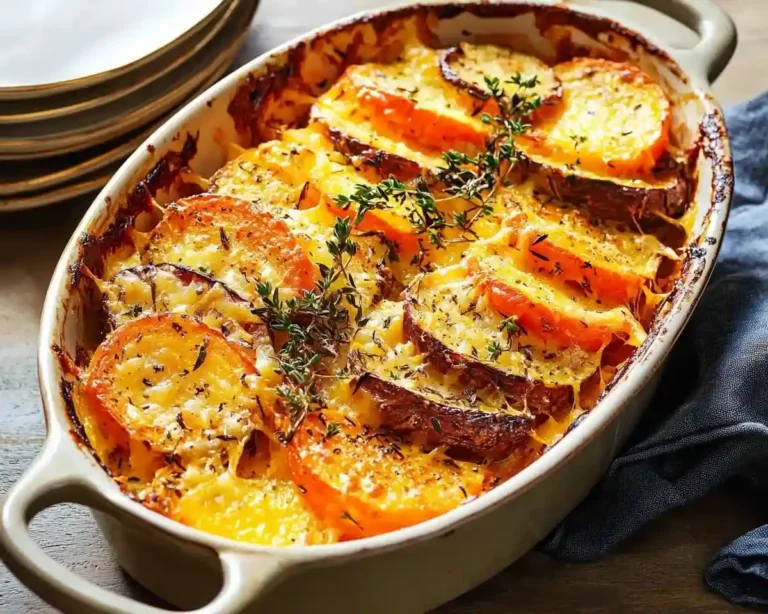
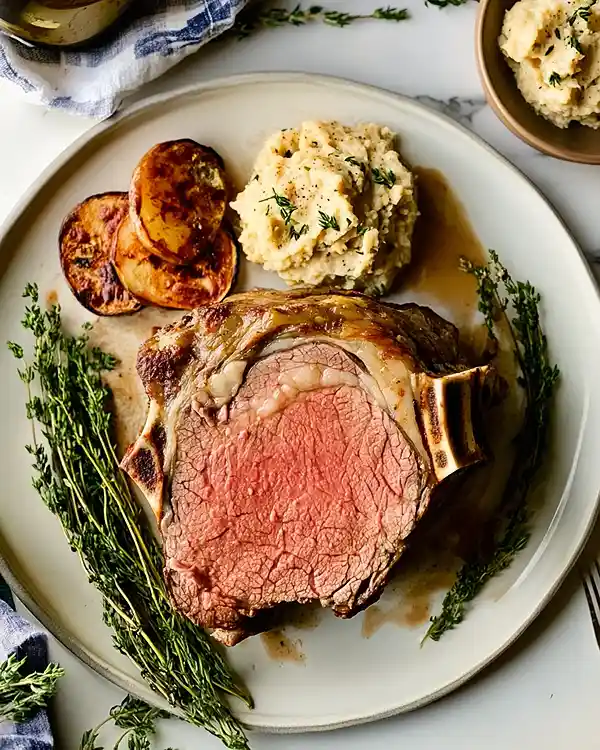
Serve your how to cook a small prime rib roast masterpiece with classic steakhouse sides like this crispy breakfast hashbrown casserole (trust me, the creamy potato situation is perfect with beef), or keep it lighter with roasted vegetables and a simple arugula salad.
Don’t forget to pass around that au jus — some people like to drizzle it, some like to dip, and both camps are right.
Store leftover prime rib wrapped tightly in aluminum foil or in an airtight container in the fridge for up to 4 days. The au jus keeps for about a week in a covered container.
For reheating, be gentle — you don’t want to cook it further. Slice the cold prime rib, arrange the slices in a baking dish, and pour some au jus or beef broth over them. Cover tightly with foil and warm in a 300°F oven for about 10-15 minutes, just until heated through. You can also enjoy cold slices on sandwiches, which is honestly one of life’s great pleasures.
No-Waste Kitchen Magic
Prime rib bones are liquid gold for making stock. After you’ve carved the roast, save those bones and simmer them with vegetables, herbs, and water for the most incredible beef stock you’ve ever tasted.
Leftover prime rib makes the most luxurious prime rib hash. Dice it up with leftover potatoes (or make my copycat Cracker Barrel hash brown casserole), add some onions and peppers, and pan-fry everything in a cast iron skillet. Top with a fried egg and you’ve got brunch dreams.
That fat you skimmed off the drippings? Don’t toss it. Strain it, store it in the fridge, and use it to roast vegetables or sauté mushrooms. Beef fat adds incredible depth of flavor.
Make French dip sandwiches with thin slices of leftover prime rib on toasted baguettes. Warm the au jus and serve it in little bowls for dipping — it’s the ultimate comfort food lunch.
How to Cook a Small Prime Rib Roast Recipe FAQs
Can I freeze this small prime rib roast before cooking?
You can, but I’d recommend cooking it fresh for the best texture and flavor. If you do freeze it, thaw it completely in the fridge over 2-3 days before bringing it to room temperature and cooking as directed.
What’s the best way to store leftover prime rib?
Wrap the cooked roast tightly in aluminum foil or transfer slices to an airtight container. It’ll keep in the fridge for 3-4 days. Keep the au jus separate in its own container.
How do I know when my prime rib is done?
Use an instant-read thermometer inserted into the thickest part of the roast. For medium-rare, you want 120-125°F final temperature, so pull it at 110-115°F. Remember, it continues cooking as it rests.
Why should I use bone-in prime rib for this recipe?
The bone adds incredible flavor and helps the meat cook more evenly by acting as a heat conductor. Plus, you get those gorgeous bones for making stock afterward.
Can I cook this small prime rib roast in a slow cooker?
I don’t recommend it for prime rib. The high-heat sear at the beginning creates that essential crust, and slow cookers just can’t replicate that. Stick with the oven method for the best results.
Closing
So there you go — how to cook a small prime rib roast that feels fancy but is secretly way more forgiving than you’d think. Once you nail the temperature technique and trust that thermometer, you’ll be making this for every special occasion.
I’d love to see your spin on this small prime rib roast recipe! Drop a comment below with your prime rib photos or tell me what sides you served alongside — I’m always looking for new inspiration. Did you try the horseradish variation? Go with extra garlic? I want to hear everything.
And if you’re planning a full holiday spread, don’t miss my blueberry cream cheese bars for dessert or that ridiculously addictive Christmas crack saltine toffee that disappears in about five minutes.
I’m Linda Sandra — a Charleston home chef and comfort-food daydreamer. Around here, cooking’s not about perfection — it’s about cozy vibes, creative twists, and food that feels like love.