Herb Stem Pesto
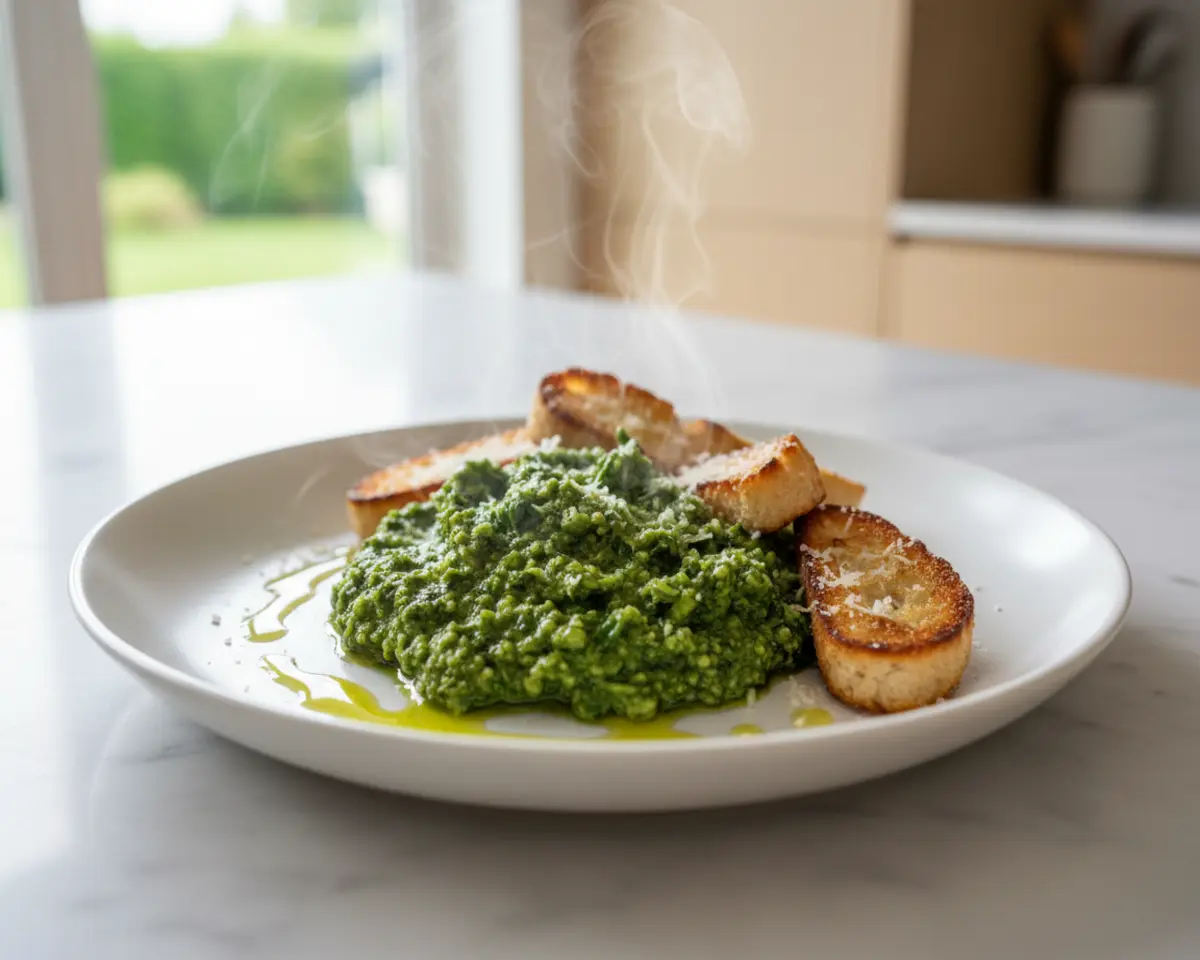
Herb Stem Pesto: Waste Nothing Green transforms the stems you usually toss into a vibrant, flavor-packed spread. This zero waste cooking gem proves that sustainable pesto can be just as delicious as the classic version—maybe even better.
I’m Linda Sandra, and I’ve been making kitchen scrap recipes in my Charleston kitchen for years now. Today’s Herb Stem Pesto: Waste Nothing Green is one of those recipes that makes you feel like a kitchen genius every single time.
Table of Contents
Quick Overview
Little Snapshot: What This Recipe Delivers
Herb Stem Pesto: Waste Nothing Green turns herb stems into a vibrant, earthy pesto in under 10 minutes. Perfect for pasta, sandwiches, or drizzling over roasted vegetables.
Why You’ll Love This Recipe 🌸
- This zero waste cooking recipe takes less time than scrolling through your phone.
- You’ll feel like a sustainability superhero while creating something truly delicious and budget-friendly.
- It’s endlessly adaptable—whatever herb stems you have on hand will work beautifully.
- According to EPA’s Reducing Wasted Food Guide, using food scraps creatively can significantly cut household waste — and this recipe proves exactly why.
Quick Facts ⚡
Here’s the quick scoop on this Herb Stem Pesto: Waste Nothing Green.
- CourseCondiment/Sauce
- Prep Time8 minutes
- Cook Time0 minutes
- Total Time8 minutes
- Servings8-10 servings
- DifficultyEasy
Nutritional Peek
| Nutrient | Amount per serving (2 tablespoons) |
|---|---|
| Calories | 140 |
| Protein | 3g |
| Carbohydrates | 2g |
| Fat | 14g |
| Fiber | 1g |
| Sugar | 0g |
What You’ll Need
You don’t need fancy equipment for this sustainable pesto—just a few basic kitchen tools. Here’s what I keep on hand for making kitchen scrap recipes like this one.
- Food processor or high-powered blender
- Measuring cups and spoons
- Rubber spatula for scraping down sides
- Airtight storage container or jar
- Cutting board and knife for trimming stems
Ingredients
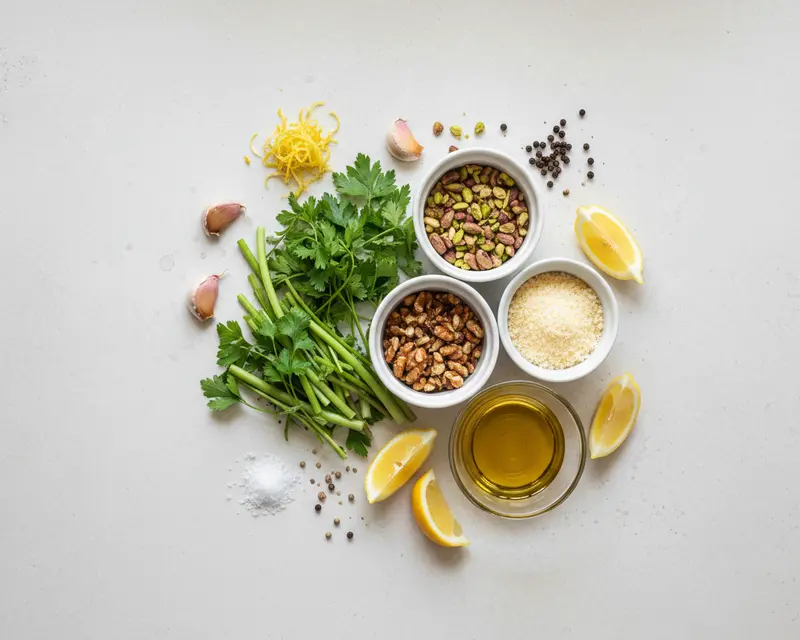
Zero waste cooking starts with celebrating ingredients you’d normally discard. Herb stems carry concentrated flavor and essential oils that make vegetable stem pesto incredibly aromatic and vibrant. Gather whatever herb stems you have—parsley, cilantro, basil, or a beautiful mix—and let’s turn them into magic.
| Group | Ingredient | Amount | Notes |
|---|---|---|---|
| Base | Herb stems (parsley, cilantro, basil, or mix) | 2 cups | Remove woody stems, keep the tender green parts |
| Fat | Extra virgin olive oil | 1/2 cup | Good quality makes all the difference, trust me |
| Cheese | Grated Parmesan cheese | 1/4 cup | Or nutritional yeast for vegan version |
| Nuts/Seeds | Pine nuts, walnuts, almonds, or pumpkin seeds | 1/4 cup | Whatever you have on hand works beautifully |
| Aromatics | Garlic cloves, peeled | 2 cloves | Fresh is best for that punchy flavor |
| Acid | Fresh lemon juice | 1-2 tablespoons | Brightens everything up perfectly |
| Seasoning | Salt and black pepper | To taste | Season generously—stems need it |
Step-by-Step Instructions
Let’s make this happen. Herb Stem Pesto: Waste Nothing Green comes together faster than you’d believe, and the whole process feels like kitchen alchemy.
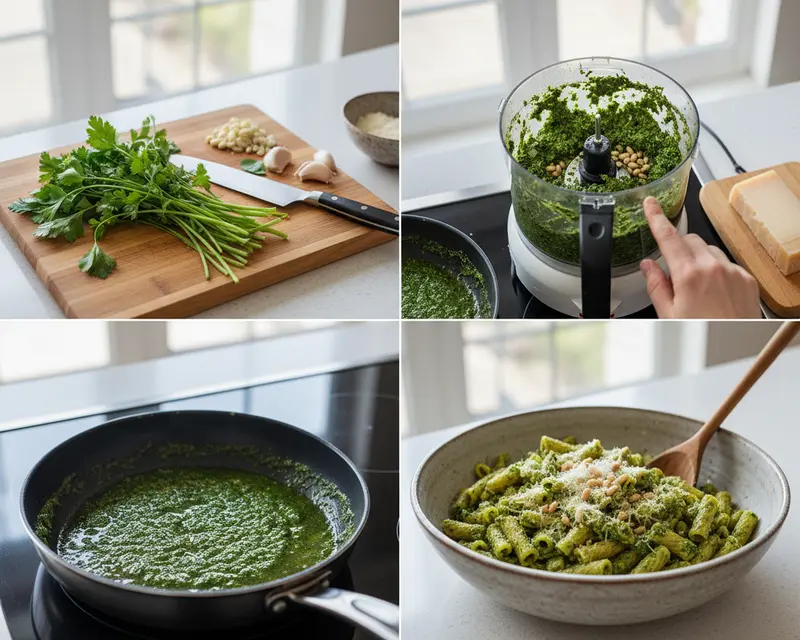
Step 1: Prep Your Stems
Thoroughly wash your herb stems under cool running water, swishing them around to remove any dirt or grit. Pat them completely dry with a clean kitchen towel or spin them in a salad spinner. Remove any overly tough or woody parts—you want tender stems that still have that vibrant green color and flexible texture.
Step 2: Load the Food Processor
Add your clean, dry herb stems to the food processor bowl along with the olive oil, Parmesan cheese (or nutritional yeast for a plant-based version), nuts or seeds, and peeled garlic cloves. The garlic will perfume everything with that unmistakable sharp, savory aroma. Make sure your food processor blade is sharp and properly attached.
Step 3: Pulse and Blend
Pulse the mixture in short bursts—about 8 to 10 pulses—until everything is finely chopped and well combined but still has some rustic texture. You’re not making baby food here; you want a chunky, vibrant green pesto with visible flecks of herbs and nuts. Scrape down the sides of the bowl with a rubber spatula between pulses so everything processes evenly.
Step 4: Season and Balance
Add 1 tablespoon of fresh lemon juice and pulse again to incorporate. Taste your pesto—really taste it—and add salt, freshly ground black pepper, and additional lemon juice if it needs more brightness. Herb stems can be slightly more earthy and bitter than leaves, so don’t be shy with the seasoning and acid.
Step 5: Adjust Consistency
If your pesto feels too thick or paste-like, drizzle in a little more olive oil—about a tablespoon at a time—and pulse until it reaches your desired consistency. Some people like a thick, spreadable pesto; others prefer it looser for drizzling. There’s no wrong answer here.
Step 6: Store Properly
Transfer your finished Herb Stem Pesto: Waste Nothing Green to an airtight container or clean glass jar. Smooth the top and drizzle a thin layer of olive oil over the surface to prevent oxidation and browning. Seal tightly and refrigerate for up to a week, or portion into ice cube trays and freeze for longer storage.
Pro Tips & Gentle Guidance
Zero waste cooking is all about flexibility and trust. These tips will help your vegetable stem pesto turn out perfectly every single time, no matter what herb stems you’re working with.
Dry Your Stems Completely
Water is pesto’s enemy—it dilutes the oil and can make your pesto watery and prone to spoiling faster. After washing your herb stems, really take the time to dry them thoroughly with a kitchen towel or salad spinner. Even a little moisture can throw off the texture and shelf life.
Mix Your Herb Stems
Don’t feel like you need two full cups of just one type of stem. I love mixing parsley stems with cilantro and basil for a complex, layered flavor that’s more interesting than any single herb alone. Experiment and trust your nose—if it smells good together, it’ll taste good together.
Toast Your Nuts for Deeper Flavor
If you have an extra five minutes, toast your nuts or seeds in a dry skillet over medium heat until fragrant and lightly golden. This step brings out oils and creates a richer, nuttier flavor that makes your sustainable pesto taste truly gourmet. Just watch them closely—they go from perfect to burnt in seconds.
Blanch for Milder Flavor
If your herb stems taste too bitter or assertive, blanch them quickly in boiling water for about 30 seconds, then shock them in ice water and pat dry. This softens the bitter edge while keeping that beautiful green color. According to Serious Eats’ pesto guide, blanching also helps preserve the vibrant green color longer.
Add Greens for Balance
If you’re worried about bitterness or just want a milder pesto, add a handful of baby spinach or arugula to the food processor along with your herb stems. The greens mellow everything out while adding nutrients and keeping that gorgeous green hue.
Variations & Adaptations
Herb Stem Pesto: Waste Nothing Green is endlessly adaptable. These variations let you customize based on what you have in your fridge or pantry right now.
Spicy Kick Version
Add a pinch of red pepper flakes or a small jalapeño (seeds removed) to the food processor for a pesto with heat. The spice plays beautifully against the earthy herb stems and creates a condiment that wakes up everything it touches.
Creamy Cashew Pesto
Swap the nuts for raw cashews and add an extra tablespoon of lemon juice for a creamier, slightly sweeter pesto. This version is incredible on grilled cheese sandwiches or stirred into warm pasta.
Seed-Based for Allergies
Use pumpkin seeds or sunflower seeds instead of tree nuts to make this nut-free and allergy-friendly. The seeds give a slightly earthier, more mineral flavor that’s absolutely lovely and totally different from traditional pesto.
Vegan & Dairy-Free
Replace the Parmesan with nutritional yeast for a plant-based version that’s still rich and savory. Use about 3 tablespoons of nutritional yeast and add an extra pinch of salt to compensate for the missing cheese.
Citrus Twist
Try lime juice instead of lemon, especially if you’re using cilantro stems. The lime brings a brighter, more tropical vibe that pairs wonderfully with fish tacos or drizzled over black beans and rice.
Quick Fixes for Herb Stem Pesto: Waste Nothing Green
Even the simplest kitchen scrap recipes can hit a snag. Here’s how to troubleshoot common issues with warmth and practical wisdom.
Problem: Pesto Tastes Too Bitter
Some herb stems—especially older parsley or cilantro—can taste quite bitter. Add an extra tablespoon of lemon juice, a small pinch of sugar, or a handful of fresh spinach and blend again. The acid and sweetness balance the bitterness beautifully, and the spinach mellows everything out.
Problem: Pesto Is Too Thick
Thin it out by adding olive oil one tablespoon at a time, pulsing between additions until you reach the consistency you want. You can also add a tablespoon of water or pasta cooking water if you’re tossing it with noodles—the starch helps it cling better.
Problem: Pesto Turned Brown
Oxidation happens when pesto is exposed to air for too long. Next time, blanch your stems briefly before processing, and always top stored pesto with a thin layer of olive oil. If it’s already brown, stir in a handful of fresh herbs or greens and blend again to revive the color.
Problem: Too Garlicky or Harsh
Raw garlic can be intense, especially if your cloves were large or particularly pungent. Stir in a tablespoon of grated Parmesan or a squeeze more lemon juice to mellow the garlic. You can also add a spoonful of cream cheese or Greek yogurt for a creamier, softer flavor.
Problem: Pesto Separated in Storage
This is totally normal—the oil naturally separates as it sits. Just give it a good stir before using. To prevent separation, make sure your ingredients are at room temperature before blending, and store with that protective layer of olive oil on top.
Storage & Reheating
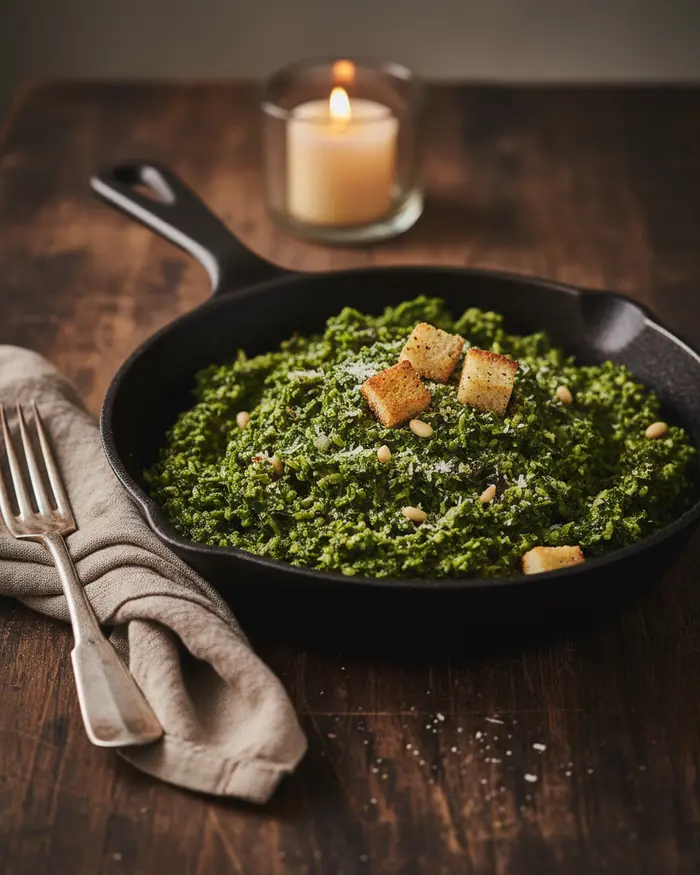
Zero waste cooking means making your sustainable pesto last as long as possible. This bright, flavorful condiment stores beautifully and actually tastes even better after a day in the fridge as the flavors meld together.
How to Serve
Toss Herb Stem Pesto: Waste Nothing Green with hot pasta and a splash of pasta water for an instant dinner. Spread it on sandwiches or crostini, swirl it into soups, or use it as a marinade for chicken or fish. It’s also incredible dolloped on roasted vegetables or scrambled eggs.
Refrigerator Storage
Transfer your pesto to an airtight container or clean glass jar with a tight-fitting lid. Smooth the top and pour a thin layer of olive oil over the surface to seal it from air exposure. Store in the refrigerator for up to one week. The olive oil layer prevents oxidation and keeps the color vibrant.
Freezer Storage
For longer storage, spoon your pesto into ice cube trays and freeze until solid, then pop the cubes into a freezer-safe bag or container. Each cube is about one tablespoon, perfect for portioning. Frozen vegetable stem pesto keeps for up to three months and thaws quickly at room temperature or in the microwave.
| Storage Method | Duration | Best Practices |
|---|---|---|
| Refrigerator | Up to 1 week | Top with olive oil layer, airtight container |
| Freezer (container) | Up to 3 months | Leave headspace for expansion, label with date |
| Freezer (ice cube trays) | Up to 3 months | Portion into cubes, transfer to freezer bag |
No-Waste Kitchen Magic
Once you start making kitchen scrap recipes, you see potential everywhere. Here are my favorite ways to extend the zero-waste magic beyond this pesto.
Save Parmesan Rinds
That hard Parmesan rind you used for grating cheese? Toss it into your next pot of soup or tomato sauce for incredible umami depth. It’s like a secret flavor bomb that slowly releases as it simmers, and you can fish it out before serving.
Freeze Leftover Herbs
If you have extra herb stems or leaves, chop them roughly and freeze in olive oil in ice cube trays. Pop these herb-oil cubes into sautés, soups, or scrambled eggs for instant fresh flavor without any waste.
Regrow Herb Stems
Some herb stems—like basil, cilantro, and mint—will actually root and regrow if you place them in a glass of water on a sunny windowsill. Change the water every few days, and you’ll have fresh herbs growing in a week or two.
Compost What You Can’t Use
Any truly woody stems or bits that are too tough for pesto can go straight into your compost bin. They’ll break down and feed your garden, completing the circle. If you don’t compost yet, check with your city—many offer curbside composting programs now.
Make Herb Stem Tea
Steep clean herb stems in hot water for a gentle, aromatic tea. Mint stems make a soothing digestive tea, while basil stems create a slightly spicy, warming brew. Add honey and lemon for extra comfort.
Frequently Asked Questions
Got questions about making Herb Stem Pesto: Waste Nothing Green? I’ve gathered the most common ones right here to help you feel confident and ready.
What herb stems can I use to make herb stem pesto?
You can use stems from most soft herbs including parsley, cilantro, basil, mint, and dill. Avoid woody stems from herbs like rosemary or thyme as they can be too tough and bitter for pesto.
How long does herb stem pesto last in the refrigerator?
Herb stem pesto will keep in an airtight container in the refrigerator for up to one week. For longer storage, you can freeze it in ice cube trays for up to three months.
Do I need to blanch the herb stems before making pesto?
Blanching is not necessary for most soft herb stems. However, blanching can help preserve the bright green color and mellow any bitterness if you are using particularly thick or mature stems.
What can I substitute for pine nuts in herb stem pesto?
You can substitute pine nuts with walnuts, almonds, cashews, sunflower seeds, or pumpkin seeds. Each will provide a slightly different flavor profile but will still create a delicious pesto.
How can I use herb stem pesto?
Herb stem pesto is versatile and can be used as a pasta sauce, spread on sandwiches or toast, stirred into soups, used as a marinade for meat or vegetables, or mixed into salad dressings.
Final Dish
Herb Stem Pesto: Waste Nothing Green is more than just a recipe—it’s a gentle rebellion against food waste and a celebration of resourcefulness. Every time you blend those stems into something beautiful and delicious, you’re honoring the full potential of your ingredients and connecting with generations of cooks who knew how to waste nothing.
This sustainable pesto has become one of my kitchen staples, a jar always waiting in my fridge to jazz up weeknight pasta or transform simple toast into something special. I hope it becomes a staple in your kitchen too. Make it your own, share it with people you love, and tag me in your photos—I truly love seeing how you make this recipe yours.
Drop a comment below and let me know what herb stems you used and how you served it!
For more kitchen scrap inspiration and cozy recipes, visit the Eden Plate blog anytime you need a little culinary comfort.
I’m Linda Sandra — a Charleston home chef and comfort-food daydreamer. Around here, cooking’s not about perfection — it’s about cozy vibes, creative twists, and food that feels like love.
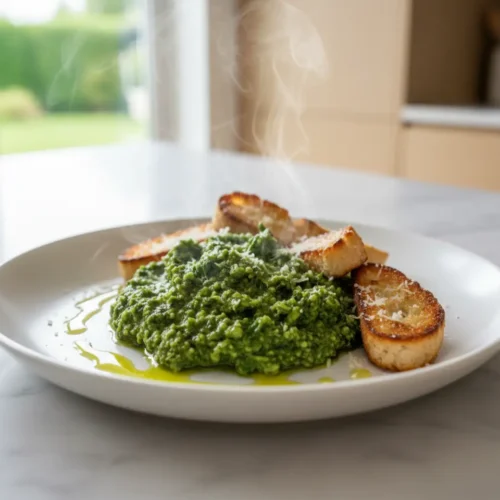
Herb Stem Pesto: Waste Nothing Green
Ingredients
- 2 cups herb stems such as parsley, cilantro, basil, or a mix – woody stems removed
- ½ cup extra virgin olive oil
- ¼ cup grated Parmesan cheese or nutritional yeast for a vegan option
- ¼ cup nuts or seeds pine nuts, walnuts, almonds, or pumpkin seeds
- 2 cloves garlic peeled
- 1-2 tablespoons fresh lemon juice
- Salt and freshly ground black pepper to taste
Instructions
- Thoroughly wash and dry your herb stems. Remove any overly tough or woody parts.
- In a food processor, combine the herb stems, olive oil, Parmesan cheese (or nutritional yeast), nuts/seeds, and garlic.
- Pulse until the mixture is finely chopped and well combined, but still has some texture. You may need to scrape down the sides of the bowl a few times.
- Add 1 tablespoon of lemon juice and pulse again. Taste and add salt, pepper, and additional lemon juice if desired.
- If the pesto is too thick, add a little more olive oil until it reaches your desired consistency.
- Transfer the pesto to an airtight container. It can be stored in the refrigerator for up to a week, or frozen for longer storage.