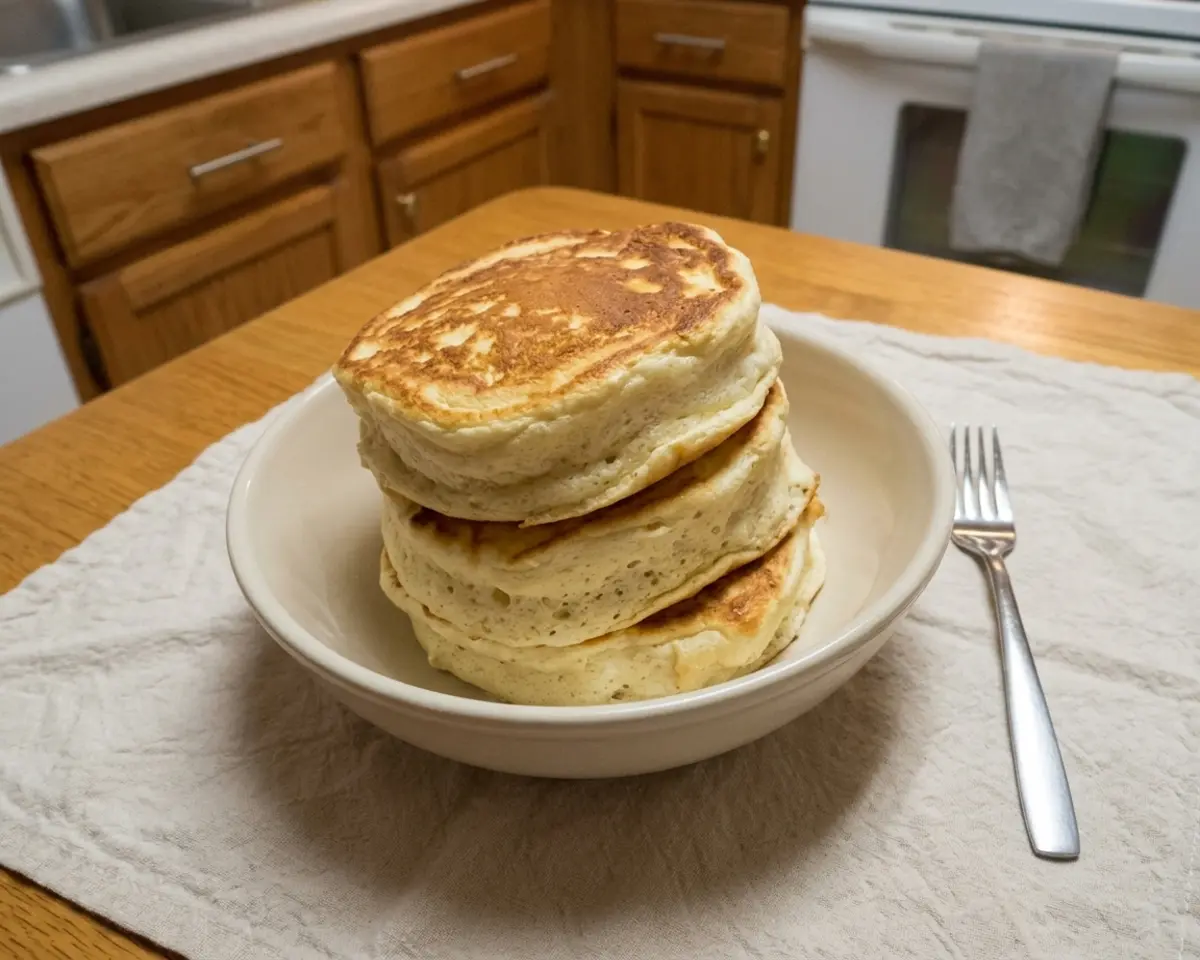
Fluffy Japanese Soufflé Pancakes
Fluffy Japanese soufflé pancakes are kind of like edible clouds — tall, wobbly, impossibly soft, and ridiculously fun to make. Okay, little confession: I’m Claire Whitmore, a home baker tucked away in Asheville, NC, who firmly believes frosting is a love language.
And these fluffy Japanese soufflé pancakes? They’re my weekend love letter to everyone who thinks breakfast should feel like a warm hug.
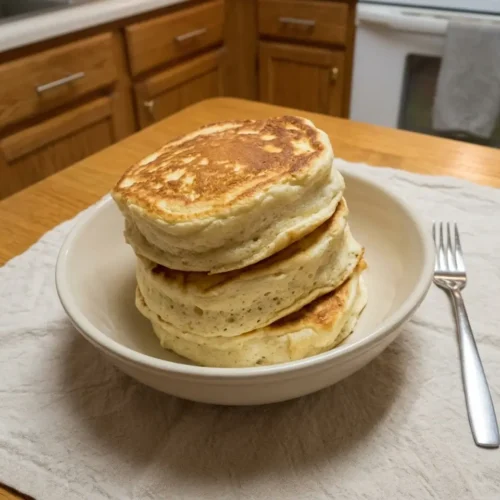
This japanese pancake recipe delivers pillowy, jiggly stacks made with just a handful of ingredients: eggs, milk, flour, baking powder, sugar, and cream of tartar. The secret is whipped meringue folded into a simple yolk batter, cooked low and slow under a lid until each pancake puffs up to about three inches tall.
Total time is around 30 minutes, difficulty is medium (mostly because folding meringue takes a gentle hand), and the payoff is a breakfast that looks bakery-fancy but feels wonderfully homemade. They’re perfect for lazy Sunday mornings, special-occasion brunches, or any day you want to make someone squeal with delight.
I first tried these at a tiny café during a rainy weekend trip, and I remember poking my fork into that wobbly tower and watching it spring back like a memory-foam mattress. My daughter spent the entire meal giggling at how tall hers was. I knew I had to figure out how to make them at home.
Table of Contents
In a Nutshell
Fluffy Japanese soufflé pancakes are ultra-airy, jiggly stacks made by folding glossy meringue into a tender yolk batter, then cooking them low and slow under a lid. They take about 30 minutes and require gentle folding, but the result is a three-inch-tall cloud of sweetness that tastes like vanilla custard met a pancake and decided to float.
Perfect for impressing brunch guests or treating yourself to something truly special.
Why This Deserves a Spot in Your Rotation ✨
- These souffle pancakes easy to fall in love with — they wobble, they jiggle, and they taste like the fluffiest vanilla dream you’ve ever had on a fork.
- You only need seven ingredients, most of which are already sitting in your fridge and pantry right now, so no special shopping trip required.
- They look wildly impressive stacked on a plate with a dusting of powdered sugar and a pat of melting butter, but the technique is totally doable once you get the hang of folding meringue.
- The folks at Serious Eats explain the science of pancake structure in their deep-dive on batter chemistry — and honestly, this recipe nails the balance between airy lift and tender crumb.
The Need-to-Know Details 📋
Before we dive in, here’s the lowdown on this fluffy japanese soufflé pancakes recipe.
- CourseBreakfast
- Total Time30 minutes
- Prep Time10 minutes
- Cook Time20 minutes
- Yield2 large pancakes
- DifficultyMedium
What You’ll Need (Ingredients)
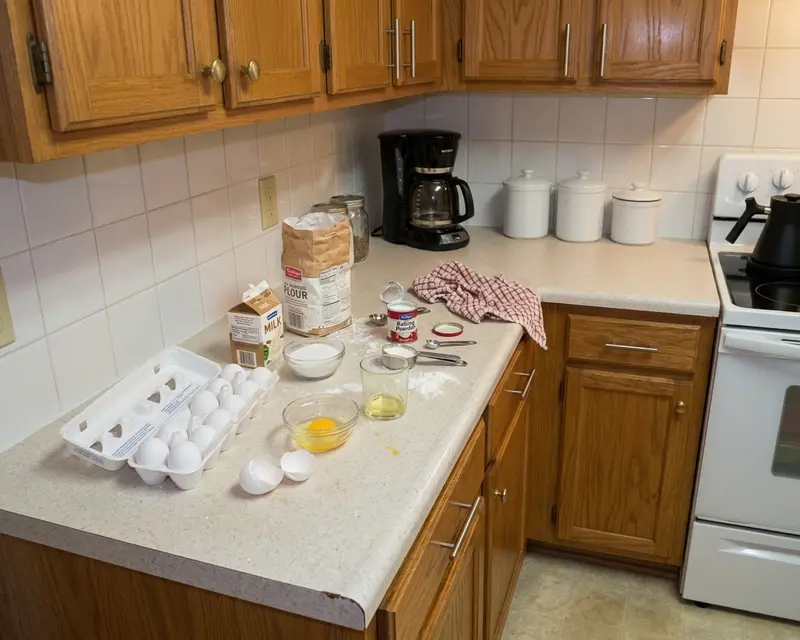
This homemade souffle pancakes recipe starts with a short list of pantry staples and a few fridge essentials. You’ll need one egg yolk and two large egg whites (separate them carefully — any yolk in the whites will ruin your meringue), granulated sugar for sweetness, whole milk for richness, all-purpose flour and baking powder for structure, and cream of tartar to stabilize those glossy peaks.
Everything should be at room temperature so the batter blends smoothly and the meringue whips up fast.
| Ingredient | Amount | Claire’s Note |
|---|---|---|
| Egg yolk | 1 (18g) | Save the extra whites for a second batch or meringue cookies. |
| Sugar (for yolk mixture) | 1 tbsp (12g) | Regular granulated works beautifully here. |
| Whole milk | 2 tbsp (30g) | Room temp helps it blend without lumps. |
| All-purpose flour | 3 tbsp (30g) | Sift it — every time — to keep these airy. |
| Baking powder | 1/4 tsp (1g) | Fresh powder gives you that extra lift. |
| Egg whites | 2 large (60g) | Cold whites whip faster, but room temp fold easier — your call. |
| Cream of tartar | 1/8 tsp (0.4g) | This is your meringue insurance policy. |
| Sugar (for meringue) | 1.5 tbsp (18g) | Add it gradually so the whites stay glossy and stable. |
Gear Check
- Two mixing bowls (one for yolks, one spotlessly clean for whites)
- Electric hand mixer or stand mixer
- Whisk and rubber spatula
- Fine-mesh sieve for sifting
- Large nonstick skillet with a tight-fitting lid
- Ice cream scoop or 1/4-cup measure
- Pastry brush and neutral oil
Optional but lovely: A crepe maker or electric griddle with a dome lid makes flipping easier, and a small offset spatula helps you peek under the pancakes without tearing them.
Nutrition at a Glance
Numbers aren’t everything, but here they are for the curious — because sometimes it’s nice to know what you’re diving into.
| Nutrient | Per Serving (1 pancake) |
|---|---|
| Calories | ~180 |
| Protein | 7g |
| Carbohydrates | 24g |
| Fat | 5g |
| Fiber | 0g |
| Sugar | 15g |
Values are approximate and will vary based on toppings and brands.
How to Make Fluffy Japanese Soufflé Pancakes (Step-by-Step Instructions)
Making fluffy Japanese soufflé pancakes is all about treating your meringue like the delicate treasure it is and cooking low and slow so the insides stay custardy while the outsides turn golden. The technique feels a little fussy the first time, but once you nail the folding motion, it becomes pure magic. Let’s walk through it together.
Prep the Yolk Base
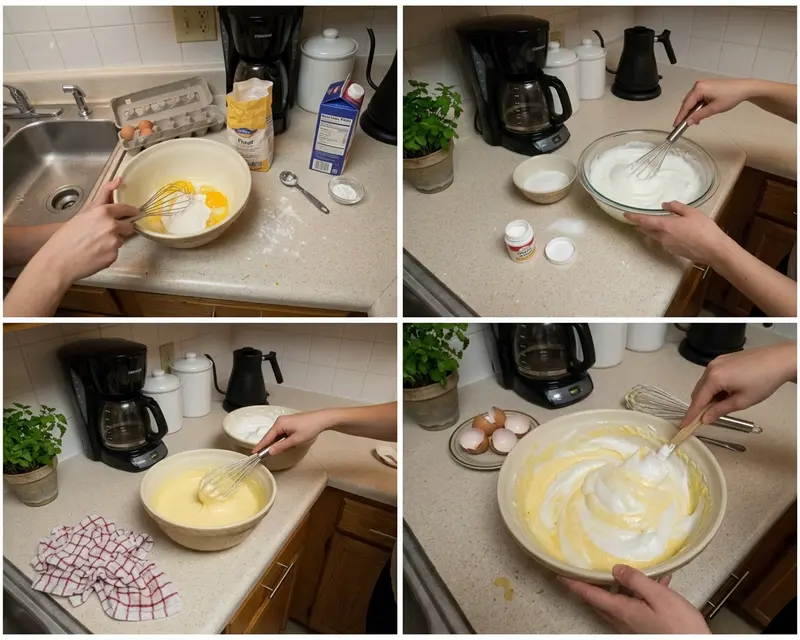
- Whisk the yolk and sugar: In a medium bowl, whisk 1 egg yolk with 1 tablespoon of sugar until the mixture turns pale yellow and slightly frothy, about 1 minute. You want it to look like soft buttercream.
- Add the milk: Pour in 2 tablespoons of whole milk in two additions, whisking after each, until the mixture is smooth and silky. This gradual method prevents the yolk from scrambling.
- Fold in the dry ingredients: Sift 3 tablespoons of all-purpose flour and 1/4 teaspoon of baking powder directly over the yolk mixture. Whisk gently but thoroughly until no streaks of flour remain and the batter is thick and glossy. Set aside.
Whip the Meringue
- Start the whites: In a spotlessly clean bowl (any grease or yolk will wreck the peaks), combine 2 large egg whites and 1/8 teaspoon of cream of tartar. Beat on medium speed until the whites turn frothy and pale, about 1 minute. You’ll see tiny bubbles forming all over.
- Add sugar gradually: With the mixer still running, sprinkle in 1.5 tablespoons of sugar a little at a time, beating for about 30 seconds after each addition. Continue whipping on medium-high until the meringue is thick, glossy, and holds stiff peaks that stand straight up when you lift the beaters. Be careful not to overwhip or it will turn grainy and dry.
Fold and Combine
- Lighten the yolk batter: Scoop about 1/3 of the whipped meringue into the bowl with the yolk mixture. Whisk briskly until the meringue is completely incorporated and the batter loosens up. This first addition sacrifices some air to make the rest of the folding easier.
- Add half the remaining meringue: Scrape half of what’s left in the meringue bowl into the yolk batter. Use a whisk or spatula to gently fold it in, cutting down through the center and sweeping up the sides, rotating the bowl as you go. Stop as soon as you see just a few white streaks — you want to keep as much air as possible.
- Final fold: Transfer the yolk mixture into the bowl with the remaining meringue (yes, you’re moving it now so you don’t deflate the last of the whites). Use a rubber spatula to fold everything together with slow, confident strokes until the batter is pale yellow, fluffy, and no white streaks remain. It should look like thick, cloudlike mousse.
Cook Low and Slow
- Prep the pan: Heat a large nonstick skillet over the lowest heat setting your stove offers. Very lightly brush the surface with a neutral oil (like vegetable or canola), then use a paper towel to rub it around so you have the barest film. Too much oil will cause the pancakes to fry instead of steam.
- Scoop the batter: Using an ice cream scoop or a 1/4-cup measure, gently scoop the batter onto the pan, plopping it in a tall mound. Unless your pan is huge, make only one or two pancakes at a time so they have room to spread and you can cover them with a lid without squashing the tops.
- First cook: Cover the pan with a tight-fitting lid and cook for 4 to 5 minutes without peeking. The steam trapped inside will help the pancakes puff up like little soufflés. You’ll see the edges start to set and turn matte.
- Add more batter: Lift the lid and gently spoon a bit more batter on top of each pancake to build height. Cover again and cook for another 4 to 5 minutes. The bottoms should be golden and release easily when you slide a spatula underneath — if they stick, give them another minute.
- Flip carefully: If you have any batter left, pile it on top of the pancakes now (this is your last chance to go tall). Use a wide spatula to flip each pancake in one confident motion, then cover and cook for 5 to 6 minutes more. The pancakes will puff up even higher as the second side cooks, and the whole stack will feel springy and light when you gently press the top.
- Check for doneness: The pancakes are ready when they’re golden all over, feel firm but jiggly when you tap them, and a toothpick inserted into the center comes out clean or with just a few moist crumbs. Slide them onto a plate and serve immediately.
Serve and Enjoy
- Top and dig in: Dust the pancakes with powdered sugar, add a pat of butter on top so it melts down the sides, and drizzle with maple syrup or honey. A dollop of whipped cream or fresh berries on the side is lovely too. These are best eaten right away while they’re still wobbly and warm — the texture changes as they cool.
Claire’s Kitchen Secrets (Pro Tips)
Once you’ve made these asian fluffy pancakes a few times, you’ll find your own rhythm with the folding and flipping. But here are the tricks I’ve picked up along the way that make the whole process smoother and a lot more forgiving.
Room temperature eggs whip faster and fold easier. If yours are cold, set them in a bowl of warm water for five minutes before you start. Cold whites take longer to reach stiff peaks, and a cold yolk can seize up when you add the milk.
Sift the flour every single time. I know it feels like an extra step, but lumps are the enemy of fluffy. A fine-mesh sieve takes ten seconds and makes a huge difference in the final texture.
Don’t skip the cream of tartar. It’s the insurance policy that keeps your meringue stable while you fold and cook. If you absolutely don’t have any, a tiny squeeze of lemon juice works in a pinch, but the cream of tartar is more reliable.
Cook on the absolute lowest heat. I learned this the hard way after burning the bottoms while the insides stayed raw. Low and slow is the only way to get that custardy center and golden exterior at the same time. If your stove runs hot, use a heat diffuser or an electric griddle set to 250°F.
Make the batter just before you cook. Meringue starts to deflate the moment you stop whipping, so don’t let it sit around. Mix, scoop, and get those pancakes on the heat within a couple of minutes for maximum puff.
For more insight on gentle folding techniques and why they matter, check out King Arthur Baking’s guide to folding delicate batters — it’s a game-changer for soufflés, angel food cakes, and these beauties.
Help! My Fluffy Japanese Soufflé Pancakes … (Troubleshooting)
Why did my pancakes deflate as soon as I took the lid off? Your meringue was either underwhipped or you over-folded the batter and knocked out too much air. Make sure the whites reach stiff, glossy peaks before you fold, and use a gentle hand when combining — a few white streaks are fine. Also, keep that lid on until the very last second before flipping.
Why are the bottoms burning while the insides stay gooey? Your heat is too high. These need the lowest flame or setting your stove offers, plus a lid to trap steam and cook the tops evenly. If your burner runs hot, try a heat diffuser or switch to an electric griddle you can dial down to 250°F.
Why won’t my egg whites whip into stiff peaks? Even a tiny speck of yolk or grease in the bowl will prevent the whites from whipping. Wash your bowl and beaters with hot soapy water, dry them completely, and separate the eggs carefully. Also make sure your cream of tartar is fresh — old leavening agents lose their punch.
Why did my batter turn runny after I folded everything together? You probably folded too long or too vigorously, which deflated the meringue. Fold just until you don’t see big white streaks, then stop — the batter should look thick and mousselike, not thin and pourable. Next time, fold in thirds and use slow, confident strokes instead of stirring.
Why are my pancakes lopsided and weird-shaped? You might be scooping onto a pan that’s too hot, or your batter is deflating before you get it into the skillet. Make sure the pan is barely warm when you add the batter, scoop it into tall mounds, and work quickly. Also, if your pan isn’t level, the batter will spread unevenly — check that your stove grates are flat.
Mix It Up (Variations)
Once you’ve nailed the basic how to make japanese souffle pancakes technique, there are so many fun ways to play with flavor and presentation.
Fall / Winter twist: Add 1/2 teaspoon of cinnamon and a pinch of nutmeg to the yolk batter, then serve with warm spiced apple compote and a drizzle of salted caramel. It tastes like autumn in a stack.
Spring / Summer vibe: Fold a few fresh blueberries or diced strawberries into the batter right before cooking, and top with lemon curd and whipped cream. Light, fruity, and perfect for a Mother’s Day brunch.
Gluten-free route: Swap the all-purpose flour for a 1-to-1 gluten-free baking blend that includes xanthan gum. The texture will be slightly denser, but still wonderfully fluffy — just be extra gentle when folding so the batter doesn’t get gummy.
Vegan version: This one’s tricky because meringue is the star, but aquafaba (the liquid from a can of chickpeas) whips up into stiff peaks just like egg whites. Use 3 tablespoons of aquafaba in place of the egg whites, and replace the yolk with 2 tablespoons of a plant-based egg replacer mixed with the milk. The flavor will be a bit different, but the fluff is still there.
Cozy casual presentation: Serve them stacked on a plain white plate with a pat of butter, a dusting of powdered sugar, and warm maple syrup — simple, homey, and exactly what Sunday mornings are for.
Party-ready presentation: Stack them on a pretty pedestal, dust with matcha powder or cocoa, add fresh berries, a swirl of whipped cream, and edible flowers. They look like something out of a Tokyo café and will have everyone reaching for their phones.
Serving Ideas, Storage & Reheating
These fluffy pancakes from scratch are all about the moment — they’re at their wobbly, jiggly best straight off the griddle. Serve them with classic toppings like butter, maple syrup, and powdered sugar, or go full café-style with whipped cream, fresh fruit, and a drizzle of honey or chocolate sauce. A side of crispy bacon or sausage adds a nice salty contrast.
They pair beautifully with soul-warming Japanese pancakes if you want to offer a thicker, more traditional stack alongside these airy clouds.
Storage is tricky because soufflé pancakes deflate as they cool — they’re really meant to be enjoyed fresh. If you absolutely have to save leftovers, let them cool completely, then wrap each pancake individually in plastic wrap and store in an airtight container in the fridge for up to one day. They’ll lose most of their signature fluff, but the flavor is still sweet and custardy.
To reheat, warm them gently in a low oven (around 300°F) for 5 to 7 minutes, or pop them in the microwave for 20 to 30 seconds. They won’t spring back to their original height, but they’ll still taste lovely. Honestly though, leftovers are almost never an issue — these disappear faster than you can say “one more bite.”
Storage & Reheating
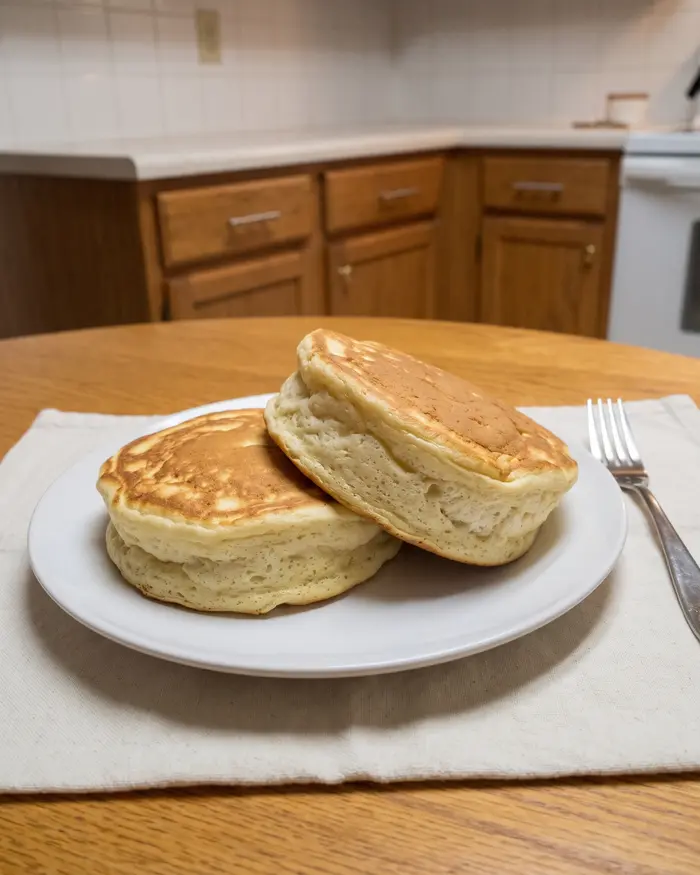
As I mentioned, these japanese pancake recipe beauties are best eaten right away while they’re still tall and jiggly. But if you do have any left (rare in my house), let them cool completely on a wire rack so condensation doesn’t make them soggy.
Wrap each pancake individually in plastic wrap or parchment, then tuck them into an airtight container and refrigerate for up to one day. They’ll flatten as they sit, but the flavor stays sweet and the texture remains tender, just not as airy.
To reheat, place them on a microwave-safe plate and warm for 20 to 30 seconds, or arrange them on a baking sheet and warm in a 300°F oven for about 5 minutes. Don’t expect them to puff back up — think of them as fluffy pancake cousins instead of full soufflés. I don’t recommend freezing these since the meringue structure breaks down and they turn dense and rubbery.
Zero-Waste Wins
Extra egg yolk? Whisk it into scrambled eggs, brush it on pastry for a glossy finish, or stir it into a mug of hot chocolate for extra richness.
Leftover pancakes (if that ever happens)? Cube them and toss them into a bread pudding with cream, cinnamon, and raisins — the custardy texture is perfect for soaking up all that goodness.
Deflated batter that didn’t make it to the pan? Pour it into a buttered ramekin, bake at 350°F for about 15 minutes, and you’ve got a little soufflé cup cake for a solo treat.
Unused milk or cream? Freeze it in ice cube trays and toss the cubes into coffee, smoothies, or your next batch of pancake batter.
Frequently Asked Questions (FAQs)
Here are the questions I hear most often about making these fluffy, jiggly stacks at home — plus the reassuring answers you need to feel confident in the kitchen.
What makes Japanese soufflé pancakes different from regular pancakes?
Japanese soufflé pancakes are made by whipping egg whites into stiff peaks and folding them into the batter, creating an extremely light, airy, and fluffy texture. They are much thicker and taller than traditional pancakes, with a delicate, almost cloud-like consistency that jiggles when moved.
Why do my Japanese soufflé pancakes deflate after cooking?
Japanese soufflé pancakes deflate when they cool down too quickly or when the egg whites were not whipped properly. To minimize deflation, ensure egg whites are beaten to stiff peaks, fold them gently into the batter, cook on low heat with a lid to steam them through, and serve immediately while still warm.
How long does it take to cook Japanese soufflé pancakes?
Japanese soufflé pancakes take approximately 6 to 8 minutes per side on very low heat. The key is to cook them slowly and gently, often covering the pan with a lid to help steam and cook the thick batter all the way through without burning the outside.
Can I make Japanese soufflé pancakes without ring molds?
While ring molds help maintain the tall, uniform shape of Japanese soufflé pancakes, you can make them without molds by carefully spooning the batter into tall mounds on the pan. The batter is thick enough to hold its shape reasonably well, though the results may be less perfectly round and slightly shorter.
What is the best way to serve Japanese soufflé pancakes?
Japanese soufflé pancakes are best served immediately after cooking while they are still warm and at their fluffiest. Common toppings include butter, maple syrup, powdered sugar, fresh berries, whipped cream, or a dusting of matcha powder. Keep toppings light to not compress the delicate texture.
One Last Crumb
So there you have it — fluffy Japanese soufflé pancakes that are equal parts breakfast, science experiment, and pure joy on a plate. They’re a little fussy, sure, but the payoff is so worth it when you see those tall, jiggly stacks wobbling their way to the table and everyone’s eyes go wide.
If you’re looking for more pancake inspiration, try my blueberry lemon cream cheese pancakes for a fruity twist, or browse my full collection of pancakes and waffles for everything from classic buttermilk to inventive sourdough versions. And if you’re into airy, delicate treats, don’t miss my air fryer Japanese cheesecake — same cloud-like magic, different sweet ending.
Whip up these fluffy Japanese soufflé pancakes this weekend, snap a photo of your tallest stack, and tell me in the comments what you topped yours with. Half my favorite pancake ideas came from readers like you, and I can’t wait to hear what you dream up. Happy flipping!
I’m Claire Whitmore — a dessert daydreamer from Asheville, NC. For me, baking isn’t about perfect pastries — it’s about the joy of sharing something sweet (and maybe sneaking an extra scoop of icing).
Fluffy Japanese Soufflé Pancakes
Ingredients
Egg Yolk Batter
- 1 egg yolk 18g
- 1 tbsp sugar 12g
- 2 tbsp milk 30g
- 3 tbsp flour 30g
- ¼ tsp baking powder 1g
Meringue
- 2 large egg whites 60g
- ⅛ tsp cream of tartar 0.4g
- 1.5 tbsp sugar 18g
Instructions
- Whisk the egg yolk with 1 tablespoon of sugar until pale and frothy. Mix the milk in batches. Sift the flour and baking powder over the yolk mixture and whisk well making sure everything is incorporated.
- Whip the egg whites with the cream of tartar until frothy and pale, adding in the sugar in bit at a time until the whites are whipped into a glossy thick meringue that holds a peak. Be careful not to over whip.
- Take 1/3 of the whipped egg whites and whisk it into the bowl with the yolks until completely incorporated. Add half of the remaining whites and whisk into the yolk batter, being careful not to deflate.
- Transfer the egg yolk mixture to the remaining egg whites, whisk and then use a spatula to fold together.
- Heat up a large non stick frying pan (with a lid) over low heat. Very lightly brush with oil and use a paper towel to rub it around. You want a very light film.
- Using an ice cream scoop or measuring cup, scoop the batter onto the pan. Unless you have a very large pan with a lid, it’s probably best to make these two or even one to a pan.
- Scoop the batter onto the pan, cover and cook for 4-5 minutes. If you have a crepe maker or griddle with a lid that will cover the entire thing without touching the pancakes, use that on the lowest setting.
- Remove the lid and add some more batter on top of each pancake. Cover and continue to cook for 4-5 more minutes. Lift the lid and use a spatula to gently peek under the pancake.
- The pancake should release easily – don’t force it.
- If you still have any batter left, pile it on top of the pancakes and then gently flip. Cover and cook for 5-6 minutes. The pancakes will grow even taller and fluffier when they’re done.
- Once the pancakes are golden and cooked through, gently remove and serve on a plate with powdered sugar, butter, whipped cream, and maple syrup. Enjoy immediately!