Easy Ricotta Cavatelli Recipe
I’m Linda Sandra — a Charleston home chef who believes pasta should feel like a warm hug, not a culinary exam. This ricotta cavatelli recipe is proof that homemade pasta doesn’t require a degree from culinary school or hours of arm workout.
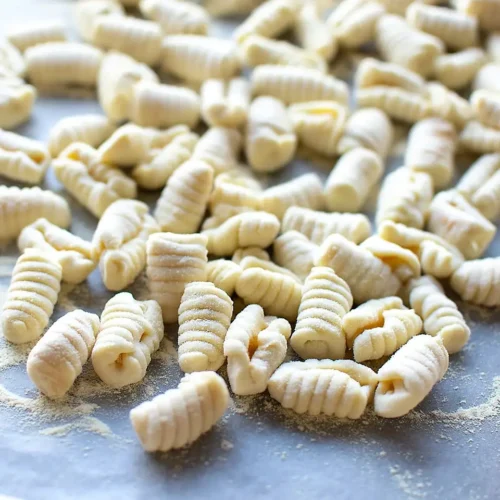
These little pasta pillows are tender, cloud-like, and surprisingly forgiving. The ricotta makes them soft and delicate, while the ridges catch every bit of sauce. Plus, you don’t need a pasta machine or any fancy equipment — just your hands, a fork, and a little patience.
I first made these on a rainy Sunday when I wanted something cozy but didn’t want to leave the house. Turns out, homemade ricotta cavatelli became my new comfort food obsession, and now I make them whenever I need a little kitchen therapy.
Table of Contents
Little Snapshot: What This Recipe Delivers
This ricotta cavatelli pasta gives you tender, pillowy handmade pasta in about 90 minutes (including resting time). With just five simple ingredients — ricotta cheese, 00 flour, egg, water, and salt — you’ll create restaurant-quality pasta at home that’s perfect with any sauce you love.
Why You’ll Love This Recipe 🌸
- This ricotta cavatelli recipe requires no pasta machine — just a fork or gnocchi board and your hands.
- The ricotta makes these pasta pillows incredibly soft and tender, so even if you’re new to pasta-making, they’ll turn out beautifully.
- You can make them ahead and freeze them, which means homemade pasta on a weeknight is totally doable.
- According to King Arthur Baking’s guide to homemade pasta, fresh pasta is one of those simple pleasures that transforms an ordinary meal — and this recipe proves exactly why.
Quick Facts ⚡
Here’s the quick scoop on this ricotta cavatelli.
- CourseMain Dish
- Prep Time60 minutes (including draining time)
- Cook Time5 minutes
- Total Time1 hour 35 minutes
- Servings6 servings
- DifficultyMedium
Nutritional Peek
Here’s what you’re getting in each serving of this homemade ricotta cavatelli — because sometimes it’s nice to know, even when we’re treating ourselves.
| Nutrient | Amount per Serving |
|---|---|
| Calories | 320 kcal |
| Protein | 13g |
| Carbohydrates | 56g |
| Fat | 5g |
| Fiber | 2g |
| Sugar | 1g |
Ingredients
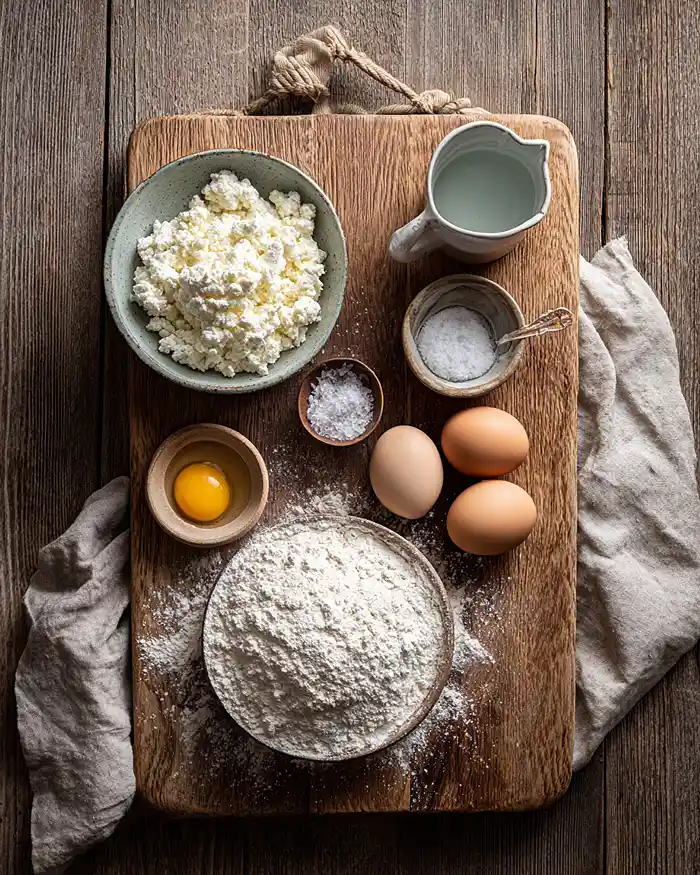
For this ricotta cavatelli recipe, you’ll need just a handful of simple ingredients that work together beautifully. The ricotta cheese and egg create the tender, creamy base — make sure your ricotta is well-drained and your egg is room temperature for the smoothest dough.
The 00 flour gives you that silky pasta texture, while the water helps bring everything together into a workable dough.
| Amount | Ingredient |
|---|---|
| 15 ounces (425 grams) | ricotta cheese (see note below about draining) |
| 3½ cups (420 grams) | 00 flour |
| 1 | egg |
| ¼ cup (60ml) | water |
| 1 teaspoon | salt |
Note on ricotta: You’ll need to drain your ricotta for 1–4 hours before making the dough. This step is non-negotiable — wet ricotta makes sticky, unworkable dough. Plan ahead and drain it in the fridge while you go about your day.
Tools You’ll Actually Use
- Fine mesh strainer
- Cheesecloth or paper towels
- Large mixing bowl
- Wooden spoon or sturdy spatula
- Plastic wrap
- Gnocchi board or fork
- Two large baking sheets
- Parchment paper
- Fine semolina or extra flour for dusting
- Large pot for boiling
- Slotted spoon
Step-by-Step Instructions
Let’s make some ricotta cavatelli that’ll make you wonder why you ever bought the boxed stuff.
Step 1: Drain the ricotta cheese. Line a fine mesh strainer with cheesecloth or paper towels and set it over a bowl, making sure the bottom of the strainer sits at least 1 inch above the bottom of the bowl.
Spoon the 15 ounces of ricotta cheese into the lined strainer, cover loosely with plastic wrap, and refrigerate for 1–4 hours until the cheese is crumbly and has released most of its liquid. This draining step is crucial — skip it and you’ll have sticky dough nightmares.
Step 2: Prepare the dough. In a large bowl, combine the drained ricotta and egg, stirring until well mixed. Add the 3½ cups of 00 flour and 1 teaspoon of salt, then stir with a wooden spoon or sturdy spatula while drizzling in the ¼ cup of water until the dough comes together.
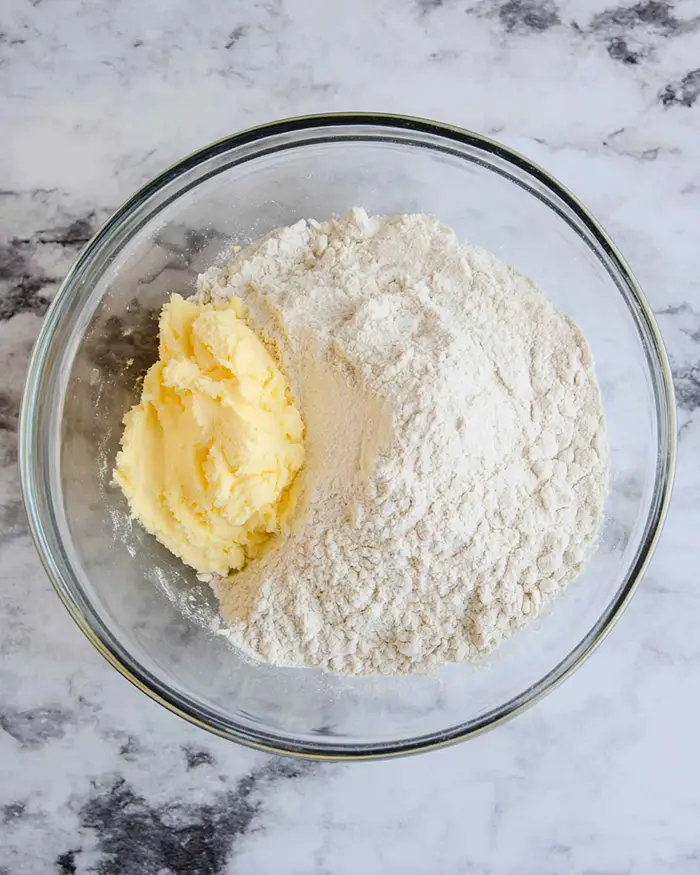
If your pasta dough feels too wet, knead in a little more flour; if it’s too dry, drizzle in a bit more water.
Step 3: Knead and rest. Knead the ricotta-flour mixture gently just until it forms a soft, cohesive dough — don’t overwork it like bread dough. It doesn’t need to be perfectly smooth.
Cover with plastic wrap and let it rest at room temperature for 30 minutes. Meanwhile, line two large baking sheets with parchment paper and dust them with fine semolina or flour.
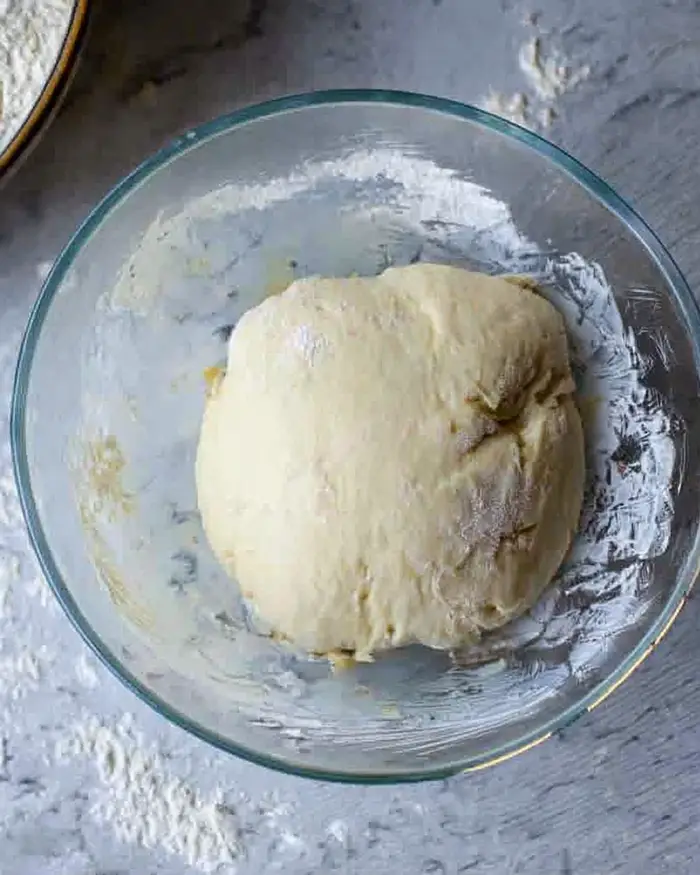
Step 4: Shape the cavatelli. After 30 minutes, take a small portion of dough (about the size of a lemon) and rewrap the rest to keep it from drying out. Roll the dough portion into a long rope about ½ inch (1 cm) in diameter — you can cut it in half and keep rolling if that’s easier.
Cut the rope into ¾-inch to 1-inch (2–2.5 cm) pieces. Try not to flour your work surface too much or the dough won’t roll properly.
Step 5: Create the signature ridges. Using a gnocchi board or the tines of a fork, press two fingers firmly onto each piece of dough and drag it toward you, creating a curl and an indentation.
The ridges help sauce cling to the pasta. If the dough sticks, use a tiny dusting of flour or fine semolina. Place each finished ricotta cavatelli on the prepared baking sheets in a single layer, making sure they don’t touch.
Step 6: Continue shaping. Keep forming cavatelli until you’ve used all the dough. This is a great time to put on a podcast or rope the kids into helping — little hands love this part.
Step 7: Cook the cavatelli. Bring a large pot of water to a rolling boil and add a couple of tablespoons of salt. Cook the homemade ricotta cavatelli in batches so you don’t overcrowd the pot.
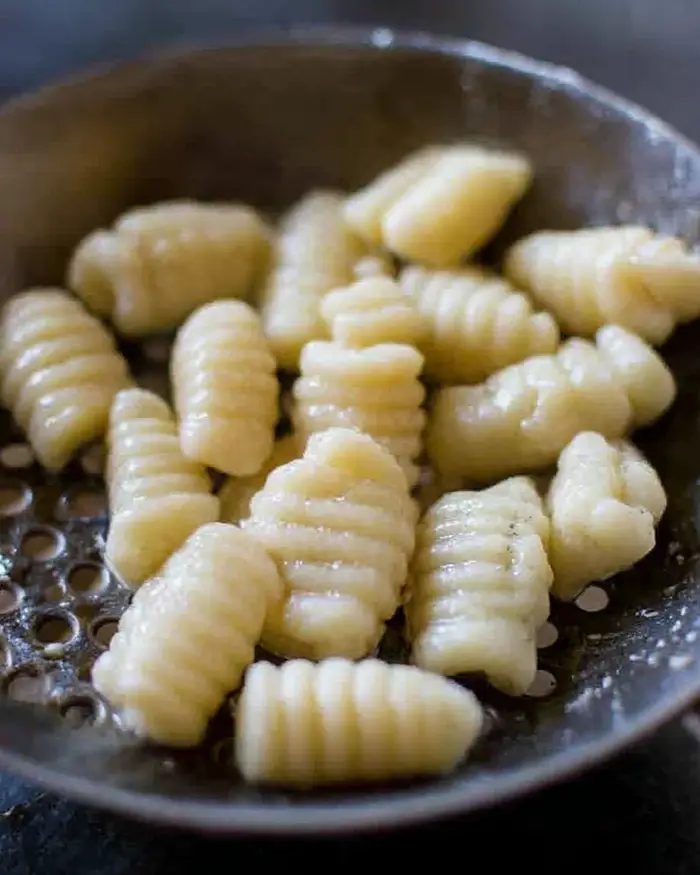
When the pasta floats to the top (usually 2–3 minutes), it’s ready. Scoop them out with a slotted spoon and transfer to a large serving bowl, tossing with your favorite pasta sauce as you go.
If this recipe made your day, you’re in for a treat. The full Classic Comfort Foods guide is filled with tried-and-true favorites that real home cooks swear by. Trust me, you won’t be able to pick just one.
Pro Tips & Gentle Guidance
These little tricks will help your ricotta cavatelli recipe turn out perfect every time, whether it’s your first batch or your fiftieth.
Don’t skip the draining step. Wet ricotta equals sticky, frustrating dough. Set a timer and let it drain while you do other things — future you will be grateful.
Keep the unused dough covered. Pasta dough dries out fast, which makes it crack when you try to roll it. Keep the portion you’re not working with wrapped in plastic wrap.
Use a light touch when shaping. You’re not trying to flatten the dough, just create ridges. Press firmly but gently as you drag the dough toward you — it should curl naturally.
Freeze extras before cooking. If you’re making a big batch, freeze the shaped ricotta cavatelli on the baking sheet until solid, then transfer to a freezer bag. Cook from frozen and add an extra minute or two to the cooking time.
If you’re new to shaping pasta by hand, Serious Eats has a detailed guide on pasta shaping techniques that breaks down the process beautifully.
Quick Fixes for Ricotta Cavatelli
Dough too sticky: You probably didn’t drain the ricotta long enough, or your kitchen is humid. Knead in extra flour, one tablespoon at a time, until the dough is workable but still soft.
Dough too dry and crumbly: Add water, one teaspoon at a time, and knead until the dough comes together. It should feel soft and slightly tacky, not wet.
Cavatelli won’t hold their shape: The dough might be too warm. Pop it in the fridge for 10 minutes to firm up, then try again. Also make sure you’re pressing firmly enough to create the curl.
Pasta sticking together on the baking sheet: You need more semolina or flour on the parchment paper. Dust generously and make sure each piece has space around it.
Variations & Adaptations
This homemade ricotta cavatelli recipe is wonderfully flexible once you’ve mastered the basic technique.
Herbed cavatelli: Knead in 2 tablespoons of finely chopped fresh herbs like basil, parsley, or thyme for a pop of flavor and color.
Gluten-free version: Swap the 00 flour for a good-quality gluten-free flour blend designed for pasta. You might need to adjust the water slightly.
Spinach cavatelli: Mix in ½ cup of cooked, squeezed-dry, and finely chopped spinach with the ricotta for gorgeous green pasta.
Whole wheat cavatelli: Replace half the 00 flour with whole wheat flour for a nuttier, heartier pasta. You may need a splash more water.
Serving, Storage & Reheating
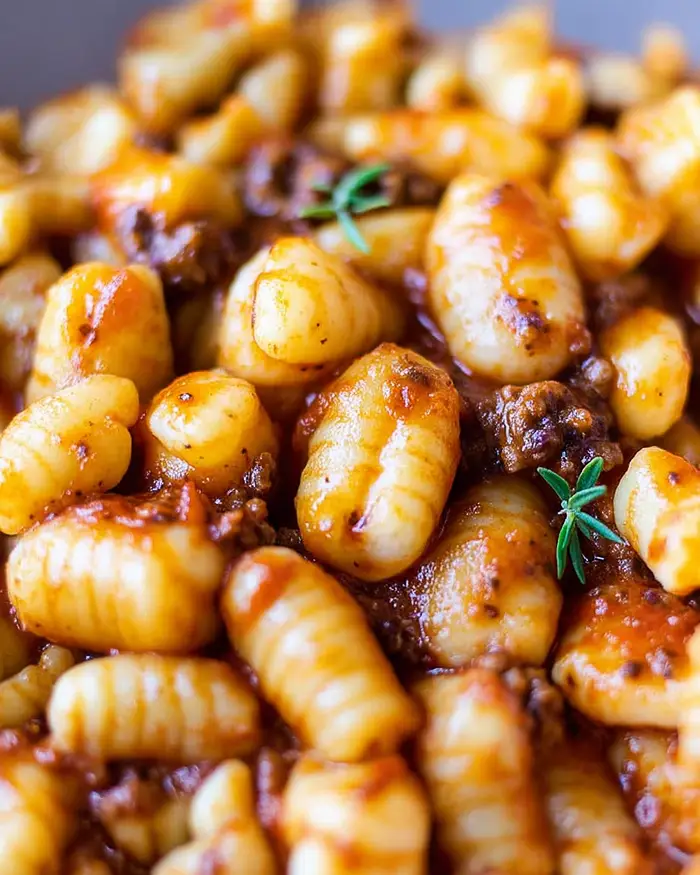
This ricotta cavatelli pasta is incredibly versatile and pairs beautifully with everything from simple butter and sage to rich tomato sauce or pesto.
I love tossing it with brown butter, crispy sage, and parmesan, or serving it with a light tomato basil sauce that lets the pasta’s delicate flavor shine. You could also try it with this pepper jelly cheese dip on the side for a fun appetizer spread.
Store uncooked ricotta cavatelli in the refrigerator for up to 2 days on the baking sheet (covered with plastic wrap), or freeze them for up to 3 months. Once frozen solid on the baking sheet, transfer to a freezer bag to save space.
Leftover cooked cavatelli can be stored in an airtight container in the fridge for 2–3 days. Reheat gently in a pan with a splash of water or extra sauce over medium heat, or microwave in 30-second bursts until warmed through.
No-Waste Kitchen Magic
Got leftover ricotta cavatelli that’s been cooked and is starting to dry out? Don’t toss it! Turn it into a pasta bake by tossing it with marinara sauce, mozzarella, and parmesan, then baking at 375°F until bubbly and golden.
If your shaped cavatelli cracked or didn’t turn out perfectly, don’t waste them. Cook them anyway — they’ll still taste delicious even if they’re not Instagram-perfect.
Use that drained ricotta liquid (the whey) in smoothies, bread dough, or pancake batter for extra protein and creaminess.
Ricotta Cavatelli FAQs
Can I freeze ricotta cavatelli before cooking?
Absolutely! Freeze the shaped cavatelli on the baking sheet until solid, then transfer to a freezer bag. Cook them straight from frozen — just add an extra minute or two to the cooking time.
What’s the best way to store homemade ricotta cavatelli?
Uncooked cavatelli can be refrigerated for up to 2 days on a parchment-lined baking sheet, covered with plastic wrap. For longer storage, freeze them for up to 3 months.
How do I know when ricotta cavatelli is done cooking?
Your ricotta cavatelli is ready when it floats to the top of the boiling water, which usually takes 2–3 minutes. If you’re cooking from frozen, give them an extra minute and taste one to check for doneness.
Why should I use 00 flour in ricotta cavatelli?
00 flour is finely milled and creates that silky, tender texture you expect from Italian pasta. If you can’t find it, all-purpose flour works too, though the texture will be slightly less delicate.
So There You Go — Ricotta Cavatelli That Feels Fancy But Is Secretly Doable
I’d love to see your spin on this ricotta cavatelli recipe! Drop a comment below with your ricotta cavatelli photos or tell me what sauce you paired it with — I’m always looking for new flavor combinations.
Whether you make them for a cozy Sunday dinner or freeze a batch for easy weeknight meals, these little pasta pillows are about to become your new favorite kitchen project.
And if you’re looking for something refreshing to sip while you cook, try this tropical blueberry smash mocktail, or save room for dessert with this fun watermelon fruit pizza.
I’m Linda Sandra — a Charleston home chef and comfort-food daydreamer. Around here, cooking’s not about perfection — it’s about cozy vibes, creative twists, and food that feels like love.
Ricotta Cavatelli
Equipment
- Fine-mesh strainer
- Cheesecloth or paper towels
- Large mixing bowl
- Wooden spoon or sturdy spatula
- Plastic wrap
- Gnocchi board or fork
- Two large baking sheets
- Parchment paper
- Large pot for boiling
- Slotted spoon
Ingredients
- 15 ounces ricotta cheese 425 grams, needs draining for 1-4 hours
- 3½ cups 00 flour 420 grams
- 1 egg
- ¼ cup water 60ml
- 1 teaspoon salt
- fine semolina or extra flour for dusting
- 2 tablespoons salt for pasta water
Instructions
- Line a fine mesh strainer with cheesecloth or paper towels and set it over a bowl, making sure the bottom of the strainer sits at least 1 inch above the bottom of the bowl. Spoon the 15 ounces of ricotta cheese into the lined strainer, cover loosely with plastic wrap, and refrigerate for 1–4 hours until the cheese is crumbly and has released most of its liquid.
- In a large bowl, combine the drained ricotta and egg, stirring until well mixed. Add the 3½ cups of 00 flour and 1 teaspoon of salt, then stir with a wooden spoon or sturdy spatula while drizzling in the ¼ cup of water until the dough comes together. If your pasta dough feels too wet, knead in a little more flour; if it’s too dry, drizzle in a bit more water.
- Knead the ricotta-flour mixture gently just until it forms a soft, cohesive dough — don’t overwork it like bread dough. Cover with plastic wrap and let it rest at room temperature for 30 minutes. Meanwhile, line two large baking sheets with parchment paper and dust them with fine semolina or flour.
- After 30 minutes, take a small portion of dough (about the size of a lemon) and rewrap the rest to keep it from drying out. Roll the dough portion into a long rope about ½ inch (1 cm) in diameter — you can cut it in half and keep rolling if that’s easier. Cut the rope into ¾-inch to 1-inch (2–2.5 cm) pieces.
- Using a gnocchi board or the tines of a fork, press two fingers firmly onto each piece of dough and drag it toward you, creating a curl and an indentation. If the dough sticks, use a tiny dusting of flour or fine semolina. Place each finished ricotta cavatelli on the prepared baking sheets in a single layer, making sure they don’t touch.
- Keep forming cavatelli until you’ve used all the dough.
- Bring a large pot of water to a rolling boil and add a couple of tablespoons of salt. Cook the ricotta cavatelli in batches so you don’t overcrowd the pot. When the pasta floats to the top (usually 2–3 minutes), it’s ready. Scoop them out with a slotted spoon and transfer to a large serving bowl, tossing with your favorite pasta sauce as you go.