Easy Authentic Cacio e Pepe
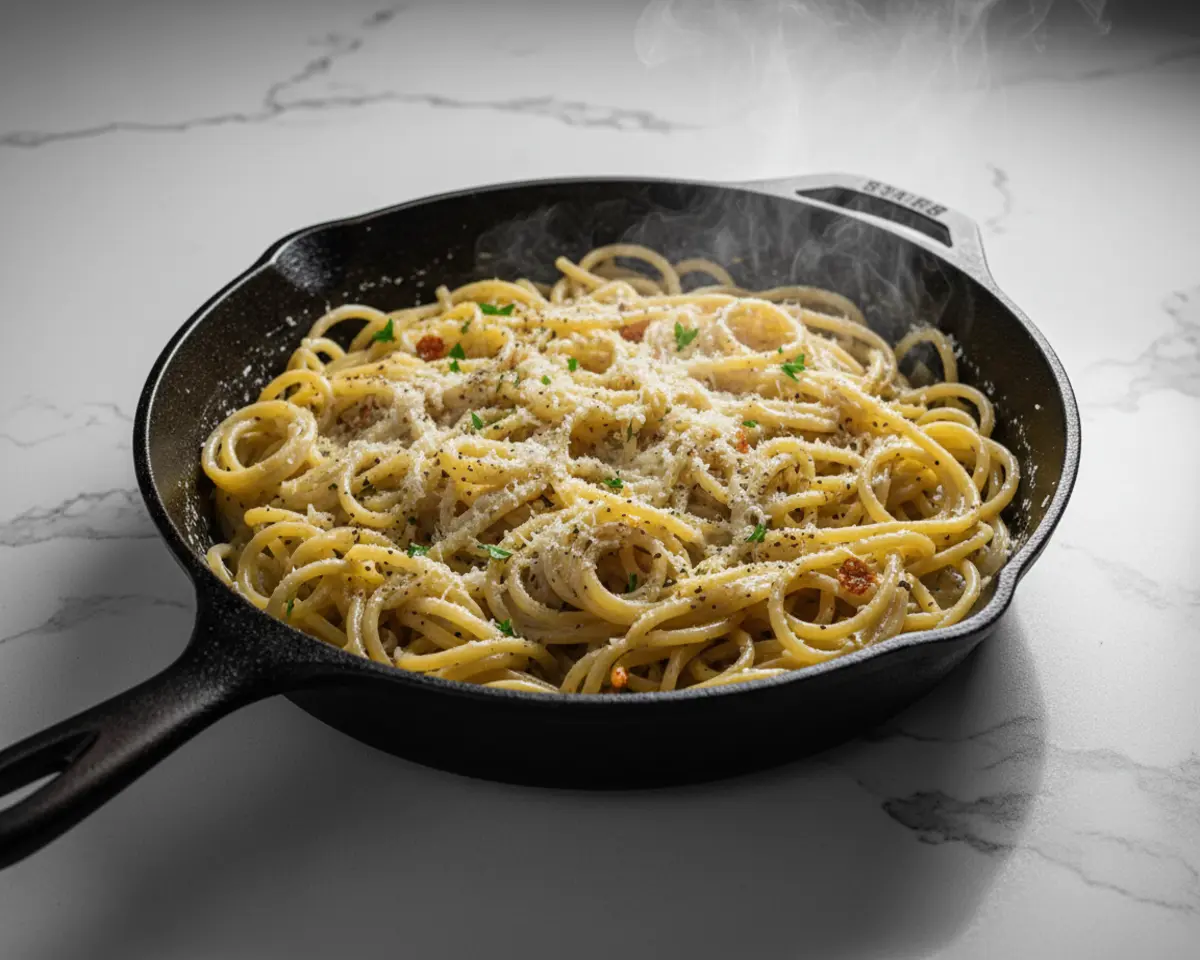
This cacio e pepe recipe brings the magic of authentic Roman pasta right to your Charleston kitchen with just three ingredients: pasta, pecorino romano, and black pepper. You’ll learn how to create that silky, emulsified sauce that makes this simple pasta recipe a timeless classic.
I’m Linda Sandra, and let me tell you — the first time I tasted real cacio e pepe in a tiny Roman trattoria, I nearly cried. It was so simple, yet so impossibly creamy and perfect. When I came home to Charleston, I knew I had to master this Roman pasta dish in my own cozy kitchen.
I’ll be honest: my first few attempts were clumpy disasters. But once I learned the rhythm of adding pasta water and tossing constantly, everything clicked. Now it’s my go-to weeknight dinner when I want something that tastes fancy but comes together in the time it takes to boil noodles.
Table of Contents
Quick Overview
Little Snapshot: What This Recipe Delivers
This cacio e pepe recipe transforms three humble ingredients into a creamy, peppery Roman pasta masterpiece in under 20 minutes. You’ll master the art of emulsifying cheese and pasta water into a silky sauce that clings to every strand of tonnarelli or spaghetti.
Why You’ll Love This Recipe 🌸
- This authentic cacio e pepe takes less time than ordering takeout and costs about three dollars per serving.
- You only need three real ingredients — perfect for those nights when your pantry looks sad but you still want something soul-warming.
- Once you nail the technique, you’ll feel like an Italian nonna who can whip up magic with pasta water and cheese.
- According to Serious Eats, the key to perfect cacio e pepe is emulsification through constant motion — and this recipe proves exactly why.
Quick Facts ⚡
Here’s the quick scoop on this cacio e pepe.
- CourseMain Dish
- Prep Time5 minutes
- Cook Time12 minutes
- Total Time17 minutes
- Servings2 servings
- DifficultyMedium
Nutritional Peek
| Nutrient | Amount per serving |
|---|---|
| Calories | 520 kcal |
| Protein | 24g |
| Carbohydrates | 72g |
| Fat | 14g |
| Fiber | 3g |
| Sugar | 2g |
What You’ll Need
You don’t need fancy equipment to make this Roman pasta dish — just a few kitchen basics and a willingness to toss like your life depends on it.
- Large pot for boiling pasta
- Large non-stick pan or skillet
- Kitchen tongs for tossing
- Measuring cups
- Microplane or fine grater for cheese
- Heat-safe bowl or mug for reserved pasta water
Ingredients
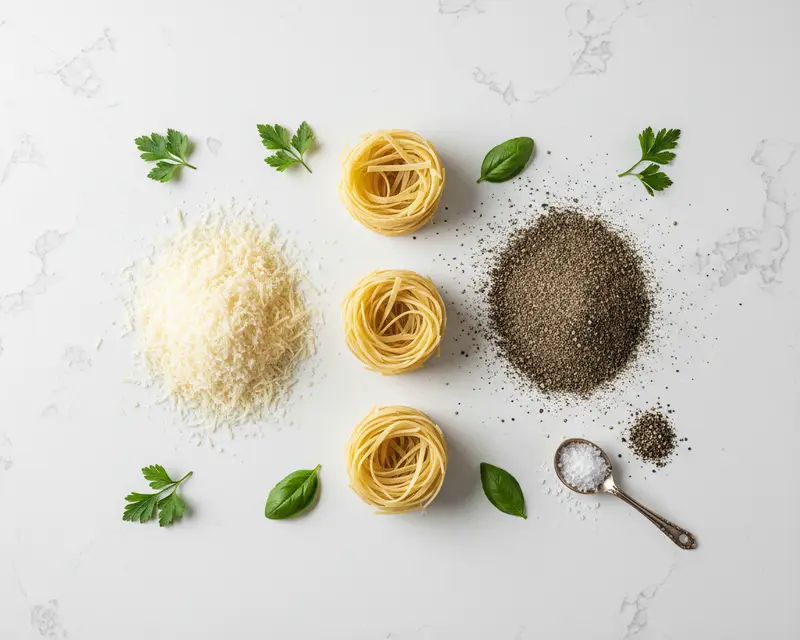
This authentic cacio e pepe proves that Italian cooking is about quality over quantity. When you’re working with just three ingredients, each one needs to shine — so grab the best pecorino romano you can find and freshly crack that black pepper. I promise the flavor difference is worth every penny.
| Group | Ingredient | Amount | Notes |
|---|---|---|---|
| Pasta | Tonnarelli or spaghetti | 200g | Tonnarelli is traditional, but spaghetti works beautifully too |
| Cheese | Pecorino Romano cheese, finely grated | 150g | Must be freshly grated — the pre-grated stuff won’t melt right |
| Spice | Freshly ground black pepper | 1-2 tsp | Coarsely ground for maximum flavor and texture |
| Water | Salt for pasta water | To taste | Make it taste like the sea — seriously salty |
Step-by-Step Instructions
Let’s make this happen. Cacio e pepe is all about timing and motion, so read through these steps once before you start cooking.
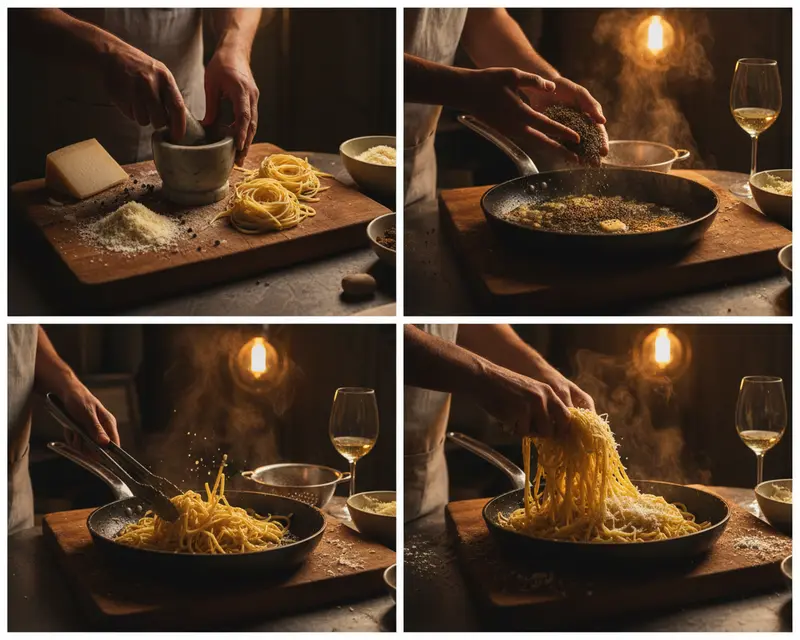
Bring a large pot of heavily salted water to a rolling boil over high heat. The water should taste almost as salty as the ocean — this seasons your pasta from the inside out. Add the tonnarelli or spaghetti and cook according to package directions until al dente, usually about 8-10 minutes.
Before draining, scoop out about 1.5 cups of that starchy, golden pasta water and set it aside in a heat-safe bowl.
While your pasta bubbles away, grab a large non-stick pan and add the freshly ground black pepper. Toast it over medium heat for about 1-2 minutes, shaking the pan gently, until the pepper becomes deeply fragrant and you can smell that warm, spicy aroma filling your kitchen. This step wakes up the essential oils in the pepper and makes all the difference.
Pour about 1 cup of your reserved pasta water into the pan with the toasted pepper. The water will sizzle and steam as it hits the hot pan. Bring this peppery water to a gentle simmer, swirling the pan to distribute the pepper evenly throughout the liquid.
Using tongs, transfer the cooked pasta directly from the pot into the pan with the pepper water — don’t worry if a little extra water comes along for the ride. Lower the heat to low or even turn it off completely. The residual heat will be enough for what comes next.
Now comes the magic moment. Start adding the finely grated pecorino romano cheese in three or four additions, tossing continuously with your tongs in a circular motion. Add a splash of pasta water (about a tablespoon at a time) whenever the mixture looks dry or the cheese starts to clump.
The constant tossing and gradual water addition helps the cheese emulsify into a creamy sauce rather than turning into stringy clumps.
Keep tossing and adding tiny splashes of pasta water until the sauce becomes glossy, creamy, and coats every strand of pasta like a silky blanket. The pasta should glisten and move fluidly in the pan. Taste and add more black pepper if you want extra spice — but skip additional salt since the pecorino romano and pasta water provide plenty of saltiness.
Serve immediately in warm bowls, garnished with extra grated pecorino romano and a generous crack of black pepper on top. Cacio e pepe waits for no one — the sauce will thicken as it cools, so dig in right away while it’s at its creamiest.
Pro Tips & Gentle Guidance
Mastering authentic cacio e pepe is like learning to ride a bike — a little wobbly at first, but once you get it, you’ll never forget. These tips will help you avoid the common pitfalls that turn silky sauce into sad, clumpy cheese.
Use a non-stick pan or well-seasoned cast iron for this recipe. Stainless steel can cause the cheese to stick and seize up, making it harder to achieve that dreamy emulsification. The smoother your pan surface, the easier your tossing life will be.
Temperature control is everything when working with cheese. If your pan is too hot, the pecorino will seize into rubbery strings instead of melting into sauce. Turn the heat to low or off completely before adding cheese, and let the residual heat and pasta water do the work.
Always grate your pecorino romano fresh using a microplane or the finest side of your box grater. Pre-grated cheese contains anti-caking agents that prevent proper melting and emulsification. I know it’s an extra step, but it’s the difference between clumpy disappointment and creamy perfection.
Save more pasta water than you think you’ll need. According to Bon Appétit’s guide to pasta water, that starchy liquid is the secret weapon that helps fat and water bind together into silky sauce. I usually reserve at least 1.5 cups, even though I might only use one cup.
The tossing motion matters more than you’d think. Use a lifting, circular motion with your tongs rather than just stirring. This incorporates air and helps create that luxurious, emulsified texture that makes restaurant-quality cacio e pepe so special.
Timing is crucial, so have everything ready before you drain your pasta. Grate your cheese, toast your pepper, and clear your workspace. Once the pasta is cooked, you’ll be moving quickly, and there’s no time to hunt for your grater or measuring cups.
Variations & Adaptations
While purists might clutch their pearls, there are ways to adapt this simple pasta recipe to your needs and tastes. Just remember — once you add extras, you’re creating something inspired by cacio e pepe rather than the traditional version.
For a protein boost, toss in some cooked chicken, crispy pancetta, or even lump crabmeat right before serving. Just keep the add-ins simple so they don’t compete with the peppery cheese sauce. If you love creamy pasta, check out this creamy tomato garlic pasta for another quick weeknight option.
Can’t find pecorino romano? You can use Parmigiano-Reggiano instead, though the flavor will be milder and less sharp. Some cooks even do a 50-50 blend of both cheeses for a more balanced, less aggressive flavor profile.
For a gluten-free version, use your favorite gluten-free pasta and make sure to save extra pasta water — gluten-free noodles often release less starch, so you might need to add a pinch of cornstarch whisked into the pasta water to help with emulsification.
Add a handful of fresh baby spinach or arugula during the final tossing stage for a pop of color and nutrition. The greens will wilt gently in the residual heat and add a fresh counterpoint to the rich, cheesy sauce.
Turn this into a one-pot meal by adding roasted vegetables like cherry tomatoes, zucchini, or mushrooms. Just keep the portions modest so you don’t overwhelm the delicate cacio e pepe flavors.
Quick Fixes for Cacio e Pepe
Problem: My cheese turned into clumps instead of creamy sauce. Your pan was too hot or you added the cheese too quickly. Next time, turn off the heat completely before adding cheese and sprinkle it in gradually while tossing constantly. If it’s already clumpy, add a few tablespoons of warm pasta water and toss vigorously over very low heat until it smooths out.
Problem: The sauce is too thick and pasty. You need more pasta water to loosen things up. Add it one tablespoon at a time while tossing continuously until the sauce reaches that glossy, flowing consistency. The sauce should coat the pasta but still move freely in the pan.
Problem: The sauce is too thin and watery. You added too much pasta water or didn’t use enough cheese. Let the pasta sit in the pan for 30 seconds without tossing to allow some water to absorb, or sprinkle in a bit more grated pecorino while tossing to thicken the sauce.
Problem: My pasta water wasn’t salty enough. Undersalted pasta tastes bland no matter how good your sauce is. If you’re already done cooking, you can’t fix the pasta itself, but you can be generous with freshly cracked black pepper and extra pecorino on top to boost the flavor.
Problem: The pepper tastes bitter or burnt. You toasted it too long or at too high heat. Black pepper can go from fragrant to acrid quickly. Toast it just until you smell that warm spice aroma, usually 1-2 minutes max, and watch it carefully.
Storage & Reheating
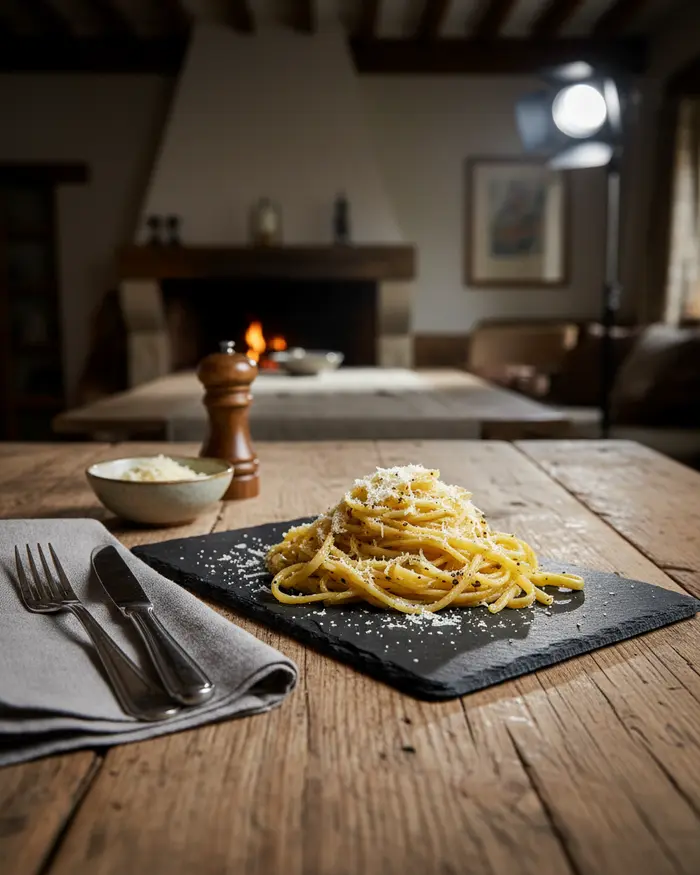
This simple pasta recipe is absolutely best enjoyed fresh from the pan while the sauce is silky and hot. That said, life happens, and sometimes you need to save leftovers — here’s how to handle your pecorino romano pasta with care.
Store leftover cacio e pepe in an airtight container in the refrigerator for up to 2 days. The sauce will thicken and dry out as it sits, but you can revive it with a splash of water or milk when reheating. I don’t recommend freezing this dish — the cheese sauce separates and becomes grainy when thawed.
To reheat, add the pasta to a pan over low heat with 2-3 tablespoons of water, milk, or even a splash of cream. Toss gently until warmed through and the sauce loosens up. You can also microwave in 30-second intervals, stirring between each, and adding liquid as needed to restore creaminess.
| Storage Method | Duration | Best Practices |
|---|---|---|
| Room Temperature | Up to 2 hours | Keep covered if serving family-style |
| Refrigerator | 2 days | Store in airtight container |
| Freezer | Not recommended | Sauce separates and texture suffers |
Pro Tips & Gentle Guidance
Want to serve this Roman pasta dish at a dinner party? Make the pasta ahead up to the point of adding cheese, then refrigerate. When guests arrive, reheat gently with a splash of water and proceed with the cheese-adding step for fresh, creamy results.
No-Waste Kitchen Magic
Leftover cacio e pepe that’s too dried out to reheat properly makes an incredible base for a frittata. Beat a few eggs, mix in the pasta, and bake in a greased pan at 350°F until set. You’ll have a crispy, cheesy pasta cake that’s perfect for breakfast or lunch.
That wedge of pecorino romano isn’t just for pasta. Save the rind and toss it into soups, stews, or tomato sauce while they simmer — it adds incredible depth and umami. Just fish it out before serving, like you would a bay leaf.
If you over-toasted your pepper and it tastes bitter, don’t toss it. Mix it with olive oil, garlic powder, and herbs to create a bold spice rub for grilled chicken or roasted vegetables. Waste not, want not!
Use any leftover pasta water to thin out sauces, water plants (once cooled), or even add to bread dough for extra flavor and a better rise. That starchy water is liquid gold in the kitchen.
Turn leftover cacio e pepe into crispy pasta cakes by forming portions into patties and pan-frying them in a little olive oil until golden and crunchy on the outside. Serve with a simple arugula salad for a whole new meal.
Frequently Asked Questions
Here are answers to the most common questions home cooks ask about making perfect cacio e pepe.
What is Cacio e Pepe?
Cacio e Pepe is a traditional Roman pasta dish made with just three main ingredients: pasta, Pecorino Romano cheese, and black pepper. The name literally translates to cheese and pepper in Italian.
What type of pasta is best for Cacio e Pepe?
Tonnarelli or spaghetti are the most traditional choices for Cacio e Pepe. Tonnarelli is a square-shaped spaghetti that holds the sauce well, while regular spaghetti is more widely available and also works excellently.
Why does my Cacio e Pepe sauce become clumpy?
The sauce becomes clumpy when the cheese is added to pasta that is too hot, causing it to seize and clump rather than melt smoothly. To avoid this, let the pasta cool slightly, add some starchy pasta water to temper the temperature, and toss vigorously while adding the cheese gradually.
Can I use Parmesan instead of Pecorino Romano?
While Pecorino Romano is the traditional and authentic choice for Cacio e Pepe, you can use Parmesan as a substitute. However, the flavor will be milder and less sharp, as Pecorino has a more intense, salty, and tangy taste that is characteristic of the dish.
How much pasta water should I save for Cacio e Pepe?
You should reserve at least one to two cups of pasta cooking water before draining. The starchy water is essential for creating the creamy sauce, as it helps emulsify the cheese and pepper into a smooth coating. Add it gradually, a few tablespoons at a time, until you reach the desired consistency.
Final Dish
There’s something deeply satisfying about making cacio e pepe — turning just three humble ingredients into something so creamy and soul-satisfying feels like actual kitchen magic. This Roman pasta dish reminds me that the best cooking isn’t always about fancy techniques or expensive ingredients, but about understanding how simple things work together.
Whether you nail it on your first try or need a few practice rounds to get that silky emulsification just right, I hope this recipe brings some cozy Italian comfort to your table. The beauty of simple pasta recipes like this one is that even the imperfect attempts taste pretty darn delicious.
If you loved this, you might also enjoy my easy lemon garlic chicken pasta or this indulgent high-protein cottage cheese alfredo pasta for nights when you want something a little more substantial. Both are just as cozy and comforting as this authentic cacio e pepe.
Drop a comment below and let me know how your cacio e pepe turned out — and if you have any questions, I’m always here to help troubleshoot. Happy cooking, friend!
I’m Linda Sandra — a Charleston home chef and comfort-food daydreamer. Around here, cooking’s not about perfection — it’s about cozy vibes, creative twists, and food that feels like love.
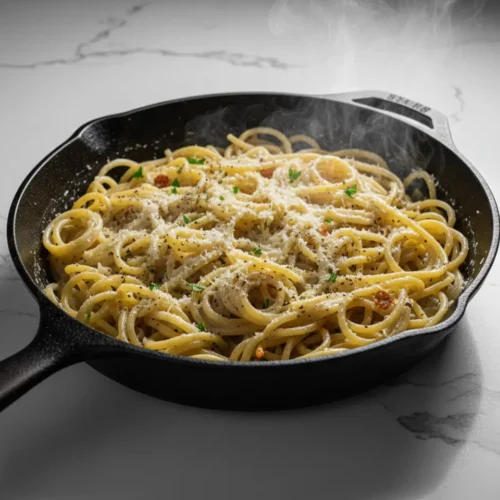
Cacio e Pepe
Ingredients
- 200 g tonnarelli or spaghetti
- 150 g Pecorino Romano cheese finely grated
- 1-2 tsp freshly ground black pepper to taste
- Salt for pasta water
Instructions
- Bring a large pot of heavily salted water to a boil. Add the tonnarelli or spaghetti and cook according to package directions until al dente. Reserve about 1.5 cups of the starchy pasta water before draining the pasta.
- In a large pan (preferably non-stick), toast the freshly ground black pepper over medium heat for about 1-2 minutes until fragrant. This releases its aroma and flavor.
- Add about 1 cup of the reserved pasta water to the pan with the pepper. Bring to a simmer.
- Add the cooked pasta directly to the pan with the pepper water. Lower the heat to low.
- Gradually add the finely grated Pecorino Romano cheese to the pasta, tossing continuously with tongs. Add a splash more pasta water as needed, a tablespoon at a time, to create a creamy sauce. The key is to keep tossing and adding water until the sauce is emulsified and smooth, not clumpy.
- Continue to toss until the cheese has melted and coated the pasta in a rich, creamy sauce. Taste and adjust seasoning with more black pepper if desired. No additional salt should be needed due to the Pecorino Romano and salted pasta water.
- Serve immediately, garnished with extra Pecorino Romano and black pepper.