Beef, Steak & Roast Recipes
Your complete resource for mastering every cut of beef, from tender steaks to slow-roasted masterpieces that fill your kitchen with mouthwatering aromas.
Your complete resource for mastering every cut of beef, from tender steaks to slow-roasted masterpieces that fill your kitchen with mouthwatering aromas.
Table of Contents
I still remember the first time I perfectly seared a ribeye in my cast-iron skillet. The sizzle as it hit the pan, that golden-brown crust forming, the buttery richness filling the kitchen. It wasn’t just dinner – it was a moment of pure cooking joy that made me fall in love with preparing beef.
Whether you’re grilling your first burger or mastering a standing rib roast for the holidays, understanding beef opens up a world of incredible meals. From quick weeknight steaks to Sunday pot roasts that simmer all afternoon, these recipes bring comfort, celebration, and serious flavor to your table.
After years of testing techniques and exploring different cuts, I’ve learned that great beef cooking isn’t about fancy equipment or expensive ingredients. It’s about understanding heat, timing, and how each cut wants to be treated. Let me share everything I’ve discovered about creating beef dishes that’ll have everyone asking for seconds.
The Quick Guide
Here’s what you need to know about cooking incredible beef, steak, and roast recipes at home:
- Know Your Cuts: Different cuts require different cooking methods – tender steaks love high heat, tough roasts need low and slow
- Temperature Matters: Use a meat thermometer for perfect doneness every single time
- Rest Your Meat: Always let beef rest 5-15 minutes after cooking to redistribute juices
- Season Generously: Salt enhances beef’s natural flavor – don’t be shy
- Start Simple: Master basic techniques before attempting complex preparations
Understanding Beef Cooking
Beef cooking divides into two main approaches based on the cut you’re working with. Tender cuts from less-used muscles cook quickly over high heat, while tougher, more flavorful cuts need time and moisture to become melt-in-your-mouth tender.
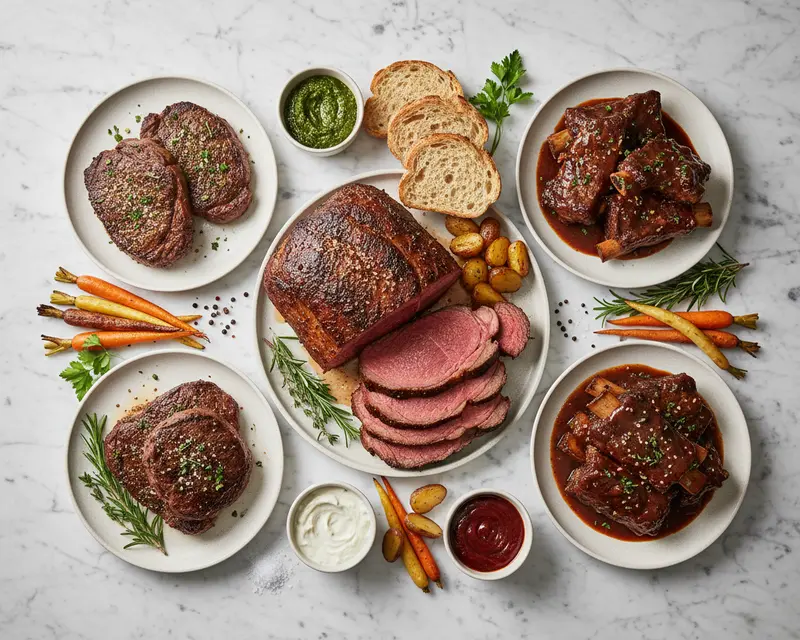
The beauty of beef recipes is their incredible versatility. You can have a perfectly cooked steak on the table in fifteen minutes, or spend a lazy Sunday afternoon tending a roast that fills your home with the most incredible aroma. Both approaches deliver that satisfying, protein-rich comfort we crave.
Learning to cook beef well means understanding marbling, connective tissue, and how heat transforms muscle fibers. It sounds scientific, but once you grasp these basics, you’ll instinctively know how to treat any cut that comes your way.
Ground Beef Burgers
Nothing beats a juicy, perfectly seasoned burger hot off the grill or griddle. Our ground beef burger collection covers everything from classic backyard burgers to gourmet creations with creative toppings and flavor combinations that’ll transform your burger nights.
Hearty Beef Recipes
When you need comfort in a bowl or on a plate, these substantial beef dishes deliver. Explore our hearty beef recipe collection for warming stews, satisfying casseroles, and one-pot wonders that make weeknight cooking easier while filling your kitchen with incredible aromas.
Roasts Ribs
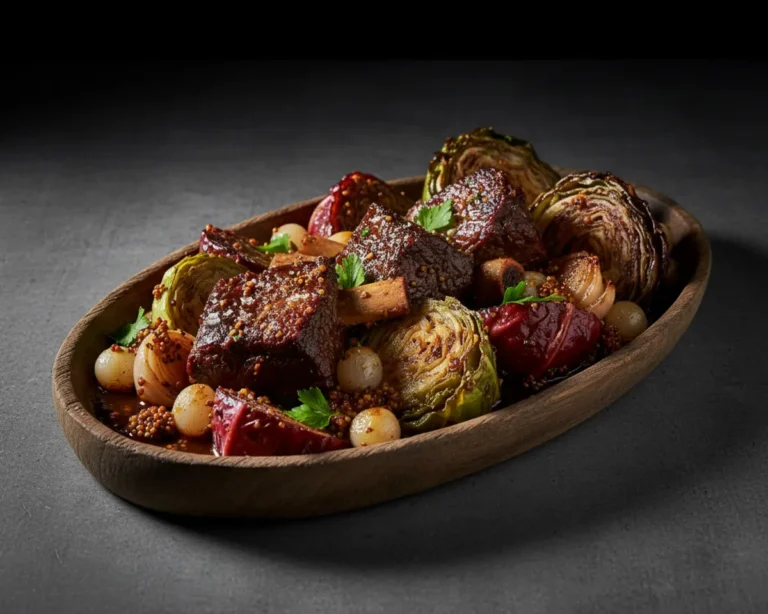
Low and slow transforms tough cuts into fork-tender masterpieces worth the wait. Check out our roasts and ribs collection for show-stopping centerpieces perfect for Sunday dinners, holiday gatherings, and any time you want to create something truly special.
Steaks Chops
Quick-cooking cuts deliver restaurant-quality results right in your home kitchen. Browse our steaks and chops collection for perfectly seared ribeyes, tender filets, and flavorful chops that cook in minutes but taste like you spent hours in the kitchen.
Expert Category Guide
Mastering beef recipes means understanding the techniques, ingredients, and timing that transform raw meat into incredible meals. Let’s break down everything you need to become confident with every cut.
Essential Techniques
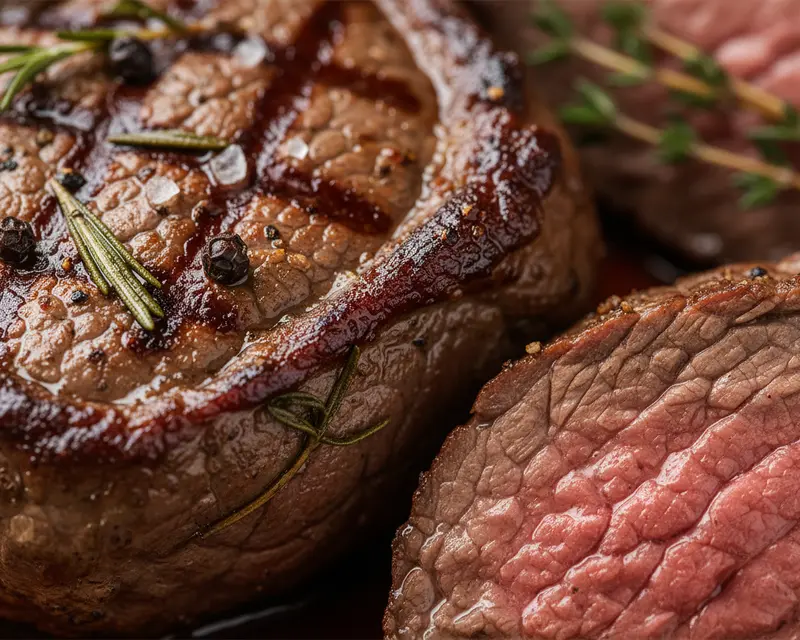
Searing creates that gorgeous crust everyone loves. Heat your pan until it’s smoking hot, pat your meat completely dry, and don’t move it until a deep brown crust forms. This Maillard reaction adds incredible depth of flavor.
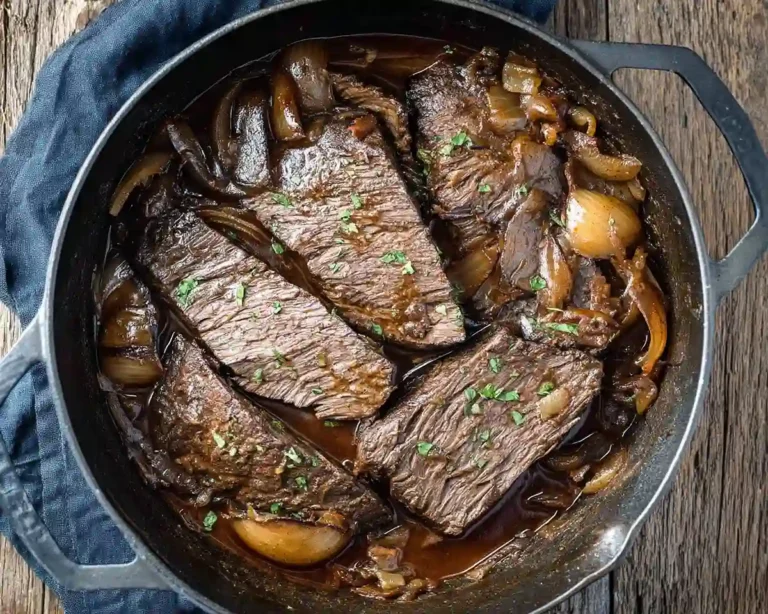
Braising turns tough cuts tender by cooking them slowly in liquid. Brown the meat first, add aromatics and liquid, then cover and cook low until fork-tender. This method works magic on chuck roasts, short ribs, and brisket.
Reverse searing gives you edge-to-edge perfect doneness on thick steaks. Cook low in the oven until nearly done, then sear hard in a scorching pan. You get a perfect crust without overcooking the interior.
Ingredient Spotlight
Marbling makes the difference between good and great beef. Those white fat streaks throughout the meat melt during cooking, keeping everything juicy and adding rich flavor. Look for good marbling in steaks you plan to grill or pan-sear.
Salt is your best friend when cooking beef. Generous seasoning at least 40 minutes before cooking lets it penetrate deep, enhancing every bite. For roasts, season the night before for even better results.
Acid balances beef’s richness beautifully. A squeeze of lemon, splash of wine, or tomato-based sauce cuts through fat and makes the dish more complex. That’s why chimichurri pairs so perfectly with steak.
Seasonal Considerations
Summer calls for quick-cooking cuts on the grill. Steaks, burgers, and kebabs take advantage of outdoor cooking and pair perfectly with fresh salads and grilled vegetables. Keep it light and fast.
Fall and winter are roast season. As temperatures drop, we naturally crave those long-cooked pot roasts and braised short ribs. They warm the kitchen and fill the house with comforting aromas.
Holiday gatherings deserve impressive cuts. Prime rib for Christmas, tenderloin for New Year’s, or a perfectly grilled tri-tip for summer celebrations. These special cuts create memorable meals worth the splurge.
Skill Level Guide
Beginners should start with ground beef and simple steaks. Burgers are forgiving and delicious, while a basic pan-seared steak teaches you about heat control and timing without requiring advanced technique.
Intermediate cooks can tackle pot roasts and braised dishes. These recipes give you time to adjust and fix issues, plus they’re hard to truly ruin. The long cooking time is your friend.
Advanced home cooks can master reverse-seared thick steaks, perfectly timed roasts, and precise temperature control. These techniques require attention and practice but deliver restaurant-quality results at home.
Storage and Make-Ahead Tips
Raw beef keeps 3-5 days refrigerated in its original packaging. For longer storage, freeze it tightly wrapped. Ground beef freezes well for three months, while steaks and roasts stay good for 6-12 months.
Cooked beef stores beautifully. Braised dishes and pot roasts often taste better the next day as flavors meld. Slice leftover steaks and roasts for sandwiches, salads, or quick stir-fries throughout the week.
Freeze cooked beef in portions with some cooking liquid to prevent drying. Stews and braised dishes freeze perfectly for up to three months. Thaw overnight in the fridge and reheat gently.
Comparison and Selection Guide
Choose ground beef burgers if you want quick, crowd-pleasing meals perfect for casual gatherings. They’re budget-friendly, endlessly customizable, and loved by everyone from kids to adults. Perfect for weeknight dinners and backyard cookouts.
Pick hearty beef recipes when you need comfort food that satisfies. These warming dishes work great for meal prep, feeding large groups, or those cold evenings when only something substantial will do. Ideal for busy families.
Go with roasts and ribs for special occasions and weekend cooking. These impressive cuts require time but deliver show-stopping results. Perfect for holiday meals, Sunday dinners, or when you want to create something truly memorable.
Select steaks and chops for quick, elegant weeknight meals. They cook fast, require minimal prep, and deliver restaurant-quality results. Great for date nights, busy schedules, or when you’re craving something special without the wait.
Consider your time commitment too. Burgers and steaks cook in under thirty minutes start to finish. Hearty recipes might simmer for an hour or two. Roasts often need three to five hours but require minimal active cooking time.
Think about your skill level honestly. Ground beef and slow roasts forgive small mistakes. Perfectly timed steaks require more attention and practice. Choose recipes that match your current abilities while gently pushing your skills forward.
Budget matters when selecting beef. Ground beef stretches furthest for feeding crowds. Chuck roasts deliver maximum flavor for reasonable prices. Premium steaks cost more but feed fewer people, making them better for intimate meals.
Tips for Success
Invest in a good instant-read thermometer. Guessing doneness leads to overcooked or undercooked beef. Temperature takes the guesswork out and guarantees perfect results every single time you cook.
Bring beef to room temperature before cooking. Cold meat from the fridge cooks unevenly, with overdone exteriors and cold centers. Let it sit out 30-60 minutes depending on size.
Don’t overcrowd your pan when searing. Leave space between pieces so steam can escape. Crowding drops the pan temperature and you’ll end up steaming instead of getting that beautiful brown crust.
Use high-quality beef when possible. Better marbling, proper aging, and good farming practices make a noticeable difference in flavor and texture. You don’t need premium cuts every time, but it matters for simple preparations.
Let your beef rest after cooking. Cutting immediately releases all those precious juices onto your cutting board. Wait 5 minutes for steaks, 15-20 for roasts, and you’ll keep all that moisture where it belongs.
Start Your Beef Cooking Journey
You’ve got everything you need to create incredible beef dishes at home. Start with whichever category excites you most, whether that’s a quick weeknight steak or a lazy Sunday pot roast that fills your house with amazing smells.
Save this guide for those moments when you’re planning meals or standing in front of the meat counter wondering what to make. Each technique you master opens up dozens of new recipe possibilities.
Which beef recipe will you try first? A perfectly seared steak, a comforting braised dish, or maybe those juicy burgers for the weekend? Share your beef cooking adventures and let me know what works in your kitchen.
Frequently Asked Questions
What is the best way to cook a perfect medium-rare steak?
For a perfect medium-rare steak, remove it from the refrigerator 30 minutes before cooking. Pat dry and season generously with salt and pepper. Heat a cast-iron skillet until very hot, add oil, then sear the steak for 3-4 minutes per side. Use a meat thermometer to check for 130-135°F internal temperature. Let rest for 5 minutes before serving.
How long should I roast beef in the oven per pound?
Roasting time depends on the cut and desired doneness. For a beef roast, cook at 325°F for approximately 20 minutes per pound for medium-rare, 25 minutes for medium, and 30 minutes for well-done. Always use a meat thermometer to ensure accuracy. Target internal temperatures are 135°F for medium-rare, 145°F for medium, and 160°F for well-done.
Should I marinate beef before cooking, and for how long?
Marinating beef adds flavor and can tenderize tougher cuts. For tender cuts like ribeye or sirloin, 2-4 hours is sufficient. Tougher cuts like flank steak benefit from 6-24 hours of marinating. Always marinate in the refrigerator. Avoid marinating for more than 24 hours as acids can make the meat mushy. Pat dry before cooking for better searing.
What are the different cuts of beef best suited for roasting?
Prime rib, ribeye roast, and tenderloin are excellent choices for roasting due to their marbling and tenderness. Chuck roast and brisket work well for slow roasting. Top sirloin and eye of round are leaner options. Choose cuts with good marbling for more flavor and moisture. Bone-in roasts often provide better flavor and help retain juices during cooking.
Why is it important to let steak rest after cooking?
Resting steak allows the juices to redistribute throughout the meat. During cooking, juices move toward the center. If cut immediately, these juices escape onto the plate, leaving the steak dry. Rest steaks for 5-10 minutes under foil. This results in a more tender, juicy steak. The internal temperature will also rise 5 degrees during resting.