Caramelized Gochujang Tomato Soup
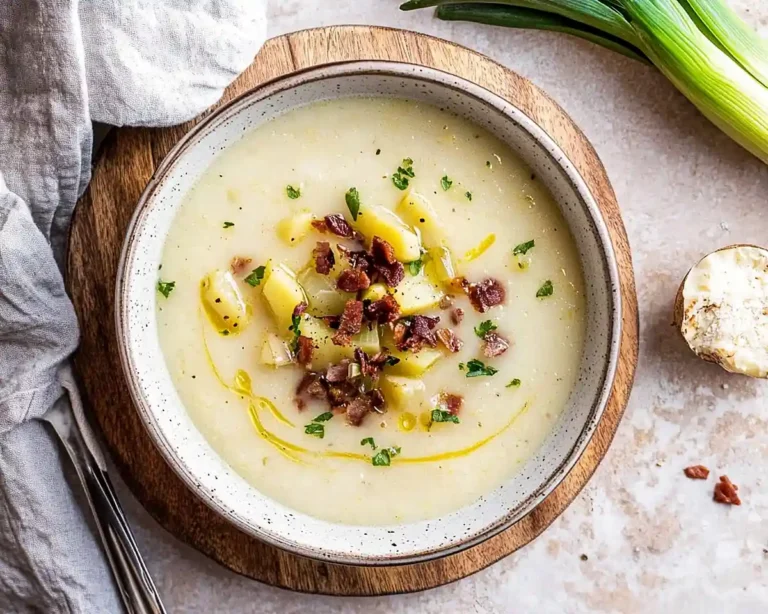
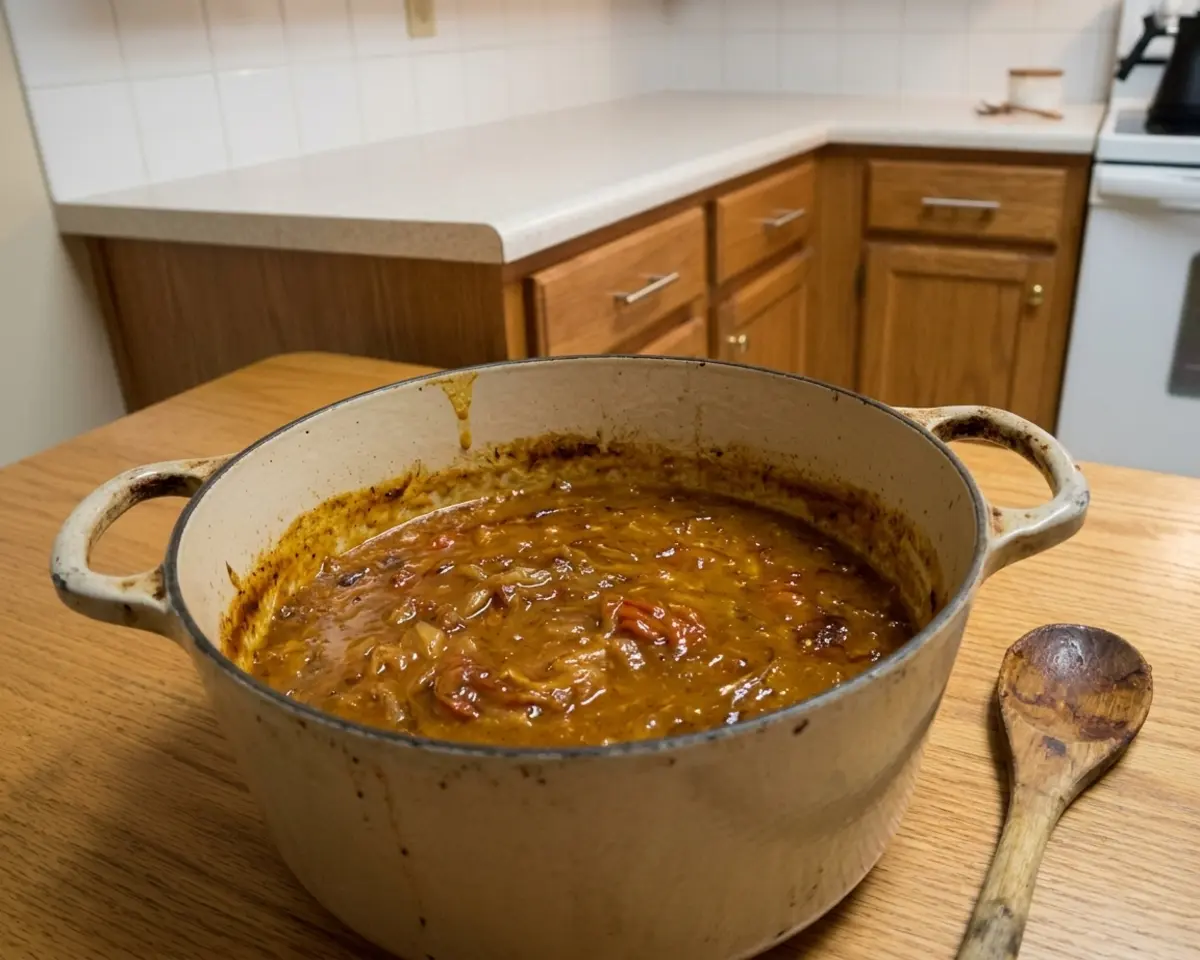
Caramelized gochujang tomato soup brings deep umami heat, jammy burst tomatoes, and a silky coconut-milk finish to your table in under 45 minutes. The secret lies in those six minutes of stirring while the gochujang darkens and caramelizes, turning ordinary tomatoes into something layered and entirely crave-worthy.
You’ll need one pot, eight main ingredients, and zero fussy techniques—just stir, simmer, and blend. Perfect for weeknight dinners or meal-prep lunches that actually make you excited to open the fridge.
Table of Contents
The Need-to-Know 📌
Before we dive in, here’s the rundown on this caramelized gochujang tomato soup.
- CourseDinner
- CuisineKorean-inspired fusion
- Prep Time15 minutes
- Cook Time35 minutes
- Total Time50 minutes
- Serves4 people
- DifficultyEasy
Why This One’s a Keeper 🌿
- This spicy tomato soup builds serious depth in one pot, so there’s almost no cleanup and zero fussy multi-step techniques.
- Caramelizing the gochujang unlocks a sweet-savory complexity that plain tomato soup just can’t touch, and you’ll taste it in every spoonful.
- Coconut milk keeps things creamy without dairy, so it works beautifully for anyone avoiding lactose or just wanting a lighter, brighter finish.
- As Serious Eats explains in their guide to building better tomato sauces, caramelizing aromatics and concentrated ingredients before adding liquid is what separates flat soups from ones with real backbone—and this recipe leans hard into that principle.
This korean tomato soup recipe breaks down into three simple layers: aromatic base—onion, garlic, ginger, and olive oil—that gets everything started; the caramelized gochujang paste that brings heat and umami; and the tomato-coconut body that ties it all together with soy sauce, rice vinegar, and stock.
Keep your gochujang at room temp so it melts smoothly, halve those cherry tomatoes evenly so they burst at the same time, and make sure your coconut milk is full-fat for the creamiest finish. No cherry tomatoes? Diced canned San Marzanos work in a pinch—just drain most of the juice first.
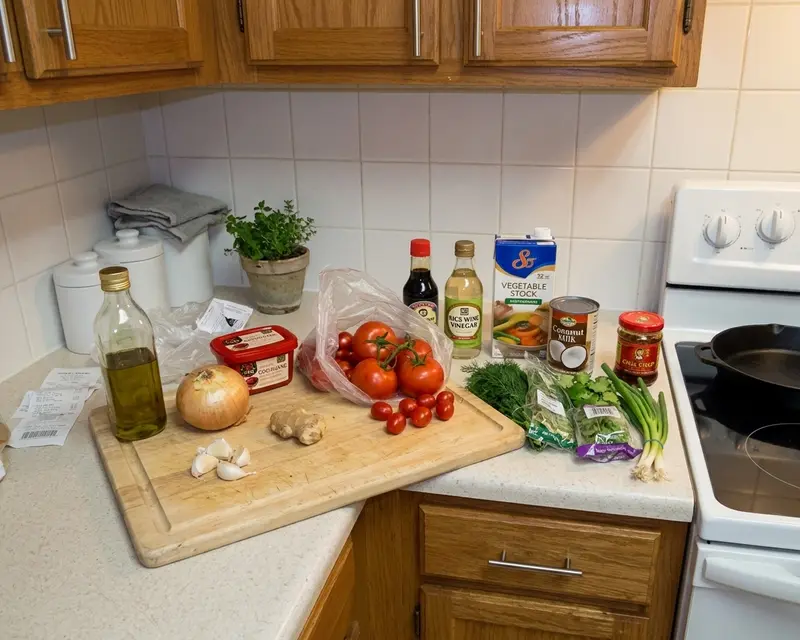
What You’ll Need (Ingredients)
| Amount | Ingredient | Swap Idea |
|---|---|---|
| 1/4 cup | Extra-virgin olive oil | Avocado oil or neutral vegetable oil |
| 1 medium | Yellow onion, diced | White onion or 2 shallots |
| 3 cloves | Garlic, thinly sliced or chopped | 1 teaspoon garlic powder in a pinch |
| 2 teaspoons | Freshly grated ginger | 1/2 teaspoon ground ginger (less punchy) |
| 2 tablespoons | Gochujang | Sriracha + 1 teaspoon miso for a milder version |
| 1 1/2 pounds | Cherry tomatoes or vine tomatoes, halved | One 28-ounce can diced tomatoes, drained |
| 1 tablespoon | Soy sauce | Tamari for gluten-free |
| 1 tablespoon | Rice wine vinegar | Apple cider vinegar or white wine vinegar |
| 1 cup | Vegetable stock | Chicken stock or water + 1/2 teaspoon salt |
| 1/2 cup | Full-fat coconut milk | Cashew cream or heavy cream (not vegan) |
| To serve | Assorted tender herbs (dill, mint, cilantro, scallions) | Basil or parsley if you’re out of the rest |
| To serve | Chili crisp | Crispy fried shallots or a drizzle of chili oil |
| To serve | Chili crisp | Sesame oil + red pepper flakes |
Kitchen Gear Checklist (Equipment)
- Medium Dutch oven or heavy-bottomed pot
- Wooden spoon or silicone spatula
- Immersion blender
- Chef’s knife and cutting board
- Measuring cups and spoons
- Microplane or box grater for ginger (optional, but handy)
Let’s Make It (Step-by-Step Instructions)
Making caramelized gochujang tomato soup is all about giving the gochujang time to darken and develop sweetness before the tomatoes go in.
Each step builds flavor, so resist the urge to rush—those extra minutes of stirring are what turn this from good to “where has this been all my life?” The immersion blender at the end gives you control over texture, so you can keep it as chunky or silky as you like.
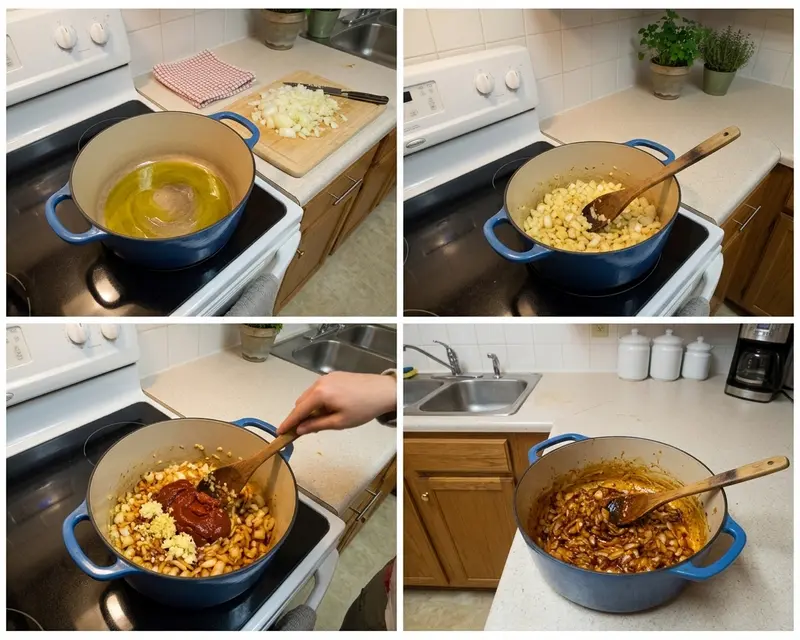
- Warm the olive oil. In a medium Dutch oven over medium heat, add the 1/4 cup extra-virgin olive oil and let it warm up for about a minute until it shimmers slightly but doesn’t smoke.
- Soften the onion. Add in the diced yellow onion and cook, stirring occasionally, until it softens and turns translucent around the edges, about 5 to 6 minutes—it shouldn’t brown, just relax.
- Add the aromatics. Stir in the 3 sliced garlic cloves and 2 teaspoons freshly grated ginger, cooking for about 30 seconds until fragrant and you can smell them waking up in the oil.
- Caramelize the gochujang. Add the 2 tablespoons gochujang and stir everything together, then cook for 5 to 6 minutes, stirring often, until the paste darkens a shade and smells toasty-sweet—this is the sugar caramelizing and it’s the magic step.
- Burst the tomatoes. Add the 1 1/2 pounds halved cherry tomatoes, 1 tablespoon soy sauce, and 1 tablespoon rice wine vinegar, stirring to coat everything in that caramelized gochujang. Cook for 10 to 11 minutes, stirring occasionally, until the tomatoes collapse into a jammy, slightly liquidy mess.
- Simmer with stock. Pour in the 1 cup vegetable stock, stir, and bring the pot to a gentle simmer. Let it bubble away for 8 to 10 more minutes so the flavors marry and the tomatoes break down even more.
- Blend to your liking. Reduce the heat to low and use an immersion blender to blend most of the soup, leaving a few chunks of tomato skin for texture—don’t go full-smooth unless that’s your thing.
- Stir in the coconut milk. Add the 1/2 cup full-fat coconut milk and stir until it’s swirled through and creamy. Taste and add a dash more soy sauce if you want extra umami or saltiness.
- Serve and top. Ladle the soup into bowls and top each one with a handful of tender herbs—dill, mint, cilantro, or scallions—and a generous drizzle of chili crisp for heat and crunch.
You’ll know it’s done when the soup is silky, lightly speckled with tomato skins, and smells sweet, savory, and just spicy enough to make you lean in for another taste.
Nutrition Snapshot
| Nutrient | Amount |
|---|---|
| Calories | 285 |
| Protein | 4 g |
| Carbohydrates | 18 g |
| Fat | 22 g |
| Saturated Fat | 8 g |
| Fiber | 4 g |
| Sugar | 10 g |
These values are approximate and will vary depending on the brands you use and any swaps you make.
Little Secrets for Success (Pro Tips)
Once you’ve made this umami tomato soup a time or two, these little tweaks will help you dial in the flavor and texture exactly how you like it.
Tip #1: Don’t skimp on the caramelizing time. That 5 to 6 minutes of stirring the gochujang might feel long, but it’s what unlocks the sweetness and depth—if you rush it, you’ll just get spicy heat without the complexity.
Tip #2: Use full-fat coconut milk. Light coconut milk will make the soup thinner and less rich, so save it for smoothies and go full-fat here for that creamy, luxurious finish.
Tip #3: Taste before you blend. If the soup tastes flat or one-note at the simmering stage, add a pinch of salt, another splash of soy sauce, or a squeeze of lime—you want balance before you commit to blending.
Tip #4: Control your texture with the blender. Pulse the immersion blender in short bursts instead of holding it down, so you can stop right when you hit your ideal chunky-smooth ratio—over-blending makes it baby-food smooth and you lose all that rustic charm.
Still getting the hang of working with gochujang and other Korean pantry staples? Bon Appétit has a really helpful breakdown on how to use and store gochujang that cleared things up for me when I first started cooking with it.
Oops, Fixed It! (Troubleshooting)
The problem: The gochujang burned and tastes bitter.
The fix: This usually happens if the heat was too high or you didn’t stir often enough. Unfortunately, burnt gochujang will carry that bitter taste through the whole soup, so it’s best to start over with a fresh batch and keep the heat at medium with constant stirring.
If it’s only slightly scorched, you might be able to salvage it by adding an extra tablespoon of rice vinegar and a teaspoon of sugar to balance the bitterness.
The problem: The soup is too spicy for my taste.
The fix: Stir in an extra 1/4 cup of coconut milk or a couple tablespoons of Greek yogurt (if you’re okay with dairy) to mellow the heat. You can also serve it over a big scoop of steamed white rice, which absorbs a lot of the spice and makes each bite more balanced.
The problem: The tomatoes didn’t break down and the soup is watery.
The fix: Let it simmer uncovered for another 10 minutes to reduce the liquid and concentrate the flavors. If the tomatoes still won’t burst, smash them gently against the side of the pot with your spoon, or just blend it all smooth—it’ll still taste great, just with a different texture.
The problem: The soup tastes flat or one-dimensional.
The fix: Add another tablespoon of soy sauce for umami, a squeeze of fresh lime juice for brightness, or a pinch of brown sugar to bring out the tomatoes’ natural sweetness. Sometimes all it needs is a little more salt—taste as you go.
Make It Your Own (Variations)
Once you’ve nailed the classic caramelized gochujang tomato soup, try these spins to keep things interesting or work with what you’ve got on hand.
Dietary Swaps
Gluten-Free: Swap the soy sauce for tamari or coconut aminos and double-check your gochujang label—most brands are naturally gluten-free, but a few sneak in barley malt.
Oil-Free: Skip the olive oil and sauté the onion in a few tablespoons of vegetable stock instead, adding more as it evaporates—you’ll lose a little richness, but the gochujang and coconut milk still carry plenty of flavor.
Seasonal Twists
Summer: Toss in a handful of fresh corn kernels and diced zucchini during the tomato-simmering step for a lighter, garden-fresh vibe.
Fall: Stir in a tablespoon of maple syrup and a pinch of smoked paprika for a cozy, slightly sweet depth that pairs beautifully with roasted squash on the side.
Winter: Add a cup of cooked white beans or chickpeas in the last few minutes for extra protein and heartiness—it turns the soup into a full meal.
Flavor Upgrades
Miso boost: Whisk in a tablespoon of white or red miso paste along with the coconut milk for an extra layer of savory complexity.
Citrus zing: Finish each bowl with a squeeze of fresh lime juice and a sprinkle of lime zest—it brightens everything and cuts through the richness.
Smoky heat: Add a teaspoon of smoked paprika or a chipotle pepper in adobo (chopped fine) during the gochujang caramelizing step for a smoky, Southwestern-meets-Korean fusion.
Serve, Store & Reheat
This caramelized gochujang sauce-based soup is incredibly versatile and plays well with all kinds of sides and toppings. Serve it with steamed jasmine rice, crusty sourdough for dipping, or even over soba noodles for a noodle-soup hybrid.
It’s wonderful alongside a simple cucumber salad dressed with rice vinegar and sesame oil, or with crispy Japanese-inspired comfort dishes like gyoza or spring rolls. For a cozy dinner party, ladle it into small bowls as a starter and top each one with a swirl of extra coconut milk, fresh herbs, and a crunchy sprinkle of toasted sesame seeds.
Storage & Reheating
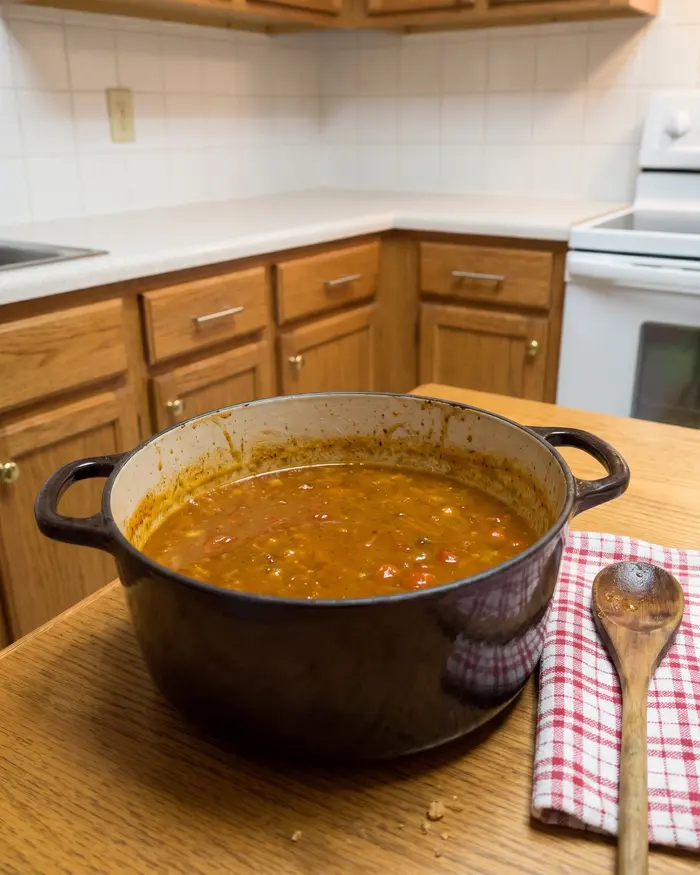
Store leftovers in an airtight container in the fridge for up to 5 days—the flavors actually deepen and meld overnight, so day-two soup is even better. You can also freeze it in individual portions for up to 3 months; just leave a little headspace in your containers since it’ll expand as it freezes.
When you’re ready to enjoy it again, thaw in the fridge overnight if frozen, then reheat gently on the stovetop over medium-low heat, stirring occasionally and adding a splash of stock or water if it’s thickened up too much.
| Storage Method | Duration | Best Practice |
|---|---|---|
| Refrigerator | Up to 5 days | Store in an airtight container; flavors deepen over time |
| Freezer | Up to 3 months | Freeze in individual portions; leave headspace for expansion |
| Reheating | Stovetop or microwave | Add a splash of stock if thickened; stir in fresh herbs after reheating |
Pro move: double the batch and freeze half in single-serving jars—future-you will be thrilled to have a homemade, restaurant-quality soup ready in minutes.
Love Your Leftovers (Waste-Free Ideas)
Leftover soup is a gift—here’s how to stretch it into new meals and use every bit.
Turn it into a noodle bowl. Reheat the soup and ladle it over cooked rice noodles or ramen, then top with a soft-boiled egg, sautéed greens, and extra chili crisp for a quick, satisfying lunch.
Use it as a braising liquid. Simmer chicken thighs, tofu cubes, or white fish fillets directly in the soup for 15 to 20 minutes—the protein soaks up all that gochujang flavor and you end up with an entirely new dinner.
Blend it into a pasta sauce. Toss a cup of the soup with hot pasta, a handful of spinach, and a sprinkle of Parmesan or nutritional yeast for a creamy, spicy, umami-packed weeknight plate.
Freeze the leftover coconut milk. If you only used half a can, pour the rest into an ice cube tray and freeze—pop a cube or two into curries, smoothies, or your morning coffee for instant creaminess with zero waste.
FAQs
Here are the questions I hear most often about this gochujang recipes favorite, answered like we’re chatting over a bowl at the kitchen counter.
What is caramelized gochujang tomato soup?
Caramelized gochujang tomato soup is a fusion soup that combines roasted or caramelized tomatoes with gochujang, a Korean fermented chili paste. The gochujang is typically caramelized with sugar or honey to create a sweet, spicy, and umami-rich base that adds depth and complexity to traditional tomato soup.
How spicy is caramelized gochujang tomato soup?
The spice level can be adjusted to taste, but typically the soup has a moderate heat. Caramelizing the gochujang with sugar mellows out some of the heat while enhancing its savory and sweet notes. You can control the spiciness by adjusting the amount of gochujang used, starting with 2-3 tablespoons for a mild kick.
What ingredients do I need to make caramelized gochujang tomato soup?
Key ingredients include fresh or canned tomatoes, gochujang paste, sugar or honey, garlic, onion, vegetable or chicken stock, cream or coconut milk for richness, olive oil, and salt. Optional additions include ginger, soy sauce, and fresh herbs like basil or cilantro for garnish.
Can I make this soup vegan?
Yes, caramelized gochujang tomato soup can easily be made vegan. Use vegetable stock instead of chicken stock, and substitute the cream with coconut milk, cashew cream, or any plant-based cream alternative. Ensure your gochujang brand does not contain fish sauce or other animal products.
How long does caramelized gochujang tomato soup last in the refrigerator?
The soup will keep in an airtight container in the refrigerator for up to 5 days. You can also freeze it for up to 3 months. When reheating, do so gently on the stovetop over medium heat, stirring occasionally. You may need to add a splash of stock or water if the soup has thickened during storage.
Before You Go
Now it’s your turn—whip up this caramelized gochujang tomato soup and tell me all about it in the comments! Did you go heavy on the chili crisp? Serve it with crusty bread or over rice? I read every comment, and your soup stories honestly make my day.
If this one becomes a regular in your rotation, share it with a friend who needs a cozy dinner win, or tag EdenPlate on Instagram so I can see your beautiful bowls.
Here’s to easy wins, bold flavors, and full, happy tables.
I’m Linda Sandra—a Charleston home cook and comfort-food daydreamer. Around here, cooking’s not about perfection—it’s about cozy vibes, creative twists, and food that feels like love.
Caramelized Gochujang Tomato Soup
Ingredients
- ¼ cup extra-virgin olive oil
- 1 medium yellow onion diced
- 3 garlic cloves thinly sliced or chopped
- 2 teaspoons freshly grated ginger
- 2 tablespoons gochujang
- 1 ½ pounds cherry tomatoes or vine tomatoes halved
- 1 tablespoon soy sauce
- 1 tablespoon rice wine vinegar
- 1 cup vegetable stock
- ½ cup full-fat coconut milk plus extra for serving
- Assorted tender herbs dill, mint, cilantro, scallions, for serving
- Chili crisp for serving
Instructions
- In a medium dutch oven over medium heat, add in the olive oil and let it warm up for a minute or so.
- Add in the onion and cook, stirring occasionally, until slightly softened, 5-6 minutes.
- Add in the garlic and ginger and stir to combine. Add in the gochujang and stir. Cook together, stirring often, for 5-6 minutes or until you see the gochujang begin to turn a shade darker.
- This is the sugar in it caramelizing. Continue to stir to ensure nothing burns on the bottom of the dutch oven.
- Add in the cherry tomatoes, soy sauce, vinegar and stir. Cook, stirring occasionally, for 10-11 minutes or until the tomatoes are burst and jammy. It should be decently liquidy, but add in the vegetable stock and stir.
- Bring this to a simmer for 8-10 more minutes. Reduce the heat to low and blend with an immersion blender, leaving some tomato skins whole, but most blended.
- Add in the coconut milk and stir. Taste and season with a dash of more soy sauce if preferred.
- To serve, portion into bowls and top with the tender herbs and chili crisp. Enjoy with steamed white rice or crusty bread.