Beef Pho
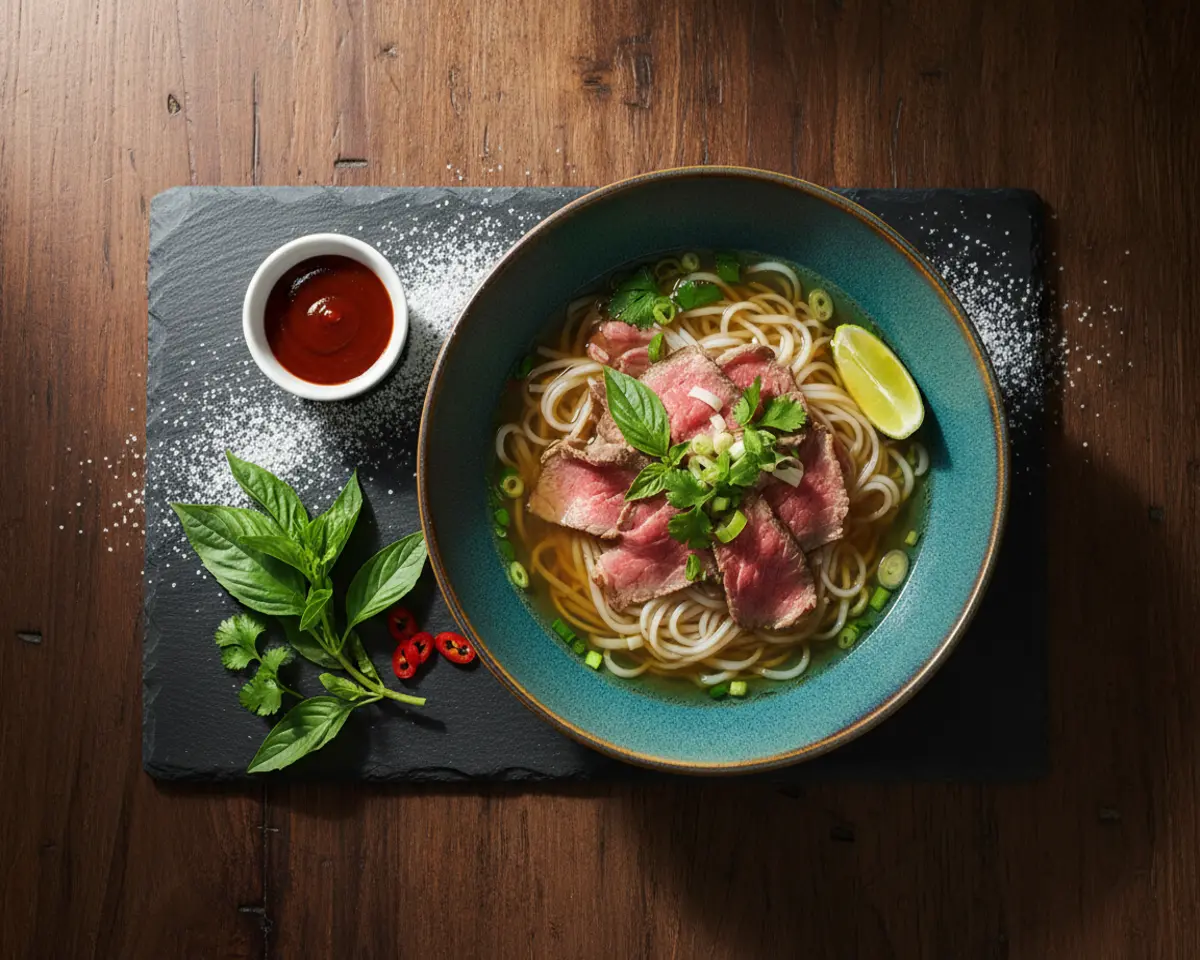
Beef Pho is that soul-warming Vietnamese beef noodle soup that makes your kitchen smell like a cozy little noodle shop in Hanoi. I love how it looks fancy and feels special, but once you know the moves, it’s just a series of gentle steps that build into something amazing. This traditional pho recipe brings authentic pho flavors right into your home, and trust me, it’s worth every minute.
The secret to homemade pho is the broth—it’s where all the magic lives. You’re gonna char some aromatics, toast some spices, and let everything bubble away low and slow. Then you just pile soft noodles, tender beef, and all those bright herbs into a bowl and pour that golden broth over top.
Table of Contents
Quick Overview
Craving more comforting bowls like this? If you’ve fallen in love with the fragrant broth and tender beef of this Pho, you’ll be thrilled to explore our wider collection of hearty noodle and pasta soups, perfect for any season!
Little Snapshot: What This Recipe Delivers This beef pho recipe delivers a rich, aromatic Vietnamese beef noodle soup with star anise, cinnamon, and ginger-infused broth ladled over tender noodles and thinly sliced beef. It’s traditional, cozy, and perfect for a comforting dinner.
Why You’ll Love This Recipe 🌸
- This authentic pho takes less hands-on time than you’d think—most of it just simmers while you fold laundry or watch your favorite show.
- You control the spice, the herbs, and the toppings, so everyone gets their perfect bowl.
- It’s restaurant-worthy and way more budget-friendly than takeout, especially when you’re feeding a crowd.
- According to Serious Eats, the key to great pho is a crystal-clear, deeply flavored broth—and this recipe proves exactly why.
Quick Facts ⚡
Here’s the quick scoop on this beef pho.
- CourseMain Dish
- Prep Time30 minutes
- Cook Time4 hours
- Total Time4 hours 30 minutes
- Servings6 servings
- DifficultyMedium
Nutritional Peek
| Nutrient | Amount per serving |
|---|---|
| Calories | 420 kcal |
| Protein | 32g |
| Carbohydrates | 48g |
| Fat | 10g |
| Fiber | 2g |
| Sugar | 3g |
What You’ll Need
You don’t need fancy equipment to make homemade pho, just a few trusty kitchen basics. A big stockpot is your best friend here—it’s where all that magic broth happens. Grab a slotted spoon, a fine-mesh strainer, and some cheesecloth or a spice bag to keep things tidy.
- Large stockpot (at least 8-quart capacity)
- Slotted spoon for skimming foam
- Fine-mesh strainer or cheesecloth
- Spice bag or small muslin pouch
- Kitchen tongs for charring aromatics
- Sharp knife for slicing beef
- Large serving bowls
Ingredients
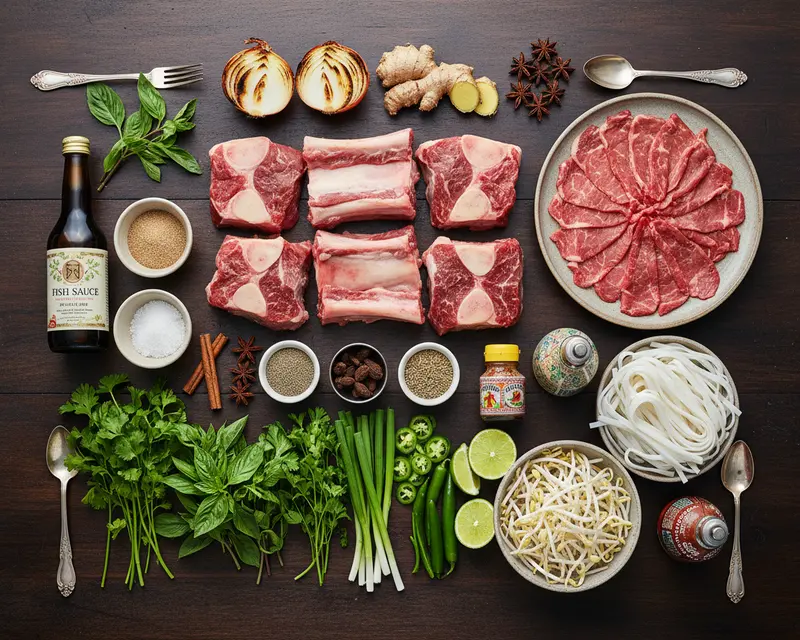
Vietnamese beef noodle soup is all about layering flavors—bones for body, spices for warmth, and fresh herbs for brightness. You’ll gather your broth builders (bones, aromatics, and spices), your noodles and protein, and a rainbow of garnishes that let everyone customize their bowl. It’s a beautiful little assembly line of flavor.
| Group | Ingredient | Amount | Notes |
|---|---|---|---|
| Broth Base | Beef bones | 2-3 lbs | Knuckle, marrow, or oxtail work beautifully |
| Broth Base | Yellow onion | 1 large, halved | Charred for deep sweetness |
| Broth Base | Fresh ginger | 4-inch piece, halved lengthwise | Charred alongside the onion |
| Spices | Star anise pods | 5 pods | The signature pho aroma |
| Spices | Cinnamon stick | 1 stick | Adds warmth and sweetness |
| Spices | Whole cloves | 4-5 cloves | A little goes a long way |
| Spices | Black cardamom pod | 1 pod (optional) | Smoky and earthy |
| Spices | Coriander seeds | 1 tbsp | Toast these for best flavor |
| Spices | Fennel seeds | 1 tbsp | Subtle licorice notes |
| Seasoning | Fish sauce | 1/4 cup | The umami backbone |
| Seasoning | Sugar | 1 tbsp | Balances the savory broth |
| Seasoning | Salt | 1 tsp, or to taste | Adjust at the end |
| Protein | Beef | 1.5-2 lbs | Flank, brisket, or chuck short ribs, thinly sliced |
| Noodles | Fresh pho noodles | 1.5-2 lbs | Banh pho—soft, silky, perfect |
| Garnishes | Fresh herbs | To taste | Cilantro, basil, and mint |
| Garnishes | Green onions | 2-3, chopped | Bright and fresh |
| Garnishes | Jalapeños | 1-2, thinly sliced | For heat lovers |
| Garnishes | Limes | 1-2, cut into wedges | Brightens every bite |
| Garnishes | Bean sprouts | To taste | Crunchy and refreshing |
| Condiments | Hoisin sauce | To taste | Sweet and savory |
| Condiments | Sriracha | To taste | Spicy kick |
Step-by-Step Instructions
Let’s make this happen.
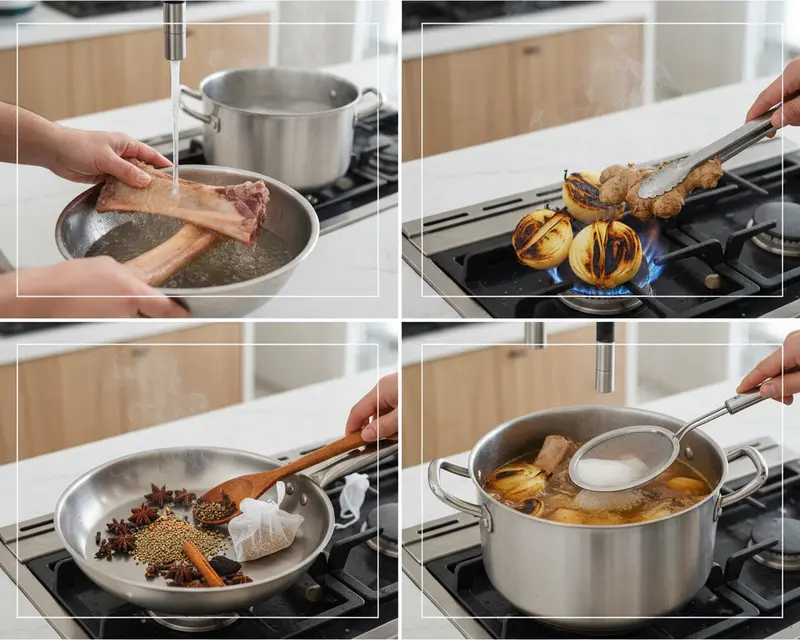
Beef Pho starts with clean bones and a little patience. Rinse your beef bones under cold water until the water runs clear—you want to wash away any gunk. Blanch them in a big pot of boiling water for 10 to 15 minutes, then drain and rinse again.
Now let’s build some flavor. Place your halved onion and ginger directly on a gas burner or under the broiler and char them until they’re fragrant and a little softened, about 10 to 15 minutes. The char adds a smoky sweetness that’s absolutely essential.
Toast your spices in a dry skillet over medium heat—star anise, cinnamon stick, cloves, black cardamom if you’re using it, coriander seeds, and fennel seeds. Shake the pan gently for 2 to 3 minutes until everything smells amazing. Bundle them up in a spice bag or cheesecloth so they’re easy to fish out later.
In your large stockpot, combine the blanched bones, charred onion and ginger, spice bag, 12 to 14 cups of water, fish sauce, sugar, and salt. Bring it all to a boil, then drop the heat to low, cover loosely, and let it simmer for at least 3 to 4 hours. For a richer, deeper broth, simmer up to 8 hours.
Skim any foam or impurities that rise to the surface with a slotted spoon. This keeps your broth clear and clean-tasting. It’s a little tedious, but it makes such a difference in the final bowl.
While the broth does its thing, slice your beef as thin as you can against the grain. Pop it in the freezer for about 20 minutes first—it firms up just enough to make slicing a breeze. You want those paper-thin slices that’ll cook instantly in the hot broth.
When the broth is done, strain it through a fine-mesh strainer or cheesecloth into a clean pot. Discard the solids and taste the broth—add more salt or fish sauce if needed. Keep it hot on the stove.
Cook your pho noodles according to the package directions. Fresh noodles usually just need a quick blanch in boiling water until tender, maybe 1 to 2 minutes. Drain and rinse them under cold water to stop the cooking.
Now for the fun part: divide the cooked noodles among your serving bowls. Arrange the thinly sliced raw beef over the noodles in each bowl. Ladle the piping hot broth right over the beef—the heat will cook those thin slices perfectly.
Garnish each bowl with fresh herbs, chopped green onions, and jalapeño slices. Set out lime wedges, bean sprouts, hoisin sauce, and sriracha so everyone can build their perfect bowl. Serve immediately and watch the smiles happen.
Pro Tips & Gentle Guidance
Traditional pho recipe magic is all in the details, and a few gentle tweaks can take your bowl from good to unforgettable. Don’t rush the broth—low and slow is the way. If you’re short on time, a pressure cooker or Instant Pot can cut the simmer down to about 90 minutes, but I love the slow method for that deep, layered flavor.
Use a mix of beef bones for the richest broth. Knuckle bones add gelatin and body, marrow bones bring richness, and oxtail gives incredible flavor. You can even add a beef shank or two for extra meatiness.
Skim the broth regularly during the first hour of simmering. This removes impurities and keeps your broth crystal-clear, which is the hallmark of authentic Vietnamese pho. A little effort here makes a big visual difference.
Taste and adjust your broth before serving. Pho should be well-seasoned but not overpowering—add fish sauce for umami, sugar for balance, and salt to bring everything together. Trust your palate.
Freeze your beef for easier slicing. A partially frozen piece of flank or brisket slices like butter, and those thin slices cook instantly when you pour the hot broth over them. It’s a total game-changer.
Don’t skip the garnishes—they’re not optional! Fresh herbs, lime juice, and crunchy bean sprouts add brightness and texture that balance the rich broth. Let everyone customize their bowl for the full pho experience.
Variations & Adaptations
Beef Pho is endlessly adaptable, so feel free to make it your own. Swap the beef for chicken and you’ve got pho ga—use a whole chicken and simmer for about 90 minutes for a lighter, equally delicious broth.
Try different cuts of beef for variety. Thinly sliced eye of round is classic, but ribeye adds richness, and brisket or tendon gives you that melt-in-your-mouth texture. You can even do a combo platter.
Make it vegetarian by using mushroom broth as your base and loading up on shiitake, oyster, and enoki mushrooms. Add tofu, bok choy, and all the usual herbs for a plant-based bowl that’s just as cozy.
Spice it up with extra jalapeños, a drizzle of chili oil, or a spoonful of sambal oelek. If you love heat, this is your playground. My family always keeps a bottle of sriracha on the table.
Use dried pho noodles if fresh aren’t available. Just soak them in warm water for 20 to 30 minutes, then boil briefly until tender. They’re nearly as good as fresh and way easier to find.
Quick Fixes for Beef Pho
Broth tastes flat or weak: Add more fish sauce, a pinch of salt, and a little sugar to balance the flavors. Simmer for another 30 minutes if you have time—it’ll deepen the taste. Sometimes a squeeze of lime at the end brightens everything up.
Broth is cloudy instead of clear: This usually means you skipped the blanching step or didn’t skim enough foam. Next time, blanch the bones thoroughly and skim religiously during the first hour. For now, strain through cheesecloth to clean it up a bit.
Beef is tough or chewy: You probably sliced it too thick or with the grain. Freeze your beef slightly and slice paper-thin against the grain. The hot broth will cook it perfectly if the slices are thin enough.
Noodles are gummy or mushy: Fresh pho noodles cook fast—don’t overdo it. Blanch them for just 1 to 2 minutes, then rinse under cold water to stop the cooking. Serve immediately so they don’t sit and turn sticky.
Not enough spice flavor: Toast your spices longer next time—2 to 3 minutes in a dry pan until super fragrant. You can also add an extra star anise or cinnamon stick to the broth. Just don’t overdo it or it’ll taste like potpourri.
Storage & Reheating
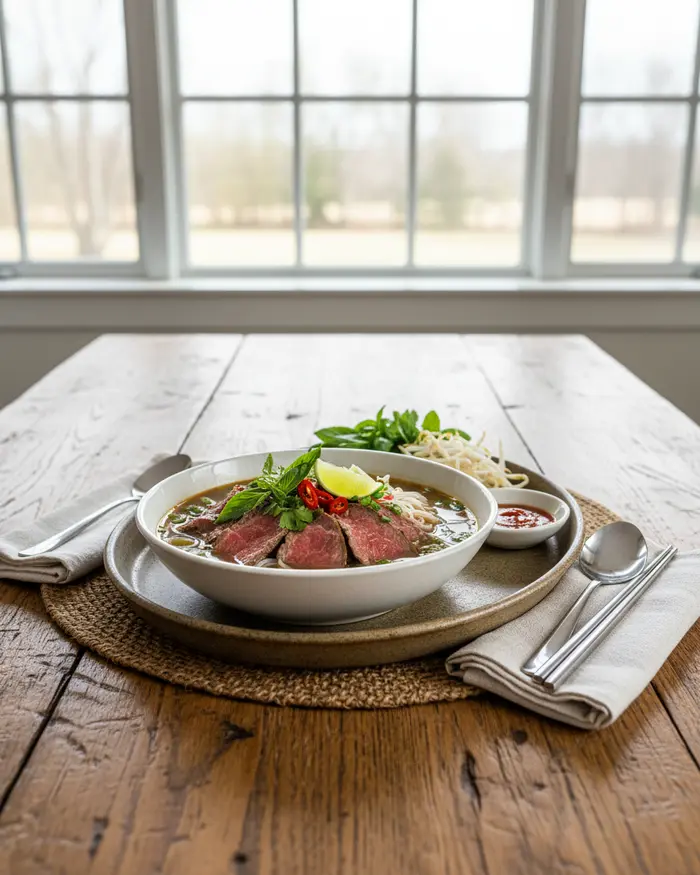
Vietnamese beef noodle soup is fantastic as leftovers, but store the components separately for the best results. Keep the broth in an airtight container in the fridge for up to 4 days, or freeze it for up to 3 months. Store cooked noodles, sliced beef, and garnishes separately so nothing gets soggy.
To reheat, warm the broth gently on the stovetop until it’s steaming hot. Blanch your noodles in boiling water for 30 seconds to freshen them up, then assemble your bowl just like you did the first time. Pour the hot broth over the beef and noodles, add your garnishes, and you’re back in business.
If you’re meal-prepping, portion the broth into individual containers and keep the noodles, beef, and toppings in separate bags or containers. This makes it super easy to grab and reheat a single serving whenever the pho craving hits.
| Storage Method | Duration | Best Practice |
|---|---|---|
| Refrigerator (broth) | Up to 4 days | Store in airtight container, separate from noodles |
| Freezer (broth) | Up to 3 months | Freeze in portions for easy reheating |
| Refrigerator (noodles) | Up to 2 days | Rinse with cold water, store in sealed container |
| Refrigerator (garnishes) | Up to 3 days | Keep herbs and veggies separate and fresh |
No-Waste Kitchen Magic
After you strain your pho broth, don’t toss those spent bones and aromatics just yet. The bones still have a little flavor left—simmer them again with fresh water for a lighter “second broth” that’s great for hearty beef recipes or soups.
Save your leftover herbs and turn them into a quick herb oil. Blend cilantro, basil, and mint with a little neutral oil and a pinch of salt, then drizzle it over rice, noodles, or grilled veggies. It keeps in the fridge for about a week and adds instant brightness.
Use leftover pho broth as a base for other Vietnamese dishes like bun bo Hue or as a cooking liquid for rice. It’s packed with flavor and adds so much depth to whatever you’re making. I love using it in place of plain water when I’m braising beef.
Freeze your lime wedges and jalapeño slices if you have extras. They’ll keep for months and you can toss them straight into your next bowl of pho or use them in quick beef stir-fries.
Frequently Asked Questions
Here are the most common questions I get about making homemade beef pho at home.
What is Beef Pho?
Beef Pho is a traditional Vietnamese soup consisting of bone broth, rice noodles, herbs, and beef. The broth is typically simmered for hours with spices like star anise, cinnamon, and ginger to create a rich, aromatic flavor.
What are the most common cuts of beef used in Pho?
The most common beef cuts include rare steak slices, well-done flank, fatty brisket, tendon, and tripe. These cuts are often used in combination, and the rare beef is typically added raw to the bowl, cooking instantly when the hot broth is poured over it.
What herbs and garnishes are traditionally served with Beef Pho?
Traditional garnishes include fresh basil, cilantro, lime wedges, bean sprouts, sliced jalapenos, and culantro. Hoisin sauce and sriracha are also commonly provided on the side for diners to add according to their taste preferences.
How long does it take to make authentic Pho broth?
Authentic Pho broth typically requires 12 to 24 hours of slow simmering. The bones, usually beef knuckle and leg bones, are first parboiled, then simmered with spices and aromatics to extract maximum flavor and create the characteristic clear, deeply flavored broth.
Can Beef Pho be made gluten-free?
Yes, Beef Pho is naturally gluten-free when prepared traditionally. The rice noodles contain no gluten, and the broth is made from bones and spices. However, always verify that soy sauce or hoisin sauce served alongside does not contain gluten, as some commercial versions do.
Final Dish
There’s something so special about a steaming bowl of beef pho made from scratch in your own kitchen. The broth is golden and fragrant, the noodles are soft and silky, and all those fresh herbs and crunchy toppings make every bite feel like a little celebration. It’s cozy, it’s nourishing, and it’s absolutely worth the time.
I hope you give this homemade pho a try and make it your own. Snap a photo of your bowl, tag me, and tell me what toppings you piled on—I love seeing your creations. And if you have any questions or tips to share, drop them in the comments below. Happy slurping!
I’m Linda Sandra — a Charleston home chef and comfort-food daydreamer. Around here, cooking’s not about perfection — it’s about cozy vibes, creative twists, and food that feels like love.
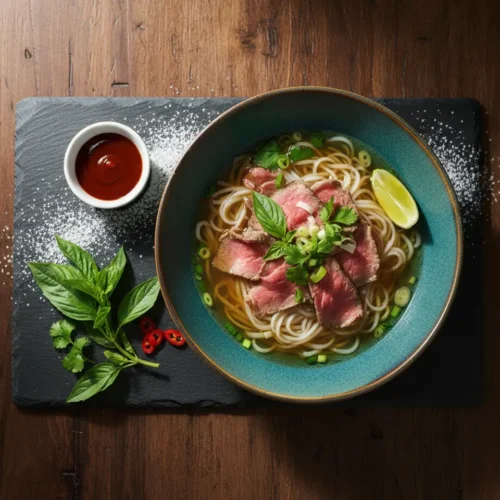
Beef Pho
Ingredients
For the Broth
- 2-3 lbs beef bones knuckle, marrow, or oxtail
- 1 large yellow onion halved
- 4- inch piece ginger halved lengthwise
- 5 star anise pods
- 1 cinnamon stick
- 4-5 whole cloves
- 1 black cardamom pod optional
- 1 tbsp coriander seeds
- 1 tbsp fennel seeds
- ¼ cup fish sauce
- 1 tbsp sugar
- 1 tsp salt or to taste
- 12-14 cups water
For Assembly
- 1.5-2 lbs beef flank, brisket, or chuck short ribs, thinly sliced
- 1.5-2 lbs fresh pho noodles banh pho
For Garnish and Serving
- Fresh herbs for garnish cilantro, basil, mint
- 2-3 green onions chopped
- 1-2 jalapeños thinly sliced
- 1-2 limes cut into wedges
- Bean sprouts
- Hoisin sauce
- Sriracha
Instructions
- Rinse the beef bones thoroughly under cold water. Blanch them for 10-15 minutes in boiling water, then drain and rinse again to remove impurities. This step is crucial for a clear broth.
- Place the halved onion and ginger directly on a burner (or under a broiler) and char until fragrant and slightly softened, about 10-15 minutes. This adds depth of flavor.
- In a dry pan, toast the star anise, cinnamon stick, whole cloves, black cardamom (if using), coriander seeds, and fennel seeds over medium heat until fragrant, about 2-3 minutes. Place them in a spice bag or cheesecloth.
- In a large stockpot, combine the blanched bones, charred onion and ginger, spice bag, 12-14 cups of water, fish sauce, sugar, and salt. Bring to a boil, then reduce heat to low, cover, and simmer for at least 3-4 hours (or up to 8 hours for richer flavor). Skim any foam that rises to the surface.
- While the broth simmers, thinly slice your chosen beef cut against the grain. For best results, partially freeze the beef for easier slicing.
- Prepare the pho noodles according to package directions. For fresh noodles, they usually only need to be briefly blanched in boiling water until tender.
- Divide the cooked noodles among serving bowls. Arrange the thinly sliced raw beef over the noodles. Ladle the hot broth over the beef (the heat of the broth will cook the thinly sliced beef).
- Garnish with fresh herbs, chopped green onions, and jalapeño slices. Serve immediately with lime wedges, bean sprouts, hoisin sauce, and sriracha on the side for diners to customize their bowls.